Category
page 116th-century Japanese people
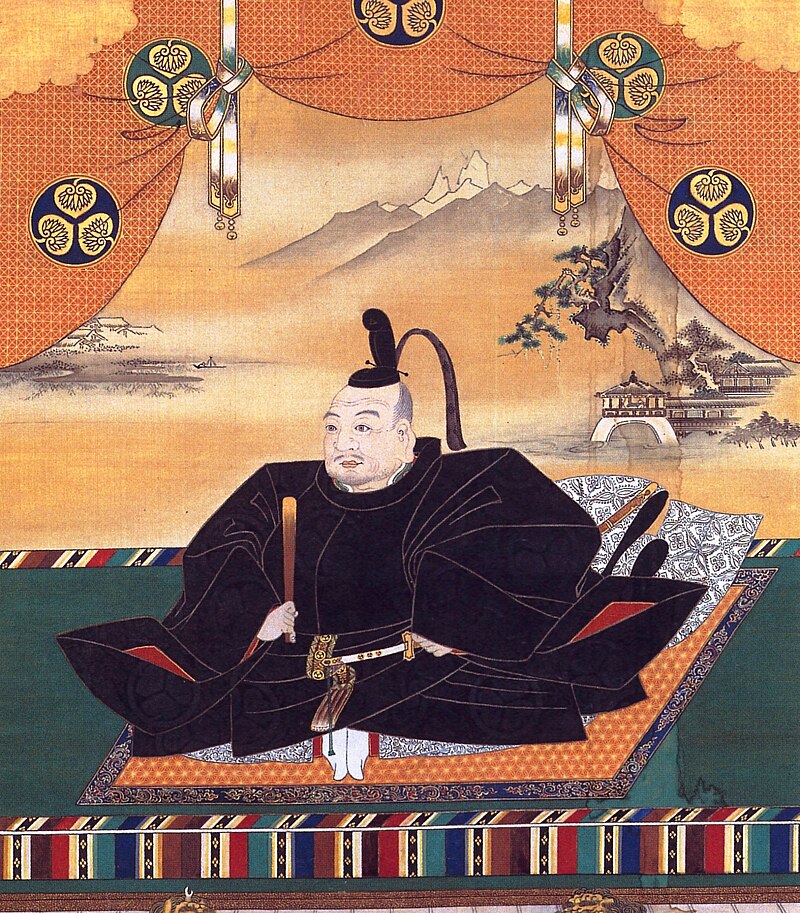
Tokugawa Ieyasu
founder and first shogun of the Tokugawa shogunate of Japan (1543–1616)
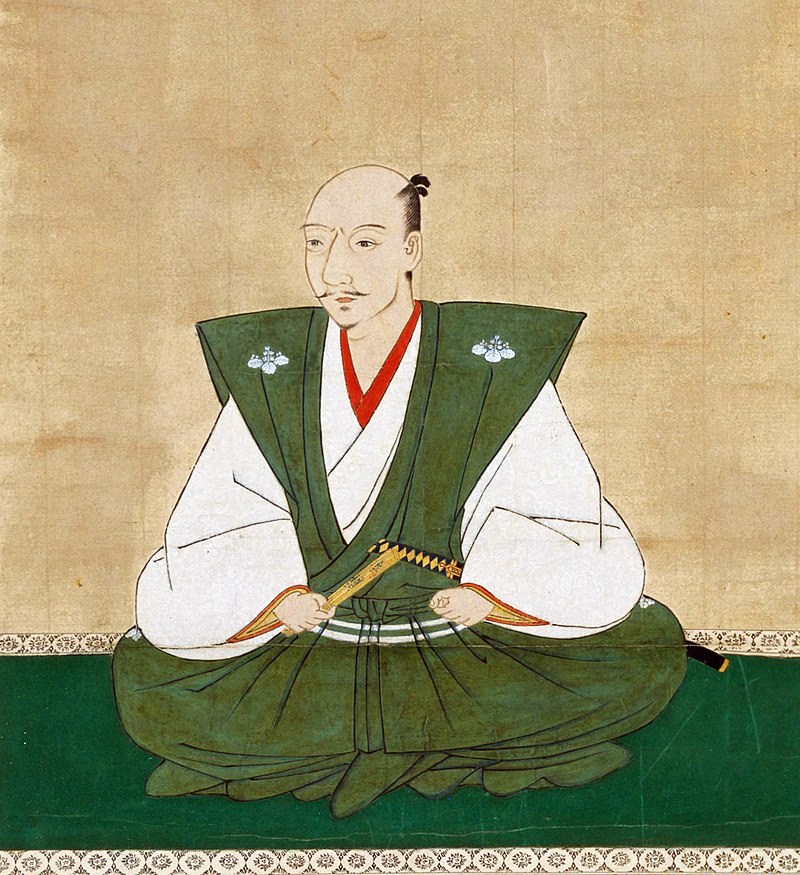
Oda Nobunaga
Japanese samurai and warlord (1534–1582)

Toyotomi Hideyoshi
Japanese samurai and daimyo (1537–1598)

Hasekura Tsunenaga
Japanese samurai and diplomat

William Adams
English navigator who travelled to Japan

Katō Kiyomasa
16th-century Japanese daimyo (1562-1611)
Sanada Yukimura
16th Century Commander and Legendary Warrior of the Sengoku Period

Justo Takayama
Japanese catholic daimyo, martyr and blessed
Hōjō Ujimasa
Japanese daimyo of the Sengoku period

Oichi
was a female historical figure in the late Sengoku period. She is known primarily as the mother of three daughters who became prominent figures in their own right – Yodo-dono, Ohatsu and Oeyo. Oichi was the younger sister of Oda Nobunaga; and she was the sister-in-law of Nōhime, the daughter of Saitō Dōsan. She was descended from the Taira and Fujiwara clans.
Fukushima Masanori
daimyo who served as lord of the Hiroshima Domain

Yodo-dono
or , also known as , was a Japanese historical figure in the late Sengoku period. She was the concubine and the second wife of Japanese ruler Toyotomi Hideyoshi. As the mother of his son and successor Hideyori, she acted as Hideyori's guardian in the restoration of the Toyotomi clan after the fall of the Council of Five Elders, and alongside her son, led the last anti-Tokugawa shogunate resistance in the siege of Osaka.

Lady Saigō
Japanese consort
Tachibana Ginchiyo
Japanese samurai (1569-1602)
Kuki Yoshitaka
Naval commander

Anjirō
or , baptized as Paulo de Santa Fé, was the first recorded Japanese Christian, who lived in the 16th century. After committing a murder in his home domain of Satsuma in southern Kyushu, he fled to Portuguese Malacca and he sought out Saint Francis Xavier (1506–1552) and returned to Japan with him as an interpreter. Along with Xavier, Anjirō returned to Japan with two other Jesuits, two Japanese companions, and a Chinese companion who had been baptized to Catholicism to form the first Jesuit mission to Japan.

Kōsa
thumb|Kennyo
, also known as Kōsa (光佐), was the 11th patriarch of the Hongan-ji lineage of Jodo Shinshu Buddhism, and Chief Abbot of Ishiyama Hongan-ji, cathedral fortress of the Ikkō-ikki (Buddhist warrior priests and peasants who opposed samurai rule), during its siege at the end of the Sengoku period. Similar to his father, Shōnyo (10th patriarch), Kennyo engineered many alliances, and organized the defenses of the cathedral to the point that most at the time considered Ishiyama Hongan-ji to be unbreachable.
==Biography==
In 1570, Takeda Shingen, a relative of Kennyo through marriage, faced
Ōhōri Tsuruhime
Legendary female samurai (Onna-musha). Daughter of Ōhōri Yasumochi, a head priest of Ōyamazumi Shrine
Araki Murashige
daimyō
Fūma Kotarō
ninja leader
Kanō Sanraku
painter (1559-1635)

Muramasa
, commonly known as , was a famous swordsmith who founded the Muramasa school and lived during the Muromachi period (14th to 16th centuries) in Kuwana, Ise Province, Japan (current Kuwana, Mie).
Iwasa Matabē
Japanese artist (1578-1650)

Kai-hime
("hime" means lady, princess, woman of noble family), speculated to have been born in April 15, 1572, was a Japanese female warrior, onna-musha from the Sengoku Period. She was a daughter of and granddaughter of Akai Teruko, retainers of the Later Hōjō clan in the Kantō region. She is known as the heroic woman who helped her father's resistance at Oshi Castle against Toyotomi Hideyoshi's army during the siege of Odawara. After the war, she became one of the wives of Hideyoshi. She was known for her bravery and beauty. According to the chronicle of Narita clan, she was praised as "The most beau

Nō-hime
, also known as was a Japanese woman from the Sengoku period to the Azuchi–Momoyama period. She was the daughter of Saitō Dōsan, a Sengoku Daimyō of the Mino Province, and the lawful wife of Oda Nobunaga, a Sengoku Daimyō of the Owari Province.

Komatsuhime
'''' (1573 – March 27, 1620) was a female warrior (onna-musha'') during the Azuchi-Momoyama period and early Edo period. Born the daughter of Honda Tadakatsu, she was adopted by lord Tokugawa Ieyasu, before marrying Sanada Nobuyuki. She is described as having been very beautiful, highly intelligent and skillful in fighting.

Kanō Takanobu
Japanese painter (1571–1618)

Oeyo
, , or : 1573 – September 15, 1626) was a noblewoman in Japan's Azuchi–Momoyama period and early Edo period. She was a daughter of Oichi and the sister of Yodo-dono and Ohatsu. When she rose to higher political status during the Tokugawa shogunate, she took the title of "Ōmidaidokoro". Following the fall of the Council of Five Elders, Oeyo and her sisters were key figures in maintaining a diplomatic relationship between the two most powerful clans of their time, Toyotomi and Tokugawa. Due to her great contributions to politics at the beginning of the Edo period she was posthumously inducted in
Ii Naotora
daimyō of the Sengoku period

Nene
(died October 17, 1624), formerly known as , , , was an aristocrat and Buddhist nun, founder of the temple Kōdai-ji in Kyoto, Japan. She was formerly the principal samurai wife of Toyotomi Hideyoshi under the name of . When she rose in higher political status, she took the title of "Kita no mandokoro". As the matriarch figure of the Toyotomi clan, she led all diplomatic affairs that had to do with the imperial court, and monitored the daimyos' families who were being held hostage at Osaka Castle.

Onamihime
Onamihime (阿南姫, July 4, 1541 – August 30, 1602) was a late-Sengoku period Onna-musha. She was the first daughter of Date Harumune, sister of Date Terumune and aunt of Date Masamune. She was the ruler of Sukagawa castle in Mutsu Province. She was best known for being a potential enemy of her nephew, Masamune, participating in several campaigns against expansion of the Date clan in the region of Ōshū.

Kanō Sansetsu
Japanese painter (1589-1651)
Shimizu Muneharu
military commander
Mogami Yoshiaki
daimyo of the Yamagata domain
Bessho Nagaharu
daimyo
Suzuki Magoichi
Japanese samurai
Yoshi-hime
Yoshihime (義姫, 1548 – August 13, 1623) was a Japanese noble lady and aristocrat from the Sengoku period. She was a daughter of Mogami Yoshimori from the Mogami clan, she married Date Terumune and gave birth to Date Masamune. Yoshihime became known as the Demon Princess of the Ouu (奥 羽 の 鬼 姫) due to her personality and her attempts to usurp the power of the Date clan.

Mego-hime
was a Japanese noble lady and aristocrat from the Azuchi–Momoyama period to the early Edo period. She is the daughter and only child of Tamura Kiyoaki, the lord of Miharu Castle, and Okita, daughter of Sōma Akitane. She was also the wife of Date Masamune. She was also known as Lady Tamura (田村御前). After fulfilling her pravrajya, her posthumous Buddhist name was Yōtokuin (陽徳院).
Shimazu Iehisa
samurai
Hachisuka Iemasa
daimyo
Akaza Naoyasu
daimyo
Hatano Hideharu
head of Japanese clan
Kuki Moritaka
Japanese general and admiral (1573–1632)

Toku-hime
[徳姫] daughter of Oda Nobunaga; wife of Matsudaira Nobuyasu
Shirahama Kenki
Japanese pirate
Kanō Hideyori
Japanese painter

Kame-hime
Kamehime (, 27 July 1560 – 1 August 1625) was the eldest daughter of Tokugawa Ieyasu, the founder and first shogun of the Tokugawa Shogunate of Japan, with his first wife, Lady Tsukiyama. She was the wife of Okudaira Nobumasa. She is primarily recognized as the eldest offspring of Ieyasu, notable for her active participation in the Siege of Nagashino and her significant role in the events leading to the downfall of Honda Masazumi.
Kita Narikatsu
Itō Suketaka
Kitsuno
was a Japanese woman from the Sengoku period to the Azuchi–Momoyama period. She was a concubine of Oda Nobunaga, a Sengoku Daimyō of the Owari Province.
Sumitomo Masatomo
Japanese monk and businessman
Okaji no Kata
concubine of Tokugawa Ieyasu

Toyotomi Hidekatsu
nephew of Toyotomi Hideyoshi, later adopted by Hideyoshi
Atagi Fuyuyasu
Japanese poet
Katō Danzō
16th century ninja
Shinjo Naoyori
Japanese samurai

Koji Kashin
Japanese folkloric/legendary character

Nijō Akizane
Japanese noble
Takatsukasa Tadafuyu
court noble of the late Muromachi period
Suzuki Shigeoki
Leader of the Saika Ikki