Category
page 119th century in LGBTQ history
Paragraph 175
provision of the German Criminal Code forbidding homosexual acts, repealed 1994
Scientific-Humanitarian Committee
First organization of a homosexual emancipation movement, founded in Germany in 1897
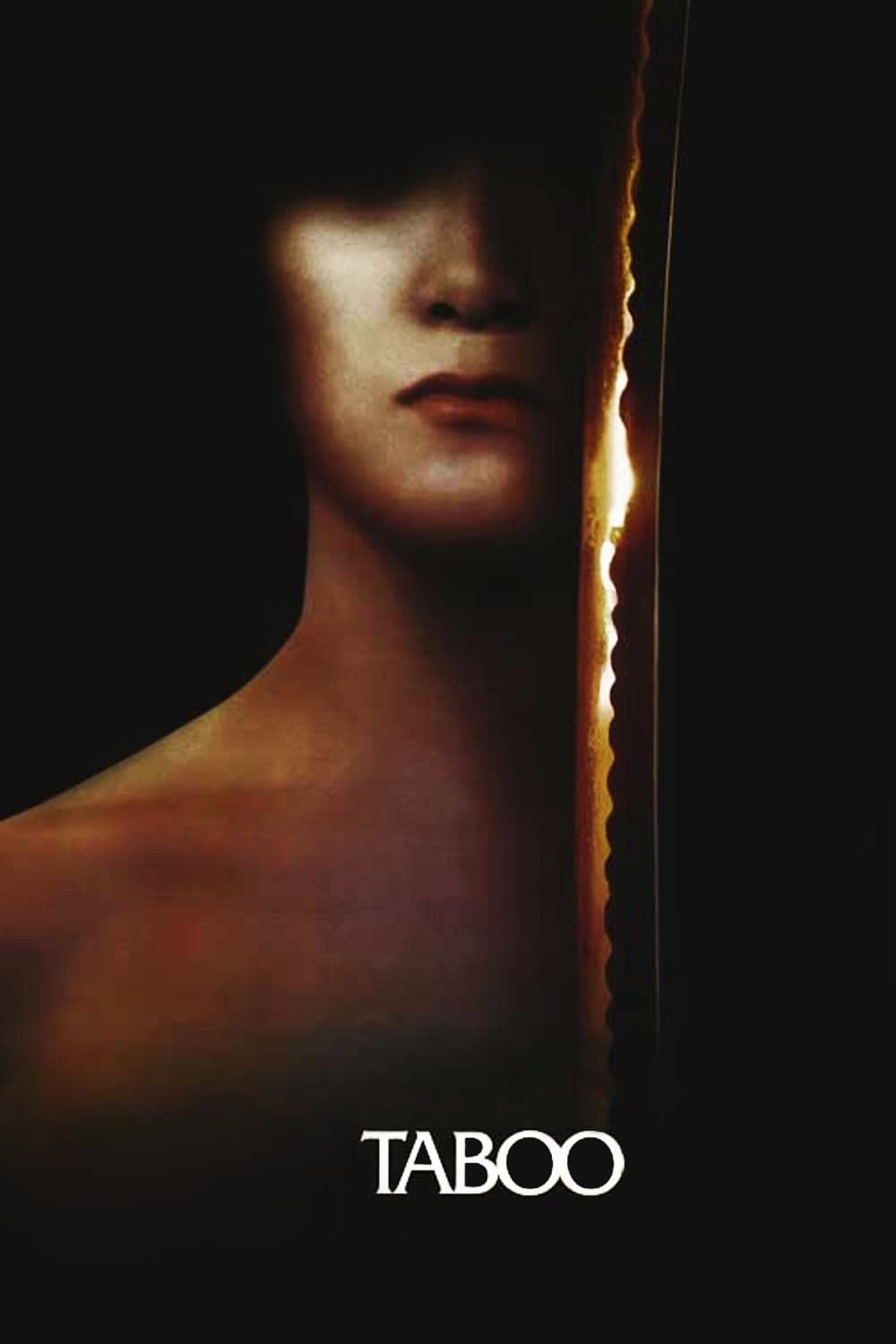
Taboo
, also known as Taboo, is a 1999 Japanese film directed by Nagisa Ōshima. Its subject is homosexuality in the Shinsengumi during the bakumatsu period, the end of the samurai era in the mid-19th century.
The production was Õshima's final film before his death, thirteen years after Gohatto's premiere.
Boston marriage
the cohabitation of two women, independent of financial support from a man
Uranian
homosexual men

köçek
thumb|200px|right|Köçek in Ottoman miniature.
The '''' (plural ) was typically a young, male, and physically attractive enslaved dancer (rakkas''), who usually cross-dressed in feminine attire, and was employed as an entertainer.
Cleveland Street scandal
Discovery in 1889 of male brothel in London
molly house
historical meeting place for homosexual men either as a brothel or social club
koekchuch
Koekchuch is an extinct gender identity recorded among the Itelmens of Siberia. These were male assigned at birth individuals who behaved as women did, and were recorded in the late 18th century and early 19th century.
Labouchère Amendment
1885 law in the UK
takatāpui
' (also spelled '; ) is a Māori term that is used in a similar way to LGBT. When speaking Māori, LGBT people of any culture are referred to as . In English, a person is a Māori individual who is gay, lesbian, bisexual, Intersex () and/or transgender.

Jennie June
American autobiographer
Order of Chaeronea
secret society for homosexuals

Criminal Law Amendment Act 1885
United Kingdom legislation
Boulton and Park
British entertainers and cross-dressers