Category
page 1Administrative divisions of India
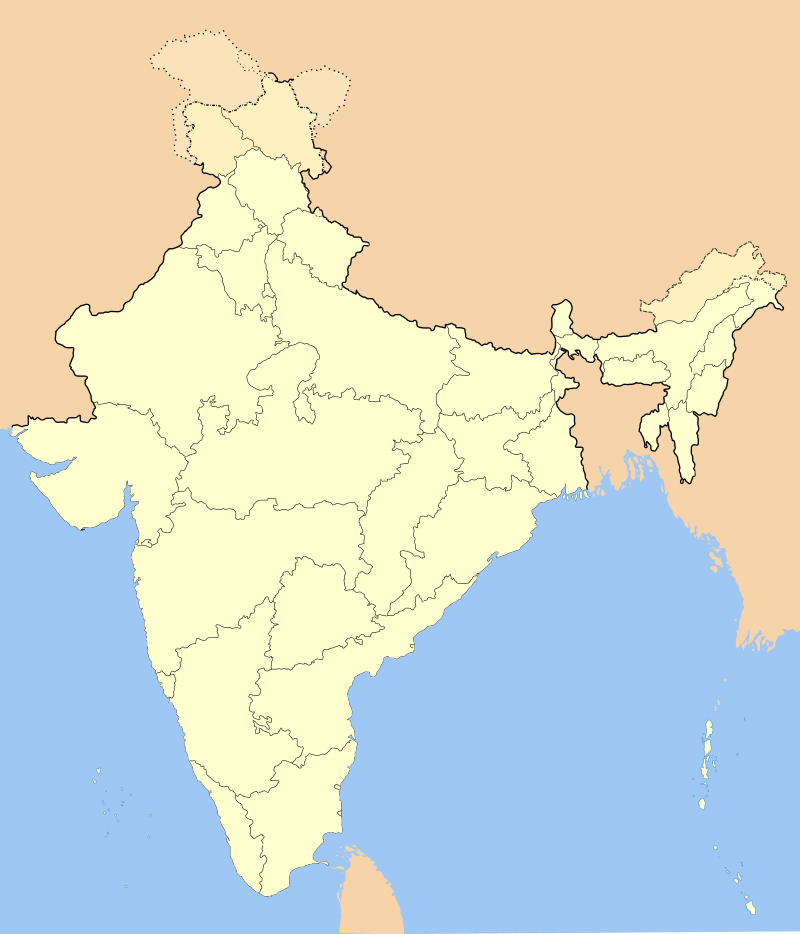
union territory of India
framework of governance in India, ruled directly by the Government of India

administrative territorial entity of India
subnational administrative units of India

Jagir
thumb|right|A Maratha Empire|Maratha Durbar showing the Chief ([[Raja) and the nobles (Sardars, Jagirdars, Istamuradars and Mankaris) of the state.]]
A jagir (, Hindustani: जागीर/جاگیر, Jāgīr, Marathi: जहागीर, Jahāgīrá) also spelled as jageer, was a type of feudal land grant in the Indian subcontinent at the foundation of its Jagirdar (Zamindar) system. It developed during the Islamic era of the Indian subcontinent, starting in the early 13th century, wherein the powers to govern and collect tax from an estate was granted to an appointee of the state. The tenants were considered to be in the s
Pargana
Pargana or parganah, also spelt pergunnah, equivalent to Mahal as a subunit of Subah (Suba), was a type of former administrative division in the Indian subcontinent during the time of the Delhi Sultanate, Mughal and British Colonial empires. Mughal Empire was divided into Subah (Suba) or province headed by a Subahdar, which were further subdivided into sarkars or tarafs, which in turn were further subdivided into groups of villages known as parganas or Mahallas (Mahal). Depending on the size, the parganas may or may not be further subdivided into pirs or mouzas which were the smallest revenue
autonomous administrative division of India
autonomous councils
subdivision of India
fourth-level administrative division of India, below the state or territory level and the district level, but above the subdistrict level
block
administrative division of some South Asian countries
list of divisions of India
Wikimedia list article
Hobli
A hobli, nad or mágani is a cluster of adjoining villages administered together for tax and land tenure purposes in the states of Karnataka India. This clustering of villages was formed mainly to streamline the collection of taxes and maintenance of land records by the revenue department of the state. Each hobli consists of several villages and several hoblis together form a taluk. Hobli are further subdivided into revenue-circles or revenue blocks known as firka or phut mágani.