Category
page 1American styles of music

jazz
Jazz is a music genre that originated in the African-American communities of New Orleans, Louisiana, in the late 19th and early 20th centuries. Its roots are in blues, ragtime, European harmony, African rhythmic rituals, spirituals, hymns, marches, vaudeville song, and dance music. Since the 1920s Jazz Age, it has been recognized as a major form of musical expression in traditional and popular music. Jazz is characterized by swing and blue notes, complex chords, call and response vocals, polyrhythms and improvisation.

rock music
popular music genre

blues
Blues is a music genre and musical form that originated among African Americans in the Deep South of the United States around the 1860s. Blues has incorporated spirituals, work songs, field hollers, shouts, chants, and rhymed simple narrative ballads from the African-American culture. The blues form is ubiquitous in jazz, rhythm and blues, and rock and roll, and is characterized by the call-and-response pattern, the blues scale, and specific chord progressions, of which the twelve-bar blues is the most common. Blue notes (or "worried notes"), usually thirds, fifths or sevenths flattened in pit
.jpg)
hip-hop
Hip-hop (also known as rap music or simply rap) is a genre of popular music that emerged in the early 1970s alongside an associated subculture in New York City. The musical style is characterized by the synthesis of a wide range of techniques, but rapping is frequent enough that it has become a defining characteristic. Other key markers of the genre are the disc jockey (DJ), turntablism, scratching, beatboxing, and instrumental tracks. Cultural interchange has always been central to the hip-hop genre; it simultaneously borrows from its social environment while commenting on it.
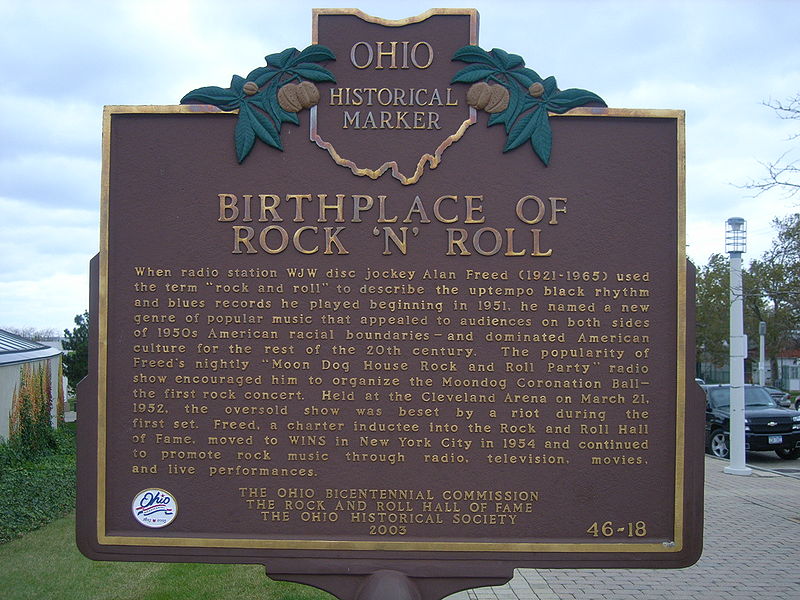
rock and roll
genre of popular music, early subgenre of rock music

heavy metal music
genre of rock music characterized by slack-tuned instruments, and unconventional changes of tonality (key) and time signature (metre)

country music
genre of American popular music

rhythm and blues
genre of popular music that originated within African-American communities in the 1940s

soul
genre of popular music

disco
Disco is a genre of dance music and a subculture that emerged in the late 1960s from the United States' urban nightlife scene, particularly in African-American, Italian-American, Latino and queer communities. Its sound is typified by four-on-the-floor beats, syncopated basslines, string sections, brass and horns, electric pianos, synthesizers, and electric rhythm guitars.

funk
Funk is a music genre that originated in African-American communities in the mid-1960s when musicians created a rhythmic, danceable new form of music through a mixture of various music genres that were popular among African-Americans in the mid-20th century. It deemphasizes melody and chord progressions and focuses on a strong rhythmic groove of a bassline played by an electric bassist and a drum part played by a percussionist, often at slower tempos than other popular music. Funk typically consists of a complex percussive groove with rhythm instruments playing interlocking grooves that create

thrash metal
subgenre of heavy metal

grunge
Grunge (originally known as the Seattle Sound) is an alternative rock genre and subculture that emerged during the in the U.S. state of Washington, particularly in Seattle and Olympia, and other nearby cities. Grunge fuses elements of punk rock and heavy metal, and features the distorted electric guitar sound used in both genres, as well as bass guitar, drums, and vocals. Grunge also incorporates influences from indie rock bands such as Sonic Youth, Pixies, and Dinosaur Jr. Lyrics are typically angst-filled and introspective, often addressing themes such as social alienation, self-doubt, abuse

alternative rock
subgenre of rock music

house music
electronic dance music genre, that originated in Chicago, United States, in the early 1980s
nu metal
musical subgenre of alternative metal

techno
Techno is a genre of electronic music which is generally produced for use in a continuous DJ set, with tempos being in the range from 120 to 150 beats per minute (bpm). The central rhythm is typically in common time (Time signature|) and often characterized by a repetitive four on the floor beat. Artists may use electronic instruments such as drum machines, sequencers, and synthesizers, as well as digital audio workstations. Drum machines from the 1980s such as Roland's Roland TR-808 and Roland TR-909 are highly prized, and software emulations of such retro instruments are popular in this styl
progressive rock
genre of rock music

emo
Emo ( ) is a genre of rock music that combines musical characteristics of hardcore punk with emotional, often confessional lyrics. It emerged as a style of hardcore punk and from the Washington, D.C., hardcore scene, where it was known as emotional hardcore or emocore. The bands Rites of Spring and Embrace, among others, pioneered the genre. In the late 1980s, Maryland bands Moss Icon and the Hated adopted and reinvented this sound, putting less influence on its punk roots. In the early-to-mid 1990s, their influence led emo to be adopted by alternative rock, indie rock, and pop-punk bands, inc

pop rock
music genre

new wave
music genre that encompasses pop-oriented styles from the late 1970s through the 1980s

blues rock
music genre combining elements of blues and rock

progressive metal
genre of heavy metal music

swing
style of jazz or musical genre based on the rhythmic pulse of music composed of pairs of eighth notes with a longer initial note and a shorter second note
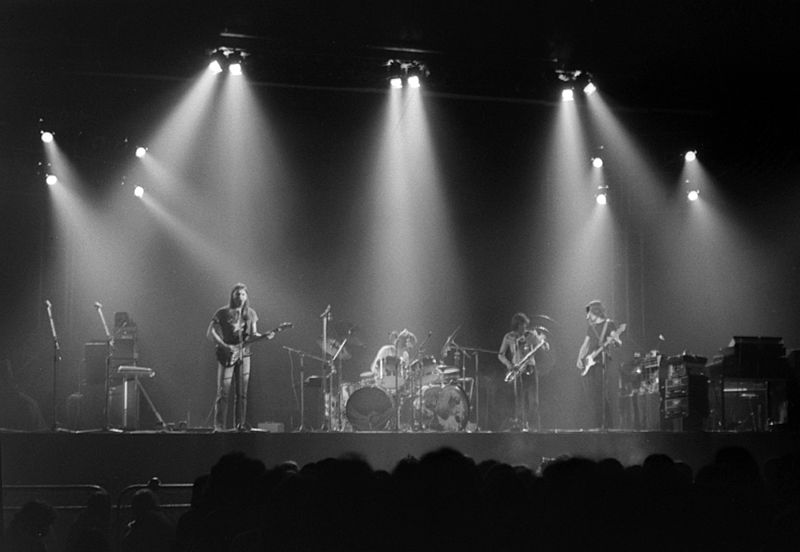
art rock
subgenre of rock music

rockabilly
Rockabilly is one of the earliest styles of rock and roll music. It dates back to the early 1950s in the United States, especially the South. As a genre, it blends the sound of Western musical styles such as country with that of rhythm and blues, leading to what is considered "classic" rock and roll. Some have also described it as a blend of bluegrass with rock and roll. The term "rockabilly" itself is a portmanteau of "rock" (from "rock 'n' roll") and "hillbilly", the latter a reference to the country music (often called "hillbilly music" in the 1940s and 1950s) that contributed strongly to t

groove metal
subgenre of heavy metal

garage rock
subgenre of rock and roll music

pop-punk
Pop-punk (also punk pop, alternatively spelled without the hyphen) is a rock music genre that combines elements of punk rock and pop. It is defined by its fast-paced, energetic tempos, and emphasis on classic pop songcraft, as well as adolescent and anti-suburbia themes. It is distinguished from other punk-variant genres by drawing more heavily from 1960s bands such as the Beatles, the Kinks, and the Beach Boys. The genre has evolved throughout its history, absorbing elements from new wave, college rock, ska, hip hop, emo, boy band pop and even hardcore punk and metalcore. It is sometimes cons
trap music
subgenre of hip-hop
contemporary R&B
popular music genre that combines rhythm and blues with elements of pop, soul, funk, hip-hop, and electronic music

industrial music
music genre

noise rock
experimental rock music mixed with noise

post-hardcore
Post-hardcore is a punk rock music genre that maintains the aggression and intensity of hardcore punk but emphasizes a greater degree of creative expression. Like the term "post-punk", the term "post-hardcore" has been applied to a broad constellation of groups. Initially taking inspiration from post-punk and noise rock, post-hardcore began in the 1980s with bands like Hüsker Dü and Minutemen. The genre expanded in the 1980s and 1990s with releases by bands from cities which had established hardcore scenes, such as Fugazi from Washington, D.C. as well as groups such as Big Black, Jawbox, Quick

soft rock
music genre derived from popular and rock music

deathcore
Deathcore is an extreme metal subgenre that combines death metal with metalcore. The genre consists of death metal guitar riffs, blast beats, and metalcore breakdowns. While there are some precursors to the concept of death metal fused with metalcore and hardcore elements seen in the 1990s, deathcore as a distinct genre emerged in the early 2000s and gained prominence beginning in the mid-2000s.

lo-fi music
music aesthetic

vaporwave
riot grrrl
underground feminist punk rock movement; music genre

boogie-woogie
Boogie-woogie also known as boogie is a genre of blues music that became popular during the late 1920s, but already developed in African-American communities since the 1870s. It was eventually extended from piano to piano duo and trio, guitar, big band, country and western, and gospel. While standard blues traditionally expresses a variety of emotions, boogie-woogie is mainly dance music (although not usually played for the competitive dance known as boogie-woogie, a term of convenience in that sport). The genre had a significant influence on rhythm and blues and rock and roll.
rap metal
cross-genre fusing vocal and instrumental elements of hip-hop with various forms of metal

post-metal
Post-metal is a music genre rooted in heavy metal but exploring approaches beyond metal conventions. It emerged in the 1990s with bands such as Neurosis and Godflesh, who transformed metal texture through experimental composition. In a way similar to the predecessor genres post-rock and post-hardcore, post-metal offsets the darkness and intensity of extreme metal with an emphasis on atmosphere, emotion, and even "revelation", developing an expansive but introspective sound variously imbued with elements of ambient, noise, psychedelic, progressive, and classical music, and often shoegaze and ar
power pop
music genre
baroque pop
fusion genre that combines rock music with particular elements of classical music
.jpg)
screamo
Screamo (also referred to as skramz) is a subgenre of emo that emerged in the early 1990s and emphasizes "willfully experimental dissonance and dynamics". San Diego–based bands Heroin and Antioch Arrow pioneered the genre in the early 1990s, and it was developed in the late 1990s mainly by bands from the East Coast of the United States such as Pg. 99, Orchid, Saetia, and I Hate Myself. Screamo is strongly influenced by hardcore punk and characterized by the use of screamed vocals. Lyrical themes usually include emotional pain, death, romance, and human rights. The term "screamo" has frequently
acid rock
subgenre of psychedelic rock music
industrial rock
music genre
surf music
music genre
indie folk
music genre
math rock
style of rock music
neo soul
music subgenre of soul music, back to the roots
.jpg)
proto-punk
Proto-punk (or protopunk) is music that foreshadowed the punk rock genre, particularly rock music artists during the 1960s and early-to mid 1970s. A retrospective label, the musicians involved were generally not originally associated with each other and came from a variety of backgrounds and styles; together, they anticipated many of punk's musical and thematic attributes.
Tin Pan Alley
historic name given to a collection of musicians, publishers and songwriters in Manhattan, New York City

psychobilly
Psychobilly (also known as punkabilly) is a rock music fusion genre that fuses elements of rockabilly and punk rock. It has been defined as "loud frantic rockabilly music", it has also been said that it "takes the traditional countrified rock style known as rockabilly, ramp[ing] up its speed to a sweaty pace, and combin[ing] it with punk rock and imagery lifted from horror films and late-night sci-fi schlock,... [creating a] gritty honky tonk punk rock."
skate punk
subgenre of punk rock
Hi-NRG
Hi-NRG (pronounced "high energy") is a genre of uptempo disco or electronic dance music that originated during the late 1970s and early 1980s.
jangle pop
music genre
dance-punk
heartland rock
rock music genre
college rock
music genre