Category
page 1Amphibians of Asia
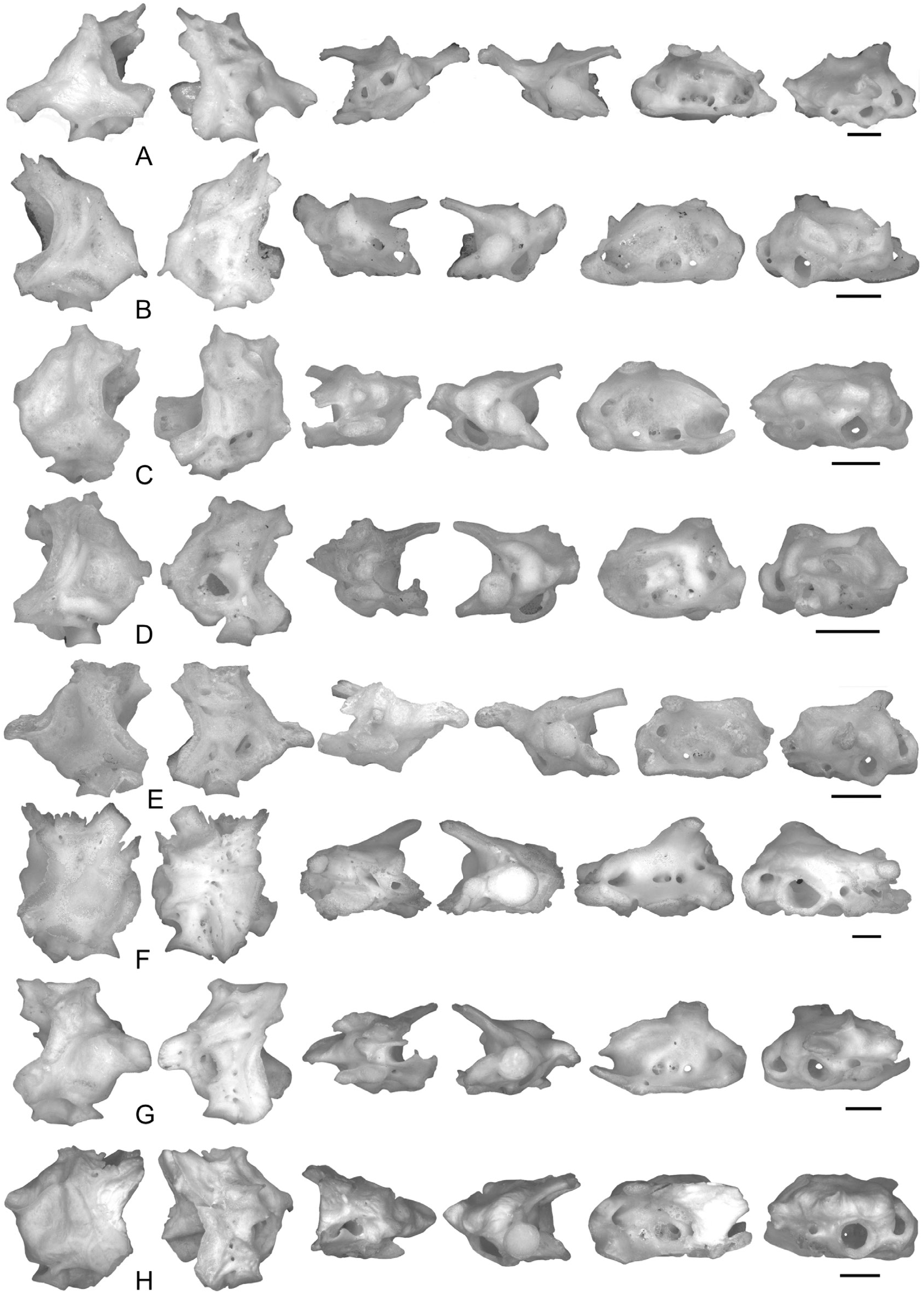
Triturus
Triturus is a genus of newts comprising the crested and the marbled newts, which are found from Great Britain through most of continental Europe to westernmost Siberia, Anatolia, and the Caspian Sea region. Their English names refer to their appearance: marbled newts have a green–black colour pattern, while the males of crested newts, which are dark brown with a yellow or orange underside, develop a conspicuous jagged seam on their back and tail during their breeding phase.
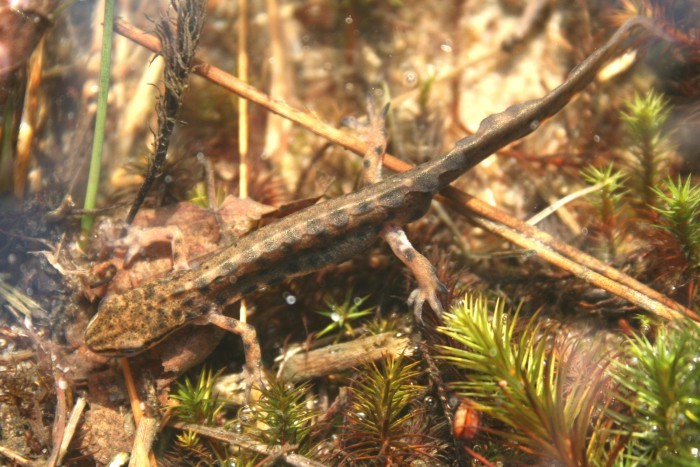
Lissotriton vulgaris
species of amphibian

Rana arvalis
species of amphibian

Pelobates fuscus
species of amphibian
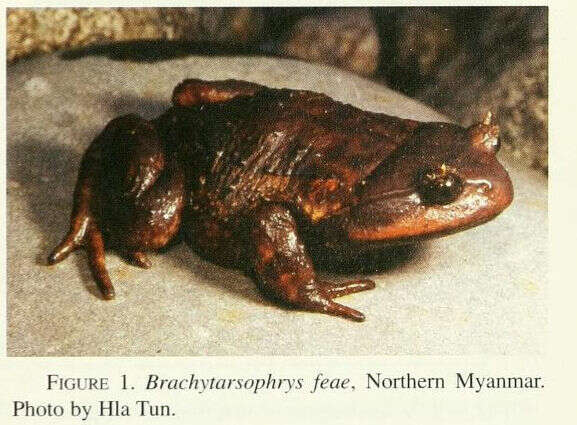
Megophryidae
Megophryidae, commonly known as goose frogs, is a large family of frogs native to the warm southeast of Asia, from the Himalayan foothills eastwards, south to Indonesia and the Greater Sunda Islands in Maritime Southeast Asia, and extending to the Philippines. Fossil remains are also known from North America. it encompasses 246 species of frogs divided between five genera. For lack of a better vernacular name, they are commonly called megophryids.
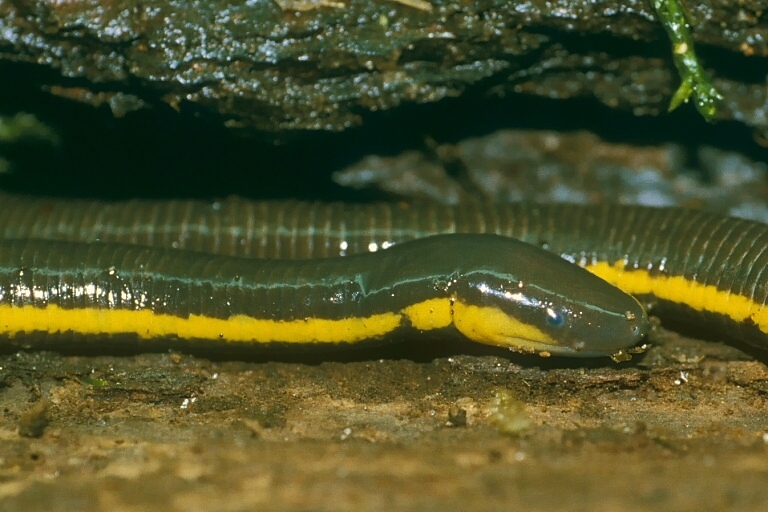
Ichthyophiidae
The vent is an important taxonomic feature for Ichthyophis identification|thumb

Pelobates syriacus
species of amphibian

Rhacophorus
Rhacophorus is a genus of frogs in the shrub-frog family Rhacophoridae, which, with the related Hylidae, is one of the two genera of true tree frogs. They are found in China, India, Japan, and throughout Southeast Asia, including the island of Borneo. Over 40 species are currently recognised.

Fire belly newts
genus of amphibians
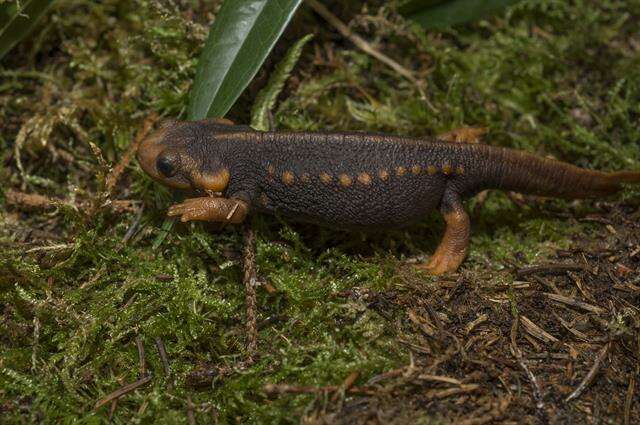
Tylototriton
Tylototriton is a genus of newts commonly known as crocodile newts or knobby newts. About 38 known species are in this genus, with many species having been described recently. They range from northeastern India and Nepal through Burma to northern Thailand, Laos, Vietnam, and southern China.
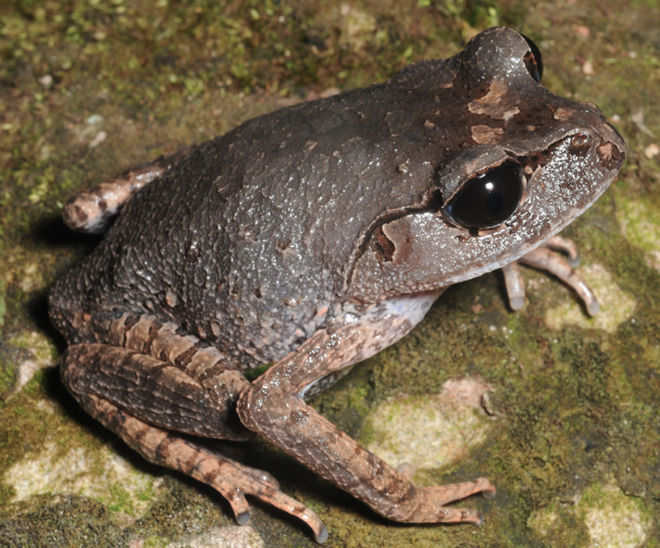
Leptobrachium
genus of amphibians
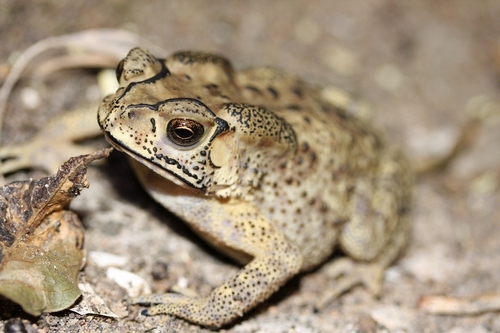
Duttaphrynus
Duttaphrynus, named after Sushil Kumar Dutta, is a genus of true toads endemic to southwestern and southern China (including Hainan), Taiwan and throughout southern Asia from northern Pakistan and Nepal through India and Bangladesh to Sri Lanka, Andaman Island, Sumatra, Java, Borneo and Bali.

Polypedates
Polypedates is a genus of frogs in the family Rhacophoridae, the shrub frogs and Paleotropic tree frogs. They belong to subfamily Rhacophorinae. Members of this genus are collectively known as whipping frogs. They occur in eastern and southern Asia.

Caucasian toad
species of amphibian
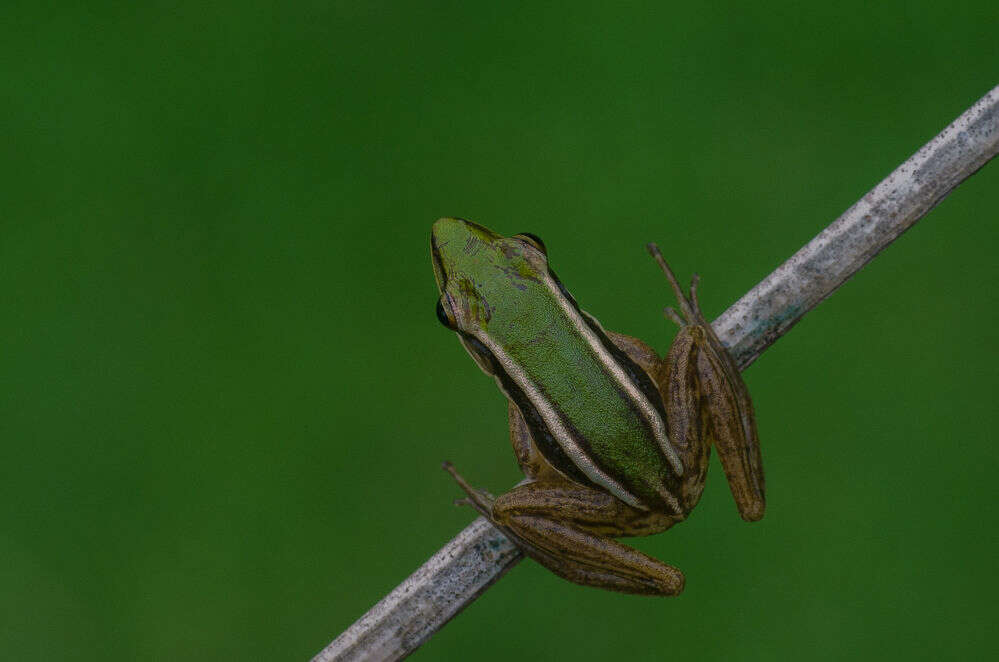
Hylarana
Hylarana, commonly known as golden-backed frogs, is a genus of true frogs found in tropical Asia. It was formerly considered highly diverse, containing around 84 to 96 valid species, but taxonomic revision resulted in a major change in the contents of the genus, recognizing just four species.
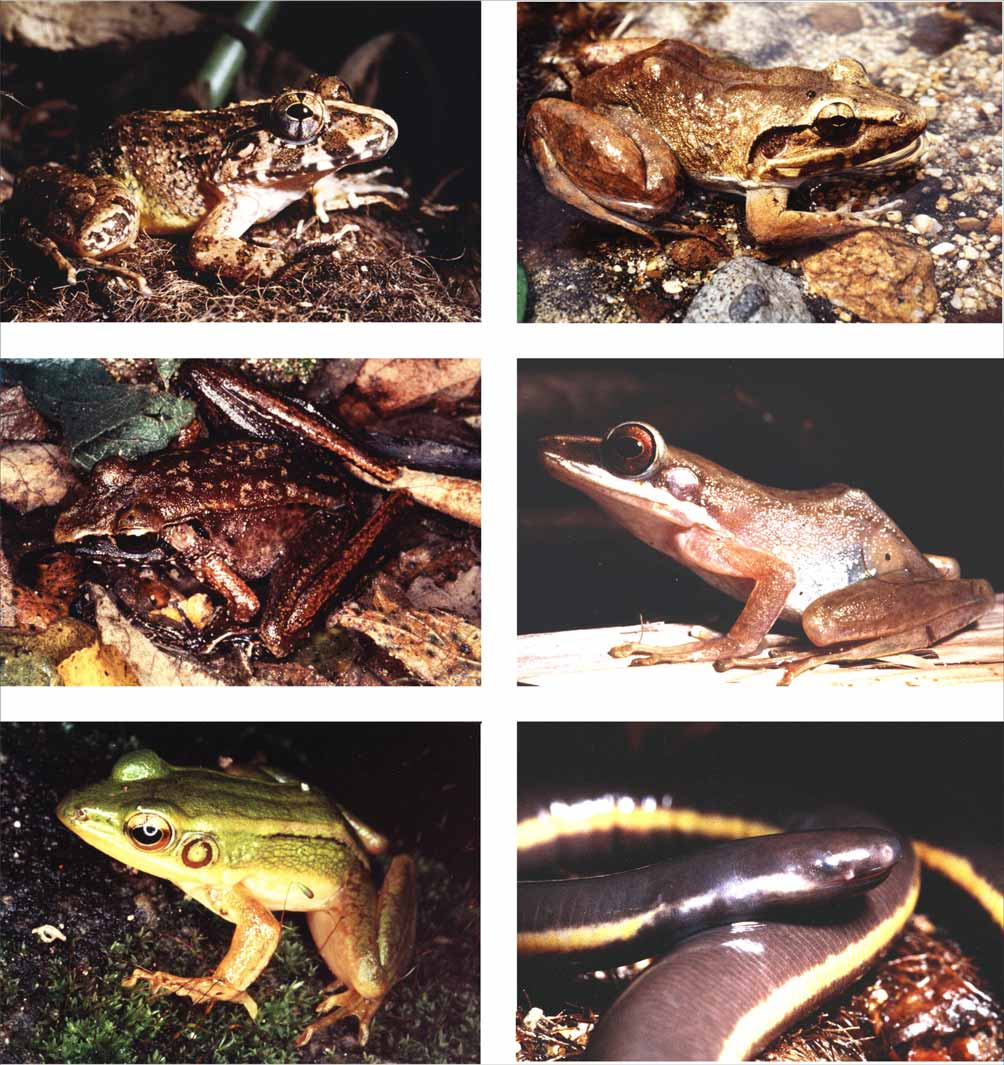
Limnonectes
Limnonectes is a genus of fork-tongued frogs of 91 known species, but new ones are still being described occasionally. They are collectively known as fanged frogs because they tend to have unusually large teeth, which are small or absent in other frogs.
Ingerophrynus
Ingerophrynus is a genus of true toads with 12 species. The genus is found in southern Yunnan and Southeast Asia; from Myanmar and Indochina to peninsular Thailand and Malaya, Sumatra, Borneo, Java, Nias Island, Sulawesi, and the Philippines. This genus was established after a major taxonomical revision of frogs in 2006.

Micrixalus
Micrixalus (commonly known as dancing frogs, tropical frogs, and torrent frogs) is a genus of frogs from that are endemic to the Western Ghats in India. They are monotypic within the family Micrixalidae. Before being raised to the family level they were classified as the subfamily Micrixalinae within Ranidae. Micrixalus frogs, such as Micrixalus saxicola, are popularly known as "dancing frogs" due to their peculiar habit of waving their feet to attract females during the breeding season. Dancing frogs are extremely vulnerable as their habitat is severely threatened.
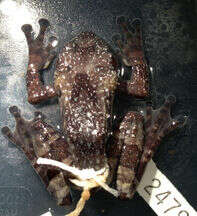
Theloderma
Theloderma, the bug-eyed frogs, mossy frogs or warty frogs, is a genus of frogs in the family Rhacophoridae, subfamily Rhacophorinae. They are found from northeastern India and southern China, through Southeast Asia, to the Greater Sunda Islands; the highest species richness is in Indochina. Some species, especially T. corticale, are sometimes kept in captivity.
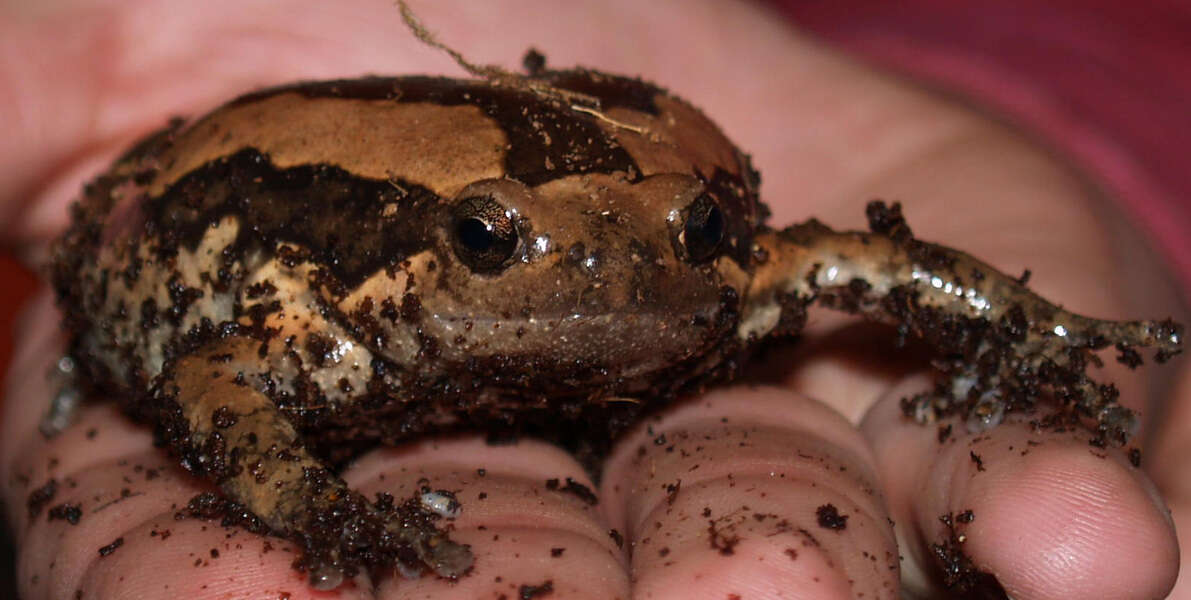
Kaloula
Kaloula is a genus of microhylid frogs found in southern and eastern Asia. They are sometimes known as the Asian narrowmouth toads.

Hoplobatrachus
Hoplobatrachus is a genus of frogs in the family Dicroglossidae. This genus is found in both sub-Saharan Africa and southern and south-eastern Asia. It is the sister taxon of Euphlyctis, although there is some evidence that it might be paraphyletic with respect to Euphlyctis. These frogs are sometimes known as the crowned bullfrogs or the tiger frogs.
Glandirana
Glandirana is a genus of true frogs (family Ranidae) found in the East Asia (eastern China, Korea, Japan, and possibly Primorsky Krai in the Russian Far East). The name means ‘glandular frog’.
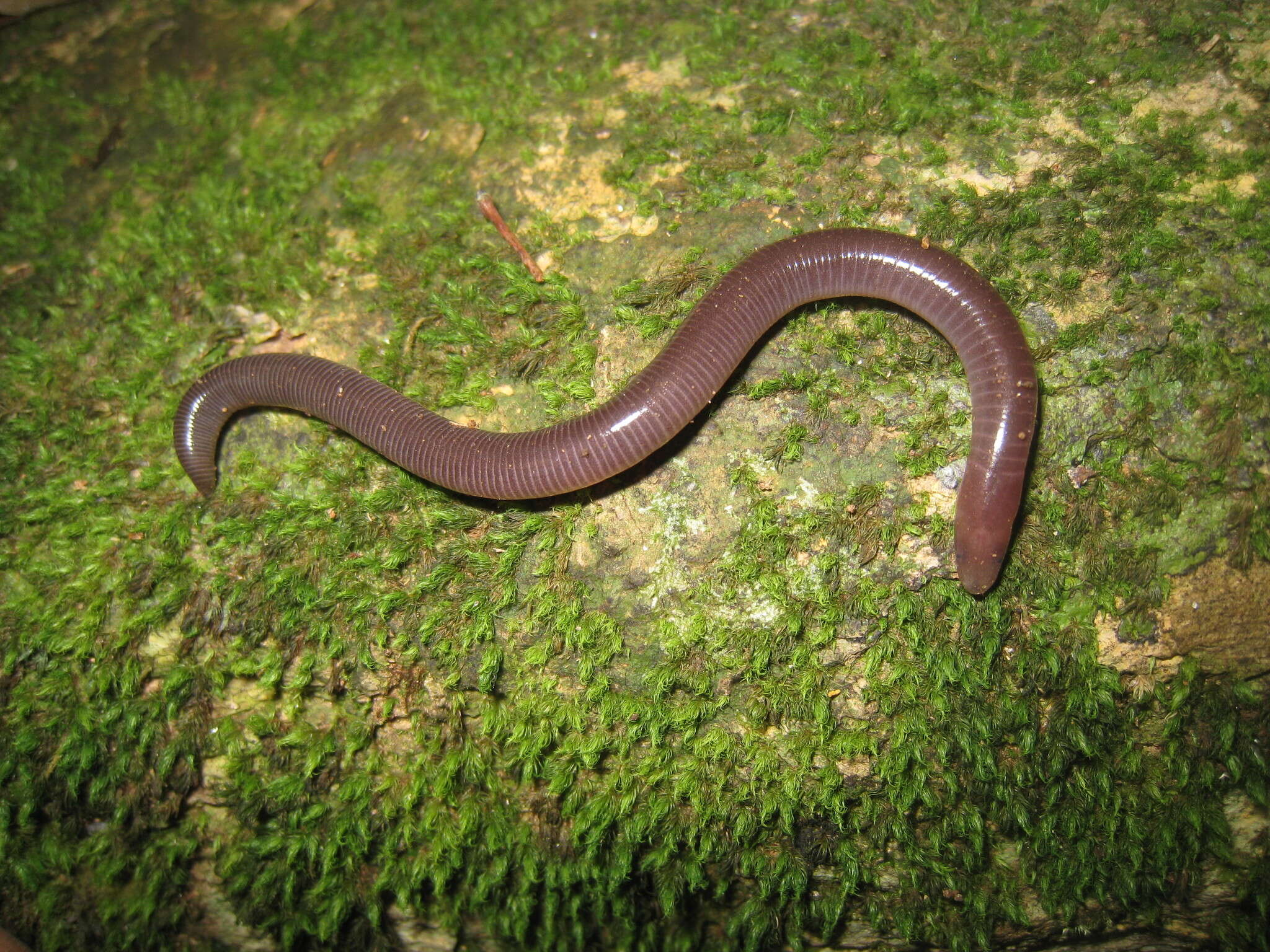
Uraeotyphlus
Uraeotyphlus is a genus of caecilians in the family Ichthyophiidae. There are seven species in this genus, all of which are endemic to the Western Ghats of southwestern India. Previously, the genus has also been placed in its own monotypic family Uraeotyphlidae.
Occidozyga
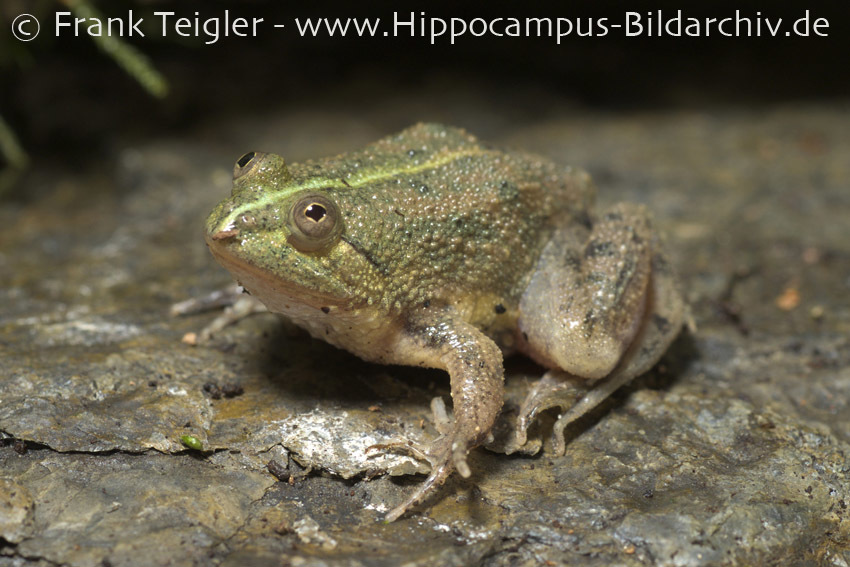
Occidozyga is a genus of frogs in the family Dicroglossidae found in southeastern Asia between eastern India, southern China, and Java. They sometimes go under the common name Java frogs or floating frogs.
Microhyla
Microhyla, commonly known as the rice frogs or narrow-mouthed frogs, is a genus of frogs in the family Microhylidae. It consists of 42 species of diminutive frogs. Members of this genus are widespread from Ryukyu Is. in Japan, and throughout South-east Asia, (China, Sumatra, Java, Bali, Borneo, India and Sri Lanka).
Platymantis
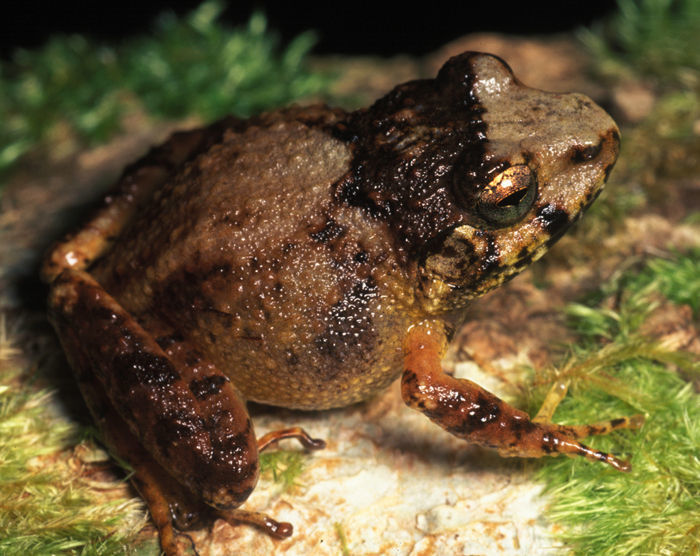
Platymantis is a genus of frogs in the family Ceratobatrachidae. They are commonly known as wrinkled ground frogs, ground frogs, and forest frogs.

Fejervarya
Fejervarya is a genus of frogs in the family Dicroglossidae found in Asia. First proposed in 1915 by István József Bolkay, a Hungarian naturalist, the genus did not see widespread adoption at first. As late as the 1990s it was generally included in Rana, but more recent studies have confirmed its distinctness.
Euphlyctis
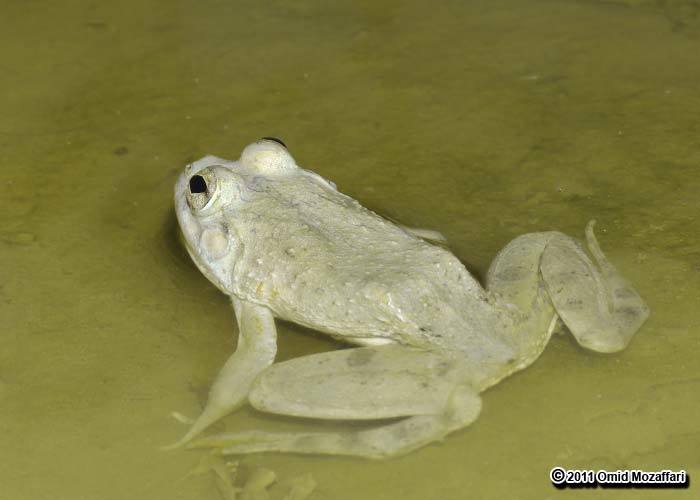
Euphlyctis is a genus of frogs in family Dicroglossidae distributed from the southwestern Arabian Peninsula, Pakistan and Afghanistan to India, Nepal, through Myanmar and Thailand to Malaya, and Sri Lanka. None of the four species assessed by the IUCN is considered threatened.

mountain salamanders
Batrachuperus is a genus of salamander in the family Hynobiidae found in western China and adjacent Myanmar. Their common name is stream salamanders or mountain salamanders. Species now in Paradactylodon were formerly part of the then paraphyletic Batrachuperus.
Megophrys
Megophrys is a genus of frogs in the family Megophryidae. They are endemic to Indonesia, where they are found on the islands of Java and Sumatra. They commonly have elongated upper "eyebrows" and are thus known as Indonesian horned toads. This group was thought to contain many more species and have a much wider distribution prior to recent taxonomic revisions.
Ichthyophis
Ichthyophis (from Ancient Greek ἰχθύς (ikhthús), meaning "fish", and ὄφις (óphis), meaning "snake", and thus, "fish snake") is a genus of caecilians found in Southeast Asia, the southern Philippines, and the western Indo-Australian Archipelago.

Clinotarsus
Clinotarsus is a genus of ranid frogs. Members of this genus are found in India and Southeast Asia.
Kurixalus
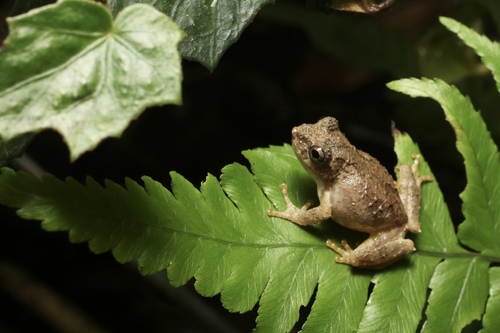
Kurixalus is a genus of frogs in the family Rhacophoridae. The taxonomy of small rhacophids is difficult and has been subject to many revisions, but molecular genetic data do support monophyly of Kurixalus. These frogs are distributed from Himalayan front ranges of eastern India southward and eastward to Cambodia, Vietnam, southern China, Taiwan, and the Ryukyu Islands.
Odorrana
Odorrana, commonly known as odorous frogs, is a genus of true frogs (Ranidae) from East Asia and surrounding regions. Many of these frogs inhabit fast-flowing mountain streams, and they typically have a remarkably pointed snout, as evidenced by common names like tip-nosed frog and scientific names like nasica or nasutus ("with a nose").

Paramesotriton
Paramesotriton, also known as warty newts or Asian warty newts, is a genus of salamanders in the family Salamandridae. The genus is found in southwestern and southern China and in northern Vietnam. Most of the species are endemic to China, and the majority of them have been described recently, since 2008. The genus includes both pond and stream dwellers.
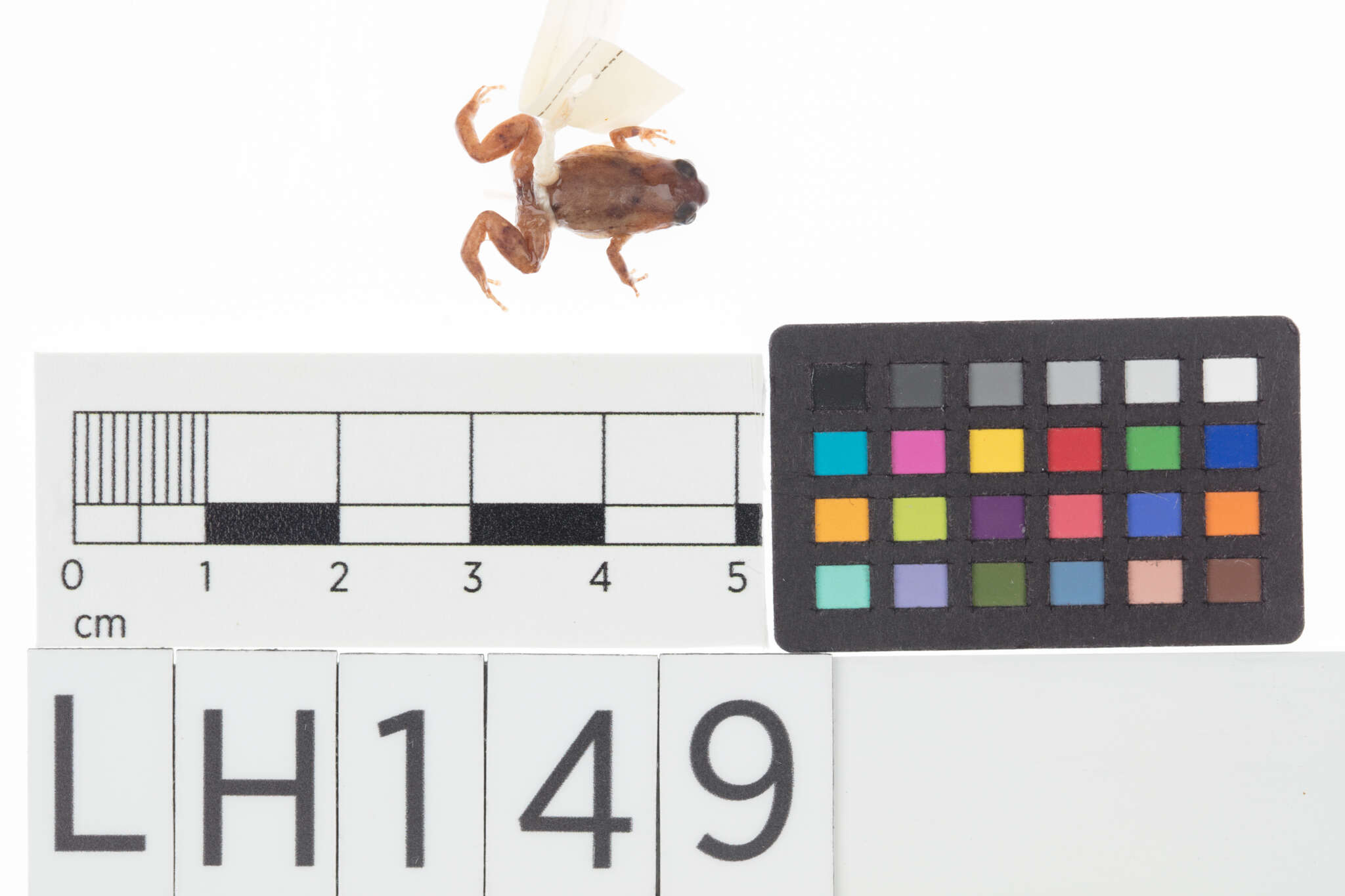
Cophixalus
Cophixalus (rainforest frogs or nursery frogs) is a genus of microhylid frogs. These are arboreal species with expanded toe-pads, endemic to Moluccan Islands, New Guinea and northeastern Queensland, Australia.
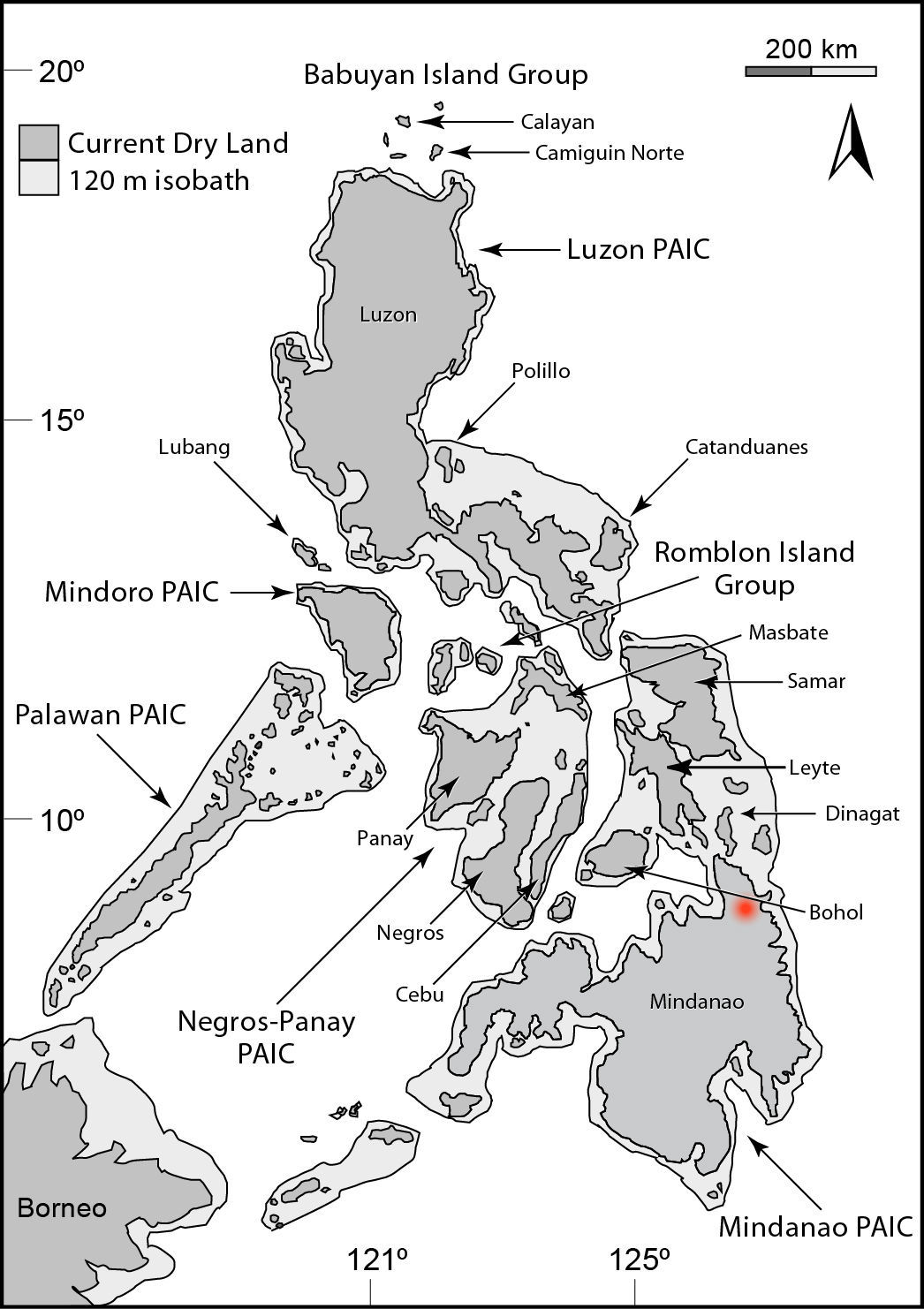
Philautus
Philautus is a genus of shrub frogs in the family Rhacophoridae from Asia. Some species in this genus are now considered extinct by IUCN, while others are widespread and abundant (such as the recently described P. abundus, which was specifically named for this fact). The taxonomy of the group is unclear, with many poorly described species.
Ophryophryne
Ophryophryne is a genus of amphibian in the family Megophryidae from Southeast Asia. They are sometimes known as mountain toads.
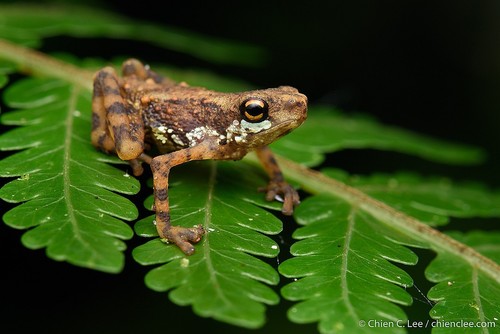
Pelophryne
Pelophryne, commonly known as flathead toads or dwarf toads, is a genus of true toads, family Bufonidae. The genus occurs in the Philippines, Borneo, Malaya including Singapore, and Hainan (China). Molecular data suggest that Pelophryne is the sister taxon of Ansonia.

Leptolalax
Leptolalax is a genus of frogs (order Anura) in the family Megophryidae. They are sometimes known as Asian toads, metacarpal-tubercled toads, or slender litter frogs, although many species-specific common names do not follow these conventions, and many species do not have common names. They are widely distributed in southeastern and eastern Asia, from southern China and northeastern India to the Malay Peninsula and Borneo. Leptolalax are typically small and have a cryptic colour pattern and no obvious morphological characters useful in systematic studies. Consequently, both molecular genetic a
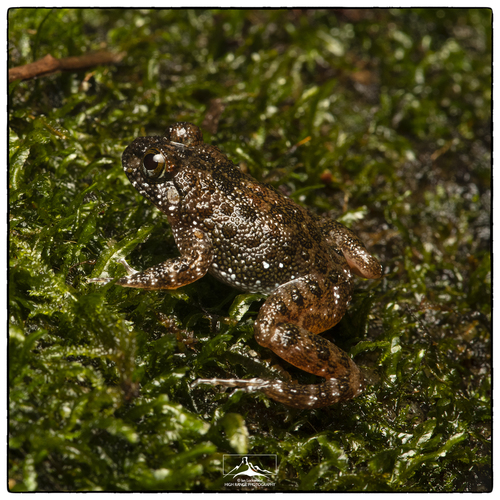
Nannophrys
Nannophrys is a genus of frogs endemic to Sri Lanka. It used to be placed in the large frog family Ranidae but a phylogenetic study was undertaken using DNA sequences and it is now included in the family Dicroglossidae. They are sometimes known under the common name streamlined frogs.
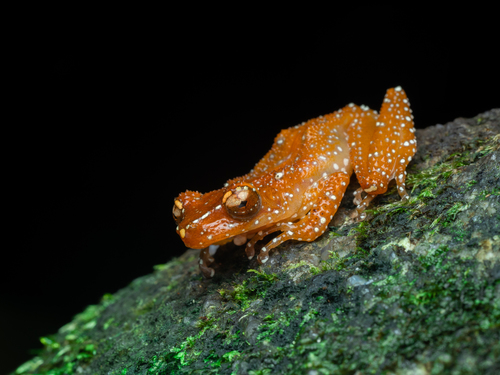
Nyctixalus
Nyctixalus is a genus of frogs in the family Rhacophoridae. The common name is Indonesian tree frogs. They can be found in the Malay Peninsula, Sumatra, Java, Borneo, the Philippines, and southern Vietnam. Nyctixalus is the sister taxon of Theloderma. It has also been considered subgenus of Theloderma, but the most recent research treat it as a distinct genus.
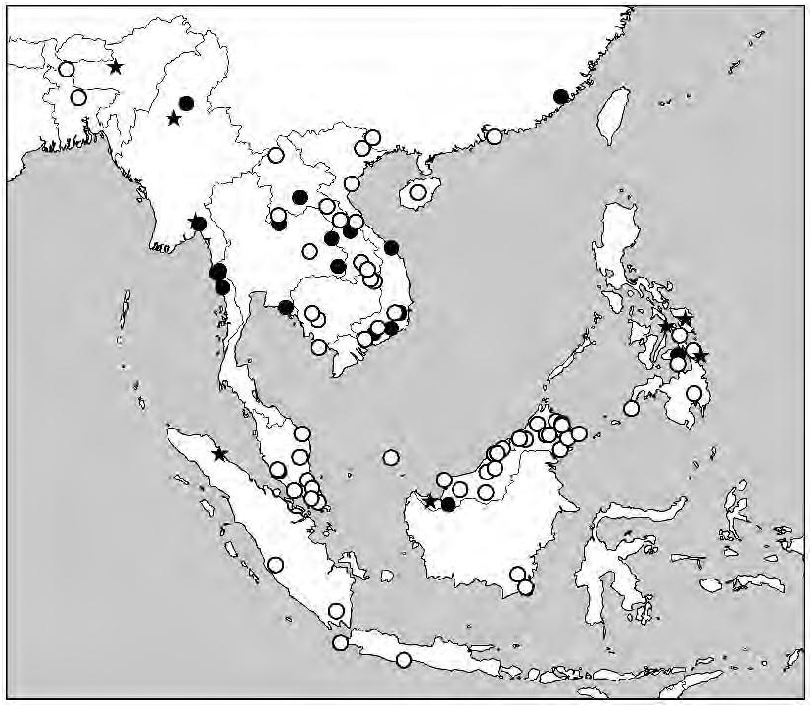
Kalophrynus
Kalophrynus is a genus of microhylid frogs. It is the only genus in the subfamily Kalophryninae. The species in this genus are found in southern China, in Southeast Asia to Java and Philippines, and in Assam, India.
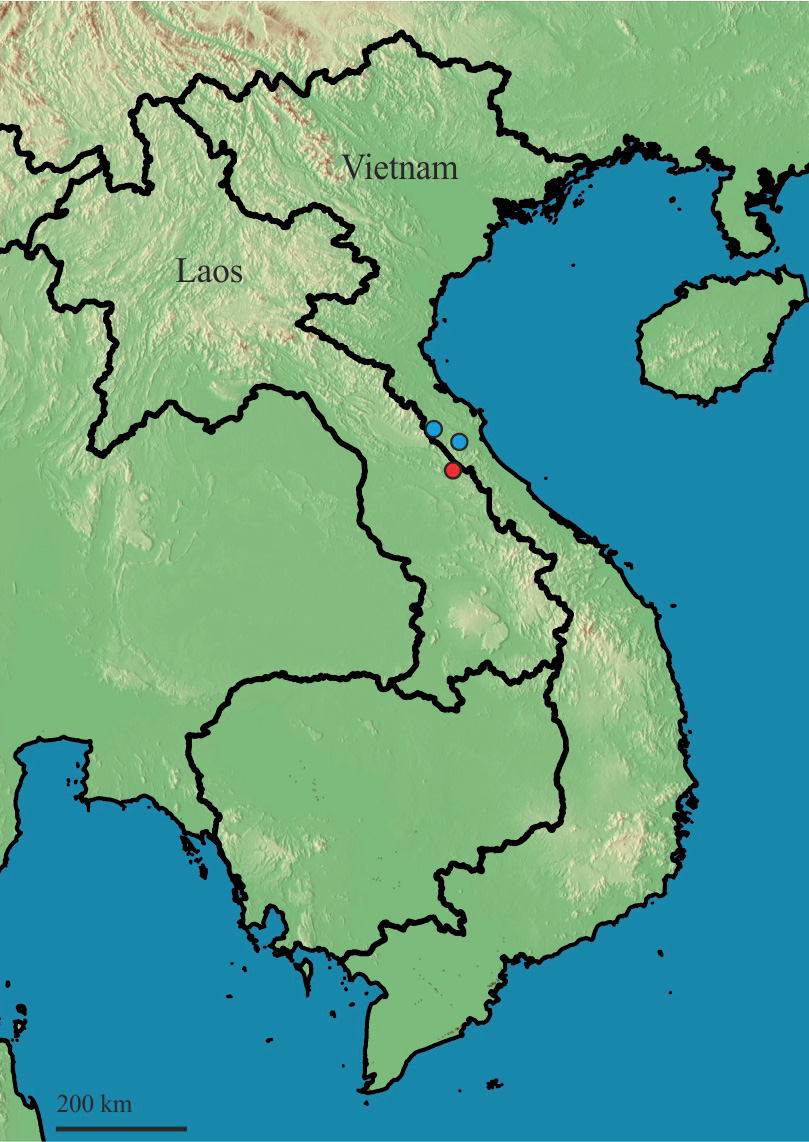
Gracixalus
Gracixalus is a genus of shrub frogs (family Rhacophoridae) from south-eastern Asia.

Raorchestes
thumb|Raorchestes flaviocularis in India
thumb|Raorchestes chalazodes from the Western Ghats.
Raorchestes is a genus of frogs in the subfamily Rhacophorinae that are found in mountainous regions of South Asia, Southeast Asia, and southern China. A recent study places Raorchestes as a sister taxon of Pseudophilautus. Before the description of the genus in 2010, species now in Raorchestes had been assigned to genera Ixalus (no longer recognized), Philautus, and Pseudophilautus.
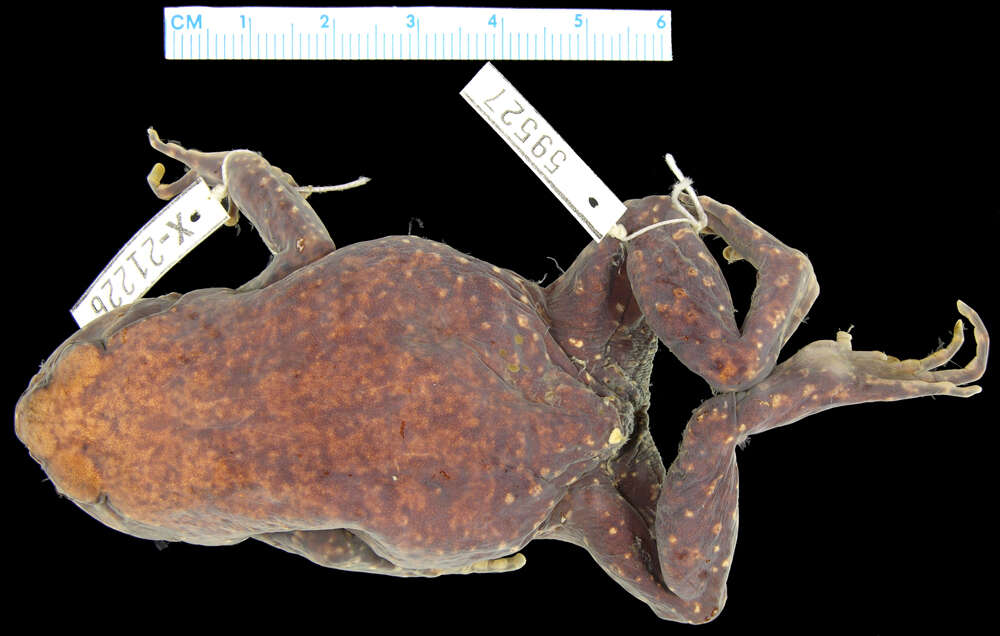
Callulops
Callulops is a genus of microhylid frogs from Sulawesi as well as the New Guinea region, from Talaud Islands and the Maluku Islands (Moluccas) in the northwest to the Louisiade Archipelago in the east.
They are medium- to large-sized terrestrial frogs inhabiting burrows on the forest floor, often under large rocks. Because their population densities can be low, and they are difficult to observe and collect owing to their lifestyle, many species are known only from few specimens.
Oreolalax
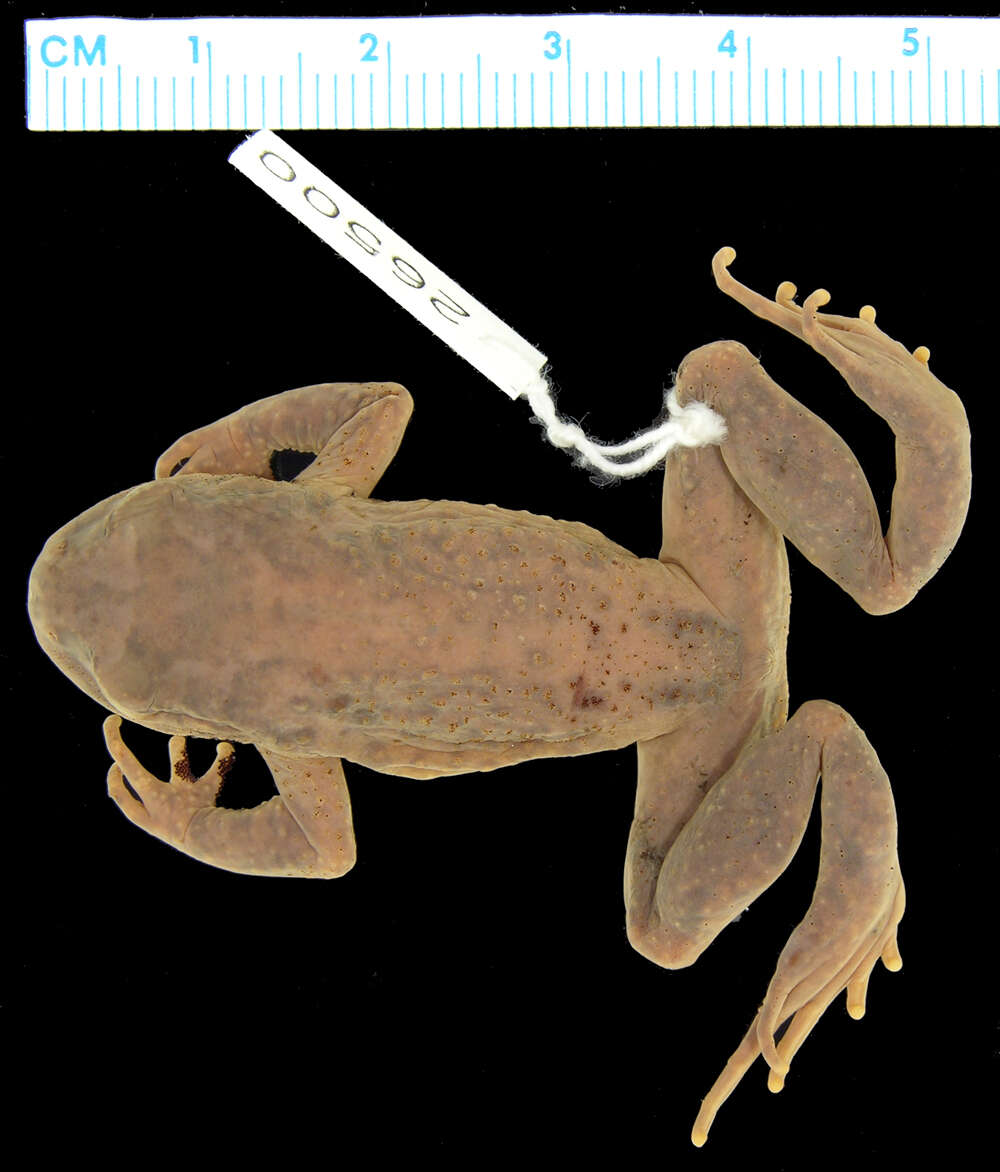
Oreolalax, commonly known as tooth toads, is a genus of frogs that belongs to the family Megophryidae. Most species are endemic to China with some species being found in Vietnam and possibly Laos.
Ommatotriton
Ommatotriton or banded newts is a genus of salamanders in the family Salamandridae. The genus occurs in Western Asia and Caucasus. The species in this genus were formerly placed in the genus Triturus.
.jpg)
Dryophytes
Dryophytes is a genus of Ameroasian tree frogs in the family Hylidae. Species of the genus are found mostly in North America, but the genus also includes five species found in eastern Asia.
Quasipaa
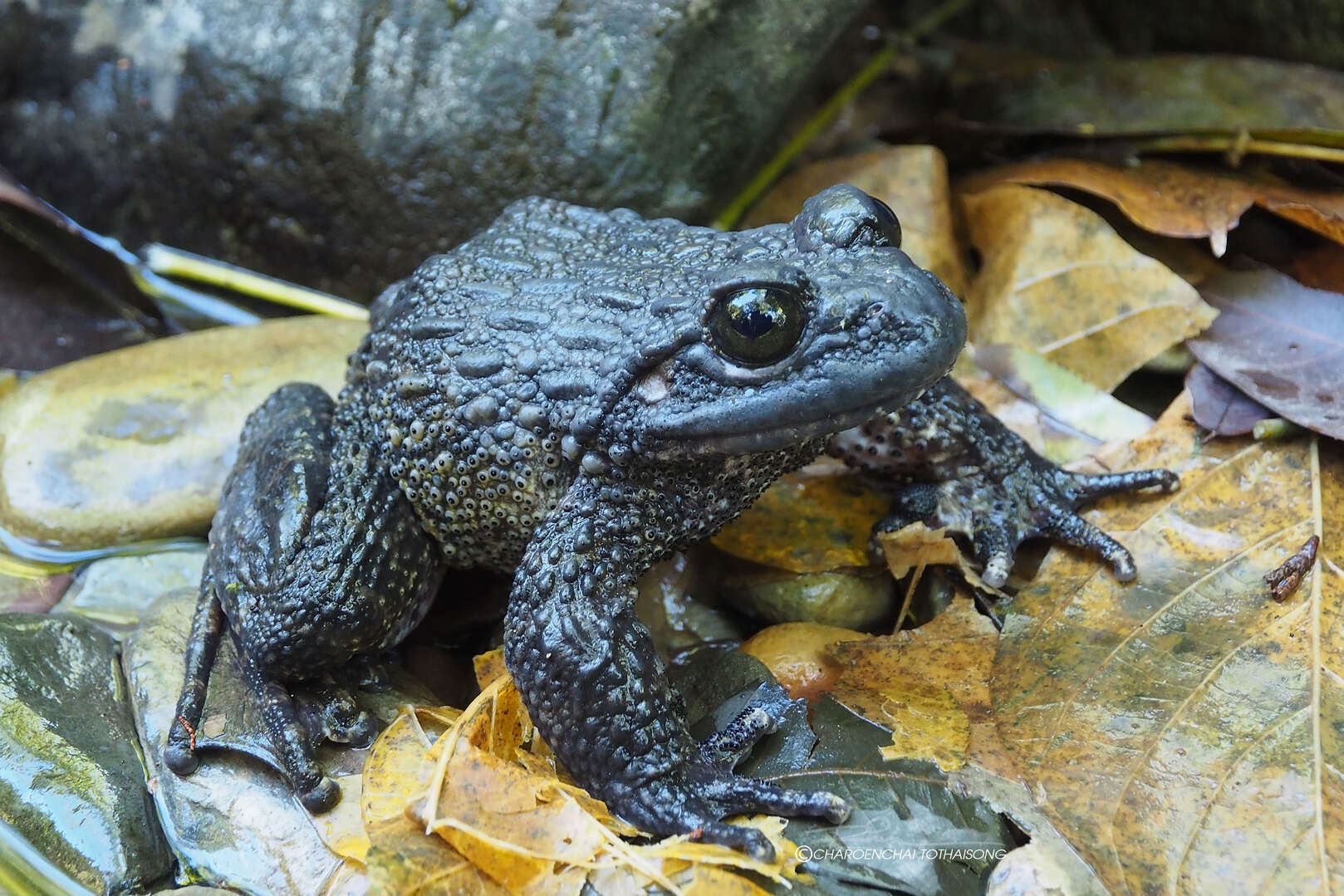
Quasipaa is a genus of frogs in the family Dicroglossidae. The genus has no established common name, but many individual species are referred to as spiny frogs. They occur in East and Southeast Asia, from Thailand and Cambodia to southern and eastern China.
Uperodon
Uperodon is a genus of microhylid frogs. They occur in South Asia (Pakistan, India, Sri Lanka, Bhutan, Nepal, and Bangladesh) and Myanmar. Uperodon reached its current composition in 2016 when the genus Ramanella was brought into its synonymy. The common names of these frogs are globular frogs and balloon frogs in reference to their stout appearance, or dot frogs, the last specifically referring to the former Ramanella.
Humerana
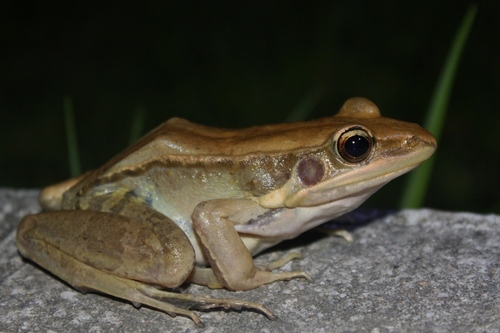
Humerana is a genus of frogs in the family Ranidae from southern and southeastern Asia. It was originally proposed as a subgenus of Rana. It may belong to Hylarana.
%20%E7%9F%AD%E8%85%B3%E8%A7%92%E8%9F%BE.jpg)
Xenophrys
Xenophrys is a genus of amphibians in the family Megophryidae. They are found in southeastern Asia (including China and northeastern India) to Borneo. Their common name is strange-horned toads.

Lyciasalamandra
Lyciasalamandra is a genus of salamanders in the family Salamandridae. They are native to southwestern coast of Turkey and nearby Aegean Islands (Greece). As of early 2018, all species in the genus are threatened. The common name Lycian salamanders has been coined for them.
Nanorana
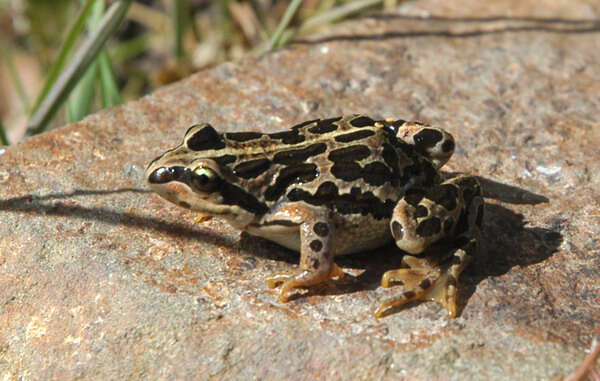
Nanorana is a genus of dicroglossid frogs. They are found in Asia, from the Himalayan region of northern Pakistan and northern India, Nepal, and western China east to montane southern China and southeast to Myanmar, Thailand, Laos, and northern Vietnam. Common names of these frogs reflect the complex taxonomic history of the genus (see below) and include Yunnan slow frogs (or simply slow frogs) and High Himalaya frogs (for the now-synonymized genus Altirana).
Sclerophrys
Sclerophrys is a genus of "true toads", family Bufonidae, native to Africa and the southern Arabian Peninsula. Originally, all of these species were classified in the genus Bufo. The genus, originally named Amietophrynus, was split due to large enough taxonomic divergence. Ohler and Dubois showed in 2016 that Sclerophrys capensis Tschudi, 1838 is the same species as Bufo regularis rangeri Hewitt, 1935, the type species of Amietophrynus. Because the former name is older, the implication is that Amietophrynus is a junior synonym of Sclerophrys.
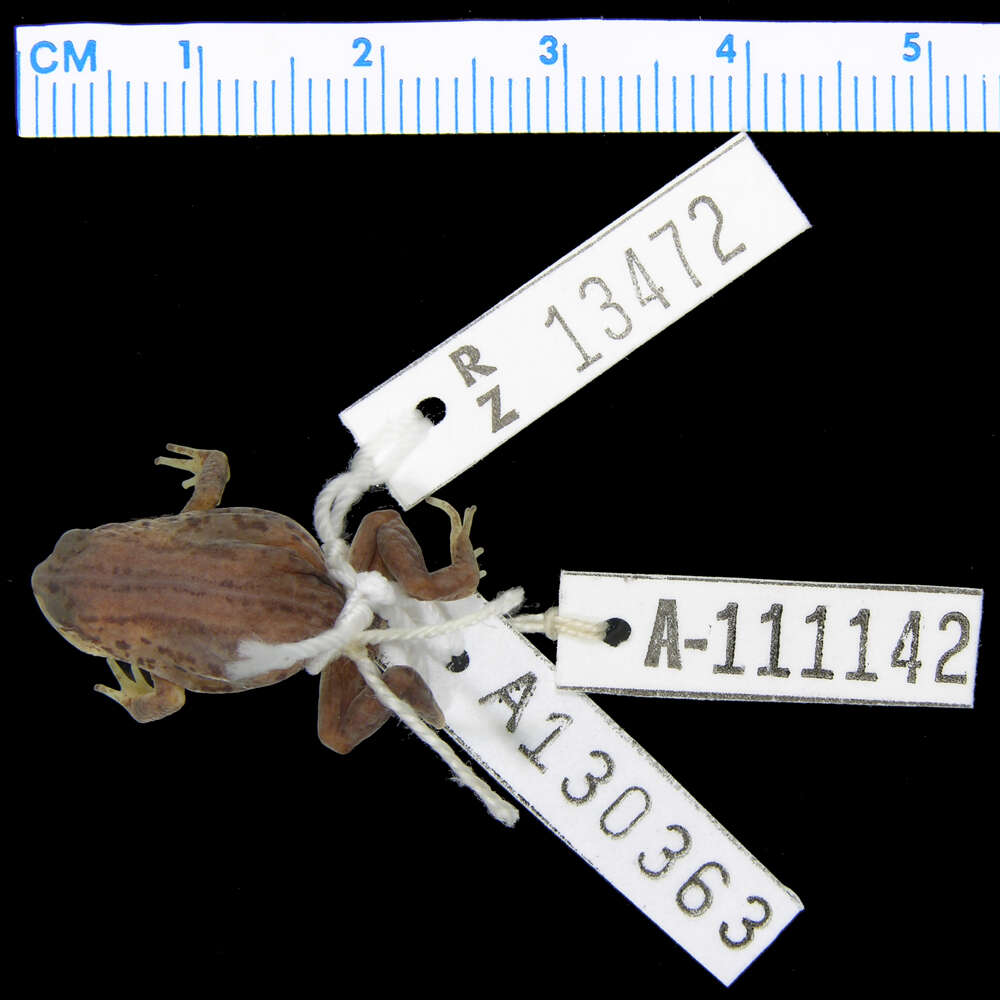
Aphantophryne
Aphantophryne is a genus of microhylid frogs found in New Guinea and in Mindanao, the Philippines. Originally described by Fry in 1917, Richard G. Zweifel considered in 1956 Aphantophryne synonymous to Cophixalus. The genus was resurrected in 1989 to house two new species in addition to the type species, A. pansa. A molecular study on the subfamily Asterophryinae in 2017 revealed that two species originally included in the genus Oreophryne were more closely related to Aphantophryne than to other Oreophryne, and were consequently moved to this genus. The study also revealed a number of undescri

Pedostibes tuberculosus
species of amphibian
Phrynoidis
Phrynoidis is a small genus of true toads of the Bufonidae family. They are found in Mainland Southeast Asia and the Greater Sundas. They are sometimes known as the rough toad or the river toad.

Pseudophilautus
Pseudophilautus is a genus of shrub frogs in the family Rhacophoridae endemic to the Western Ghats of southwestern India and to Sri Lanka where the majority of the species are found. Many of them are already extinct (marked with † in the species list). On the other, some species believed to be extinct have also been rediscovered.
thumb|right|Pseudophilautus amboli, one of the Indian species