Category
page 1Amylocorticiales

Plicaturopsis crispa
species of fungus
Anomoloma
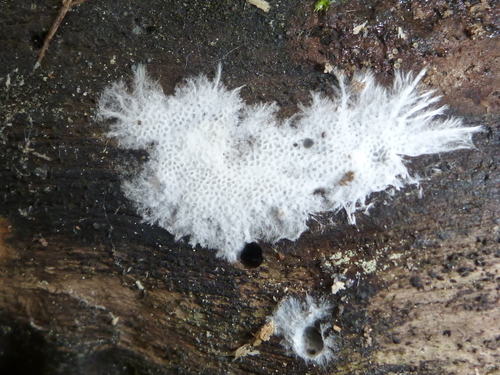
Anomoloma is a genus of crust fungi in the family Amylocorticiaceae. It was circumscribed by mycologists Tuomo Niemelä and Karl-Henrik Larsson in 2007. The generic name is derived from the Greek anomos, meaning "lawless", referring to the irregular rhizomorphic outline, and loma, meaning "margin" or "edge."

Amylocorticium
Amylocorticium is a genus of resupinate (crust-like) fungi in the Amylocorticiaceae family. The genus has a widespread distribution and contains 11 species.
Agroathelia rolfsii
pathogen fungus

Plicaturopsis
Plicaturopsis is a genus of fungi in the family Amylocorticiaceae. The genus was circumscribed by English mycologist Derek Reid in 1964. In 2023 P. scarlatina was reclassified to Phlebia making P. crispa the only described species in the genus.
Ceraceomyces
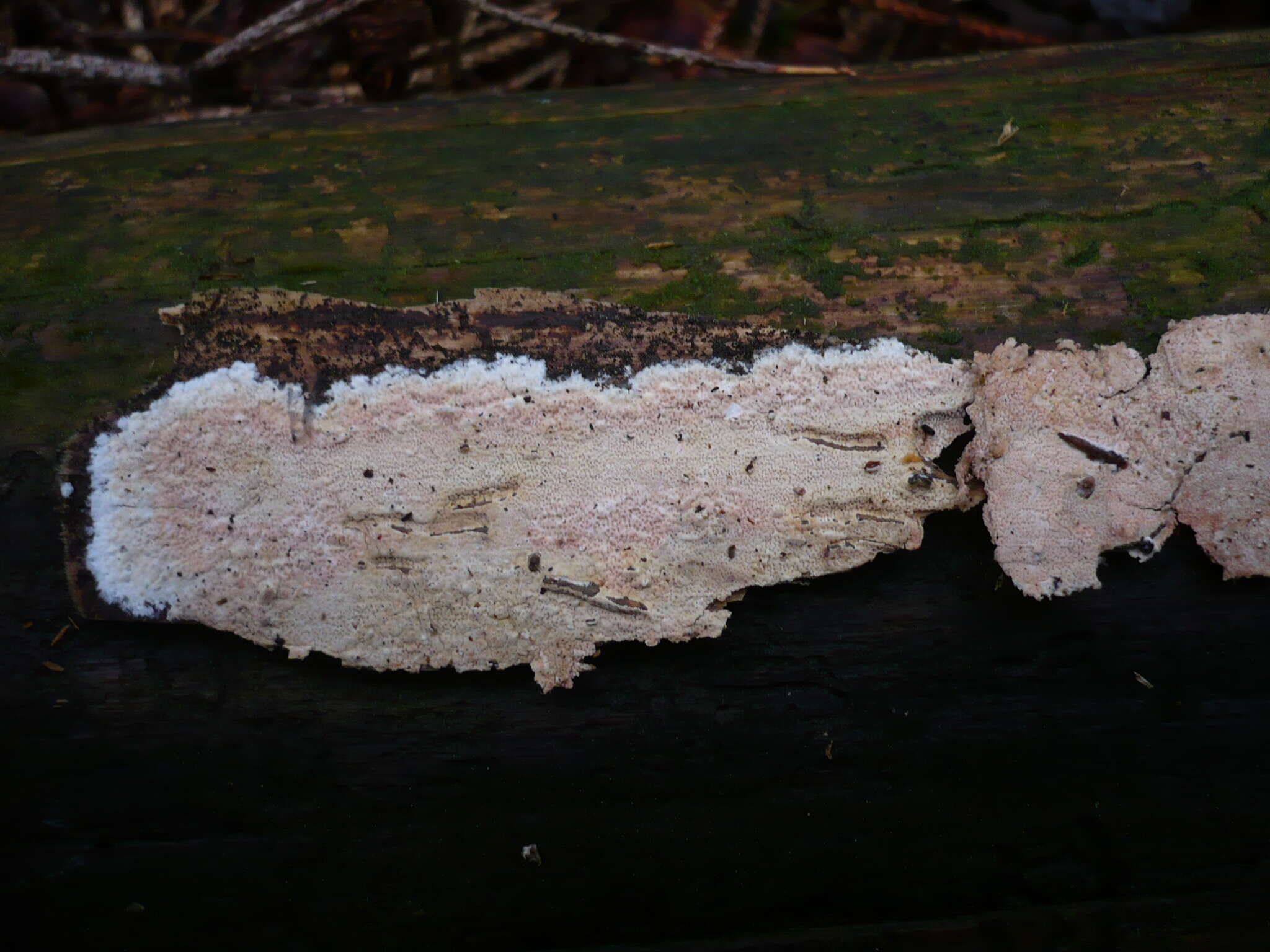
Ceraceomyces is a genus of fungi in the family Amylocorticiaceae. The genus has a widespread distribution and contains 16 species.
Anomoporia
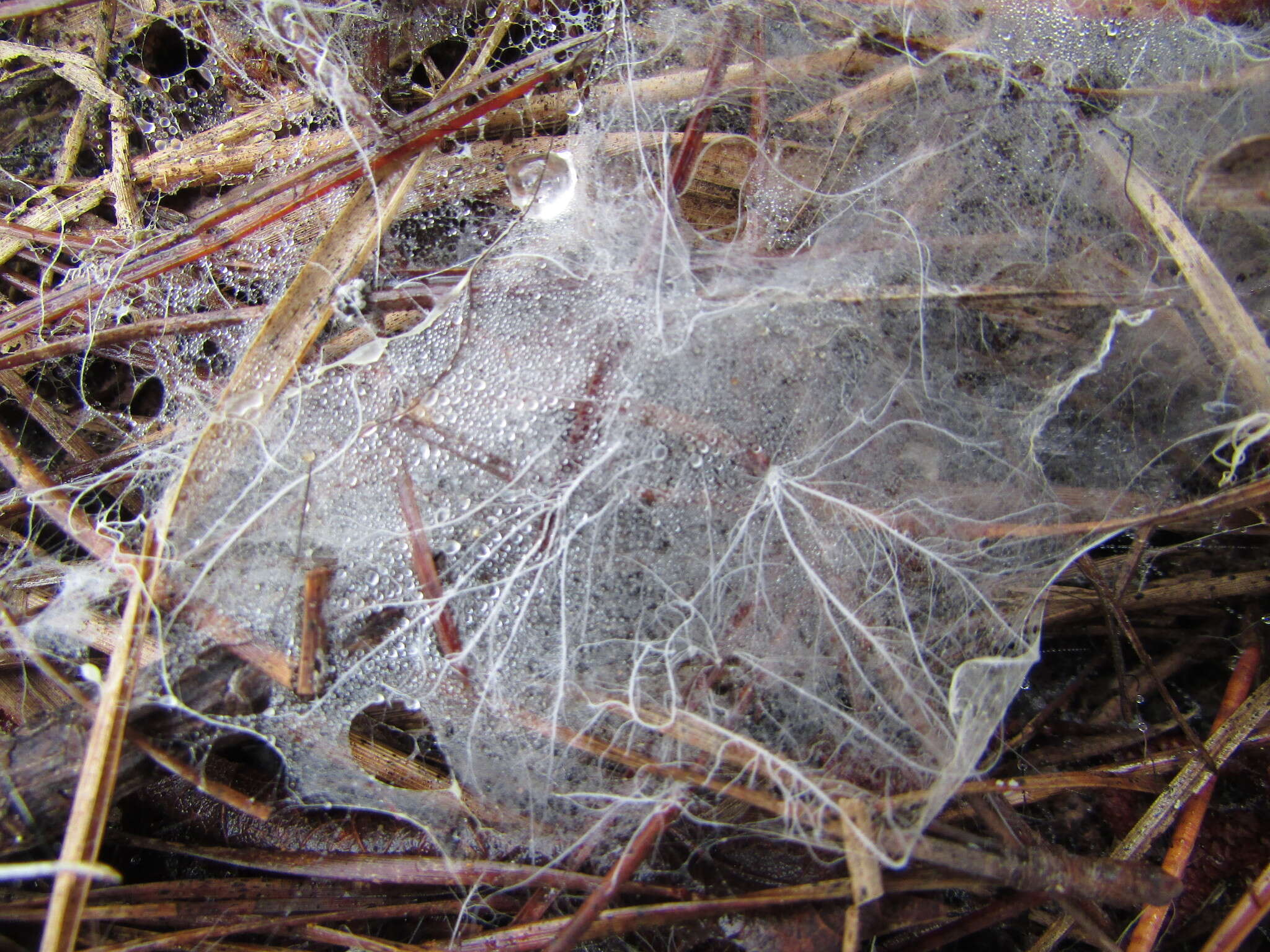
Anomoporia is a genus of fungi in the family Amylocorticiaceae. The genus was circumscribed by Czech mycologist Zdeněk Pouzar in 1966.
Amylocorticiellum
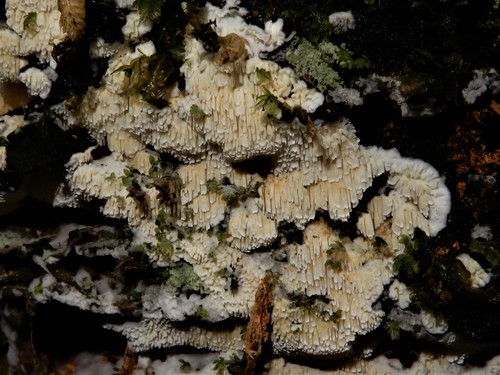
Amylocorticiellum is a genus of fungi in the family Amylocorticiaceae. The genus has a widespread distribution and contains four species.
Amylocorticiaceae
REDIRECT Amylocorticiales

Amylocorticiales
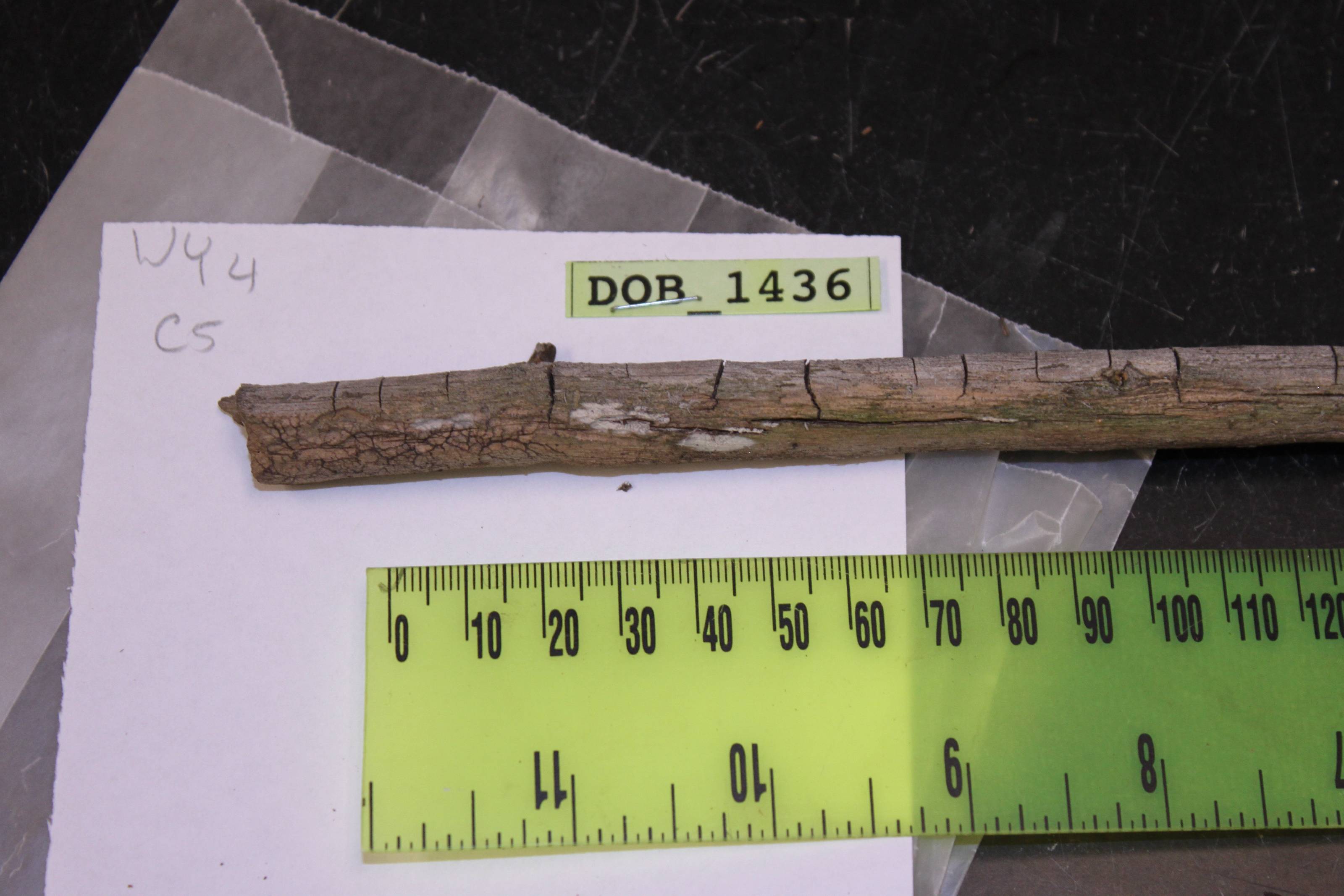
Amylocorticiales is an order of fungi in the class Agaricomycetes. The order was circumscribed in 2010 to contain mostly resupinate (crust-like) forms that have been referred to genera Anomoporia, Amyloathelia, Amylocorticiellum, Amylocorticium, Amyloxenasma, Anomoloma, Athelopsis, Ceraceomyces, Hypochniciellum, Leptosporomyces and Serpulomyces and the anomalous species, Athelia rolfsii, now classified in its own genus, Agroathelia.
Amyloxenasma
Amyloxenasma is a genus of corticioid fungi in the family Amylocorticiaceae. The widely distributed genus contains six species.
Hypochniciellum
Hypochniciellum is a genus of corticioid fungi in the family Amylocorticiaceae. Species in the genus have white to cream, resupinate fruit bodies (growing flat, like a crust). The hyphae have clamp connections. The spores are roughly elliptical, yellowish, and smooth.

Sclerotium delphinii
species of Agaricomycetes
Leptosporomyces
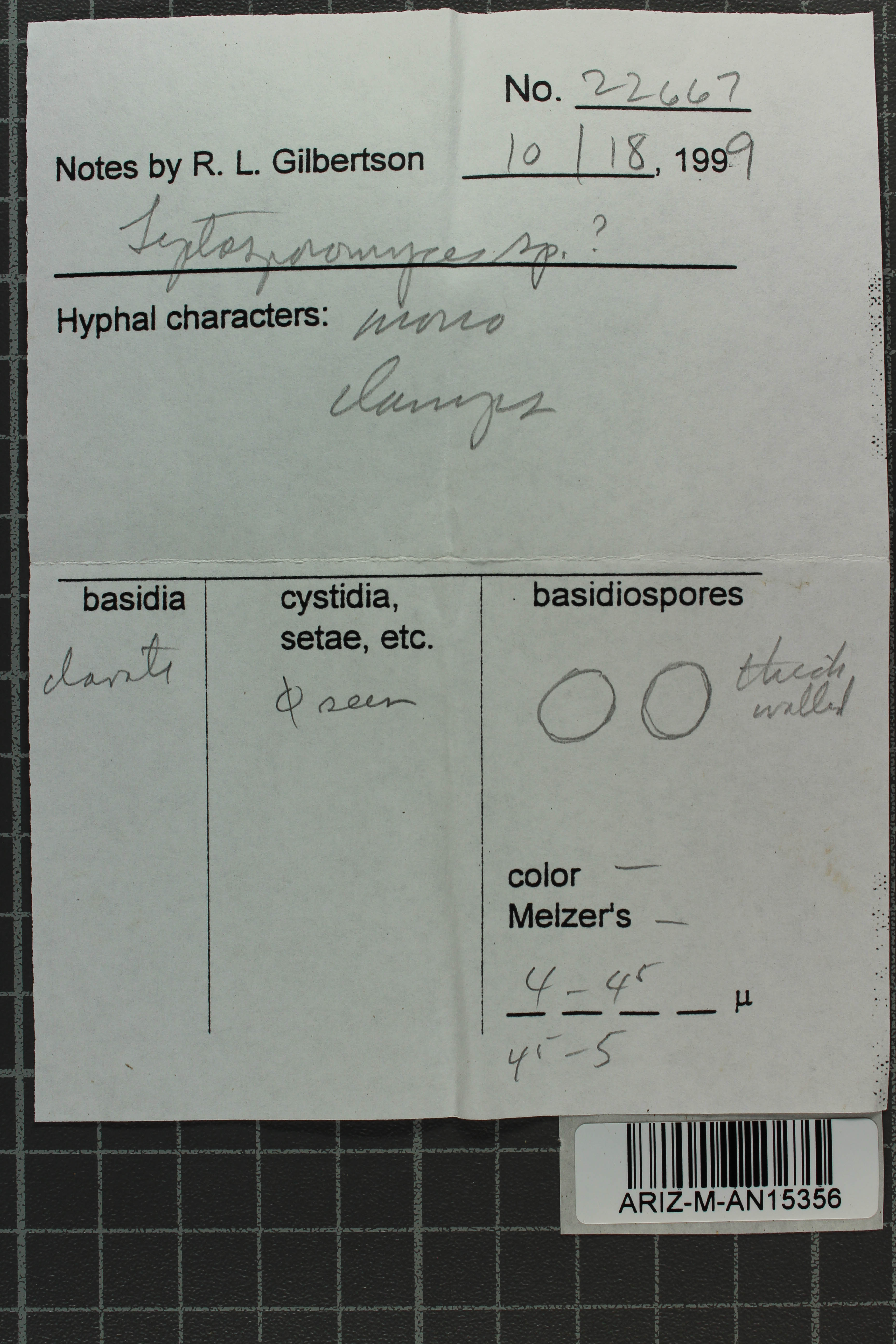
Leptosporomyces is a genus of resupinate (crust-like) fungi in the family Amylocorticiaceae. The genus is widespread in the Northern Hemisphere and contains 11 species.
Podoserpula pusio
species of fungus

Irpicodon
Irpicodon is a genus of fungi in the family Amylocorticiaceae. The genus is monotypic, containing the single species Irpicodon pendulus, found in Europe.
Podoserpula miranda
species of fungus
Serpulomyces
Serpulomyces is a genus of fungi in the family Amylocorticiaceae. The genus is monotypic, containing the single species Serpulomyces borealis, found in Europe. Serpulomyces was described by Ivan Zmitrovich in 2002.
Podoserpula
Podoserpula is a genus of fungi in the family Amylocorticiaceae. The genus contains six species including the type species, P. pusio, commonly known as the pagoda fungus. Species of the genus Podoserpula produce fruit bodies consisting of up to a dozen caps arranged in overlapping shelves, attached to a central axis. Its unique shape is not known to exist in any other fungi. The genus is known to occur in Australia and New Zealand, Venezuela, Madagascar, and New Caledonia.
Amyloathelia
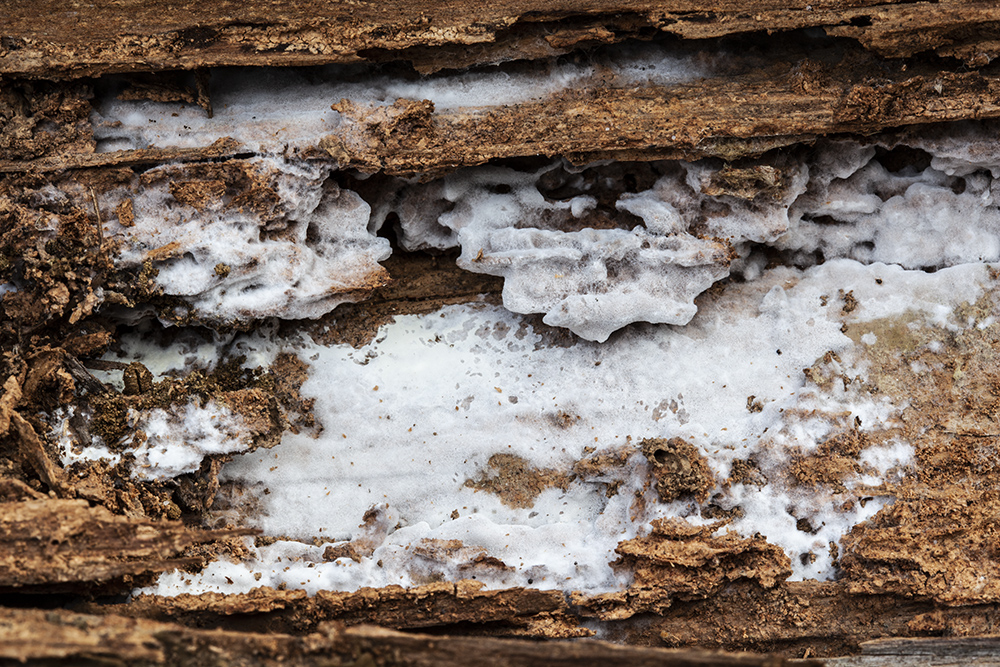
Amyloathelia is a genus of fungi in the family Amylocorticiaceae. The genus contains three species distributed in Europe and South America.
Athelopsis
Athelopsis is a genus of corticioid fungi in the family Amylocorticiaceae. The widespread genus, estimated to contain 10 species, is polyphyletic as currently circumscribed.