Category
page 1Anti-Catholicism in the United States

Ku Klux Klan
The Ku Klux Klan, sometimes referred to as the Klan, is an American Protestant-led white supremacist and far-right hate group. Historians widely identify it as one of the earliest terrorist groups in the United States, citing its organized use of violence and intimidation to influence political and social conditions, particularly in the post-Civil War South. Across its three major iterations, the Klan has operated as a secret society made up of multiple affiliated organizations that used threats, assaults, and killings to advance their aims. Over its various eras, its targets included African Americans, Jews, Catholics, and immigrants.

Puritans
The Puritans were English Protestants in the 16th and 17th centuries who sought to rid the Church of England of what they considered to be Roman Catholic practices, maintaining that the Church of England had not been fully reformed and should become more Protestant. Puritanism played a significant role in English and early American history, especially in the Protectorate in Great Britain, and the earlier European settlement of New England.
1960 United States presidential election
44th quadrennial U.S. presidential election
Know Nothing Party
American political movement and party in the 19th century with anti-catholic tendency
Black Legend
supposed tendency in historical writing demonising Spain and the Spanish Empire
1928 United States presidential election
36th quadrennial U.S. presidential election
John Hagee
controversial televangelist
Beaver Island
island in Lake Michigan in Charlevoix County, Michigan, United States
Mortara case
Italian cause célèbre of the 1850s and 1860s
Bob Jones University
American university in Greenville, South Carolina
Black Legion
White supremacist group in the US in the 20s, splintered from the Ku Klux Klan
William D. Hoard
American politician (1836-1918)
Sisters of Perpetual Indulgence
activist group founded in San Francisco by gay men to protest gay rights issues

Annunciation Catholic Church shooting
On the morning of August 27, 2025, a mass shooting occurred at the Church of the Annunciation in the Windom neighborhood of Minneapolis, Minnesota, United States. The attack took place during a scheduled school-wide Mass attended by the students and faculty of Annunciation Catholic School. Two children, Fletcher Merkel and Harper Moyski, and the perpetrator died in the shooting. Twenty-eight other people were injured: twenty-four schoolchildren and three elderly people from gunfire as well as a victim who sustained non-gunshot wounds. The perpetrator was identified as Robin M. Westman.
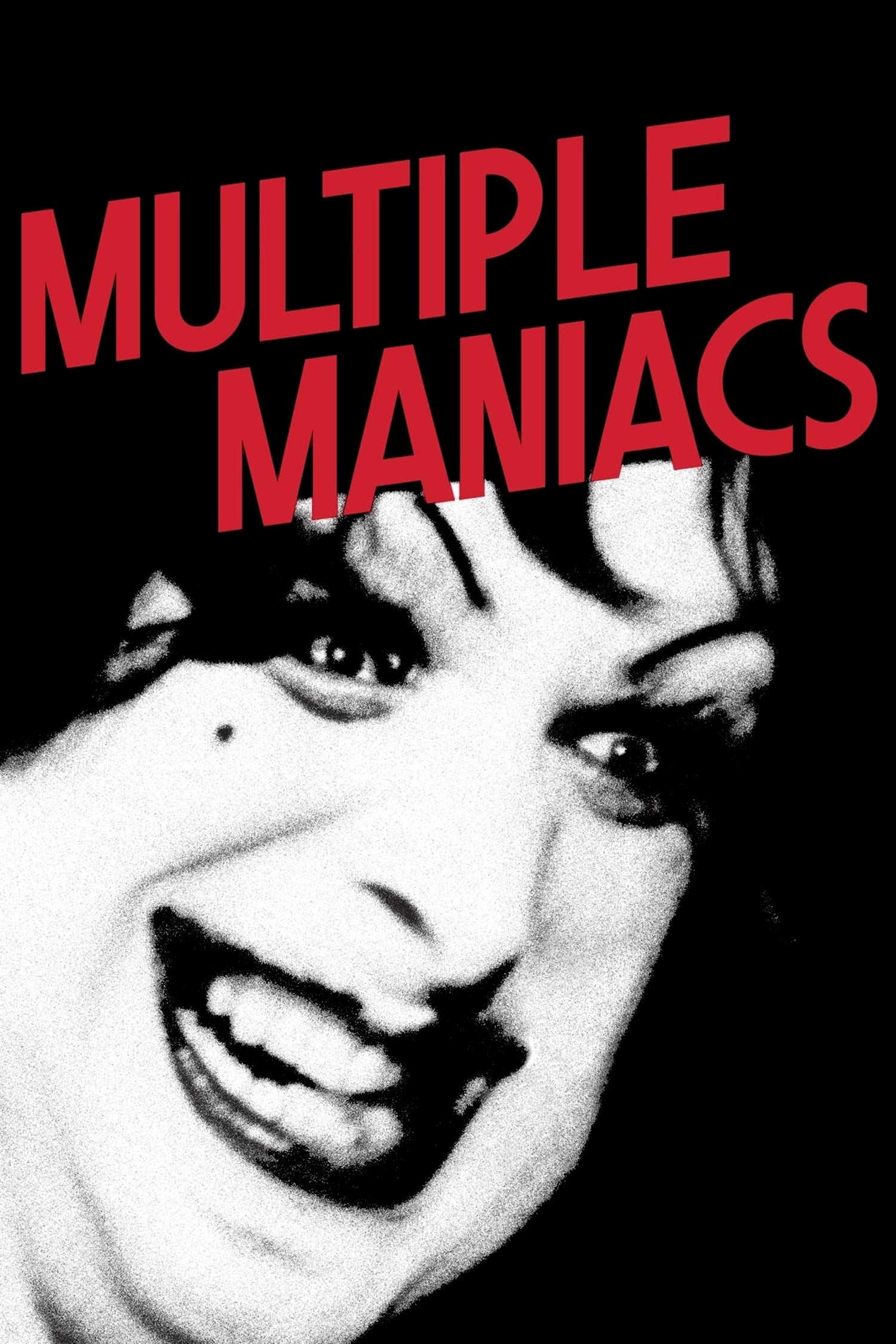
Multiple Maniacs
1970 film by John Waters

Charles Chiniquy
Canadian priest (1809-1899)
Al Goldstein
American publisher (1936-2013)

Orphan Train
U.S. welfare program that moved orphans from Eastern cities to foster homes in the Midwest
Saints Peter and Paul Church, San Francisco
church
Catholic League
Roman Catholic advocacy organization in the United States
Chick tract
one of a series of short Christian evangelical tracts, originally created and published by American publisher and religious cartoonist Jack Chick
Richard Paul Pavlick
American failed assassin (1887-1975)
Alaska Mental Health Enabling Act
public Law Act aimed to improve Mental health care

A. A. Ames
American Civil War surgeon, mob boss and politician (1842–1911)
2026 United States–Holy See rift
James Carroll
American author, historian, and journalist

The Great Controversy
book by Ellen White
Romanism
thumb|Drawing depicting John Dowling (pastor)|Pastor John Dowling authoring his book The History of Romanism.
Romanism is a derogatory term for Roman Catholicism used when anti-Catholicism was more common in the United States. The word was first attested in 1603.
Lewis Charles Levin
American politician
Steven L. Anderson
American independent baptist pastor
anti-Catholicism in the United States
American cultural phenomenon
Snyder v. Phelps
United States Supreme Court case