Category
page 1Apartheid in South Africa
.jpg)
apartheid
Apartheid ( , especially South African English: , ; , ) was a system of institutionalised racial segregation that existed in South Africa and South West Africa (now Namibia) from 1948 to the early 1990s. It was characterised by an authoritarian political culture based on baasskap ( 'boss-ship' or 'boss-hood'), which ensured that South Africa was dominated politically, socially, and economically by the nation's minority white population. Under this minoritarian system, white citizens held the highest status, followed by Indians, Coloureds and black Africans, in that order. The economic le

Cecil John Rhodes
British businessman, mining magnate and politician in South Africa (1853-1902)

Jan Christiaan Smuts
South African statesman and military leader (1870–1950)

National Party
1914–1997 political party known for implementing apartheid

Eugène Terre'Blanche
Afrikaner nationalist (1941–2010)
Mangosuthu Buthelezi
South African politician (1928-2023)
Johannes Gerhardus Strijdom
former Prime Minister of South Africa (1893–1958)
Sun City, North West
town in South Africa

askari
thumb|An askari with an assegai at [[AFB Waterkloof, Pretoria, South Africa, January 1943.]]
An askari or ascari (from Somali, Swahili, and Arabic , , meaning 'soldier' or 'military', also 'police' in Somali) was a local soldier serving in the armies of the European colonial powers in Africa, particularly in the African Great Lakes, Northeast Africa and Central Africa. The word is used in this sense in English, as well as in German, Italian, Urdu, and Portuguese. In French, the word is used only in reference to native troops outside the French colonial empire. The designation is still in occas
death flight
execution method
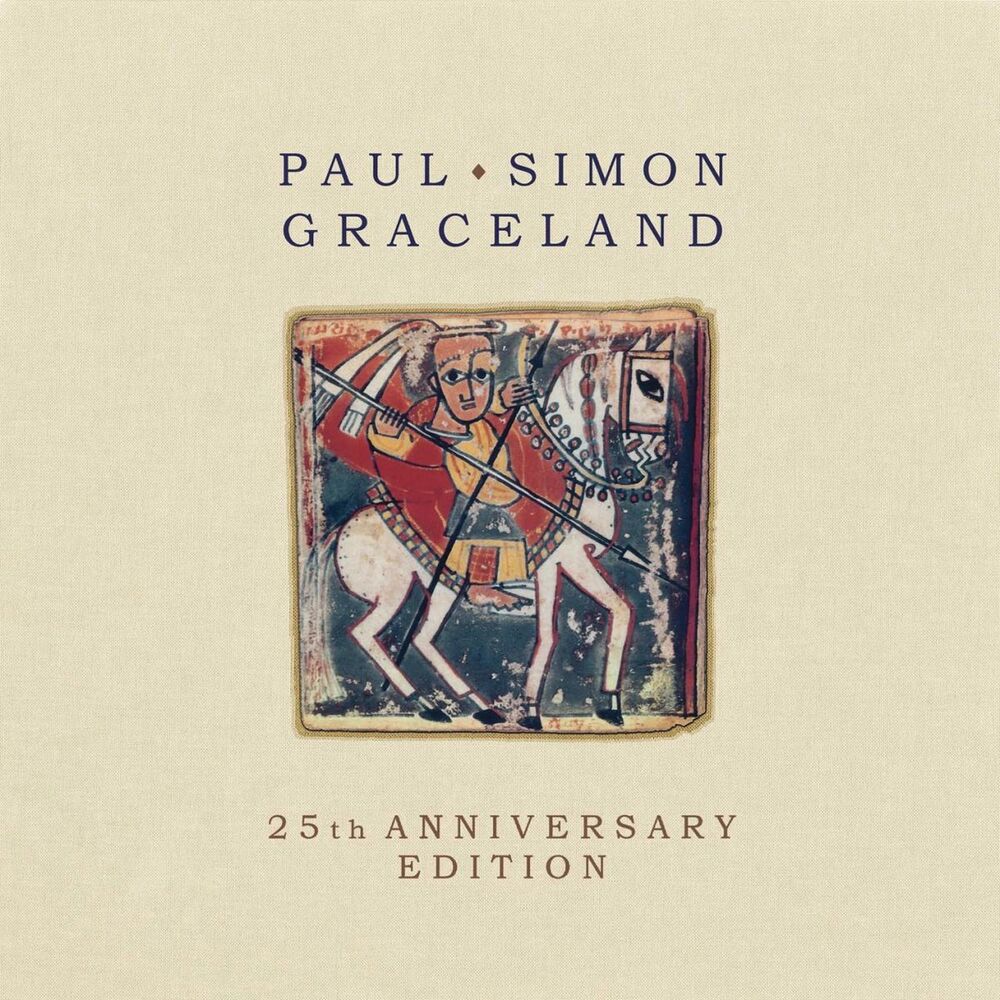
Graceland
1986 studio album by Paul Simon
Afrikaner nationalism
ideology held by some White South Africans in South Africa
flag of South Africa (1928–1994)
flag of the Union of South Africa and the Republic of South Africa between 1928 and 1994
Afrikaner Broederbond
1918–1994 Afrikaner Calvinist male organisation in South Africa
Women's March
protest march in South Africa

South African apartheid referendum, 1992
1992 referendum in South Africa to endorse the moves to end apartheid

Dimitri Tsafendas
Assassin of South African Prime Minister Hendrik Verwoerd (1918–1999)
honorary whites
pseudo-racial classification used by the apartheid regime of South Africa to grant almost all of the rights and privileges of whites to those who would otherwise have been treated as non-whites
Marthinus van Schalkwyk
South African politician
Baasskap
thumb|J. G. Strijdom, [[Prime Minister of South Africa (1954–1958), an uncompromising supporter of baaskap ]]
Baasskap () (also spelled baaskap), literally "boss-ship" or "boss-hood", was a political philosophy prevalent during South African apartheid that advocated the social, political and economic domination of South Africa by its minority white population generally and by Afrikaners in particular. The term is sometimes translated to the English-language as "Chief in Charge" and functioned either as a description or an endorsement of the "owner of slaves" in South Africa.
Internal resistance to South African apartheid
social and political movement that set and achieved the goal of destroying the racist system of oppression of non-white people in South Africa
negotiations to end apartheid in South Africa
CODESA
Clive Derby-Lewis
South African politician and murderer (1936–2016)
Afrikaner Calvinism
cultural and religious development among Afrikaners that combined 17th-century Calvinismwith a “chosen people” ideology
Jorge E
Argentine military captain
pencil test
method of assessing whether a person has Afro-textured hair
South African constitutional reform referendum, 1983
Olivia Forsyth
South African former spy
Le Cercle
foreign policy think-tank specialising in international security
Max Eiselen
South African anthropologist (1899-1977)

David Ivon Jones
Welsh communist famous for anti-apartheid activism in South Africa