Category
page 1Arachnids of North America
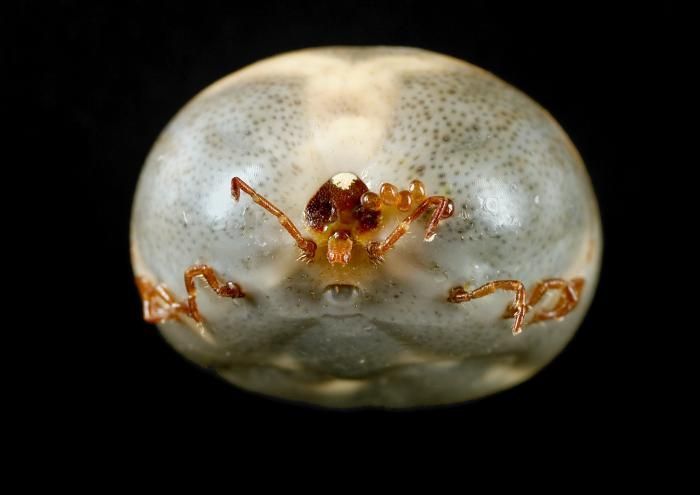
Amblyomma americanum
species of arachnid
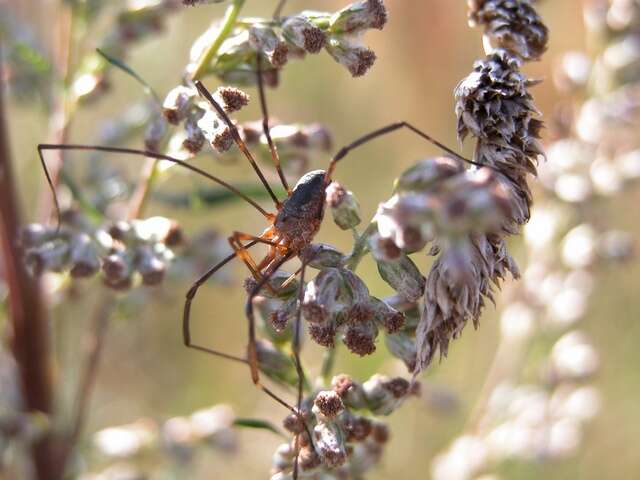
Phalangium opilio
species of harvestman

Ixodes scapularis
tick

Ixodes pacificus
species of arachnid

Dermacentor variabilis
species of arachnid
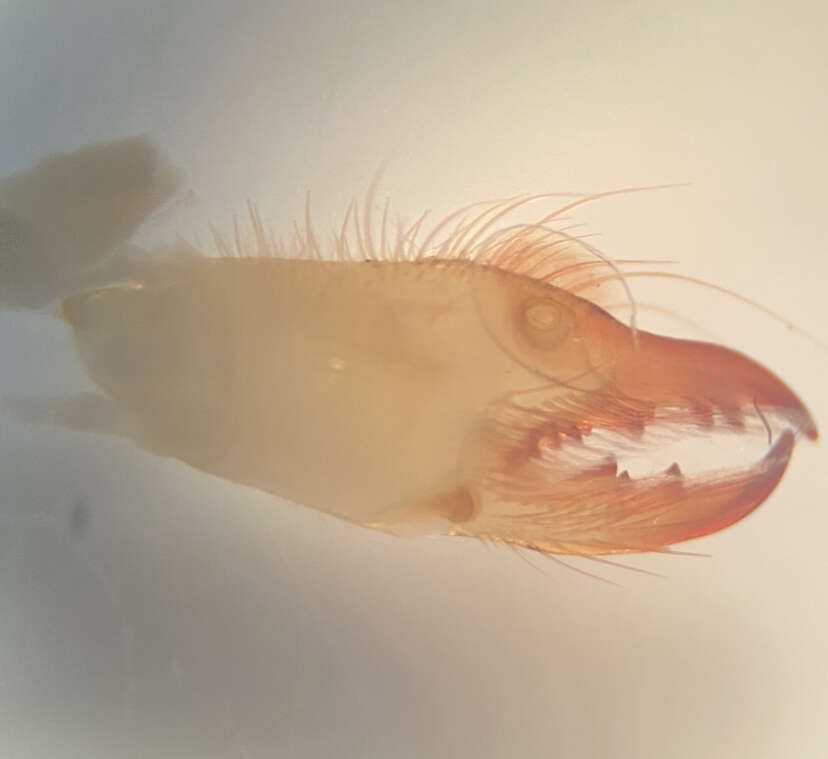
Ammotrechidae
Ammotrechidae is a family of solifuges distributed in the Americas and the Caribbean Islands. It includes 26 described genera and 95 species. Members of this family can be distinguished from members of other families by the absence of claws on tarsi of leg I, tarsal segmentation 1-2-2-(2-4), pedipalps with pairs of lateroventral spines, and by males having an immovable flagellum on the mesal face of each chelicerum. The propeltidium of the Ammotrechidae is recurved.

Ixodes uriae
species of arachnid

Leiobunum
Leiobunum is a genus of the harvestman family Sclerosomatidae with more than 100 described species. Contrary to popular belief, they are not spiders, although they share a resemblance. They are arachnids, in the order Opiliones, harvestmen. Species in Leiobunum tend to have relatively long legs compared with other harvestmen, and some species are gregarious.

Aceria anthocoptes
species of arachnid

Amblyomma maculatum
species of arachnid
Ixodes angustus
species of arachnid
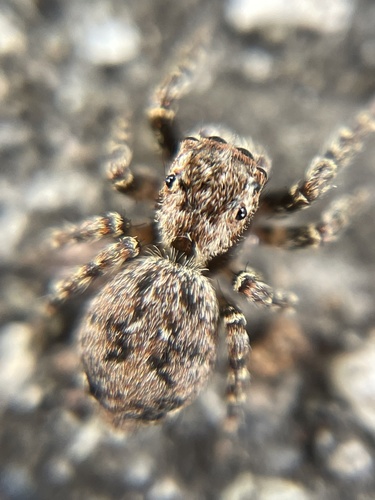
Mexigonus morosus
species of arachnid
Dolomedes holti
species of arachnid
Neotrombicula
Neotrombicula is a genus of mites in the family Trombiculidae. Species of this genus are found throughout Europe and North America.
Phrynus marginemaculatus
species of arachnid
Ixodes texanus
species of arachnid
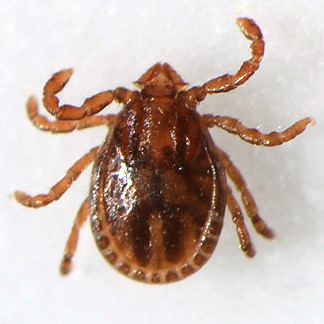
Haemaphysalis leporispalustris
species of arachnid
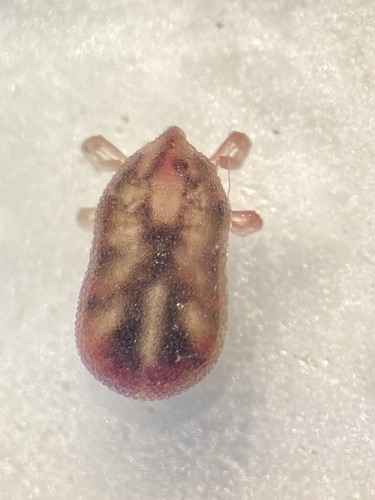
Ornithodoros hermsi
species of arachnid
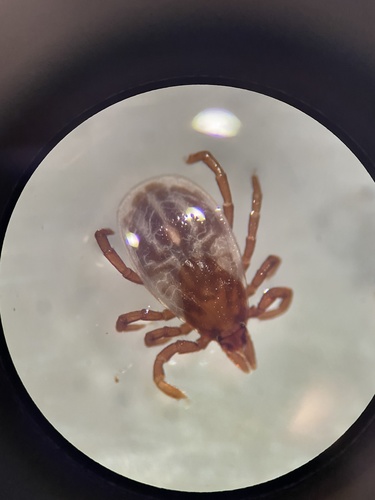
Ixodes marxi
species of arachnid
Otobius megnini
species of arachnid
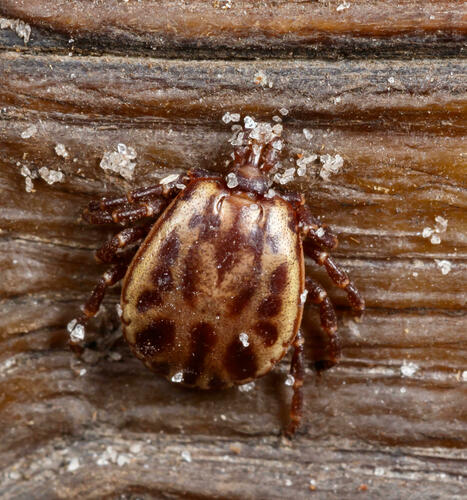
Amblyomma tuberculatum
species of arachnid
Eremobates
Eremobates is a genus of arachnids of the order Solifugae. About 2 inches long, these fast-moving arachnids have the largest jaw size to body ratio of any animal. They are not venomous, but have a remarkably powerful bite. Often hunting at night, they have poor eyesight and navigate mostly by use of a pair of pedipalps.
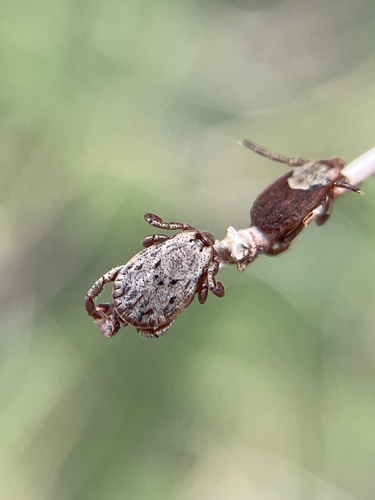
Dermacentor occidentalis
species of arachnid
Eukoenenia florenciae
species of arachnid
Ornithodoros turicata
species of arachnid
Ideoblothrus grandis
species of pseudoscorpions
Ideoblothrus mexicanus
species of pseudoscorpions
Redberry mite
species of arachnid
Ixodes brunneus
species of arthropods
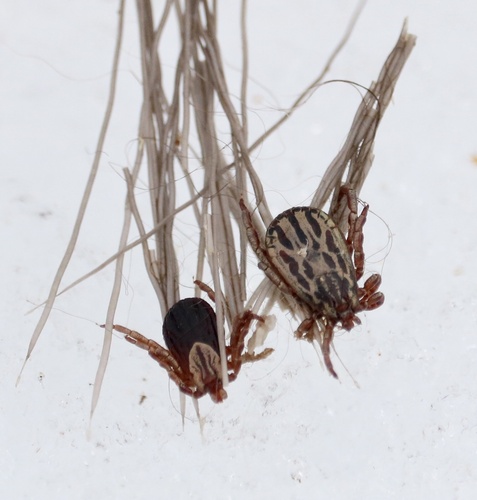
Dermacentor albipictus
species of arachnid
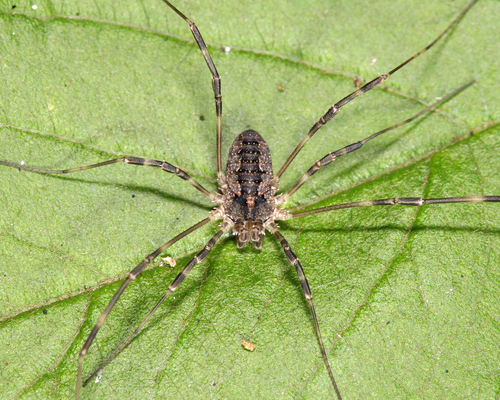
Odiellus pictus
species of arachnid
Hadrobunus
thumb|Hadrobunus maculosus, Virginia
Hadrobunus is a genus of harvestmen in the family Sclerosomatidae. There are about six described species in Hadrobunus, found mainly in the eastern United States and Mexico.
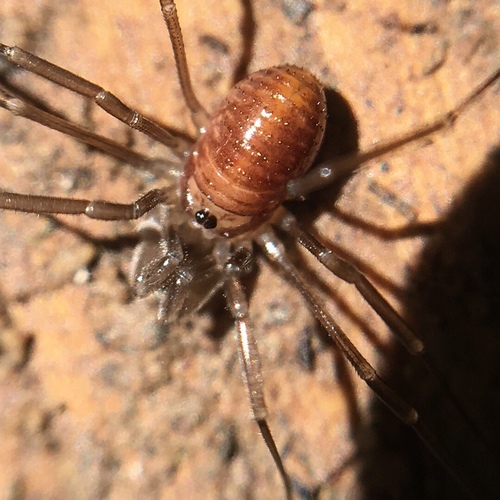
Sabacon cavicolens
species of arachnid
Phrynus maesi
species of arachnid
Eremobates pallipes
species of arthropod
Sclerobunus robustus
species of arachnid
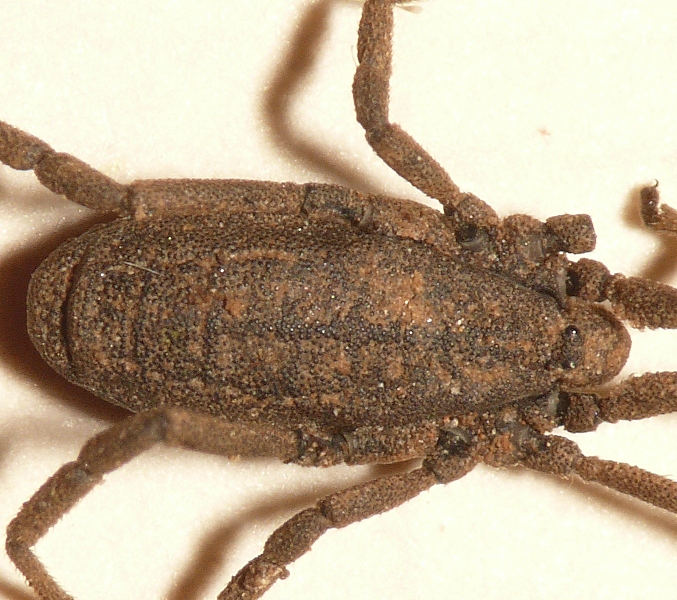
Trogulus tricarinatus
species of arachnid
Ideoblothrus vampirorum
species of pseudoscorpions
Phrynus longipes
species of arachnid
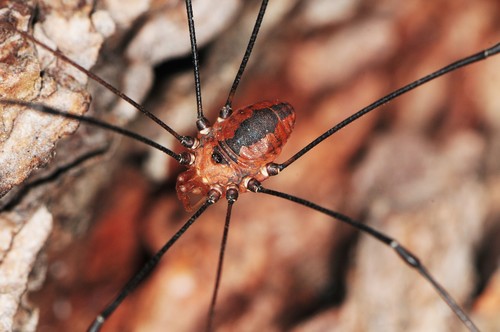
Leiobunum vittatum
species of arachnid
Amblyomma albopictum
species of arachnid
Oligonychus ununguis
species of arthropods
Sclerobunus
Sclerobunus is a genus of harvestman that occurs in western North America.
Ideoblothrus maya
species of pseudoscorpions
Otobius lagophilus
species of arachnid
Hygrobatoidea
Hygrobatoidea is a superfamily of water mites found in North America.

Chanbria
Chanbria is a genus of camel spiders. It consists of four species found in the Sonoran Desert in Mexico and the southwestern United States.

Eriophyes laevis
species of arachnid
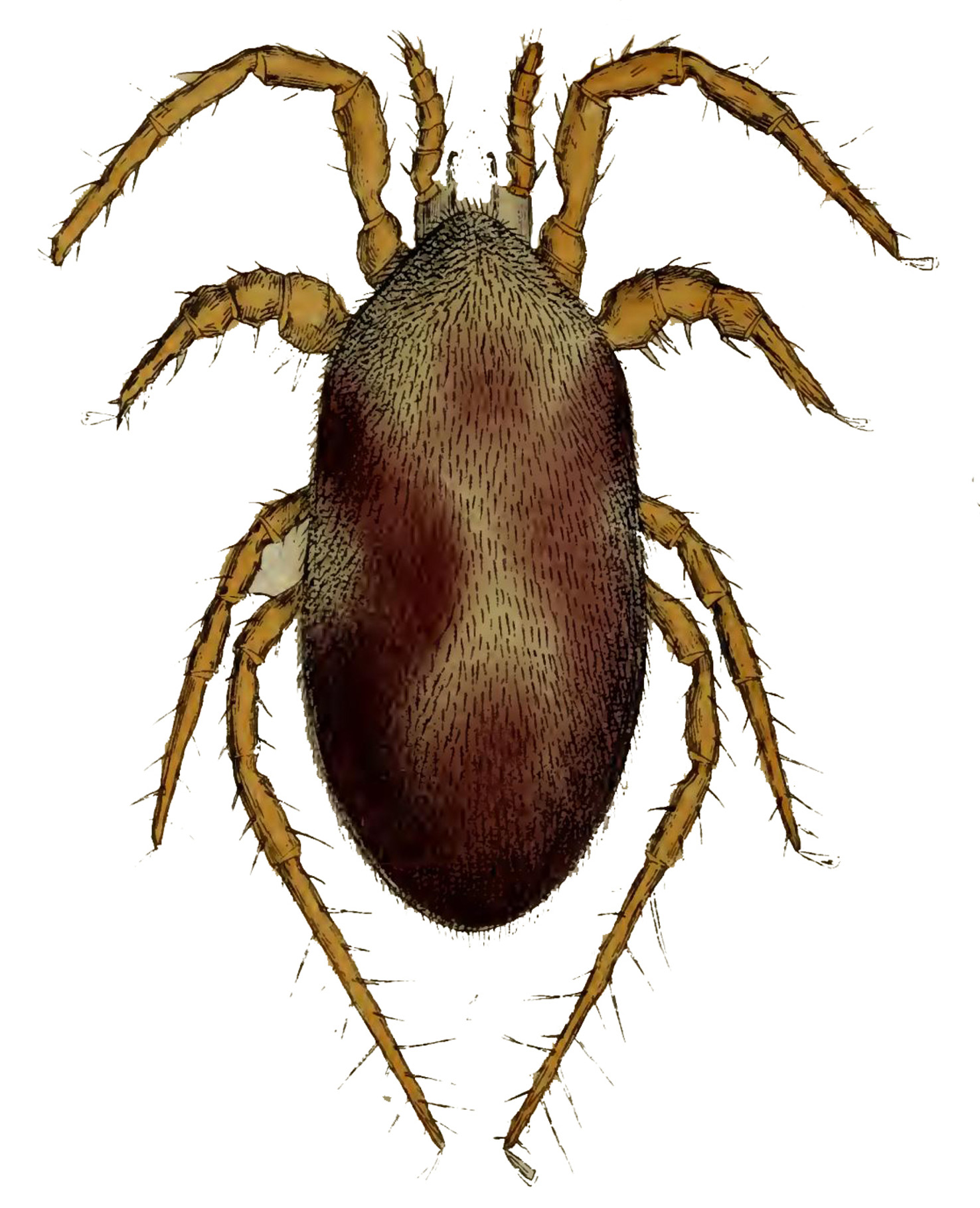
Haemogamasus
Haemogamasus is a genus of mites in the family Haemogamasidae. In North America, they mostly infect rodents, in addition to other small mammals such as shrews, talpids, and Virginia opossums.
Aceria guerreronis
species of arachnid
Bishopella laciniosa
species of arachnid
Fumontana
Fumontana is a monotypic genus of harvestman that occurs in the United States (North Carolina and Tennessee) with one described species, F. deprehendor.
Neumania papillator
species of arachnid
Ixodes cookei
species of arachnid