Category
page 3Bee genera
Euaspis
Euaspis is a genus of cuckoo bees belonging to the family Megachilidae.

Anthodioctes
thumb | right | Anthodioctes calcaratus
Anthodioctes is a genus of bee in the family Megachilidae.
Megaloptidia
Megaloptidia is a genus of bees belonging to the family Halictidae.
Dioxys
genus of insects
Euhesma
Euhesma is a genus within the bee family Colletidae and subfamily Euryglossinae found in Australia. There are about 90 species described. The group lacks strong unifying features, and the type species is Euhesma wahlenbergiae.

Sphecodopsis
Sphecodopsis is a genus of cleptoparasitic cuckoo bees in the family Apidae. Endemic to southern Africa, the wasp-like bees of this genus are generally small, varying from in length, and mostly black, with orange-ish or reddish colouring of the metasoma in some of the species. The bee genus Scrapter is recognised as a host for the cleptoparasitic life cycle of some Sphecodopsis, but further data regarding preferred hosts is not available for most of the species.
Parammobatodes
Parammobatodes is a genus of cuckoo bees belonging to the family Apidae.
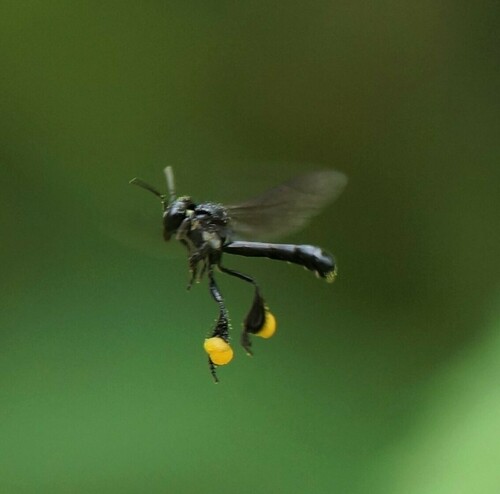
Dactylurina
Dactylurina is a genus of bees first described in 1934.
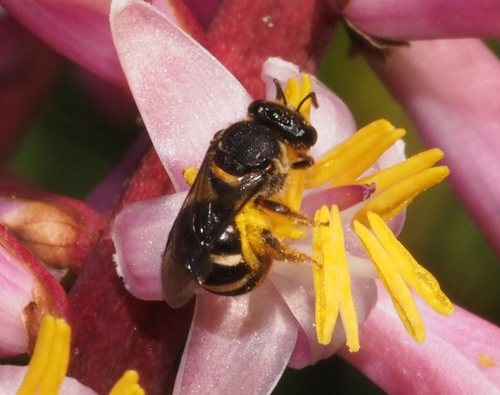
Patellapis
Patellapis is a genus of bees belonging to the family Halictidae.
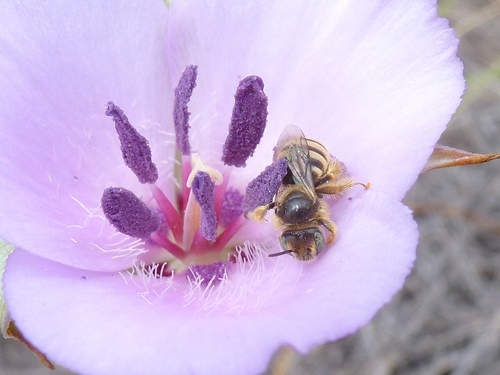
Anthophorula
Anthophorula is a genus of bees in the family Apidae. There are more than 60 described species in Anthophorula.
thumb|Anthophorula micheneri

Exomalopsis
Exomalopsis is a genus of bees in the family Apidae. They occur in the Western Hemisphere (Neotropical and Nearctic realms).
thumb|right|200px|Exomalopsis analis
thumb|right|200px|Exomalopsis mellipes
Osiris (Bee)
kind of bee
Rhathymus
Rhathymus is a genus of cuckoo bees belonging to the family Apidae.
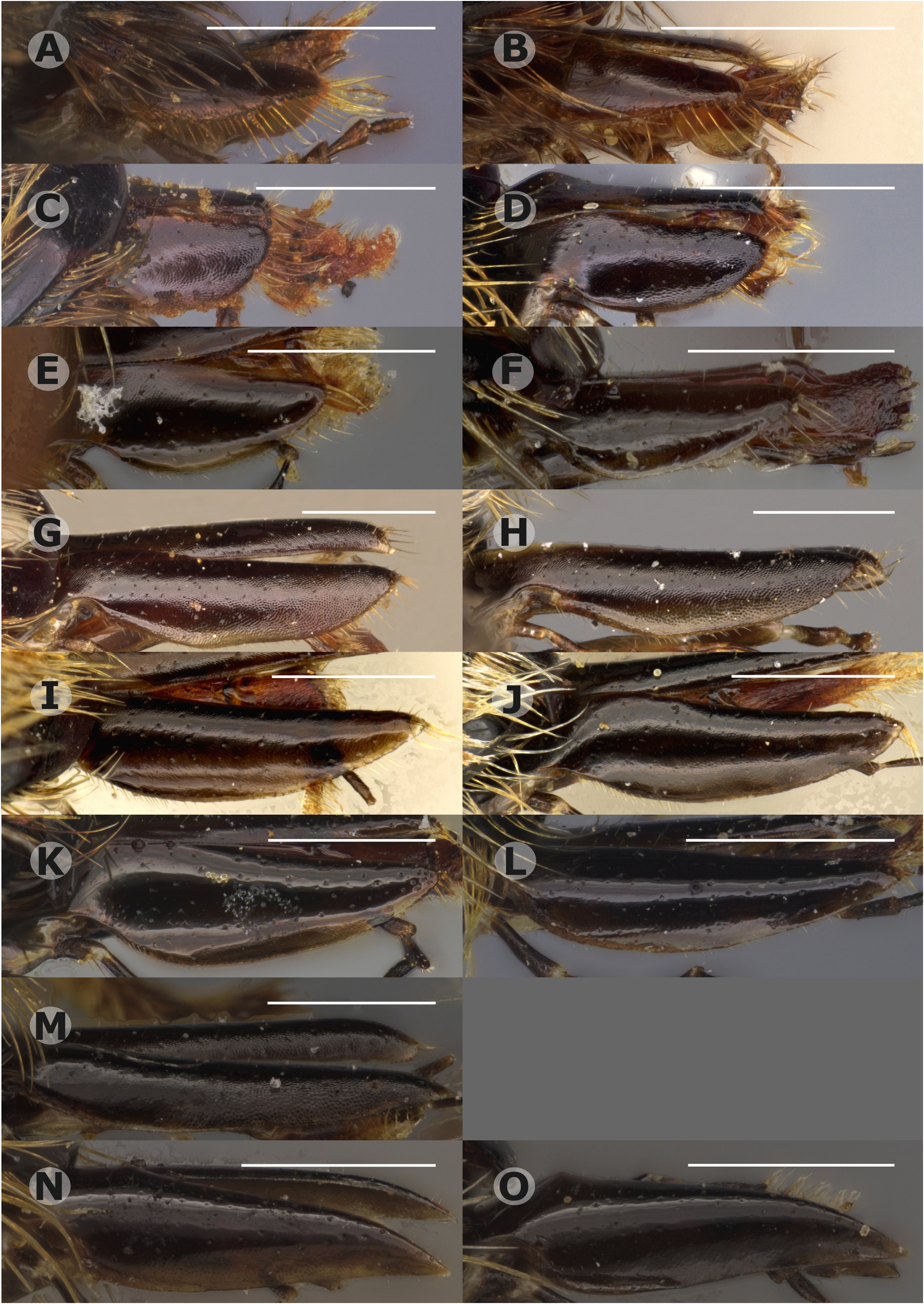
Rediviva
Rediviva is a genus of bees in the Melittidae family endemic to South Africa.
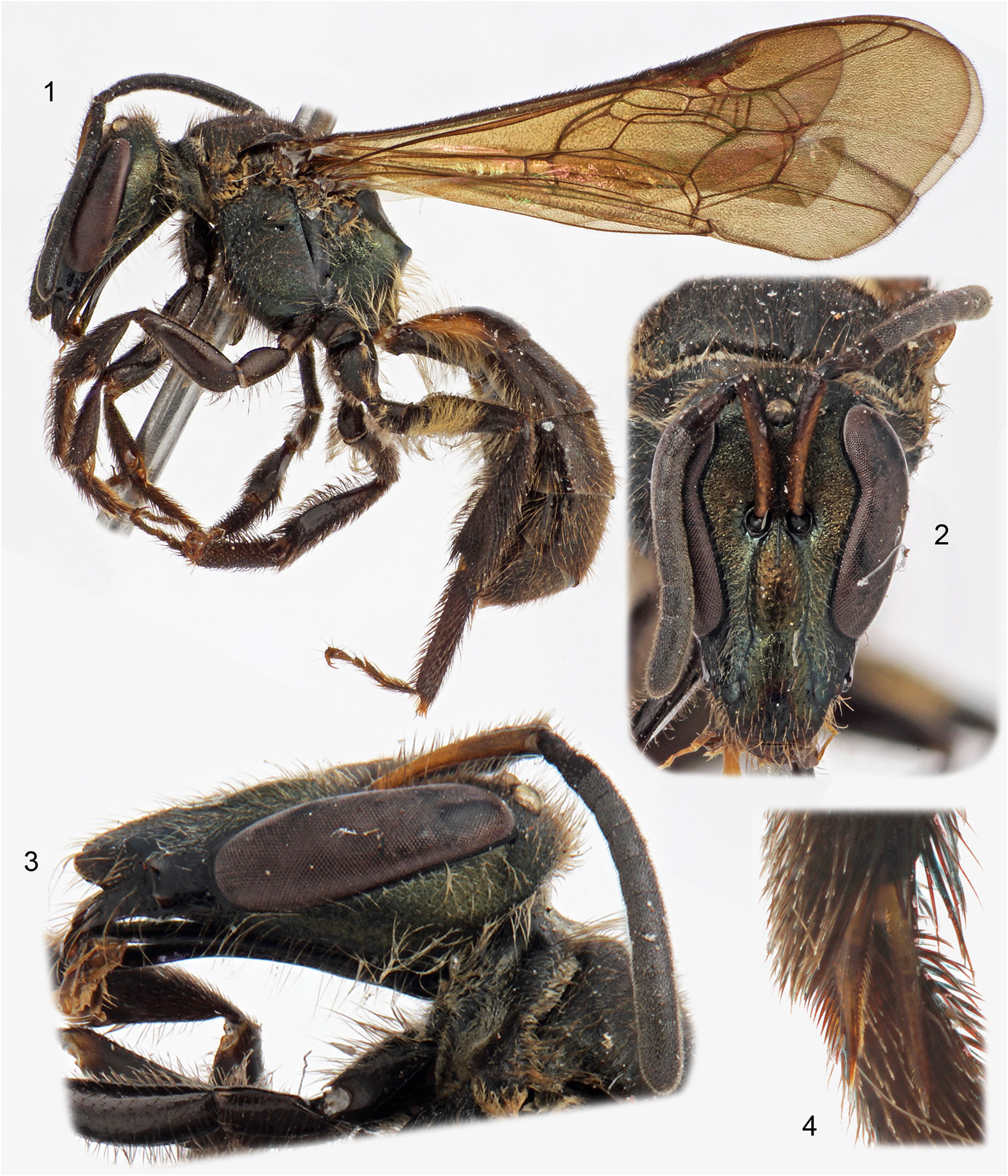
Ischnomelissa
Ischnomelissa is a genus of bees belonging to the family Halictidae.
Townsendiella
Townsendiella is a genus of cuckoo bees in the family Apidae, found in Mexico, and the southwestern United States.
thumb|Townsendiella rufiventris

Paranthidium
Paranthidium is a genus of bees in the family Megachilidae.
Chiasmognathus
Chiasmognathus is a genus of cuckoo bees belonging to the family Apidae.

Ancylandrena
Ancylandrena is a genus of mining bees in the family Andrenidae. There are about five described species in Ancylandrena.
thumb
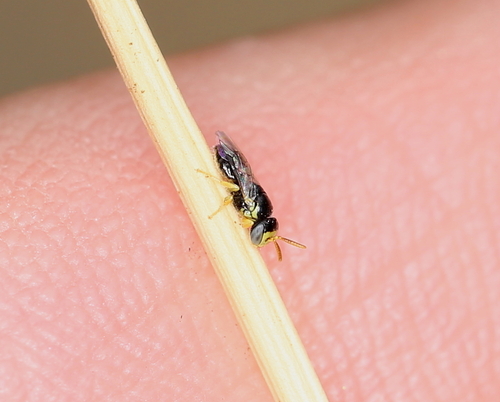
Euryglossula
Euryglossula is a genus of bees in the family Colletidae and the subfamily Euryglossinae. It is endemic to Australia. It was described in 1965 by American entomologist Charles Duncan Michener.
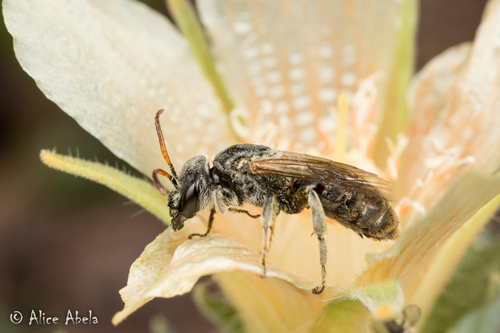
Xeralictus
Xeralictus is a genus of sweat bees in the family Halictidae. There are at least three described species in Xeralictus.
Schmiedeknechtia
Schmiedeknechtia is a genus of cuckoo bees belonging to the family Apidae.

Allodapula
Allodapula is a genus of bees in the family Apidae, subfamily Xylocopinae. They are similar in appearance, around 7mm in length, with swarthy head and thorax, contrasting with the brown abdomen. After the removal of a number of former species into other genera, the genus as presently defined occurs only in Africa.
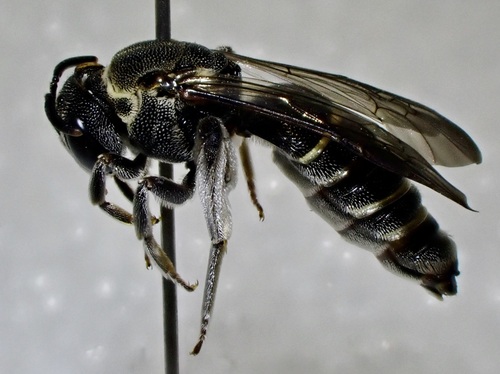
Eulonchopria
Eulonchopria is a genus of plasterer bees. They are found from Arizona to Argentina, mostly in arid or savanna areas.

Trichotrigona
Trichotrigona is a genus of bees belonging to the family Apidae.
Ochreriades
Ochreriades is a genus within Megachilidae. This taxon has been considered the sister lineage "to a clade consisting of the “core” Osmiini, the tribe Megachilini and the genera Pseudoheriades and Afroheriades."
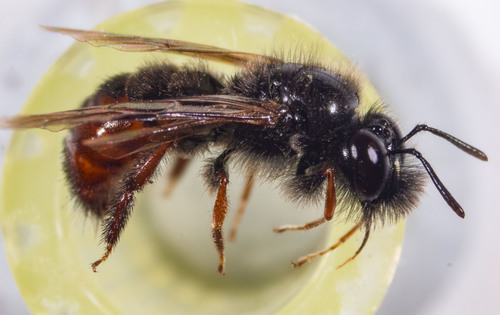
Exoneura
Exoneura is a genus of some 68 species of social bees, also known as reed bees, belonging to the taxonomic family Apidae and tribe Allodapini. The genus is native to Australia.
Hyleoides
Hyleoides is a genus of bees in the family Colletidae and the subfamily Hylaeinae. It is naturally endemic to Australia, although one species (H. concinna) has been accidentally introduced to New Zealand. It was described in 1853 by English entomologist Frederick Smith.

Pseudopanurgus
Pseudopanurgus is a genus of mining bees in the family Andrenidae. It may also be treated as the subgenus '''Protandrena (Pseudopanurgus)'. There are 32 described species in Pseudopanurgus. Pseudopanurgus'' bees often have 2 submarginal cells in their forewings. Their sizes range from 3 mm to 10 mm.

Xenoglossa
Xenoglossa is a genus of large squash bees in the family Apidae. There are about 11 described species in Xenoglossa.

Pseudapis
Pseudapis is a genus of bees belonging to the family Halictidae.
Martinapis
Martinapis is a genus of long-horned bees in the family Apidae. There are at least three described species in Martinapis.
thumb|Martinapis luteicornis
Friesella
Friesella is a genus of bees belonging to the family Apidae.

Steganomus
Steganomus is a genus of bees belonging to the family Halictidae.
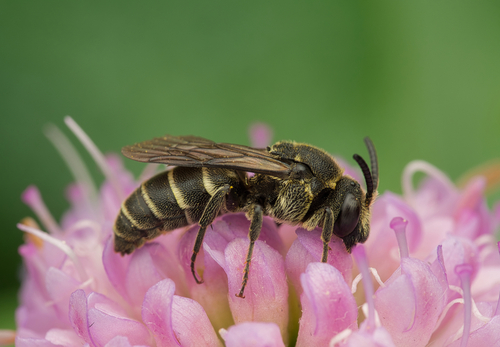
Aglaoapis
Aglaoapis is a genus of cuckoo bee belonging to the family Megachilidae.
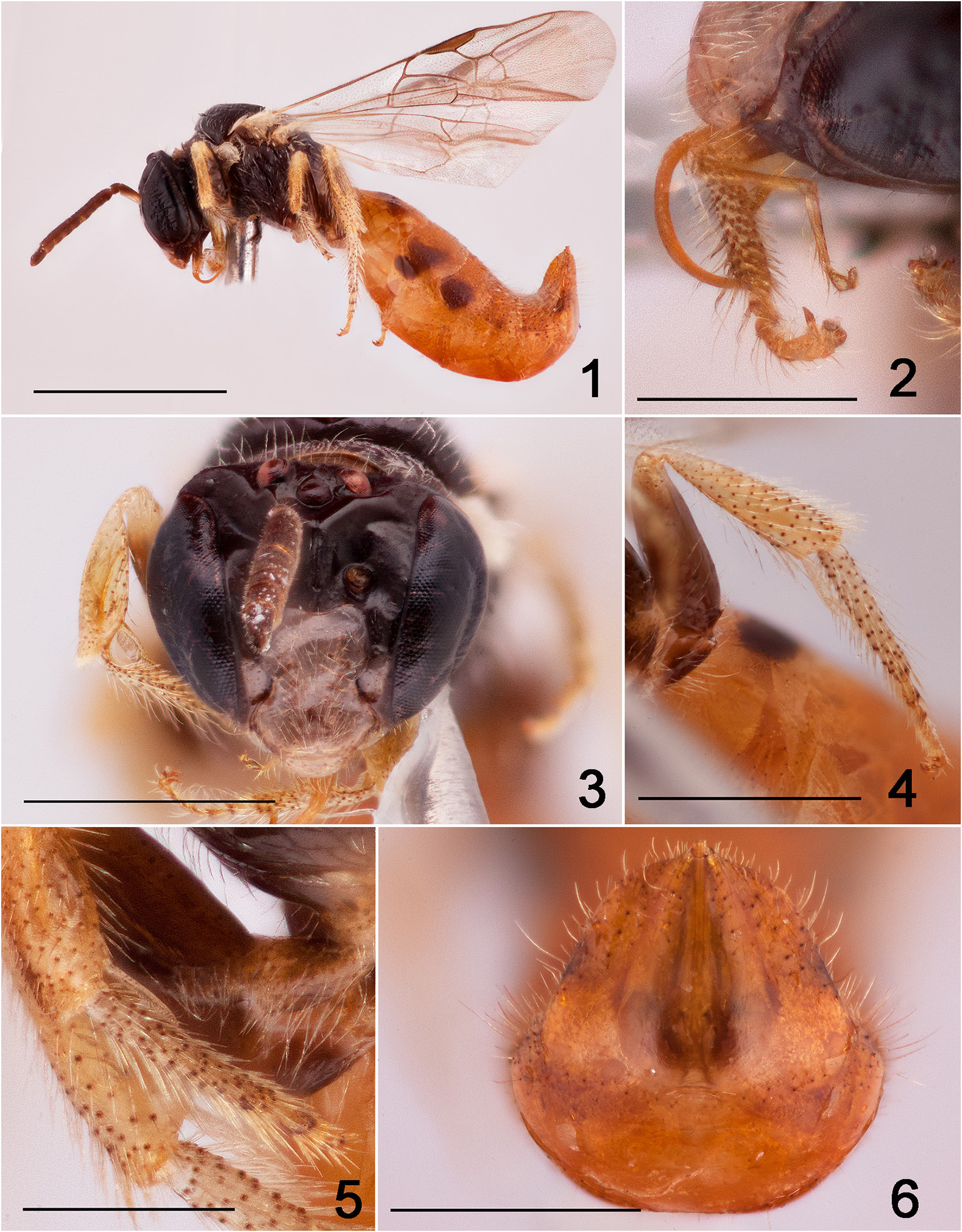
Braunsapis
Braunsapis is a genus of bees in the family Apidae and the tribe Allodapini, commonly known as reed bees. It is the largest genus of the tribe and is known for its array of sociality. The genus is distributed in Africa, Asia, and Australasia.

Brachynomada
Brachynomada is a genus of cuckoo bees in the family Apidae. There are about 16 described species in Brachynomada.
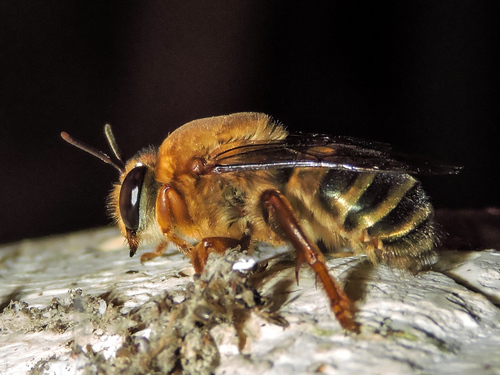
Ptiloglossa
Ptiloglossa is a small genus of bees within the family Colletidae, endemic to the Americas. Ptiloglossa is one of the most common nocturnal groups of colletids.
Flavomeliturgula
Flavomeliturgula is a genus of bees belonging to the family Andrenidae.
Oreopasites
Oreopasites is a genus of cuckoo bees in the family Apidae. There are about 11 described species in Oreopasites.

Macrotera
Macrotera is a genus of bees native to North America, particularly diverse in the desert regions of the United States and Mexico. According to Wilson and Carril, there are "around 30" species of Macrotera. Macrotera are small to medium sized (2.0 mm to 16.0 mm) and often black or reddish in coloration. The genus was treated by P.H. Timberlake who, in addition to T.D.A. Cockerell, described most of the known species. Macrotera used to be considered part of the genus Perdita but was split apart by C.D. Michener in 2000. Most species are extreme specialists (oligoleges) with respect to

Protandrena
Protandrena is a genus of mining bees in the family Andrenidae. Depending upon whose definition of the genus one follows, there are anywhere from 50 to 180 described species in Protandrena; traditional classifications recognize 7 subgenera, some of which are sometimes elevated to genus rank, and other classifications place many of these species in the related genus Pseudopanurgus (e.g.), leaving Protandrena with a much smaller constituency. In the most inclusive definition, they are found from Canada through Argentina. However, there is current disagreement whether the Protandrena in South Ame

Leiopodus
The Protepeolini are a tribe of cuckoo bees in the family Apidae, containing only one genus, Leiopodus.

Camptopoeum
Camptopoeum is a genus of bees of the subfamily Panurginae.
Manuelia
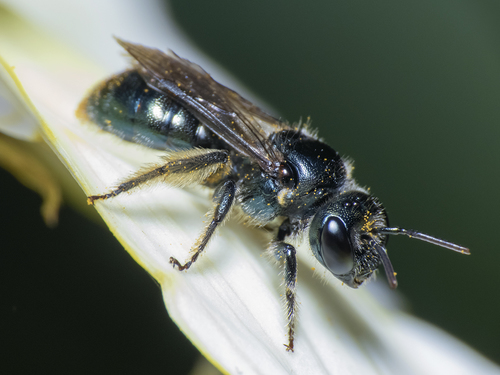
Manuelia is a genus of bees in the subfamily Xylocopinae, the only genus in the tribe Manueliini. There are three species.
Hesperapis
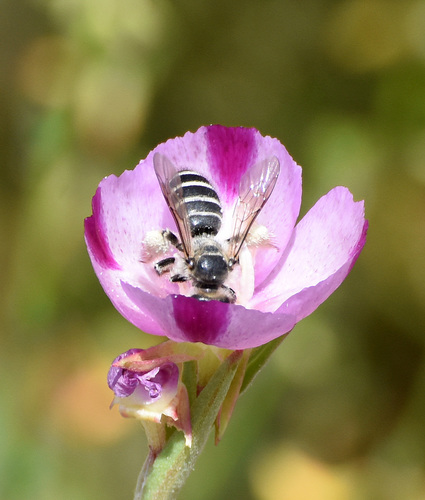
Hesperapis is a genus of bees in the family Melittidae. There are at least 30 described species in Hesperapis. The genus is very uncommon. Its abdomen is flattened and its integument or "skin" is soft compared to other groups of bees.
Calliopsis
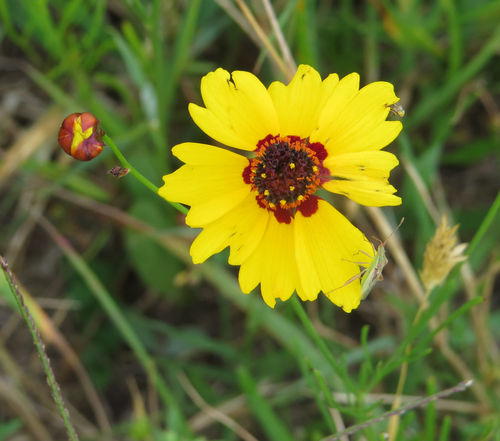
genus of insects
Chalepogenus
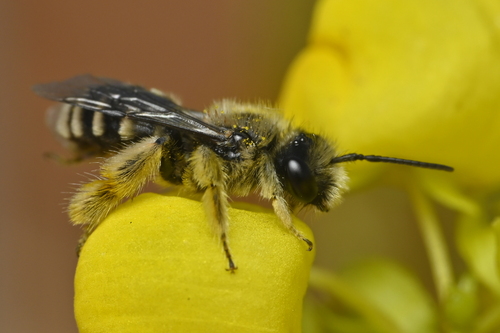
The genus Chalepogenus, consisting of 21 species of solitary oil-collecting apid bees, demonstrates oligolecty by foraging on oil-producing flowers from the families Calceolariaceae, Iridaceae and Solanaceae. These oil-flowers are abundant in South America, where Chalepogenus is endemic. In contrast to honey bees, Chalepogenus species do not collect nectar; instead, they gather floral oil for various purposes, including provisioning their larvae, constructing nests, and sustaining foraging adult bees. Although oil collection has been reported to be performed by females only, both males and fem
Euryglossa
genus of insects

Ericrocis
Ericrocis is a genus of cuckoo bees in the family Apidae. There are at least four described species in Ericrocis.
Meliponula
Meliponula is a genus of stingless bees found in sub-Saharan Africa. They are small, with sizes ranging from 2mm to 8mm depending on the species. They provide honey, which in some species is considered to have medicinal properties. These bees are thought to be important pollinators. They are also very common in African countries such as Kakamega forest and Taita hills in Kenya. They are known to commonly nest in trees indigenous to these areas, but occasionally nest in window frames, door panels and roof loggings made of wood. They are particularly threatened by drastic increases in anthropoge
Micralictoides
Micralictoides is a genus of sweat bees in the family Halictidae. There are about eight described species in Micralictoides.
Hyphesma
Hyphesma is a genus of bees in the family Colletidae and the subfamily Euryglossinae. It is endemic to Australia. It was described in 1965 by American entomologist Charles Duncan Michener.
Megandrena
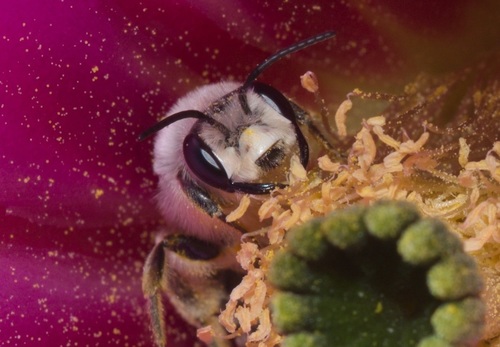
Megandrena is a genus of mining bees in the family Andrenidae. There are at least two described species in Megandrena.

Callomelitta
Callomelitta is a genus of bees in the family Colletidae and the subfamily Colletinae. It is endemic to Australia. It was described in 1853 by English entomologist Frederick Smith.
Nanorhathymus
Nanorhathymus is a genus of cuckoo bees belonging to the tribe Rhathymini.

Meroglossa
Meroglossa is a genus of bees in the family Colletidae and the subfamily Hylaeinae. It is endemic to Australia. It was described in 1853 by English entomologist Frederick Smith.
Exoneurella
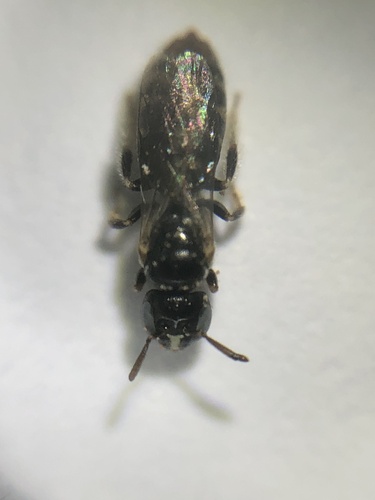
Exoneurella is a genus of bees in the family Apidae and the tribe Allodapini. It is endemic to Australia. It was described in 1963 by American entomologist Charles Duncan Michener. The genus is closely related to Exoneura, the reed bees. Michener says of the behavioural differences:
Xanthesma
Xanthesma is a genus of Australian bees in the family Colletidae and the subfamily Euryglossinae. It was first described in 1965 by Charles Duncan Michener, and subsequently revised by Elizabeth Exley. It contains the following subgenera:
Xanthesma (Argohesma)
Xanthesma (Chaetohesma)
Xanthesma (Xanthesma)
Xanthesma (Xenohesma)
Paranomada
Paranomada is a genus of cuckoo bees in the family Apidae. There are at least three described species in Paranomada.
thumb|Paranomada velutina