Category
page 1Birds of the Caribbean

Glossy Ibis
species of bird
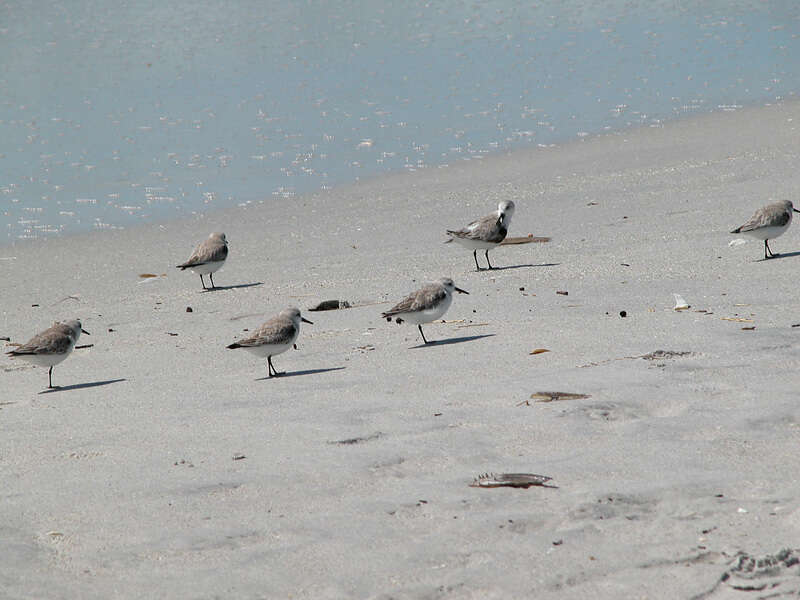
Sanderling
thumb|Sanderlings in Kanagawa Prefecture|Kanagawa, [[Japan]]
Dunlin
The dunlin (Calidris alpina) is a small wader in the genus Calidris. The English name is a dialect form of "dunling", first recorded in 1531–1532. It derives from dun, "dull brown", with the suffix -ling, meaning a person or thing with the given quality.

Red Knot
species of bird

Blue-and-yellow Macaw
species of bird

Gull-billed Tern
species of seabird

King Vulture
large bird found in Central and South America

American Flamingo
species of bird

Scarlet Macaw
species of bird
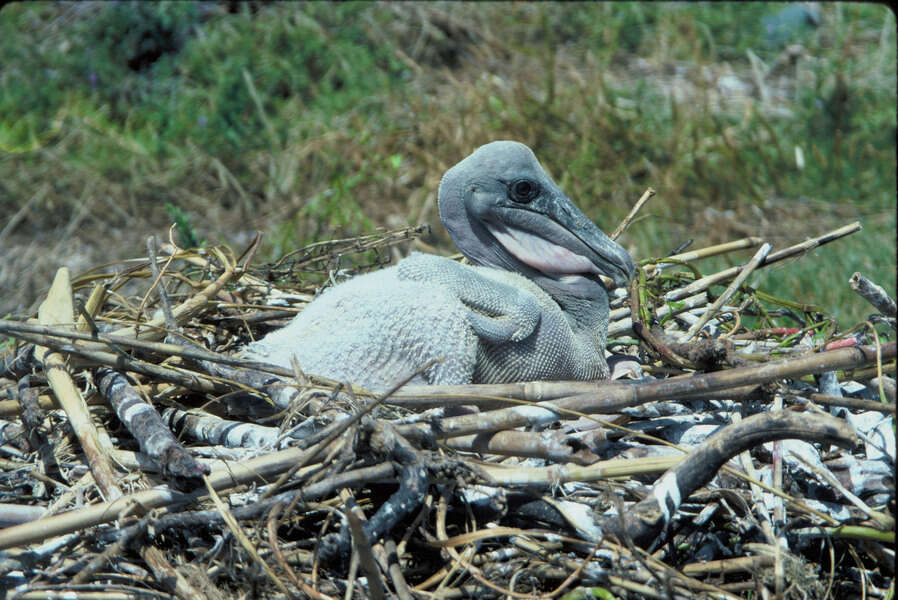
brown pelican
species of bird

Black Vulture
species of bird
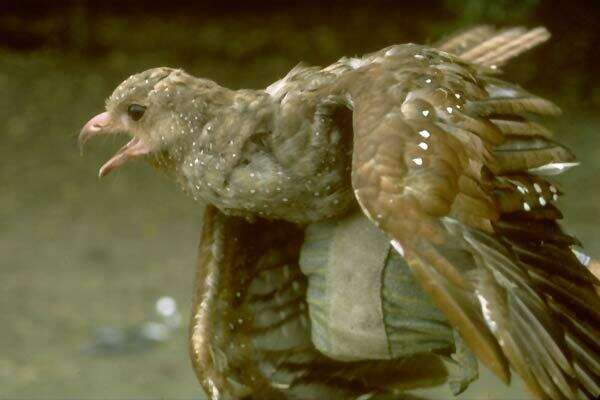
Oilbird
thumb| Steatornis caripensis – MHNT
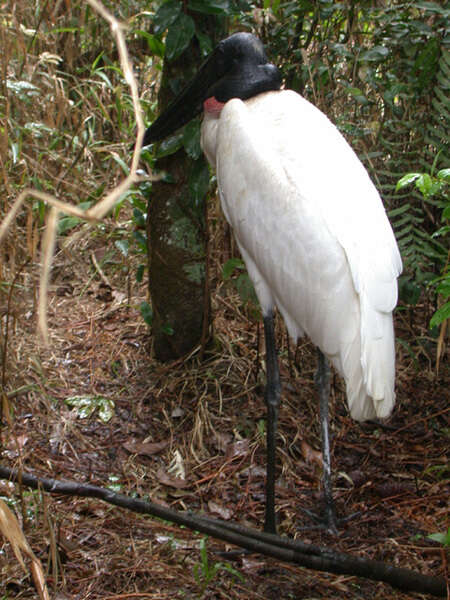
Jabiru
The jabiru ( or ; Jabiru mycteria) is a large stork found in the Americas from Mexico to Argentina, except west of the Andes. It sometimes wanders into the United States, usually in Texas, but has also been reported in Mississippi, Oklahoma and Louisiana. It is most common in the Pantanal region of Brazil and the Eastern Chaco region of Paraguay. It is the only member of the genus Jabiru. The name comes from the Tupi–Guaraní language and means "swollen neck".

wood duck
species of bird

Brown Booby
species of bird

Masked Booby
species of bird

Fulvous Whistling Duck
species of bird

Red-footed Booby
species of seabird

Grus canadensis
species of bird
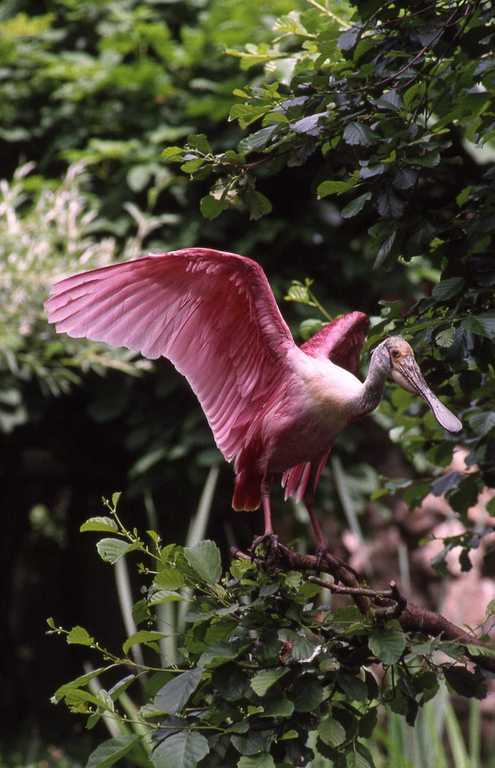
Roseate Spoonbill
species of water bird

Ruddy Duck
species of bird
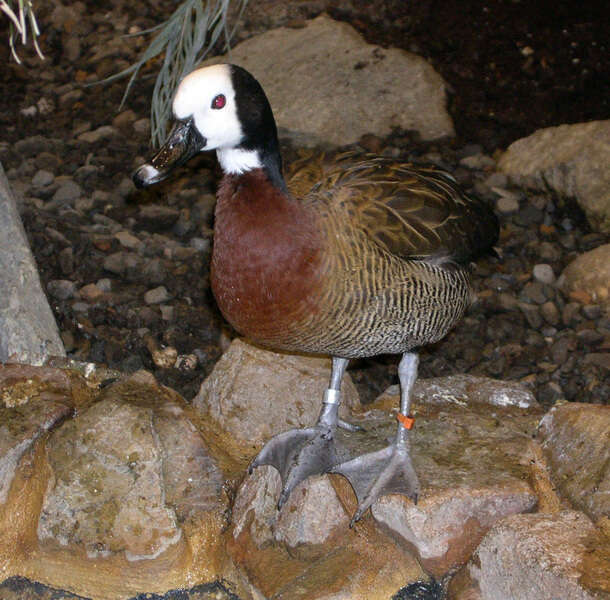
White-faced Whistling Duck
species of bird
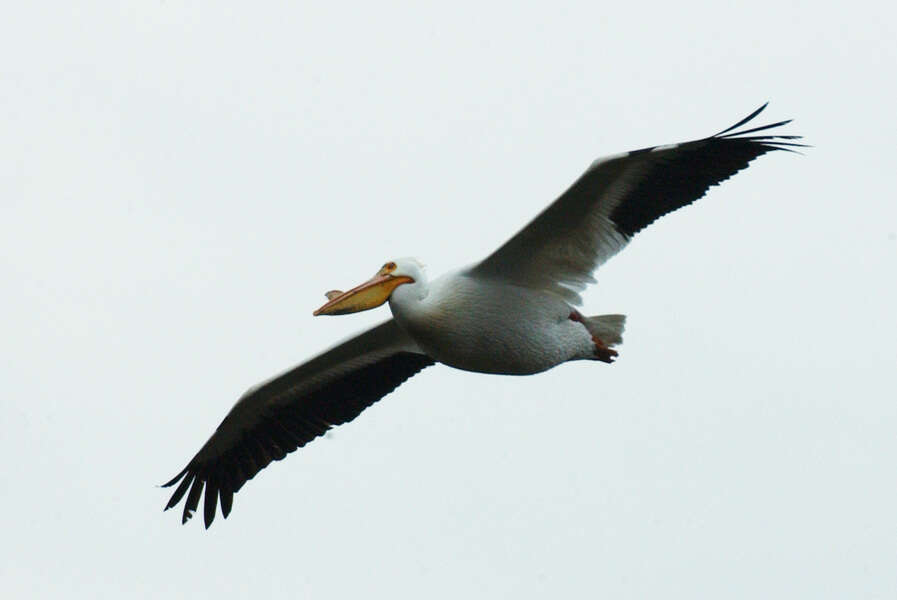
American White Pelican
species of bird
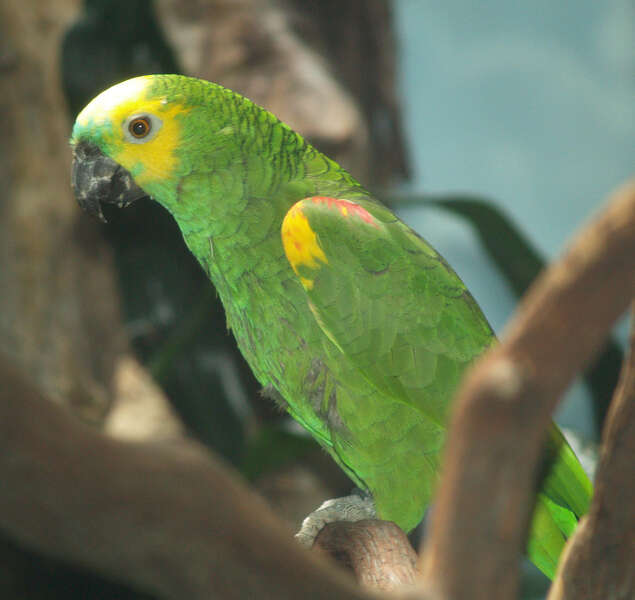
Amazona
genus of birds

Mourning Dove
species of bird

magnificent frigatebird
species of bird

White-tailed Tropicbird
species of bird

Jacana jacana
species of bird

American Coot
species of bird

Red-billed Tropicbird
species of bird

Actitis macularius
species of bird

Tricolored Heron
species of bird

White-rumped Sandpiper
species of bird

Ivory-billed Woodpecker
species of bird

Crested Caracara
species of bird

Laughing Gull
species of bird
.jpg)
Killdeer
The killdeer (Charadrius vociferus) is a large plover found in the Americas. Its shrill, two-syllable call is often heard, sounding like "kill deer". It was described and given its current scientific name in 1758 by Carl Linnaeus in the 10th edition of his Systema Naturae. Three subspecies are described. Its are mostly brown with rufous fringes, the head has patches of white and black, and two black bands cross the breast. The belly and the rest of the breast are white. The nominate (or originally described) subspecies breeds from southeastern Alaska and southern Canada to Mexico. It is seen y

Archilochus colubris
species of bird
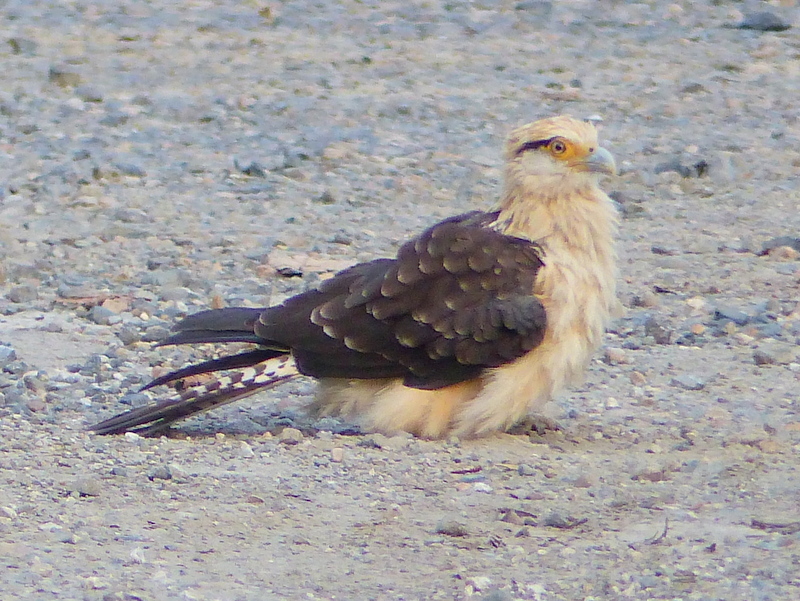
Yellow-headed Caracara
species of bird

Royal Tern
species of bird

Hudsonian Godwit
species of bird

Channel-billed Toucan
species of bird
Audubon's Shearwater
species of bird

White-cheeked Pintail
species of bird

Cuban Amazon
species of bird

White Bellbird
species of bird

Least Sandpiper
species of bird
Venezuelan Troupial
species of bird

Reddish Egret
species of bird

Yellow-billed Cuckoo
species of bird

Great Kiskadee
species of bird

Little Tinamou
species of bird

Purple Gallinule
species of bird

Nomonyx dominicus
species of bird

Marbled Godwit
species of bird
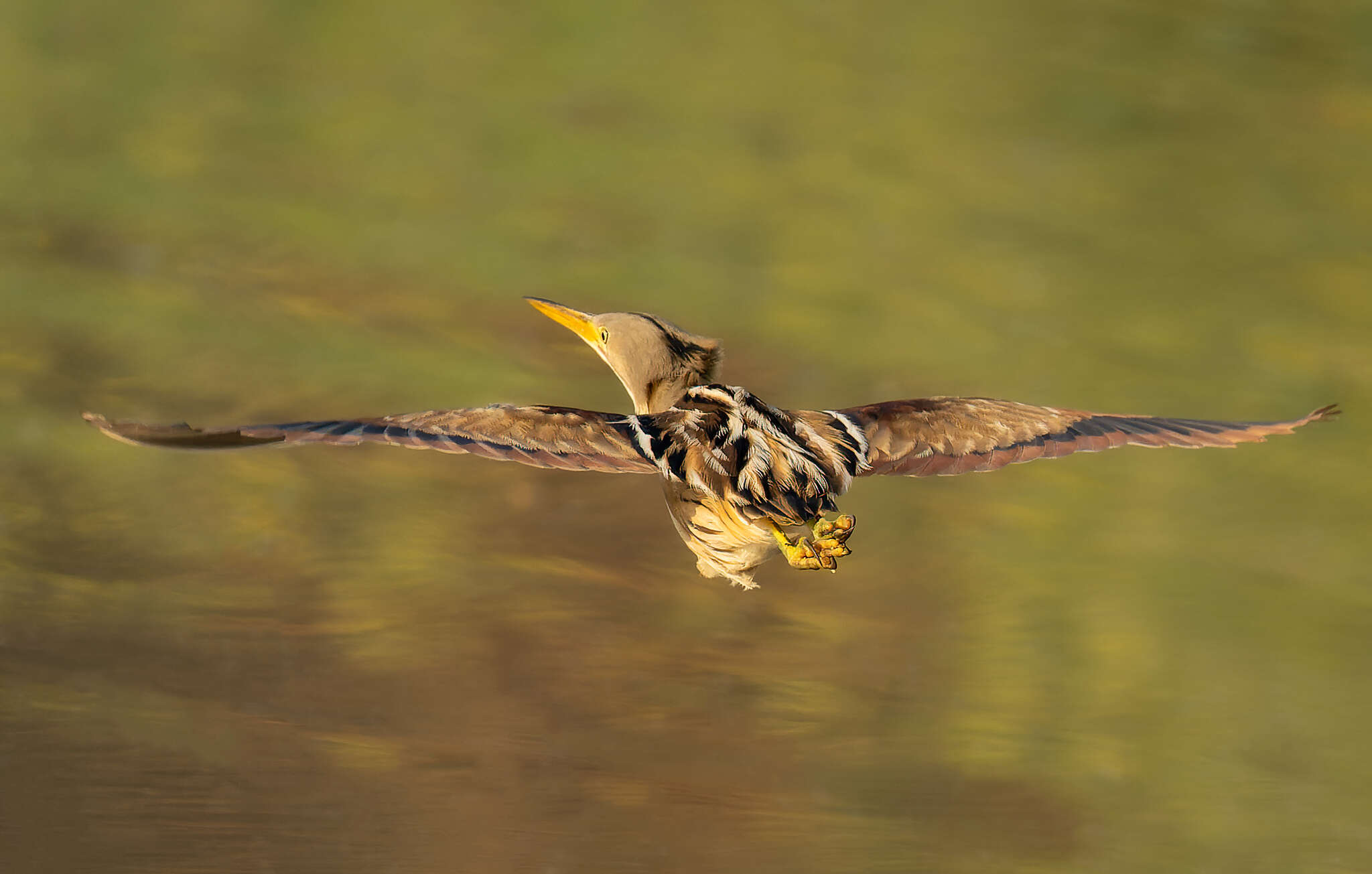
Stripe-backed Bittern
species of bird

Solitary Sandpiper
species of bird
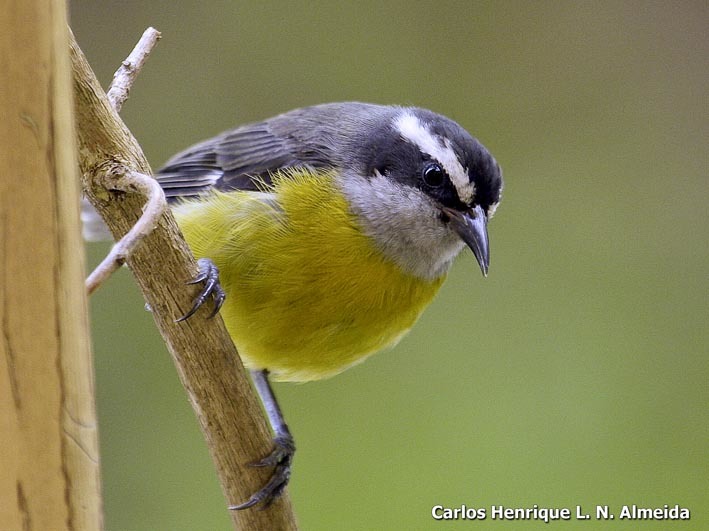
Bananaquit
The bananaquit (Coereba flaveola) is a species of passerine bird in the tanager family Thraupidae. Before the development of molecular genetics in the 21st century, its relationship to other species was uncertain and it was either placed with the buntings and New World sparrows in the family Emberizidae, with New World warblers in the family Parulidae or its own monotypic family Coerebidae. This small, active nectarivore is found in warmer parts of the Americas and is generally common.

Northern Jacana
species of bird
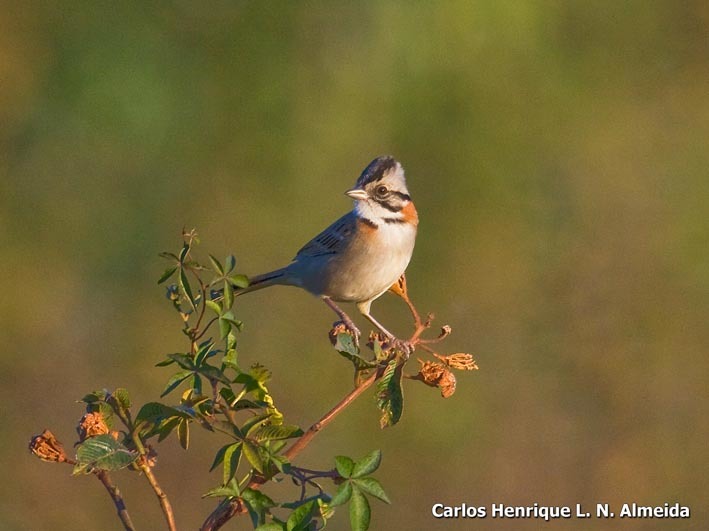
Zonotrichia capensis
species of bird