Category
page 1British poems

Jabberwocky
right|thumb|The Jabberwock, as illustrated by John Tenniel, 1871
"Jabberwocky" is a nonsense poem written by Lewis Carroll about the killing of a creature named "the Jabberwock". It was included in his 1871 novel Through the Looking-Glass, the sequel to ''Alice's Adventures in Wonderland'' (1865). The book tells of Alice's adventures within the back-to-front world of the Looking-Glass world.
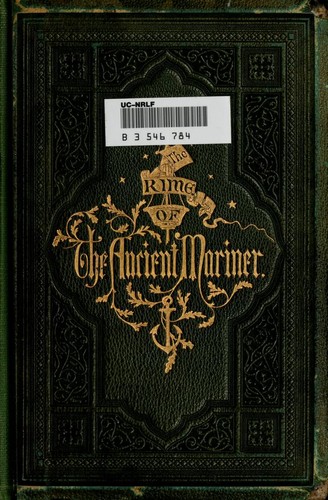
The Rime of the Ancient Mariner
1798 poem by Samuel Taylor Coleridge
The Faerie Queene
English epic poem by Edmund Spenser
Lady of the Lake
ruler of Avalon in the Arthurian legend

The Lady of Shalott
1832 Victorian ballad by Alfred Tennyson
To Autumn
1819 poem by John Keats

Manfred
closet drama by Lord Byron

Bilbo's Last Song
poem
Ode on a Grecian Urn
1819 poem by John Keats
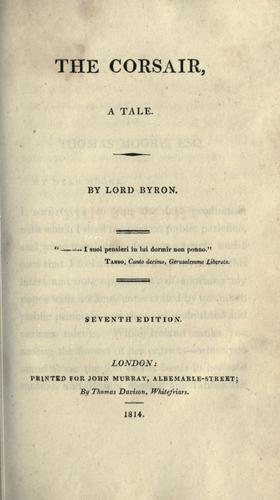
The Corsair
1814 tale in verse by George Gordon Byron

The Giaour
poem by Lord Byron
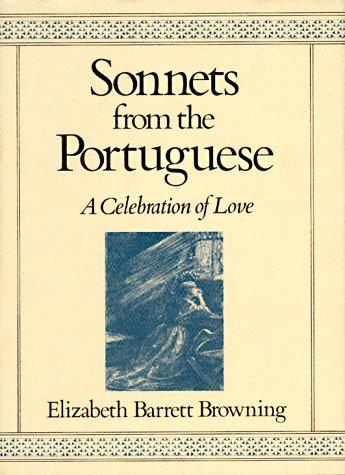
Sonnets from the Portuguese
collection of sonnets by E. B. Browning

She Walks in Beauty
poem written by Lord Byron in 1814

The Lay of Aotrou and Itroun
literary work

My Last Duchess
1842 poem written by Robert Browning
In Memoriam A.H.H.
poem by Alfred, Lord Tennyson on the death of Arthur Henry Hallam

Adonais
thumb|1821 title page, Pisa, Italy: Ollier.
Adonais: An Elegy on the Death of John Keats, Author of Endymion, Hyperion, etc. () is a pastoral elegy written by Percy Bysshe Shelley for John Keats in 1821, and widely regarded as one of Shelley's best and best-known works. The poem, which is in 495 lines in 55 Spenserian stanzas, was composed in the spring of 1821 immediately after 11 April, when Shelley heard of Keats's death (seven weeks earlier). It is a pastoral elegy, in the English tradition of John Milton's Lycidas. Shelley had studied and translated classical elegies. The title of the poe
Alastor, or The Spirit of Solitude
poem

An Essay on Man
poem by Alexander Pope

Parisina
poem of Lord Byron

The Eve of St. Agnes
John Keats poem

The Bride of Abydos
poem by Lord Byron

An Essay on Criticism
British poem
Annus Mirabilis
poem by John Dryden

The Dunciad
poem by Alexander Pope
Godiva
1842 poem written by Alfred, Lord Tennyson
Barbara Allen
traditional ballad

The Siege of Corinth
1816 poem written by Lord Byron
Isabella, or the Pot of Basil
poem written by John Keats

Burnt Norton
1936 poem written by T. S. Eliot
Ode to Psyche
1819 poem written by John Keats
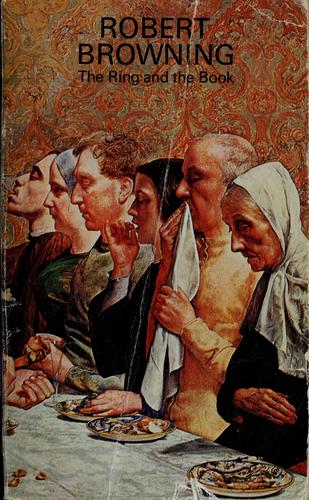
The Ring and the Book
1868 poem written by Robert Browning

Enoch Arden
1864 poem written by Alfred, Lord Tennyson

Hero and Leander
poem by Marlowe
Casabianca
English poem by Felicia Hemans
Aurora Leigh
epic novel/poem by Elizabeth Barrett Browning

Epipsychidion
thumb|1821 title page, Charles and James Ollier, London
thumb|1820–21 draft of Epipsychidion, Bodleian Library, Oxford
Anactoria
Anactoria (or Anaktoria; ) is a woman mentioned in the work of the ancient Greek poet Sappho. Sappho, who wrote in the late seventh and early sixth centuries BCE, names Anactoria as the object of her desire in a poem numbered as fragment 16. Another of her poems, fragment 31, is traditionally called the "Ode to Anactoria", although no name appears in it. As portrayed by Sappho, Anactoria is likely to have been an aristocratic follower of hers, of marriageable age. It is possible that fragment 16 was written in connection with her wedding to an unknown man. The name "Anactoria" has also be

Beppo
1817 poem written by Lord Byron

The Dry Salvages
1941 poem written by T. S. Eliot

The Revolt of Islam
poem by Percy Shelley
East Coker
poem by T. S. Eliot
Ode on Indolence
1819 poem by John Keats

Hours of Idleness
book by Lord Byron