Category
page 1Carnivorans of Central America
%202.jpg)
raccoon
The raccoon ( or , Procyon lotor), sometimes called the North American, northern or common raccoon (also spelled racoon) to distinguish it from other species of raccoon, is a mammal native to North America. It is the largest of the procyonid family, having a body length of , and a body weight of . Its grayish coat mostly consists of dense underfur, which insulates it against cold weather. The animal's most distinctive features include its extremely dexterous front paws, its facial mask, and its ringed tail, which are common themes in the mythologies of the Indigenous peoples of the Americas su

coyote
The coyote (Canis latrans) is a species of canine also known as the American jackal, prairie wolf, and brush wolf. It is native to North America, and it is smaller than its close relative, the gray wolf, and slightly smaller than the closely related eastern wolf and red wolf. It fills much of the same ecological niche as the golden jackal does in Eurasia but the coyote is generally larger.

kinkajou
The kinkajou (/ˈkɪŋkədʒuː/ KING-kə-joo; Potos flavus) is a mammal of the family Procyonidae, a relative to olingos, coatis, raccoons, and the ringtail and cacomistle. It is the only member of the genus Potos and is also known as the "honey bear" (a name that it shares with the unrelated sun bear). Though kinkajous are arboreal, they are not closely related to any other tree-dwelling mammal group (primates, some mustelids, etc.).
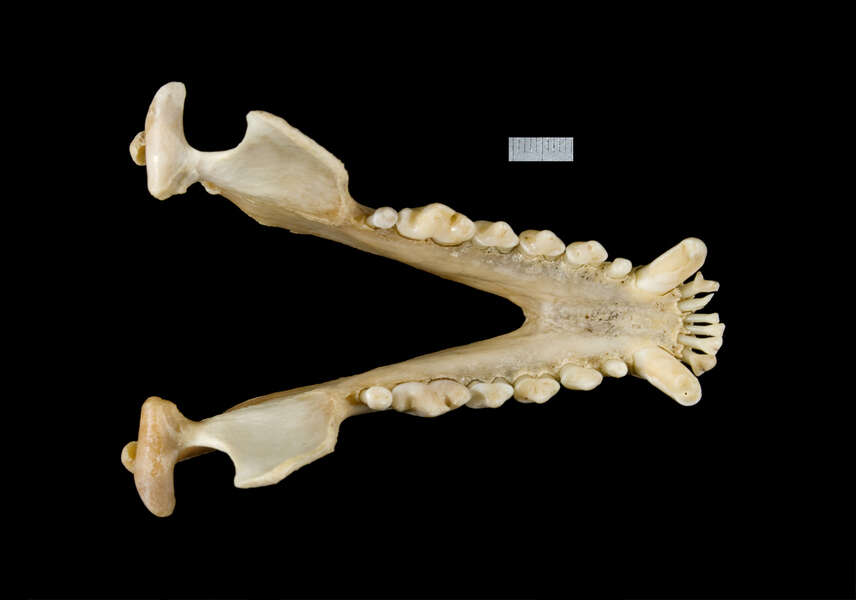
Speothos venaticus
species of canid found in Central and South America

Gray fox
species of mammal

tayra
The tayra (Eira barbara) is an omnivorous animal from the mustelid family, native to the Americas. It is the only species in the genus Eira.

white-nosed coati
species of mammal
Caribbean monk seal
species of mammal (fossil)

Neotropical otter
species of mammal

Crab-eating raccoon
species of mammal

Bassariscus sumichrasti
The cacomistle (; Bassariscus sumichrasti), also spelled cacomixtle, is a primarily nocturnal, arboreal, omnivorous member of the carnivoran family Procyonidae (coatis, kinkajous and raccoons). Depending on the location, its preferred habitats are humid and tropical evergreen jungle and montane cloud forests; seasonally, it may venture into drier, deciduous forests.

Greater grison
species of mammal
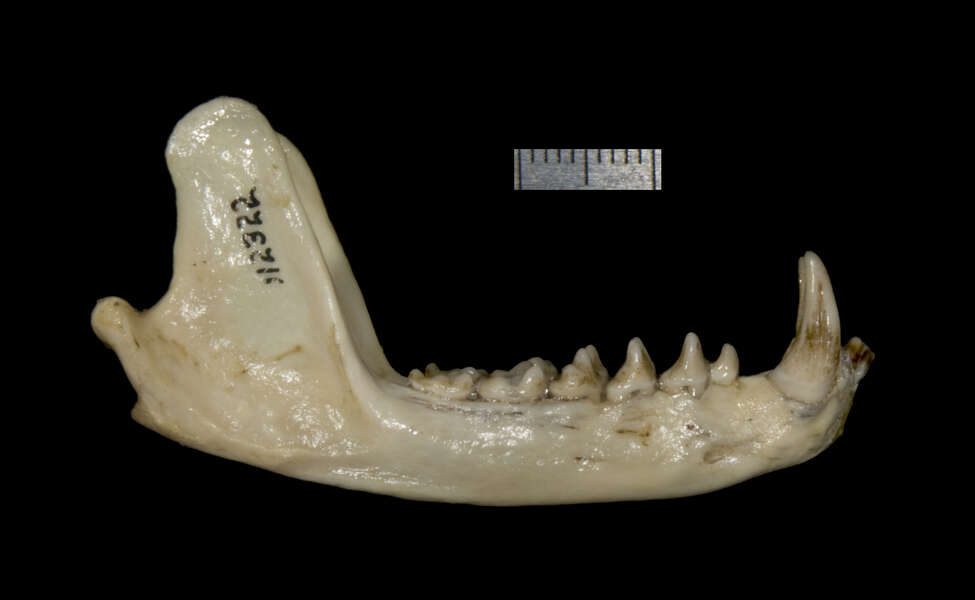
Bassaricyon
The genus Bassaricyon consists of small Neotropical procyonids, popularly known as olingos (), relatives of the raccoon. They are native to the rainforests of Central and South America from Nicaragua to Peru. They are arboreal and nocturnal, and live at elevations from sea level to . Olingos closely resemble another procyonid, the kinkajou, in morphology and habits, though they lack prehensile tails and extrudable tongues, have more extended muzzles, and possess anal scent glands. However, the two genera are not sisters. They also resemble galagos and certain lemurs.
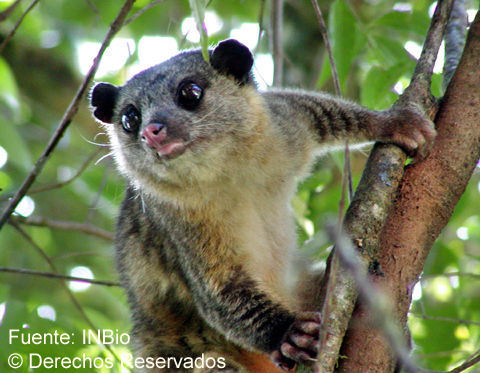
bushy-tailed olingo
species of mammal
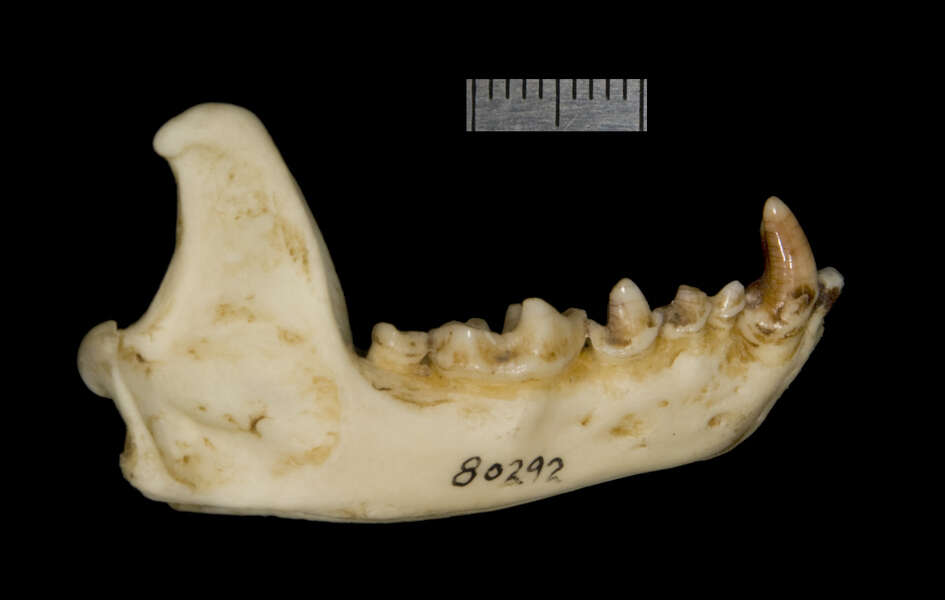
Conepatus semistriatus
species of mammal

hooded skunk
species of mammal
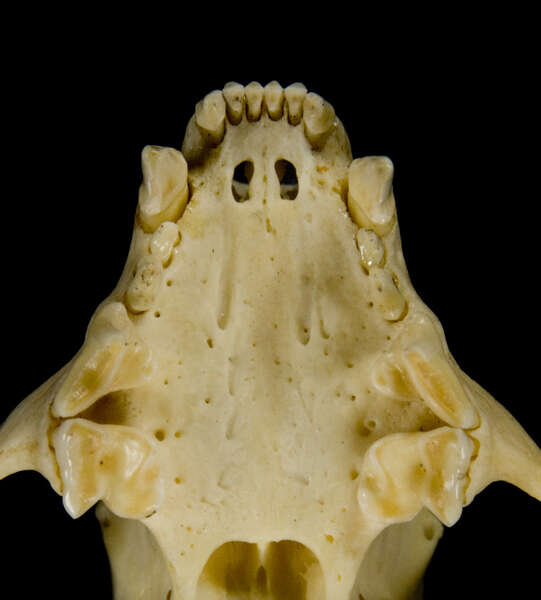
Spilogale
genus of mammals
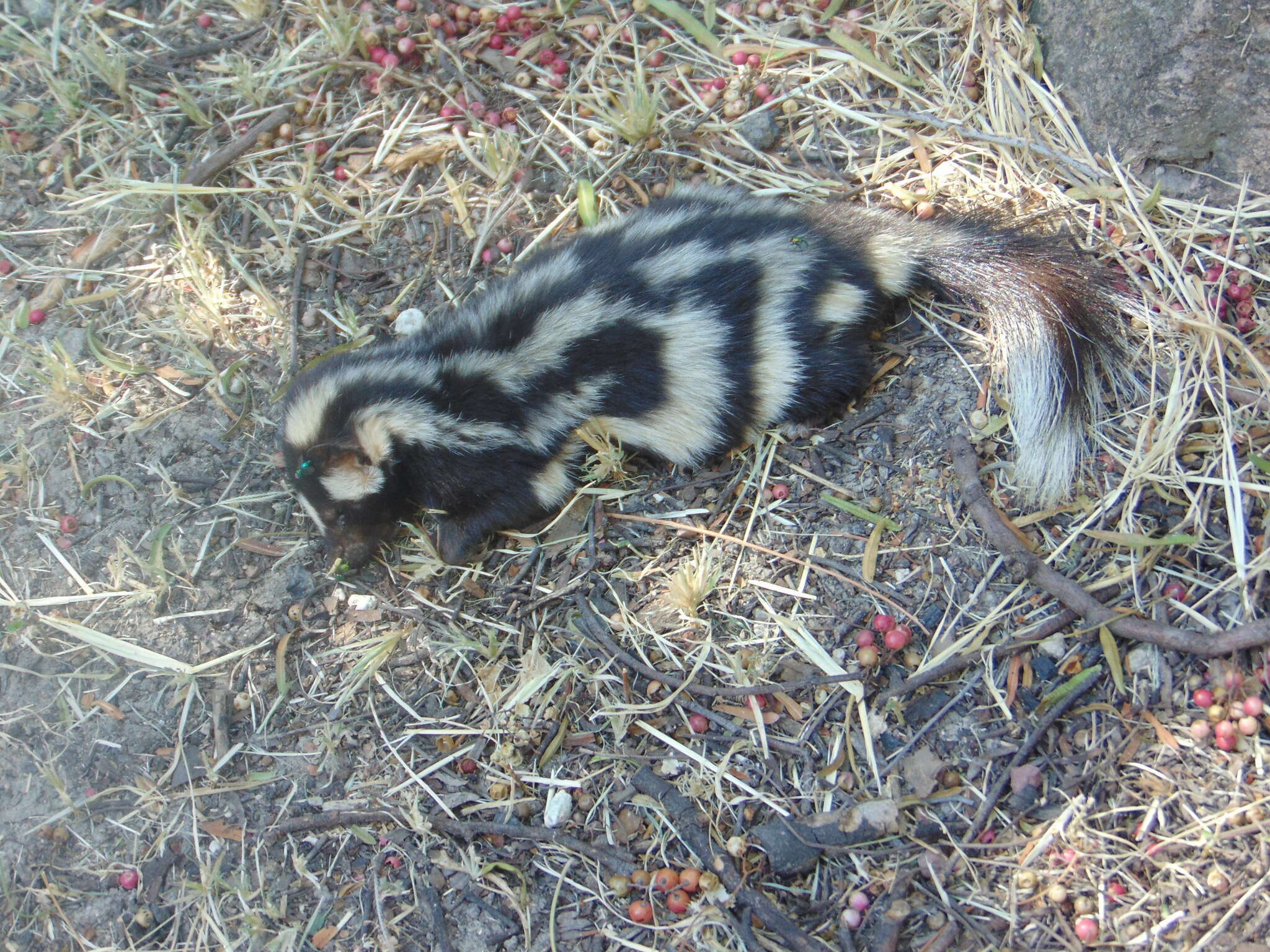
Southern spotted skunk
species of mammal in the skunk family

Conepatus leuconotus
species of mammal

coati
Coatis (from Tupí), also known as coatimundis (), are members of the family Procyonidae in the genera Nasua and Nasuella (comprising the subtribe Nasuina). They are diurnal mammals native to South America, Central America, Mexico, and the Southwestern United States. The name "coatimundi" comes from the Tupian languages of Brazil, where it means "lone coati". Locally in Belize, the coati is known as "quash".

western lowland olingo
species of mammal

skunk
Skunks are mammals in the family Mephitidae. They are known for their ability to spray a liquid with a strong, unpleasant scent from their anal glands. Different species of skunk vary in appearance from black-and-white to brown, cream or ginger colored, but all have warning coloration.