Category
page 1Chemosynthetic symbiosis
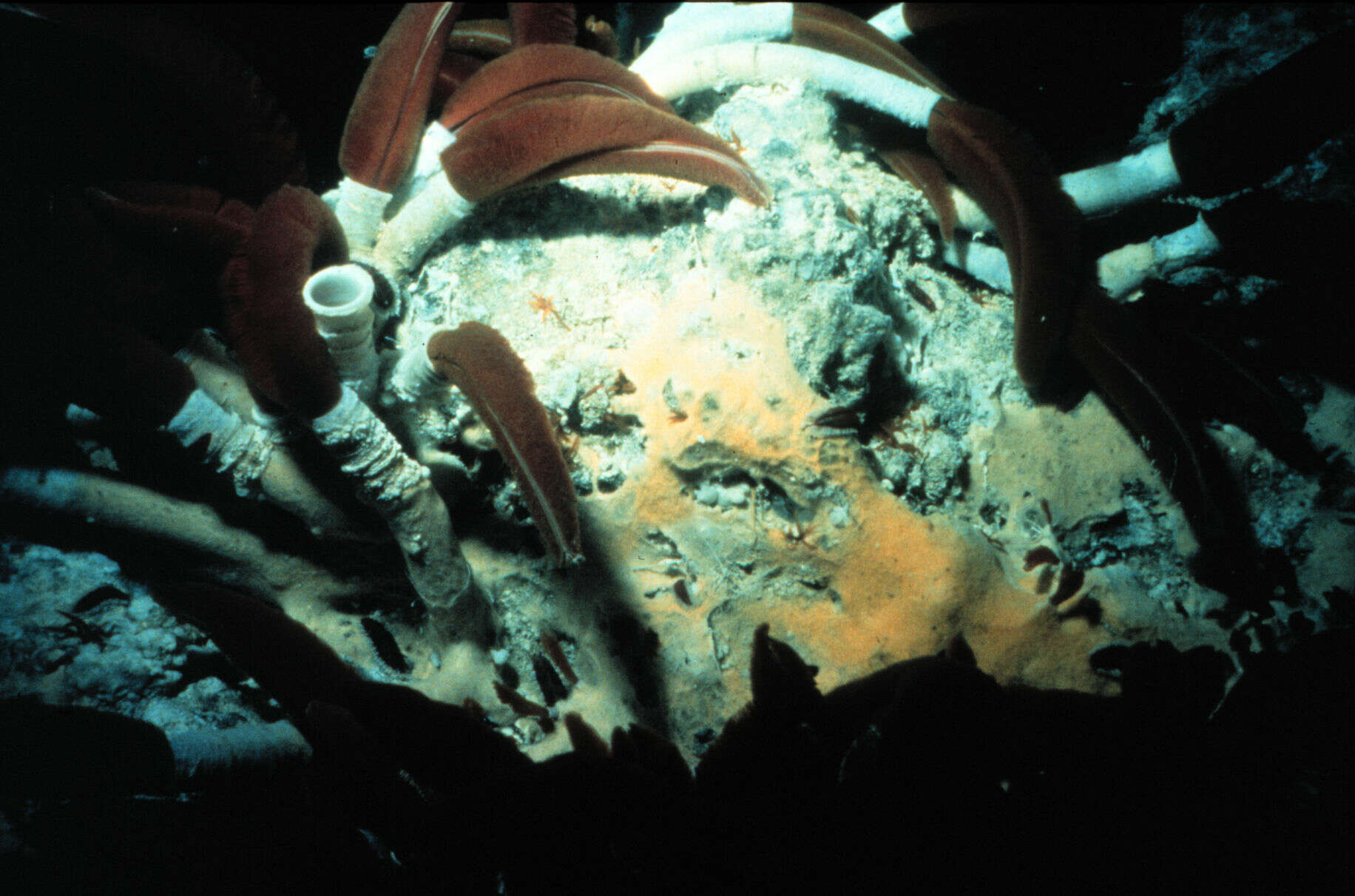
Siboglinidae
Siboglinidae is a family of polychaete annelid worms whose members made up the former phyla Pogonophora and Vestimentifera (the giant tube worms). The family is composed of around 100 species of vermiform creatures which live in thin tubes buried in sediment (Pogonophora) or in tubes attached to hard substratum (Vestimentifera) at ocean depths ranging from . They can also be found in association with hydrothermal vents, methane seeps, sunken plant material, and whale carcasses.
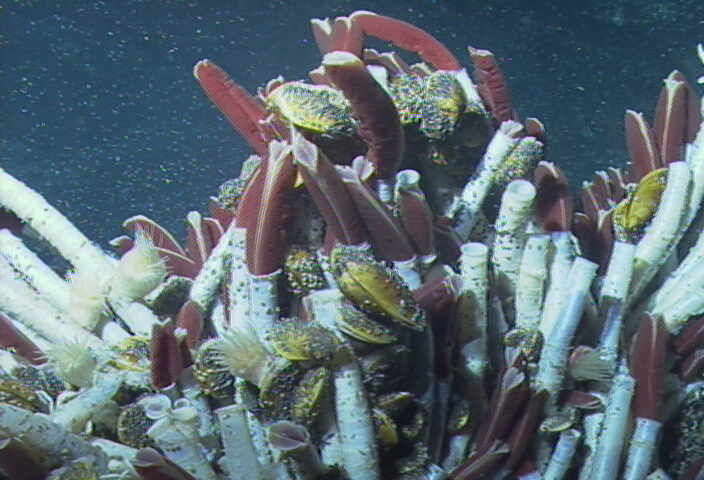
Giant tube worm
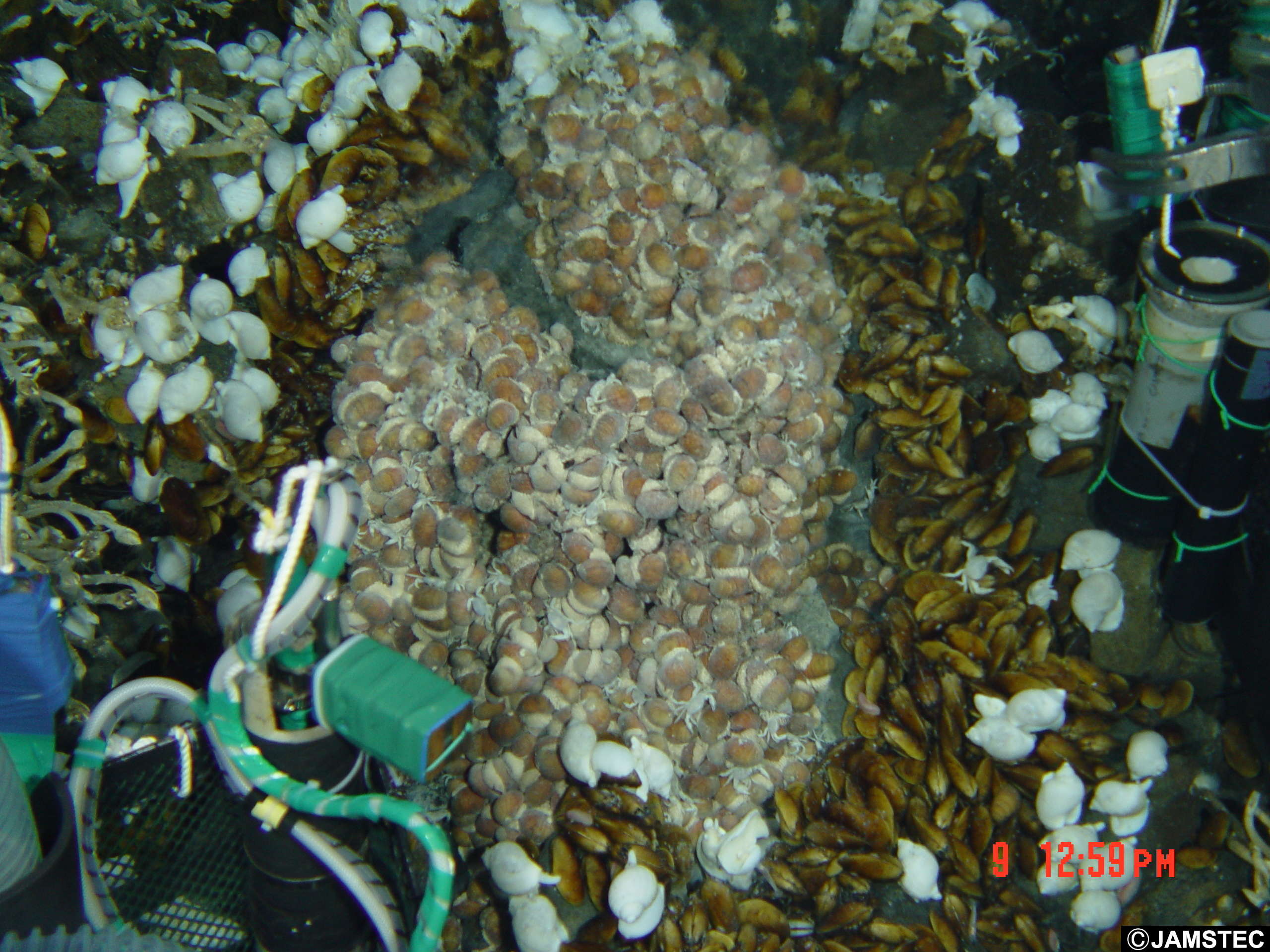
Chrysomallon squamiferum
species of deep-sea hydrothermal-vent snail
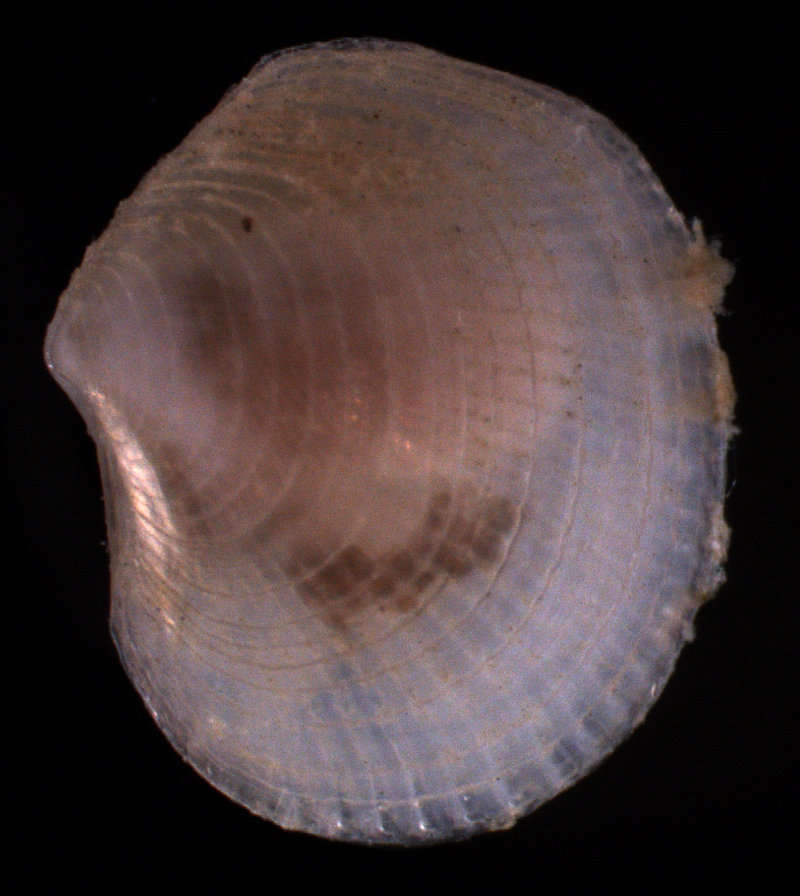
Lucinidae
Lucinidae, common name hatchet shells, is a family of saltwater clams, marine bivalve molluscs.
Lamellibrachia
Lamellibrachia is a genus of tube worms related to the giant tube worm, Riftia pachyptila. They live at deep-sea cold seeps where hydrocarbons (oil and methane) leak out of the seafloor, and are entirely reliant on internal, sulfide-oxidizing bacterial symbionts for their nutrition. The symbionts, gammaproteobacteria, require sulfide and inorganic carbon (carbon dioxide). The tube worms extract dissolved oxygen and hydrogen sulfide from the sea water with the crown of plumes. Species living near seeps can also obtain sulfide through their "roots", posterior extensions of their body and tube. S
Solemyidae
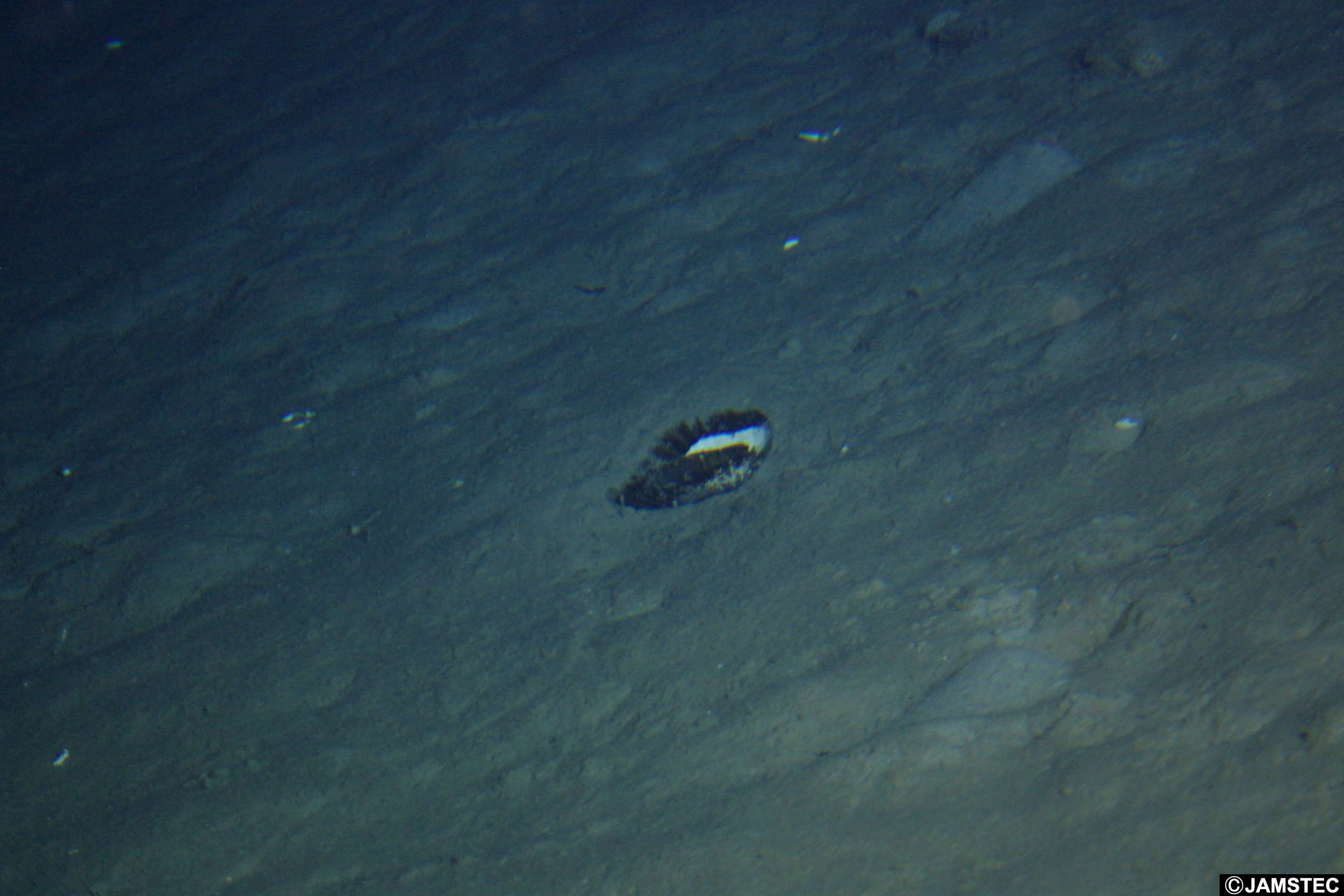
Solemyidae is a family of saltwater clams, marine protobranch bivalve mollusks in the order Solemyida.
Solemya
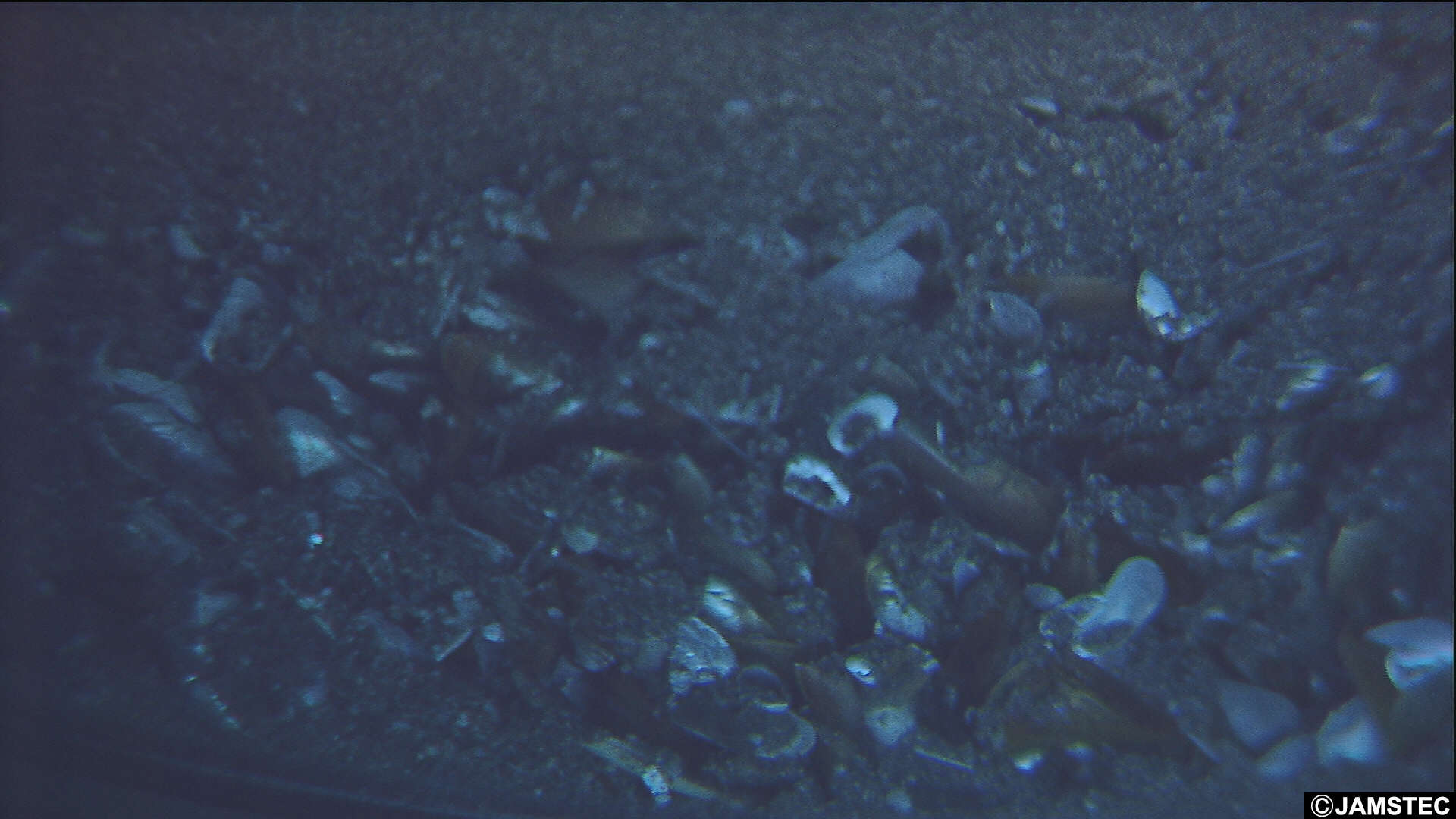
Solemya is a genus of saltwater clams, marine bivalve mollusks in the family Solemyidae, the awning clams. Solemya is the type genus of the family Solemyidae.
Kuphus polythalamia
species of mollusc

Bathymodiolus
Bathymodiolus is a genus of deep-sea mussels, marine bivalve molluscs in the family Mytilidae. Many of them contain intracellular chemoautotrophic bacterial symbionts.
Olavius algarvensis
species of annelid
Solemya velum
species of mollusc

Calyptogena magnifica
species of mollusc
Paracatenula
Paracatenula is a genus of millimeter sized free-living marine gutless catenulid flatworms.
Laxus
Laxus is a genus of nematode worms from the subfamily Stilbonematinae of the family Desmodoridae. Like other members of this subfamily, they are covered by a layer of symbiotic sulfur-oxidizing bacteria, which in Laxus are coccoid in shape. They are distinguished from other stilbonematine genera by the finely-annulated somatic cuticle, thickened cephalic cuticle, small and coiled amphidial fovea, and lack of male structures. There are at least five species in the genus. Some species have a dense bacterial coat.
Bathymodiolus thermophilus
species of mollusc
Inanidrilus leukodermatus
species of annelid
Kuphus
Kuphus is a genus of shipworms, marine bivalve molluscs in the family Teredinidae. While there are four extinct species in the genus, the only extant species is Kuphus polythalamius (also incorrectly spelled as Kuphus polythalamia). It is the longest bivalve mollusc in the world, where the only known permanent natural habitat is Kalamansig, Sultan Kudarat in the Philippines.