Category
page 1Culture of Bali

Balinese
Malayo-Polynesian language spoken on the island of Bali
Balinese
indigenous ethnic group native to Bali Islands

Legong
Legong (Balinese: , légong) is a form of Balinese dance. It is a refined dance form characterized by intricate finger movements, complicated footwork, and expressive gestures and facial expressions.
Balinese temple
Balinese Hindu temple

Kecak
Kecak (also spelled kécak, ketjak and kechak; ) or (), is a form of Balinese Hindu dance popularized in the 1930s. Since its creation, it has been performed primarily by men, with the first women's kecak group having started in 2006. The dance is based on the story of the Ramayana and is traditionally performed in temples and villages across Bali, Indonesia.
Balinese dance
Indonesian ancient performance and dance tradition that is part of the religious and artistic expression among the Balinese people of Bali island
Pendet
Indonesian traditional dance from Bali
Bali Aga
indigeous group native to Bali Island, Indonesia

Trunyan
thumb|right|The isolated Bali Aga village of Trunyan on the eastern shore of Lake Batur at the foot of Mount Abang.
Trunyan (Balinese: ᬢ᭄ᬭᬸᬜᬦ᭄) or Terunyan is a Balinese village (banjar) located on the eastern shore of Lake Batur, a caldera lake in Bangli Regency, central Bali, Indonesia. The village is one of the most notable homes of the Bali Aga people, the others being the villages of Tenganan and Sambiran. Trunyan is notable for its peculiar treatment of dead bodies, in which they are placed openly on the ground, simply covered with cloth and bamboo canopies, and left to decompose. The in

Tenganan
Tenganan Pegringsingan (Balinese script: ᬢᭂᬗᬦᬦ᭄ᬧᭂᬕ᭄ᬭᬶᬗ᭄ᬲᬶᬗᬦ᭄) or Pageringsingan is a village in the regency of Karangasem in East Bali, Indonesia. It is known for the gringsing or geringsing, double ikat textiles woven in only 3 places in the world; and for its gamelan selunding or Gambelan selonding music played on iron metallophones.
Balinese cuisine
cuisine tradition from the Island of Bali
Kata Kolok
language
candi bentar
type of gate in Indonesian architecture
Gandrung
Gandrung (; Osing: ; ; ) is a traditional dance from Indonesia. Gandrung has many variations and is popular in Bali, Lombok, and Eastern Java among the Balinese, Sasak, and Javanese (especially the Osing Javanese). The most popular variation is gandrung from the Banyuwangi region in the eastern peninsula of Java; thus, the city is often referred to as Kota Gandrung, or "the city of gandrung".
Originally a ritual dance dedicated to the goddess of rice and fertility, Dewi Sri, it is currently performed as a social dance of courtship and love in communal and social events, or as a tourist attract
Meru tower
Balinese temple structure
Canang sari
Daily offering in Balinese Hinduism
Balinese architecture
style of architecture

Ngaben
Ngaben, also known as Pitra Yadnya, Pelebon or cremation ceremony, is the Hindu funeral ritual of Bali, Indonesia. A Ngaben is performed to release the soul of a dead person so that it can enter the upper realm where it can wait for it to be reborn or become liberated from the cycles of rebirths. The Balinese Hindu theology holds that there is a competition between evil residents of the lower realm to capture this soul, and a proper cremation enhances the chance that it may reach the upper realm.
Gedong Kirtya
palm-leaf manuscript museum in Bali
Barong
Traditional Balinese and Javanese dance
Wedung
Wedung (or Wedoeng, Wedong) is a traditional large knife of the Javanese people and the Balinese people originating from Indonesia.
Paduraksa
thumb|300px|right|A paduraksa (left) marks the entrance into the main sanctum of the temple, while the candi bentar (right) marks the entrance into the outer sanctum of the temple.
Paduraksa, also known as kori is a type of gateway covered with towering roofs that can be found in the islands of Java and Bali, Indonesia. This architectural feature is commonly found in buildings from the classical Hindu-Buddhist period of Indonesia. Paduraksa marks the threshold into the most sacred space (the inner sanctum) within a religious compound, a cemetery, or a palace. In Balinese architecture, an elabo
Nusa Penida Balinese
Balinese dialect spoken on the island of Nusa Penida
Balinese caste system
traditional social stratification
Padmasana (shrine)
type of Balinese Temple
Bhoma
thumb|right|A representation of a Bhoma head guarding the top of the portal to a Balinese temple in Singapadu.
Sanghyang
'''' () is a traditional sacred Balinese dance originated from the Indonesian island of Bali. It is based on the premise that an unseen force enters the body of an entranced performer. The force, identified as hyang'', is an important type of spiritual entity in ancient Indonesian mythology.
Janger dance
Indonesian traditional dance
Tri Hita Karana
Balinese philosophy of harmony
Wantilan
thumb|right|300px|A Wantilan at Pura Taman Ayun, with a lowered central area for a stage used to hold a [[cockfighting ceremony.]]
A wantilan (Balinese script: ᬯᬦ᭄ᬢᬶᬮᬦ᭄) is a Balinese pavilion (bale) used for activities involving large crowds. A wantilan is the largest type of bale in Balinese architecture. A wantilan is basically a large wall-less hall placed under a large multi-tiered roof. A wantilan as a public building is usually located at a village's main square or main junction and functions as an open hall to hold large community activities such as meeting halls or a public musical ga
Umbul-umbul
thumb|Traditional Balinese red and white umbul-umbul are curved and decorated with janur (young coconut leaf).
Umbul-umbul, also called rérontek or, archaically, tunggul, are a type of flag or pennant made of a strip of cloth whose longer side is attached to a pole. They are used in the traditional culture of Java and Bali, Indonesia, where they are carried in festivals and serve other decorative purposes. Red and white Umbul-umbuls are raised throughout Indonesia along streets in August to commemorate the Indonesian independence day.
Balinese literature
Bale Kulkul

Balinese traditional house
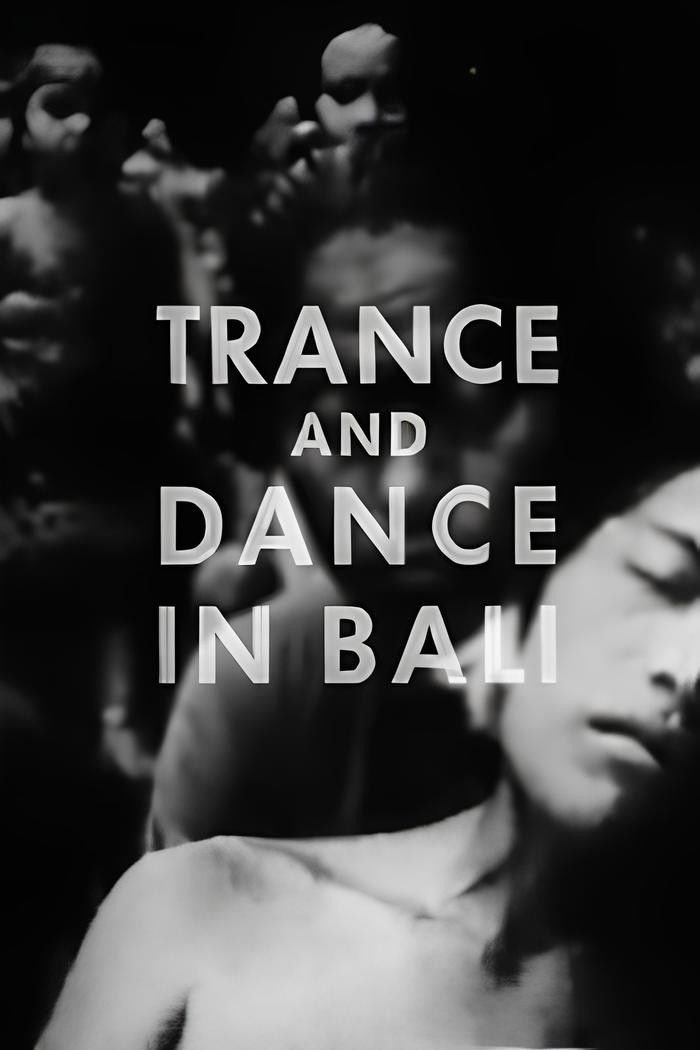
Trance and Dance in Bali
1952 film by Gregory Bateson, Margaret Mead
Pandan war
Indonesian martial art
Arja
form of Balinese theatre
Daluang paper
Indonesian beaten bark paper
Ludruk
Ludruk is one of the theatrical genres in East Java. It is a form of traditional performance presented by a troupe of actors (or comedians) on a stage, re-telling the life stories of everyday people and their struggles. Its origin is unclear, but it is believed to be dated as far back as the 13th century.
Bali Aga architecture
architecture of the Bali Aga people of Bali, Indonesia
Joged
Indonesian style of dance from the Island of Bali
omed-omedan
thumb|2017 omed-omedan ceremony in Sesetan, Denpasar, Bali
Omed-omedan (also spelled Oméd-omédan; ), or "The Kissing Ritual", is a ceremony that is held by the young people of Banjar Kaja Sesetan, Denpasar, Bali. Omed-omedan is held on the day of ngembak geni (a day after Nyepi) to celebrate the Saka new year. The name is derived from the Balinese language and means pull-pull.
Bali Kite Festival
Annual kite festival in Indonesia
Balinese name
system of identification used by the Balinese people