Category
page 1Culture of Bolivia
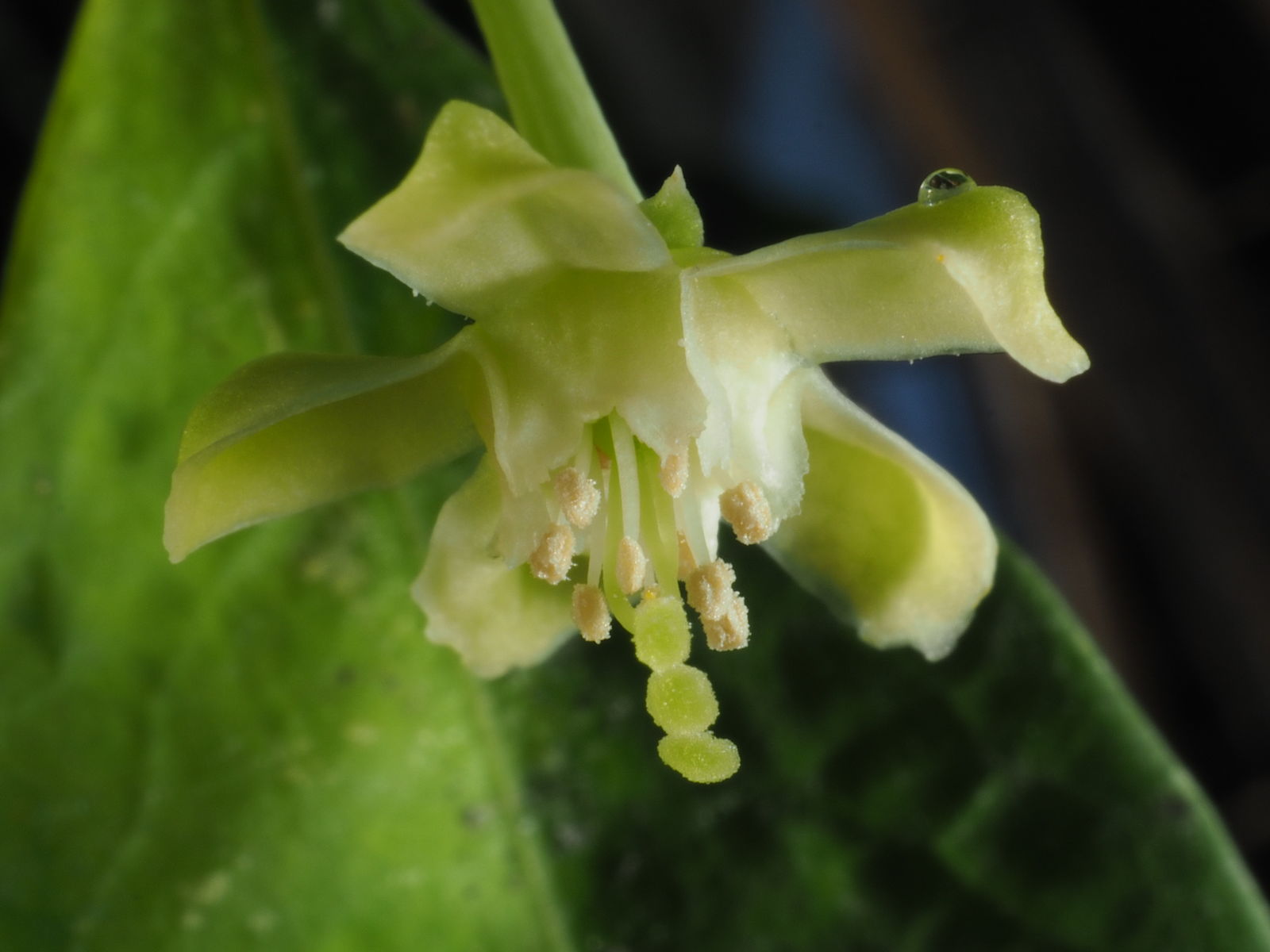
Erythroxylum coca
species of plant, coca

Kallawaya
alt=5 Kallawaya|thumb|A group of Kallawaya, 1900.

cueca
thumb|A couple dancing Cueca at Palacio de La Moneda during El Dieciocho
thumb|People dancing Cueca in 1906
Oruro carnival
Religious festival in Oruro Bolivia

morenada
The Morenada is an Andean folk dance whose origins is from Bolivia. This dance is practiced mainly in Bolivia as well as in Peru and in recent years with Bolivian immigration in Chile, Argentina and other countries.
Sumak kawsay
political and cultural proposal
Caporales
The Caporales is a traditional Bolivian dance originated in Los Yungas of La Paz. Caporales were created and presented to the public for the first time in 1969 by the Estrada Pacheco brothers, who were inspired in the character of the 'Caporal' who is the overseer of the black slaves and was usually mixed race, wore boots and held a whip, a dance that belongs to the region of the Yungas, Bolivia. The dance, however, has a prominent religious aspect. One supposedly dances for the Virgin of Socavón (patroness of miners) and promises to dance for three years of one's life. Caporal or caporales to

tinku
thumb|right|Tinku dancers dancing and performing the dance at the Carnaval de Oruro|Oruro carnival, in [[Bolivia]]
Tinku is a Bolivian Quechua tradition from Norte Potosí which began as a form of ritualistic combat. In the Quechua language, it means "meeting-encounter". During this ritual, men and women from different communities will meet and begin the festivities by dancing. The women will then form circles and begin chanting while the men proceed to fight each other; eventually the women will join in the fighting as well. Large tinkus are held in Potosí during the first few weeks of May.
Bolivian Spanish
Spanish dialect in Bolivia
culture of Bolivia
pattern of human activity and symbolism associated with Bolivia and its people

Ekeko
thumb|Representation of the Ekeko in La Paz, [[Bolivia]]
Akullikuy
thumb|Ceramic bowl with a "volador" with ball of coca in their mouth
Acullico, chacchado, akulliku, acuyico (quechua word akullikuy), acusi, ' or mascada' is a social, ritual and medicinal practice where a small bolus of coca is placed in the mouth between the cheek and jaw. It is a practice of various regions in South America, such as Northwest Argentina, Western Bolivia, Peru, Chile, Ecuador and Colombia to reduce altitude sickness due to the lack of oxygen in the atmosphere in high altitudes, and reduce fatigue, hunger and indigestion.
Llajua
thumb|Llajwa
National Archive and Library of Bolivia
national archives and national library
saya afroboliviana
music and dance of Afro-Bolivian people, born in Los Yungas in Bolivia
Sajama Lines
straight paths etched into the ground by the indigenous people living near Nevado Sajama
Pulacayo
The historic industrial site of Pulacayo is located in the Potosí Department of Bolivia. The mining center developed around Huanchaca, the world's second largest silver mine, and was founded in 1833. Features of the mining center include:
Aniceto Arce’s house
The Maestranza
The refinery’s smelting works
A spinning mill
The first railroad to ever reach Bolivia
Virgen de Copacabana
Patron saint of Bolivia
Llamerada
thumb|Llamerada is a dance that is practiced in Bolivia and Peru. The dance is inspired by llama herders and shepherds.
Llamerada It is a representation of the llama muleteers who went from the highlands altiplano to the valleys to exchange products, using the llama as a means of transporting products. It is also a remembrance of the task of herding llamas and has historical religious value as a ritual of good fortune.
Pukllay
thumb|right|alt=Evo Morales and Eli Salguero at Pujllay|Former Bolivian President Evo Morales and Culture Minister [[Elizabeth Salguero attend the Pukllay festival which their administration has nominated for UNESCO recognition]]
Pukllay or phukllay (Quechua for to play, play / carnival, other spellings pucllay, pugllay, phujllay, pujhllay, pujllay, puqhllay) is a traditional festival held in the central Andes. The word "play" refers to either the clouds or the blossoms "playing" in the winds at the end of the rainy season and thus harvesting time. The Bolivian Pukllay is connected to the Chri