Category
page 1Culture of Malaysia
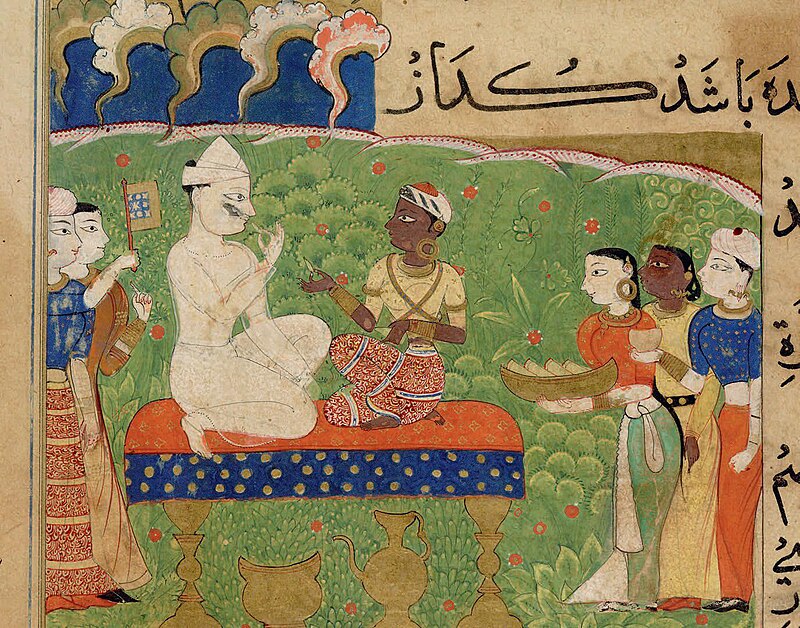
Paan
Hindi word for betel used for a stimulating and psychoactive preparation combined with areca nut and/or cured tobacco
red envelope
monetary gift given in eastern Asia

songkok
The songkok (Jawi: ) or peci or kopiah (Pegon: ) is a fez widely worn in Brunei, Indonesia, Malaysia, Singapore, the southern Philippines, southern Thailand and Malay World most commonly among Muslim males. It has the shape of a truncated cone, usually made of black or embroidered felt, cotton or velvet. It is also worn by males in formal occasions such as weddings and funerals or festive occasions such as the Eid ul-Fitr and Eid al-Adha holidays. In Indonesia, the peci is also associated with the nationalist movement.
culture of Malaysia
pattern of human activity and symbolism associated with Malaysia and its people

songket
Songket or sungkit is a tenun fabric that belongs to the brocade family of textiles of Brunei, Indonesia, and Malaysia. It is hand-woven in silk or cotton, and intricately patterned with gold or silver threads. The metallic threads stand out against the background cloth to create a shimmering effect. In the weaving process the metallic threads are inserted in between the silk or cotton weft (latitudinal) threads in a technique called supplementary weft weaving technique.

Warung
thumb|right|300px|A village warung in Garut Regency|Garut
Brunei Malay
vernacular Malayic language variety spoken in Brunei
snake charming
practice of appearing to hypnotise a snake
Baju Kurung
Indonesian and Malaysian traditional clothing
Congkak
mancala game
fire piston
mechanical machine for igniting tinder by adiabatic compression

hikayah
right|thumb|A copy of the Hang Tuah Saga in display.
Hikayat (Jawi: ; ) (or hikajat), which may be translated as "Romances", represent a genre of literature popular in Malay and Sikh literature and can be written in both verse and prose. Hikayat often mix past- and present-tense such that past events appear to be prophesied. Texts in this genre are meant to be publicly performed and are also often self-referential, in which they record examples of the recitation of other hikayat.
Upin & Ipin
Malaysian animated children's television series
parang
Indonesian type of machete

Kaamatan
Kaamatan (; ) is a form of harvest festival celebrated on 30 and 31 May annually in the state of Sabah in Malaysia.
karaoke box
type of karaoke establishment
pasar malam
night market found in Brunei, Indonesia, Malaysia and Singapore
Malaysian literature
Literature of Malaysia
Nine Emperor Gods Festival
taoist celebration in Southeast Asia
Rukunegara
Malaysian declaration of national philosophy
Mamak stall
Food stall
Malay styles and titles
Malay-language system of styles, titles and honorifics; title of honour used to refer to Kings, nobles and other dignitaries in Malaysia, Brunei, Indonesia, Singapore and the South Philippines.
Silat Melayu
Malay type of Silat originated from Malay World
Tradition of removing shoes in home
cultural practices
rentaka
thumb|250px|Two Malay rentaka
Keling
Keling () or Kling is an exonym to denote a Indian or someone deemed to have originated from South India. Originally a neutral term, since the mid-20th century it has been considered derogatory and an ethnic slur, and it is sometimes euphemistically referred to as the K-word. The term is used in parts of Southeast Asia, particularly the Malay Archipelago where there are a significant Tamil diaspora specifically Malaysia, Indonesia, Singapore and Brunei but cognates exist in neighbouring countries as well.
Payung dance
Indonesian traditional dance
Zapin
Zapin (Jawi: زافين) is one of the most popular dance and musical forms in traditional Malay performing arts. Dance movements are choreographed to melodies, which are performed using musical instruments such as the gambus (short-necked lute), accordion, and rebana.
It is believed to have been introduced by Persian and Arab Muslim missionaries from the Middle East to the Malay Archipelago around the fourteenth century, where back then only males were allowed to perform; nowadays, female dancers are included. It used to be performed exclusively for religious ceremonies but through the years it ha
Sembah
Sembah (, , ) is an Indonesian greeting and gesture of respect and reverence performed by clasping the palms together solemnly in a prayer-like fashion, placing them in front of the chest and, while bowing slightly, moving the pressed palms up to either the chin, or until the thumbs touch the tip of their nose, depending on the status of the person greeted.
Romvong
thumb|right|Hand gestures associated with Romvong
Tudong
thumb|Variety of tudongs (tudung) sold in Malaysia.
Baju Melayu
traditional clothing of Malay ethnic, originated from Malacca Sultanate
Ramadan in Malaysia
religious observance in Malaysia
bamboo cannon
type of home-made firecracker
Malay folklore
Nang Talung
shadow puppetry from Thailand
Rasa Sayang
traditional songs from Maluku
Pua Kumbu
traditional Iban ceremonial woven textile originating from Borneo
Cetbang
thumb|Bronze hand cannon cetbang, found in the Brantas River|Brantas river, Sumberagung village, Jombang, East Java. The mouth of the cannon is on the right, while the left is where the pole is attached.
Malaysian names
personal names in Malaysia
tempok
thumb|Daun kelapa style tempok used by the Negrito people.
Tempok or tempo (also known as boh hor, sajak, and ta jug) are common names for traditional headgears of indigenous Proto-Malay, Negrito, and Senoi people of the Malay Peninsula. It is commonly made from long leaves such as from various palm trees, and then woven to form a pattern and shape into a ring that can be worn on one's head. There are also tempoks made of tree barks and other natural materials.
Samping
thumb|A Malaysian royal guard combining samping with full military dress
lela
light Nusantaran cannon larger than a rentaka

National Archives of Malaysia
Malaysian national archive located in Kuala Lumpur
Ulek mayang
Traditional dance originating from Java island | Javanese traditional dance
Gawai Dayak
harvest festival in Malaysia
Ministry of Tourism, Arts and Culture
Malaysian federal government ministry
Rodat
type of dance
Pasar pagi
type of traditional market found in Indonesia and Malaysia
folklore of Malaysia
local tales and legends from Malaysia
Likay
thumb|Snippet from a likay performance at Wat Khung Taphao, Uttaradit Province
public holidays in Malaysia
Wikimedia list article
Malay gamelan
style of gamelan music