Category
page 1Culture of Mexico

Lagenaria siceraria
Calabash (; Lagenaria siceraria), also known as bottle gourd, white-flowered gourd, long melon, birdhouse gourd, New Guinea bean, New Guinea butter bean, Tasmania bean, zucca melon and opo squash, is a vine which is grown for its fruit. It belongs to the family Cucurbitaceae, is native to tropical Africa, and cultivated across the tropics. It can be either harvested young to be consumed as a vegetable, or harvested mature to be dried and used as a kitchen utensil (typically as a ladle or bowl), beverage container or a musical instrument. When it is fresh, the fruit has a light green smooth ski
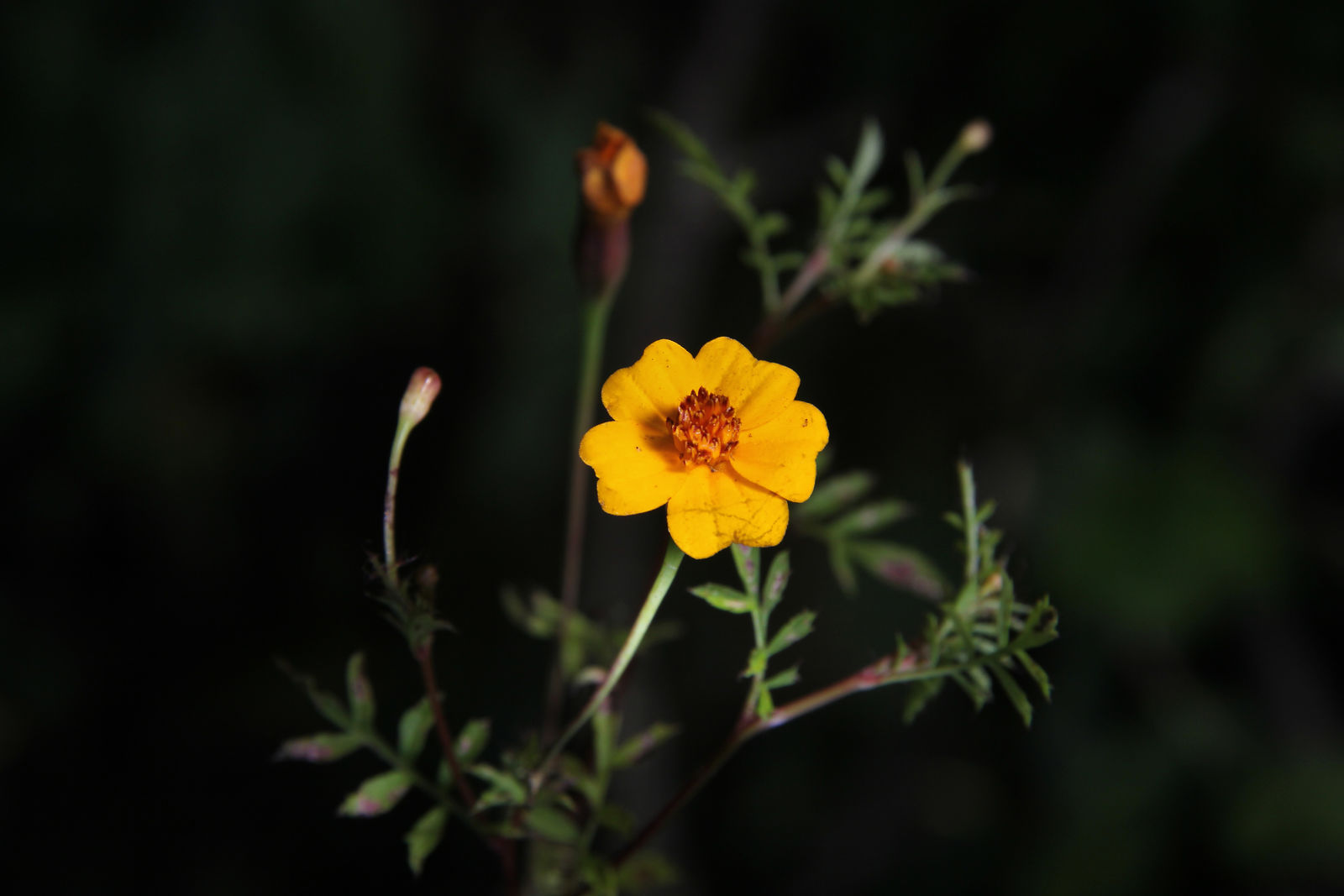
Tagetes
Tagetes () is a genus of 50 species of annual or perennial, mostly herbaceous plants in the family Asteraceae. They are among several groups of plants known in English as marigolds. The genus Tagetes was described by Carl Linnaeus in 1753.
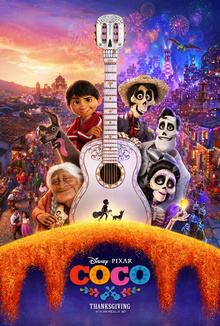
Coco
2017 American animated film

Day of the Dead
The Day of the Dead is a holiday traditionally celebrated on November 1 and 2, though other days, such as October 31 or November 6, may be included depending on the locality. The multi-day holiday involves family and friends gathering to pay respects and remember friends and family members who have died. These celebrations can take a humorous tone, as celebrants remember amusing events and anecdotes about the departed. It is widely observed in Mexico, where it largely developed, and is also observed in other places, especially by people of Mexican heritage. The observance falls during the Christian period of Allhallowtide. Some argue that there are Indigenous Mexican or ancient Aztec influences that account for the custom, though others see it as a local expression of the Allhallowtide season that was brought to the region by the Spanish; the Day of the Dead has become a way to remember those forebears of Mexican culture. The Day of the Dead is largely seen as having a festive characteristic.
El Chavo del 8
Mexican television sitcom

ranch
thumb|350px|View of the Grant-Kohrs Ranch National Historic Site|Grant-Kohrs Ranch near [[Deer Lodge, Montana, U.S.]]
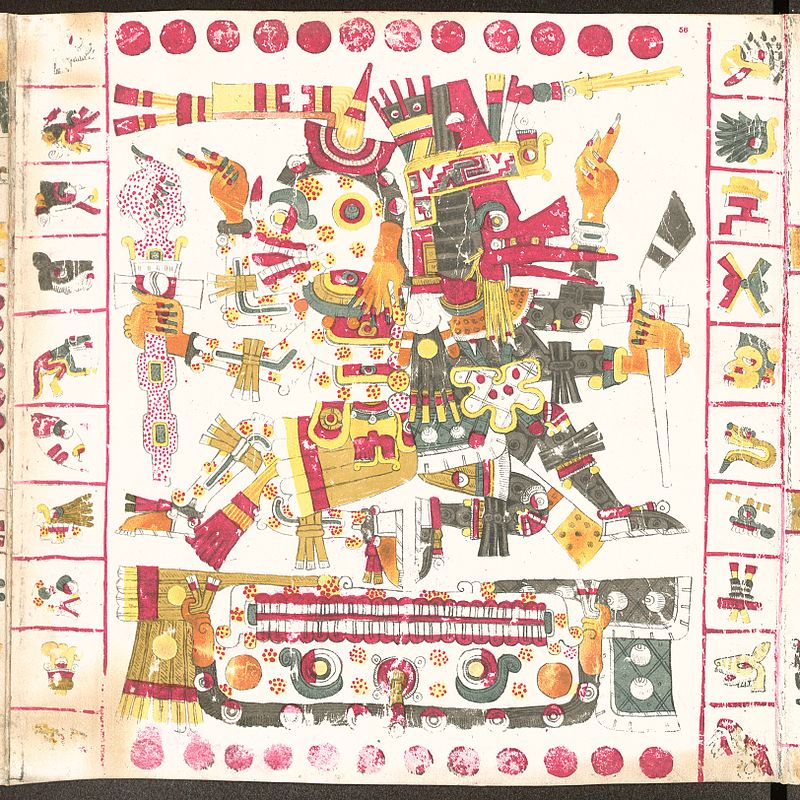
Aztec mythology
collection of myths of the Aztec civilization
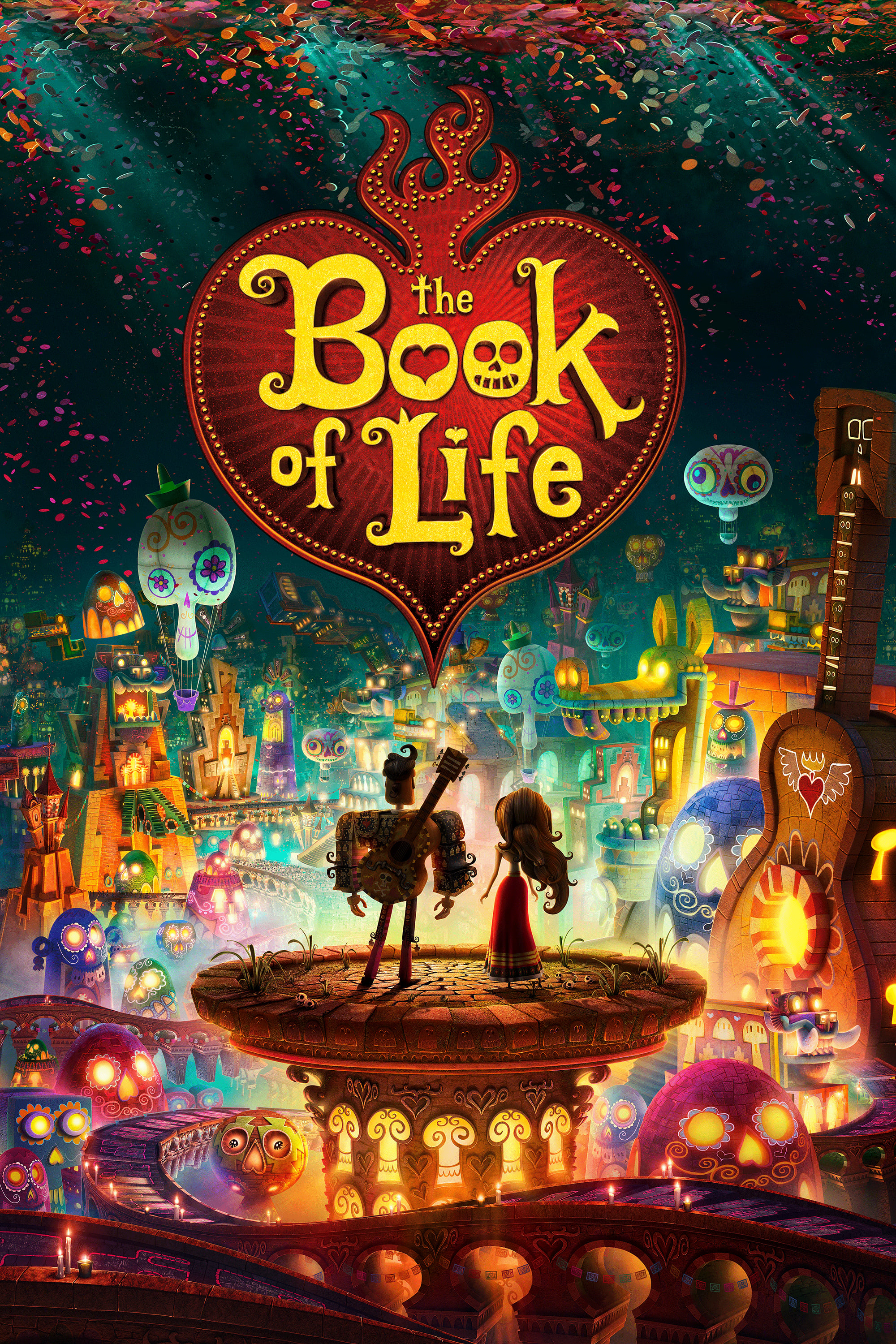
The Book of Life
2014 American animated film directed by Jorge Gutiérrez

piñata
thumb|right|A nine-pointed star piñata
thumb|right|A woman strikes a piñata at a celebration.
Templo Mayor
main Temple of Tenochtitlan
National Palace
Seat of the Executive branch of the Mexican Federal Government in Mexico City

Zócalo
Zócalo () is the common name of the main square in central Mexico City. Prior to the conquest by Spain, it was the main ceremonial center in the Aztec city of Tenochtitlan. The plaza used to be known simply as the Plaza Mayor ("Main Square") or Plaza de Armas ("Arms Square"), and today its formal name is Plaza de la Constitución ("Constitution Square").
the wave
example of metachronal rhythm achieved in a packed stadium
Mexican Spanish
dialect of Spanish spoken and written in Mexico
La Cucaracha
Spanish traditional folk song
Danza de los Voladores
Mesoamerican rite

metate
thumb|Metate, mano and corn, all circa 12th century AD, from Chaco Canyon, USA
thumb|Mano, metate and bowl of corn. Museum display of Ancestral Pueblo artifacts at [[Mesa Verde National Park.]]
A metate (or mealing stone) is a type or variety of quern, a ground stone tool used for processing grain and seeds. In traditional Mesoamerican cultures, metates are typically used by women who would grind nixtamalized maize and other organic materials during food preparation (e.g., making tortillas). Similar artifacts have been found in other regions, such as the sil-batta in Bihar and Jharkhand, India
La Calavera Catrina
1910–1913 sketching by José Guadalupe Posada

Beverly Hills Chihuahua 2
2011 film directed by Alex Zamm
¡Que viva México!
film project begun in 1930 directed by Sergei Eisenstein
culture of Mexico
culture and traditions in Mexico
pan de muerto
type of sweet roll traditionally baked in Mexico during the weeks leading up to the Día de Muertos
Agave Landscape and Ancient Industrial Facilities of Tequila
cultural landscape in Mexico
languages of Mexico
languages of a geographic region

Temazcal
thumb|260px|Temazcal at the Joya de Cerén archaeological site, El Salvador
A temazcal is a type of sweat lodge, which originated with indigenous peoples in Mesoamerica. The term temazcal comes from the Nahuatl language, either from the words (to bathe) and (house), or from the word (house of heat).
Catholic Church in Mexico

Alebrije
thumb|300px|Alebrijes at the Pochote Market in the city of Oaxaca
thumb|Zacualpan Mojiganga 070
thumb|300px|Animation clip (in Spanish) about alebrijes made by the Museo de Arte Popular in collaboration with Wiki Learning, Tec de Monterrey
Alebrijes () are brightly colored Mexican folk art sculptures of fantastical (fantasy/mythical) creatures, traditionally made from papier-mâché or wood. The art form originated in Mexico City in the 1930s, when Pedro Linares, a papier-mâché artist, began creating surreal, dreamlike creatures after experiencing vivid hallucinations during an illness. His desi
Academy of San Carlos
first major art academy and the first art museum in the Americas

Marianismo
thumb|Marianismo derives from Roman Catholicism|Roman Catholic and Hispanic American beliefs about Mary, mother of Jesus, providing a supposed ideal of true [[femininity as the "absolute role model" for adult and young Hispanic/Latina women.]]

muxe
alt=Photo: Miho Hagino|thumb|Felina Santiago, Muxe activist, President of the Muxe Group Las Auténticas Intrépidas Buscadoras del Peligro Photo: Miho Hagino
thumb|Lukas Avendaño, a Zapotec peoples|Zapotec muxe [[performance artist.]]
.png)
Charreada
Charrería (), also known historically as Jaripeo, is the national sport of Mexico and a discipline arising from equestrian activities and livestock traditions used in the haciendas of the Viceroyalty of New Spain.

Calavera
thumb|A sugar skull, a common gift for children and decoration for the Day of the Dead.
Mexican art
The Posadas
Christmas tradition in the Spanish-speaking world

La Adelita
Mexican song about female soldiers

Adamo Boari
Italian architect (1863–1928)

charro
thumb|A charro on his horse
thumb|Female and male charro regalia, including sombreros de charro
thumbnail|right|Mexican Charro (1828). Originally, the term "Charro" was a derogatory name for the Mexican Rancheros, the inhabitants of the countryside. The term is synonymous with the English terms "yokel", "hick", "country bumpkin", or "rube".
Double-headed serpent
mosaic serpent at the British museum
China Poblana
traditional women's dress of Mexico

offering to the dead
thumb|Pan de muerto altar commemorating a deceased man in Milpa Alta, México DF
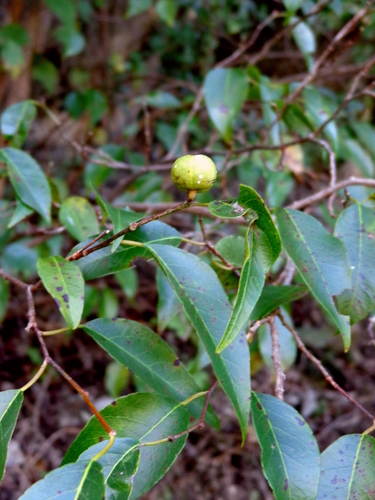
Sebastiania pavoniana
species of plant
Jorge R. Gutiérrez
Mexican animator
Parachico
thumb|right|250px|alt=Parachico|Parachico dancer
The Parachico or Parachicos are traditional dancers from Chiapa de Corzo, Chiapas, Mexico, who dance on the streets of the town during the Grand Fiesta festivities, which take place from January 15 to 23 every year. The festival honors the local patron saints the Black Christ of Esquipulas, Saint Anthony Abbot, and Saint Sebastian. It is claimed locally that, like many of the Catholic festivals in Latin America, it has its roots in the much older indigenous culture. So it has developed into a hybrid of old indigenous culture and newer Catholic a
malinchism
thumb|upright=1.5|350px|right|Codex Azcatitlan, [[Hernán Cortés and Malinche (far right), early 16th-century indigenous pictorial manuscript of the conquest of Mexico]]
Latino World Order
professional wrestling stable
rebozo
thumb|Painting of a woman with a rebozo Juan Rodríguez Juárez.
A rebozo is a long flat garment, very similar to a shawl, worn mostly by women in Mexico. It can be worn in various ways, usually folded or wrapped around the head and/or upper body to shade from the sun, provide warmth and as an accessory to an outfit. It is also used to carry babies and large bundles, especially among indigenous women. The origin of the garment is unclear, but Indigenous women of Mesoamerica were the primary weavers of the first rebozos, often crafted with body-tensioned or back-strap "otate" looms. Spaniards use
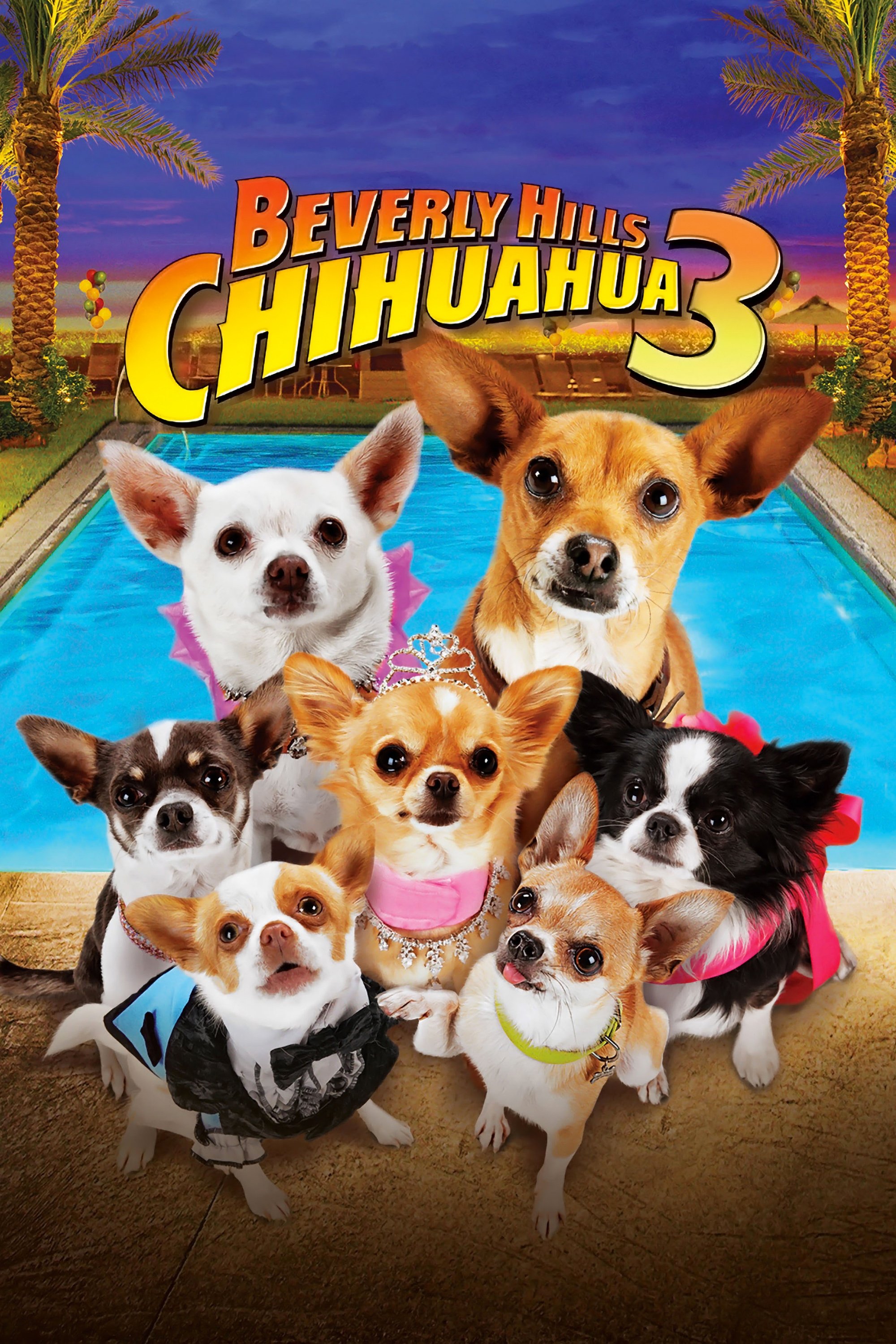
Beverly Hills Chihuahua 3: Viva la Fiesta!
2012 film directed by Lev L. Spiro
Mexican jumping bean
seed pods inhabited by a moth larva, known for "jumping" when heated
vaquero
300px|thumb|upright=1.35|Vaquero (1877)
thumb|“Music of the Plains” (mural study, Kilgore, Texas, 1939) by [[Xavier Gonzalez. This New Deal-era artwork features a Vaquero serenading a woman, symbolizing the deep Hispanic cultural roots in Kilgore's identity. The original study is housed in the Smithsonian American Art Museum.]]
Calaca
thumb|A "Catrina" sculpture
thumb|A calaca of La Calavera Catrina|alt=A calaca of La Calavera Catrina
A calaca (, a colloquial Mexican Spanish name for skeleton) is a figure of a skull or skeleton (usually human) commonly used for decoration during the Mexican Day of the Dead festival, although they are made all year round.

Papel picado
Mexican decorative craft made by tissue paper
National Symphony Orchestra
National Symphony Orchestra of Mexico
Tejate
right|thumbnail|275px|Vendor mixing the beverage before serving it
Tejate is a non-alcoholic maize and cacao beverage traditionally made in Oaxaca, Mexico, originating from pre-Hispanic times. It remains very popular among the indigenous Mixtec and Zapotec peoples, especially in rural areas. It is also very popular in Oaxaca and the surrounding regions. Principal ingredients include toasted maize, fermented cacao beans, toasted mamey pits (pixtle) and flor de cacao (also known as rosita de cacao). These are finely ground into a paste. The paste is mixed with water, usually by hand, and when it
tianguis
thumb|300px|Tianguis or market day in Ixcateopan de Cuauhtémoc, [[Guerrero]]
thumb|Tianguis near central Monterrey.
A '''''' is an open-air market or bazaar that is traditionally held on certain market days in a town or city neighborhood in Mexico and Central America. This bazaar tradition has its roots well into the pre-Hispanic period and continues in many cases essentially unchanged into the present day. The word comes from in Classical Nahuatl, the language of the Aztec Empire. In rural areas, many traditional types of merchandise are still sold, such as agriculture supplies and products a
Academia Mexicana de la Lengua
organization

Lotería
Lotería (Spanish word meaning "lottery") is a traditional Mexican board game of chance, similar to bingo, but played with a deck of cards instead of numbered balls. Each card has an image of an object, its name, and a number, although the number is usually ignored. Each player has at least one '', a board with a randomly created 4 × 4 grid selected from the card images. Players choose a tabla ("board") to play with, from a variety of previously created '', each with a different selection of images.
quechquemitl
thumb|300px|Quezquémetl from the Huasteca#Huasteca_potosina|Huasteca Potosina, identifiable for its colours
Mexico Pavilion
pavilion of World Showcase in Epcot
Museo de la Secretaría de Hacienda y Crédito Público
art museum in Mexico City
Guadalajara International Book Fair
Book fair in Guadalajara, Mexico