Category
page 1Culture of Myanmar
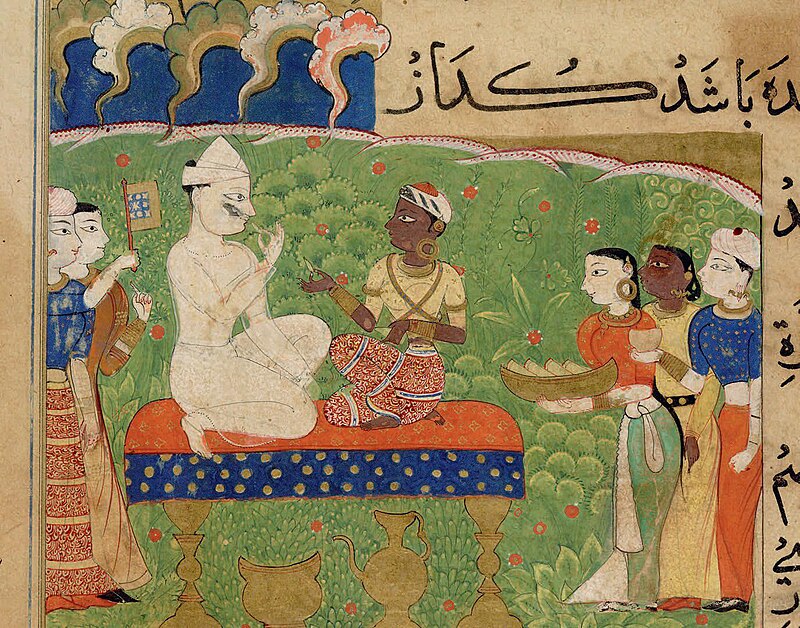
Paan
Hindi word for betel used for a stimulating and psychoactive preparation combined with areca nut and/or cured tobacco
white elephant
albino elephant
Mohinga
Mohinga (, ; also spelt mont hin gar) is the national dish of Myanmar. Mohinga is fish soup made with rice noodles, typically served as a hearty breakfast. It features a rich broth flavored with lemongrass, turmeric, and fish sauce, often garnished with boiled eggs, cilantro, and crispy fritters. Mohinga is readily available in most parts of the country, sold by street hawkers and roadside stalls in larger cities. Mohinga is traditionally eaten for breakfast, but nowadays it is eaten at any time of day. Egg, onions or herbs can be added into the dish.
Burmese cuisine
culinary traditions of Burma

thanaka
thumb|Village girls wearing thanaka at Inwa|Ava, Burma
Royal Ploughing Ceremony
traditional rite in some Asian countries
culture of Myanmar
pattern of human activity and symbolism associated with Myanmar and its people
Mingun Bell
bell
Myanmar units of measurement
Burmese unit system
Burmese name
naming system of Burma/Myanmar
Hamsa
species of aquatic bird mentioned in ancient Indian texts
Myazedi inscription
artifact

Chinthe
thumb|Lion statues surround the Independence Monument in Maha Bandula Park, in front of [[Yangon City Hall]]
thumb|Two lions guard the entrance to Shwedagon Pagoda
Chinthe ( (); (); ()) is the Burmese word for 'lion'. The leograph of Chinthe is a highly stylized lion commonly depicted in Burmese iconography and architecture, especially as a pair of guardians flanking the entrances of Buddhist pagodas and kyaung (or Buddhist monasteries).
fire piston
mechanical machine for igniting tinder by adiabatic compression
National Museum (Yangon)
One of the National Museums in Myanmar
Chula Sakarat
Historic lunisolar calendar
Great Bell of Dhammazedi
bronze bell, believed to be the largest bell ever cast, on 5 February 1484 by order of King Dhammazedi of Hanthawaddy Pegu, and was given as a present to the Shwedagon Pagoda of Dagon (today's Yangon, Myanmar)
Tradition of removing shoes in home
cultural practices
Mandalay Hill
hill in Mandalay, Myanmar
Padah-Lin Caves
cave in Myanmar
lotus silk
labour-intensive textile
Hsaing waing
Burmese musical ensemble
Burmese Martyrs' Day
Public holiday in Myanmar
Manussiha
250px|right
public holidays in Myanmar
Wikimedia list article
Shri Kali Temple, Burma
hindu temple in Yangon Region, Burma
Burmese art
Aspect of culture in Myanmar
Burmese numerals
numeral system
Poy Sang Long
shan Theravada Buddhist novitiation ceremony
The Golden Letter of the Burmese King Alaungphaya to King George II of Great Britain
Burmese manuscript on rolled gold (1756)

ABU Radio Song Festival 2015
Song festival in Myanmar
Bo Bo Gyi
Burmese guardian deity of Buddhist temples and pagodas
National Kandawgyi Botanical Gardens
botanical garden in Burma
Myanmar architecture
Maha Lawkamarazein or Kuthodaw Inscription Shrines
729 marble slabs inscribed with the Tripitaka at the Kuthodaw Inscription Shrines, Kuthodaw Pagoda, Mandalay, Myanmar
Tayaw kinpun
traditional shampoo used in Myanmar
Apwint
Apwint () is a culturally specific term to Myanmar which is used to refer to individuals assigned male at birth who openly identify as women and are attracted to men. External to the local context, apwint are commonly regarded more broadly as transgender women. However, according to Veronese et al., "unlike typical Western characterizations [such as in the LGBT community] that utilize separate categories to define sexual and gender identities, one set of labels are often used across Asia to characterize both sexual and gender identities." Another Myanama term, apone (), is used to describe mal
Gaung baung
Burmese kerchief
Salwe
thumb|250px|Salwe on Mindon Min's shirt
beetlewing
thumb|Off-white cotton sheer ground with an embroidered design of a stylized floral spray: The vines are executed in gold foil strips, the small flowers in gilt sequins, and the leaves in beetle elytra.
thumb|Sternocera aequisignata แมลงทับ, a beetle used in Thailand for beetlewing decoration
thumb|Tamamushi Shrine, [[Horyu-ji, Nara Prefecture, Japan, Asuka Period, decorated with lacquer and oil painting on wood, gilt bronze plaques, and the iridescent wings of jewel beetle (Tamamushi)]]
Beetlewing, or beetlewing art, is an ancient craft technique using iridescent beetle wings practiced tradi
Kason
Kason (; ) is the second month of the traditional Burmese calendar.
Palin (throne)
Shinbyu
thumb|A shinbyu ceremony at Mandalay.
Zayat
thumb|Illustration of a traditional Burmese zayat
A zayat (; ; from ) is a Burmese building found in almost every village. It serves primarily as a shelter for travelers, at the same time, is also an assembly place for religious occasions as well as meeting for the villagers to discuss the needs and plans of the village. Theravada Buddhist monks use zayats as their dwelling place while they are exercising precepts on Uposatha days. Buddhist monasteries may have one or more zayats nearby. Donors mostly build Zayats along main roads aiming to provide the exhausted travelers with water and shelte