Category
page 1Culture of Rajasthan

Kathak
Kathak is one of the eight major forms of Indian classical dance. Its origin is attributed to the traveling bards in ancient northern India known as Kathakaar ("storyteller"), who communicated stories from the Hindu epics through dance, songs, and music. Its name derives from the Sanskrit word kathaa which means "story", and kathakaar which means "the one who tells a story" or "to do with stories". As time went on the dance-form acquired aspects of technical movement expertise in addition to the story-telling features, so that nowadays performers usually give equal emphasis to both.
Bagri
Indian language
.jpg)
Kalbelia
thumb|Snake Charmers 1868.
Ghoomar
Ghoomar or ghumar is a traditional folk dance of Rajasthan. It was the Bhil tribe who performed it to worship Goddess Saraswati which was later embraced by Rajputs. The dance is chiefly performed by veiled women who wear flowing dresses called ghaghara. The dance typically involves performers pirouetting while moving in and out of a wide circle. The word ghoomna describes the twirling movement of the dancers and is the basis of the word ghoomar.
Khatushyam
Hindu temple in Rajasthan
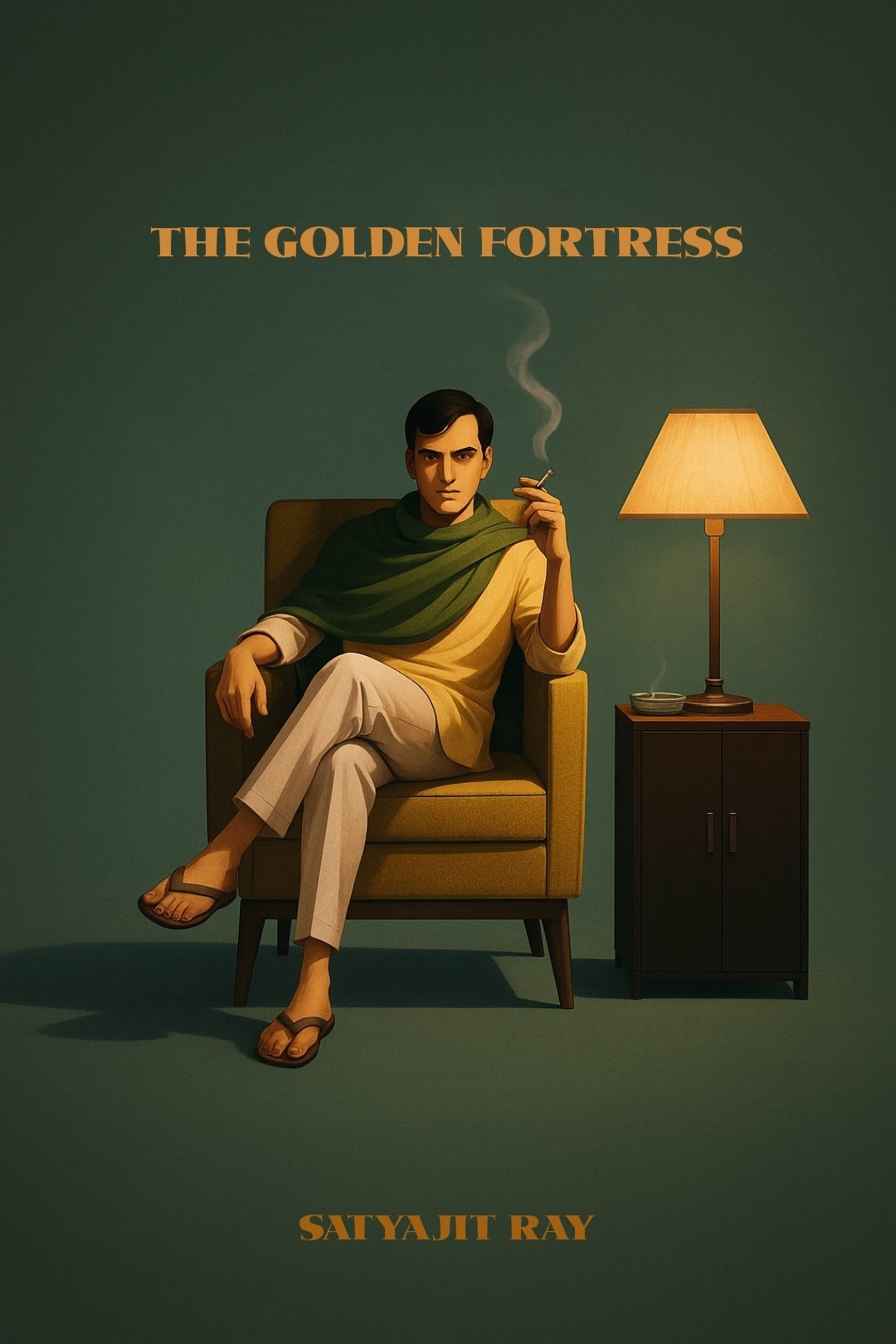
Sonar Kella
1974 film by Satyajit Ray
Kathputli
puppet show
Swang
Saang, also known as Swang (meaning "imitation") or Svang, is a popular folk dance–theatre form and a traditional style of storytelling in Haryana, Uttar Pradesh, Rajasthan and the Malwa region of Madhya Pradesh. Swang incorporates suitable theatrics and mimicry (or naqal) accompanied by song and dialogue. It is dialogue-oriented rather than movement-oriented. Religious stories and folk tales are enacted by a group of ten or twelve persons in an open area or an open-air theatre surrounded by the audience. Swang as an art of imitation means Rang-Bharna, Naqal-Karna.

Kundan
Kundan, meaning pure gold, is a traditional form of Indian gemstone jewellery involving a gem set with a gold foil between the stones and its mount, usually for elaborate necklaces and other jewellery.
Bhavai
thumb|Bhavai, performance at Bharat Bhavan, Bhopal
thumb|Bhavai, Artist
Gavri
Gypsy trader being blocked by Meena bandits|260px|alt=Gypsy trader being blocked by Meena bandits|thumb
architecture of Rajasthan
architecture in the Indian state of Rajasthan
dhurrie
thumb|Dhurries of Rajasthan|300px

Devi Lal Samar
Indian puppeteer
cinema of Rajasthan
filmmaking in the region in India
culture of Rajasthan
overview of Rajasthan cuture
Bhopa
The Bhopa people are the priest-singers of the folk deities in the state of Rajasthan, India. They perform in front of a scroll, known as (par in the Rajasthani language) that depicts the episodes of the narrative of the folk deity and functions as a portable temple. The Bhopas carry this phad traditionally, and are invited by villagers to perform in their localities during times of sickness and misfortune. Traditionally, the are kept rolled in transit. After reaching a village or town, the Bhopas erect the s between two poles in a suitable public place shortly after nightfall. The performance
Mandana Paintings
painting in Rajasthan and Madhya Pradesh, India
Phad painting
style of folk painting in India