Category
page 1Diseases of middle ear and mastoid
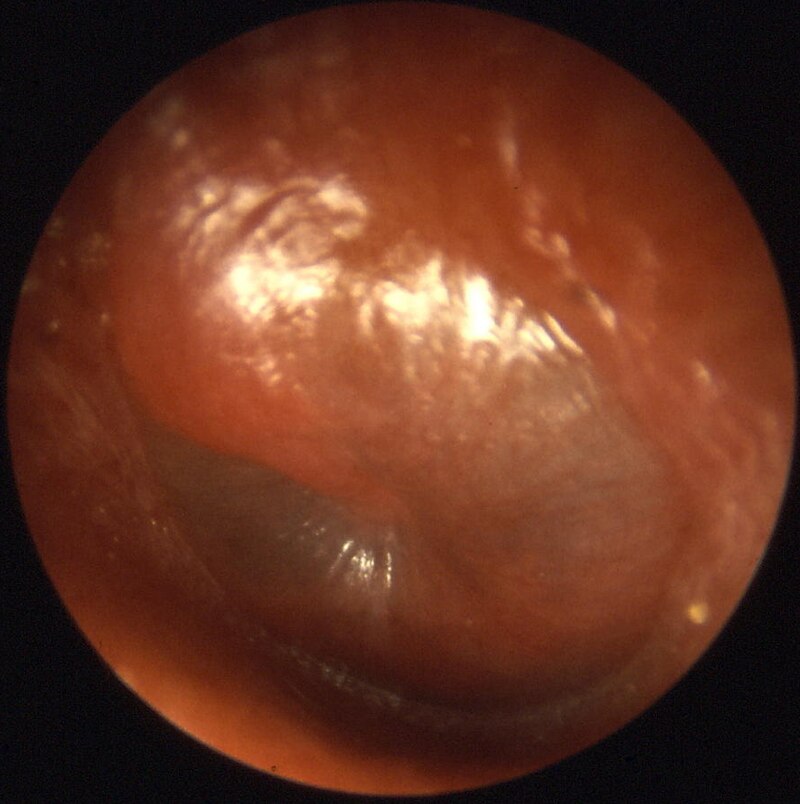
otitis media
otitis, processo that involves inflammation and accumulation of fluid of the middle ear

mastoiditis
Mastoiditis is the result of an infection that extends to the air cells of the skull behind the ear. Specifically, it is an inflammation of the mucosal lining of the mastoid antrum and mastoid air cell system inside the mastoid process. The mastoid process is the portion of the temporal bone of the skull that is behind the ear. The mastoid process contains open, air-containing spaces. Mastoiditis is usually caused by untreated acute otitis media (middle ear infection) and used to be a leading cause of child mortality. With the development of antibiotics, however, mastoiditis has become quite r

cholesteatoma
Cholesteatoma is a destructive and expanding growth consisting of keratinizing squamous epithelium in the middle ear and/or mastoid process. Cholesteatomas are not cancerous as the name may suggest, but can cause significant problems because of their erosive and expansile properties. This can result in the destruction of the bones of the middle ear (ossicles), as well as growth through the base of the skull into the brain. They often become infected and can result in chronically draining ears. Treatment almost always consists of surgical removal.
perforated eardrum
an injury leading to a hole in the eardrum
Gradenigo's syndrome
complication of otitis media and mastoiditis involving the apex of the petrous temporal bone
tympanostomy tube
medical device inserted into the eardrum
Eustachian tube dysfunction
dysfunction that prevents drainage and equalization of pressure between the middle ear and nasopharynx
tympanosclerosis
Tympanosclerosis is a condition caused by hyalinization and subsequent calcification of subepithelial connective tissue of the tympanic membrane and middle ear, sometimes resulting in a detrimental effect to hearing.
barotitis
pressure injury to the middle ear