Category
page 1Extinct animals of the United States

Great Auk
species of bird (extinct)
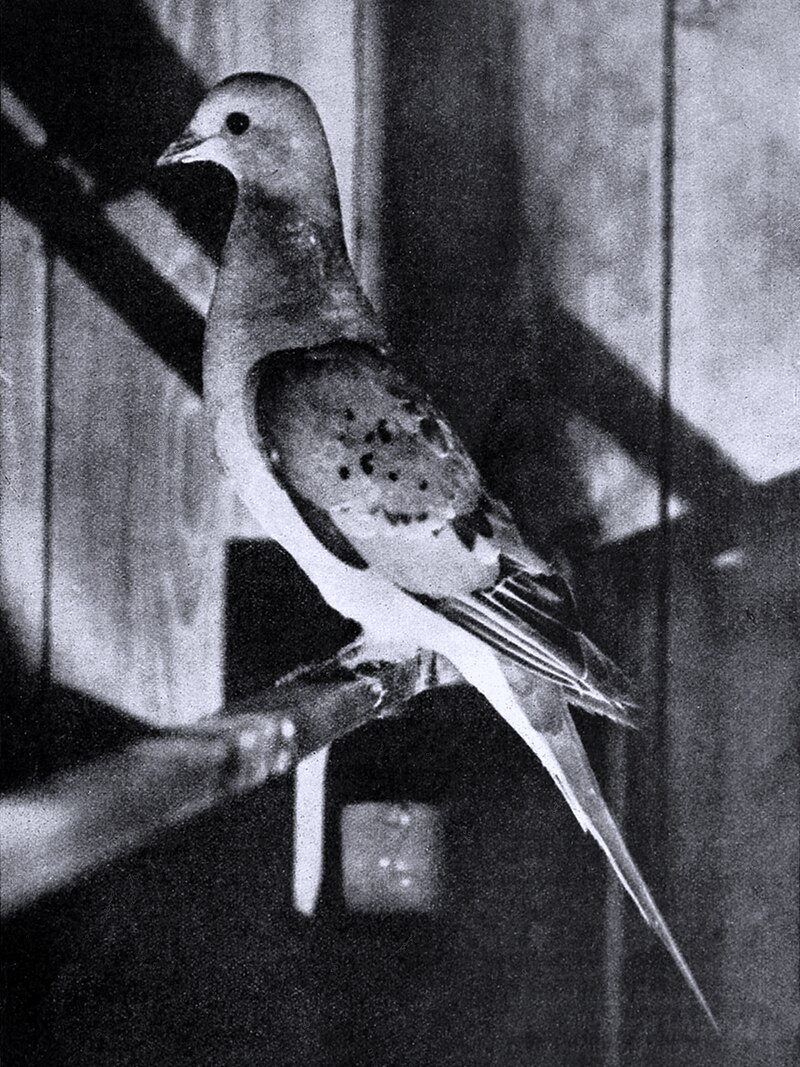
Passenger Pigeon
extinct species of North American pigeon, most abundant bird on Earth before extinction

Woolly Mammoth
extinct species of mammoth (Mammuthus)

Steller’s sea cow
species of extinct mammal
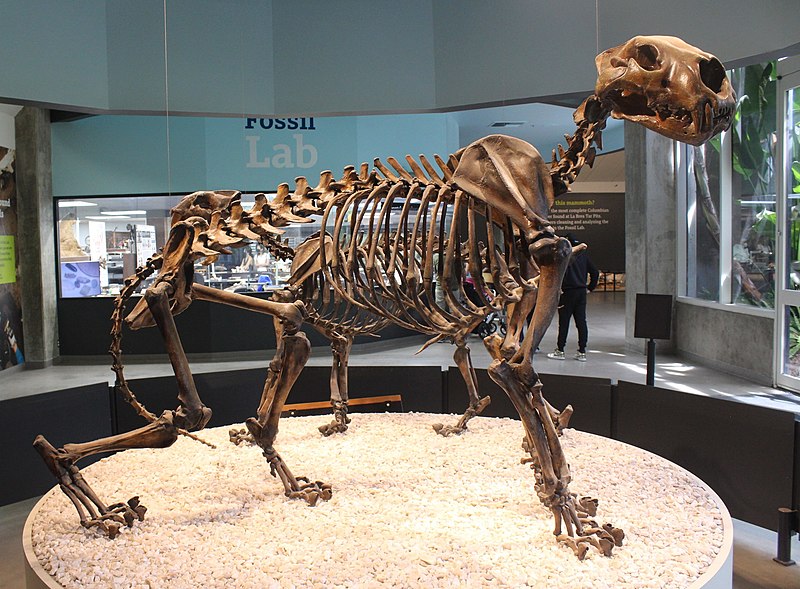
American lion
extinct species of big cats (Pantherinae)
Caribbean monk seal
species of mammal (fossil)

Carolina Parakeet
extinct species of North American parrot
Columbian mammoth
extinct species of mammoth (Mammuthus)
Labrador Duck
species of extinct bird
Sea Mink
species of mammal

Arctodus
Arctodus is an extinct genus of short-faced bears that inhabited North America during the Pleistocene (about 2.6 Mya until 12,800 years ago). The two recognized species are the lesser short-faced bear (Arctodus pristinus) and the giant short-faced bear (Arctodus simus). Of these species, A. simus was larger, is known from more complete remains, and is considered one of the best-known members of North America's extinct Ice Age megafauna. A. pristinus was largely restricted to the Early Pleistocene of the eastern United States, whereas A. simus had a broader range, with most finds being from the

Great Plains wolf
subspecies of mammal
Ursus arctos californicus
Subspecies of mammal
Pygmy mammoth
species of mammal (fossil)
Heath hen
subspecies of bird

Teratornis
Teratornis (Greek: "wonder" (teras / gen.sg. teratos), "bird" (ornis)) is an extinct genus of huge North American birds of prey—the best-known of the teratorns—of which, two species are known to have existed: Teratornis merriami and Teratornis woodburnensis. A large number of fossil and subfossil bones, representing more than 100 individuals, have been found in locations in California, Oregon, southern Nevada, Arizona, and Florida, though most are from the Californian La Brea Tar Pits. All remains except one Early Pleistocene partial skeleton from the Leisey Shell Pit near Charlotte Harbor, Fl
Bison antiquus
species of mammal (fossil)
Puerto Rican Nesophontes
extinct species of mammal
Puerto Rican hutia
species of mammal

Golden coquí
species of amphibian
Kenai Peninsula Wolf
extinct subspecies of mammal
Xerces blue
species of insect
Amistad gambusia
species of fish
Coregonus johannae
species of fish
Coregonus alpenae
species of fish
Psittacara maugei
species of bird
Ash Meadows killifish
species of fish

Plotopteridae
Plotopteridae is an extinct family of flightless seabirds with uncertain placement, generally considered as member of order Suliformes. They exhibited remarkable convergent evolution with the penguins, particularly with the now extinct giant penguins. That they lived in the North Pacific, the other side of the world from the penguins, has led to them being described at times as the Northern Hemisphere's penguins, though they were not closely related. More recent studies have shown, however, that the shoulder-girdle, forelimb and sternum of plotopterids differ significantly from those of pengui
Snake River Sucker
species of fish
Silver trout
species of fish
Maryland darter
species of fish
Thicktail chub
species of fish
Insular cave rat
species of mammal
Fundulus albolineatus
Whiteline topminnow
Moxostoma lacerum
species of fish
Scioto madtom
species of fish
Coregonus nigripinnis
Blackfin cisco

Dusky Seaside Sparrow
subspecies of bird
Texas Wolf
extinct subspecies of mammal
Las Vegas dace
species of fish
Chamitataxus
Chamitataxus is a prehistoric badger genus. Chamitataxus avitus is the only known species of the genus. Chamitataxus lived during the Late Miocene, around 6 million years ago in what is now North America. Out of the three taxidiine badger genera to have existed on the continent, Chamitataxus is the most primitive. Very few taxideine badger remains have been uncovered to date, with only prehistoric Taxidea and Pliotaxidea specimens being discovered prior to the Chamitataxus holotype being found.

Chendytes lawi
Chendytes is a genus of extinct, goose-sized flightless marine duck, once common on the California coast, the California Channel Islands, and possibly southern Oregon. It lived in the Pleistocene and survived into the Holocene. It appears to have gone extinct at about 450–250 BCE. The youngest direct radiocarbon date from a Chendytes bone fragment dates to 770–400 BCE and was found in an archeological site in Ventura County. Its remains have been found in fossil deposits and in early coastal archeological sites. Archeological data from coastal California show a record of human exploi
Equus simplicidens
species of mammal (fossil)

Web-footed Coquí
species of amphibian

Pleistocene rewilding
rewiliding featuring the reintroduction of extant Pleistocene megafauna or close ecological equivalents

Ainsworth's salamander
species of amphibian
San Marcos gambusia
species of fish
Cervus canadensis canadensis
subspecies of mammal

Cascade Mountain Wolf
subspecies of mammal
Phantom shiner
species of fish

Pacifastacus nigrescens
species of crustacean
Tapocyon
Tapocyon ("dog from Tapo Canyon") is an extinct genus of placental mammals from clade Carnivoraformes, that lived in North America during the middle Eocene. Tapocyon was about the size of a coyote and is believed to have been a good climber that spent a lot of time in trees.

Navassa Curly-tailed Lizard
species of reptile
Alloperla roberti
species of insect
Pahranagat spinedace
species of fish
Coosa elktoe
species of mollusc
Gyrotoma excisa
species of mollusc
Dexteria floridana
Dexteria floridana is an extinct species of fairy shrimp in the family Chirocephalidae, the only species in the genus Dexteria. It was endemic to Florida, where it was known from a single pool, south of Gainesville. It was originally described by Ralph W. Dexter in 1953 as a species of Eubranchipus. The species was declared extinct on October 5, 2011 because it was found that the only known pool of water that contained the known population was filled in for development, thereby killing the shrimps.
Heteropsomys antillensis
Antillean cave rat
Xylotrechus gemellus
species of beetle