Category
page 1Fauna of South Asia
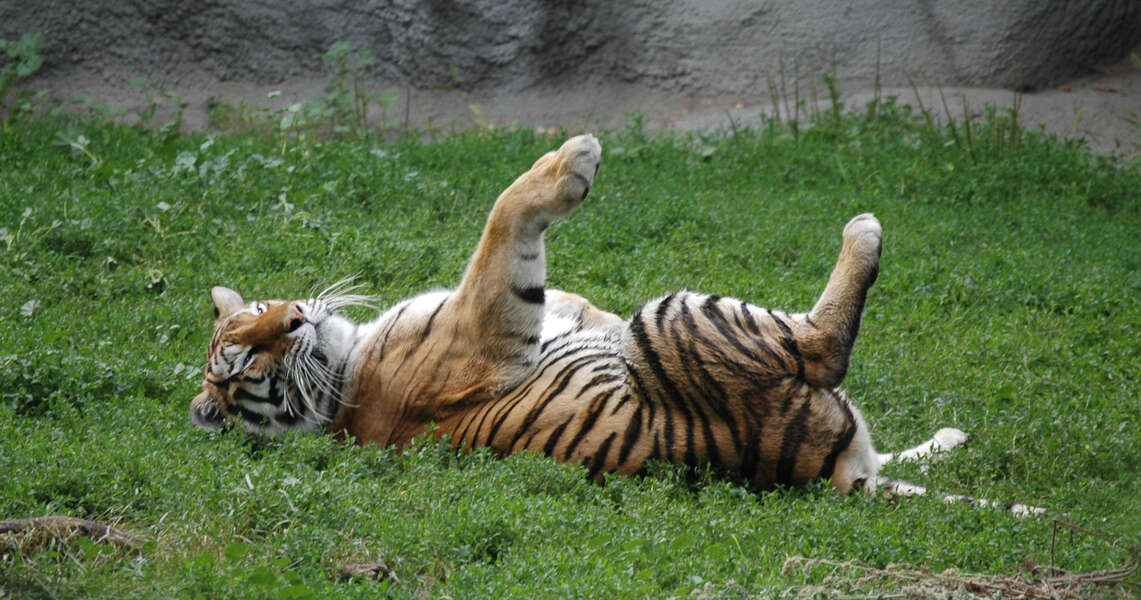
tiger
The tiger (Panthera tigris) is a large cat and a member of the genus Panthera native to Asia. It has a powerful, muscular body with a large head and paws, a long tail and orange fur with black, mostly vertical stripes. It is traditionally classified into nine recent subspecies, though some recognise only two subspecies, mainland Asian tigers and the island tigers of the Sunda Islands.

Asian elephant
species of mammal

Ursus thibetanus
species of mammal

Indian rhinoceros
species of mammal

Bos gaurus
The gaur (Bos gaurus; ), also known as the Indian bison, is a large bovine native to the Indian subcontinent and Southeast Asia, and has been listed as Vulnerable on the IUCN Red List since 1986. The global population was estimated at a maximum of 21,000 mature individuals in 2016, with the majority of those existing in India.
It is the largest species among the wild cattle and the Bovidae.

Antilope cervicapra
The blackbuck (Antilope cervicapra), also known as the Indian antelope, is a medium-sized antelope native to India and Nepal. It inhabits grassy plains and lightly forested areas with perennial water sources.
It stands up to high at the shoulder. Males weigh , with an average of . Females are lighter, weighing or on average. Males have long corkscrew horns, and females occasionally develop horns, as well. The white fur on the chin and around the eyes is in sharp contrast with the black stripes on the face. Both sexes' coats feature a two-tone colouration; in males, the majority of the body is

sloth bear
species of bear common to the Indian subcontinent

Boselaphus tragocamelus
The nilgai (Boselaphus tragocamelus) (, literally meaning "blue cow") is the largest antelope of Asia, and is ubiquitous across the northern Indian subcontinent. It is the sole member of the genus Boselaphus, which was first scientifically described by Peter Simon Pallas in 1766. It is a sturdy, thin-legged antelope with a sloping back, a deep neck with a white patch on the throat, a short crest of hair along the neck terminating in a tuft, and white facial spots. A column of pendant, coarse hair hangs from the dewlap ridge below the white patch. It stands at the shoulder; males weigh , and th
%20male.jpg)
Chital
The chital (Axis axis; ), also called spotted deer and axis deer, is a deer species native to the Indian subcontinent. It was first described by Johann Christian Polycarp Erxleben in 1777. A moderate-sized deer, male chital reach and females at the shoulder. While males weigh , females weigh around . It is sexually dimorphic; males are larger than females, and antlers are present only on males. The upper parts are golden to rufous, completely covered in white spots. The abdomen, rump, throat, insides of legs, ears, and tail are all white. The antlers, three-pronged, are nearly long.

Indian cobra
species of reptile

Indus Crocodile
species of reptile
.jpg)
barasingha
The barasingha (Rucervus duvaucelii), sometimes barasinghe, also known as the swamp deer, is a deer species distributed in the Indian subcontinent. Populations in northern and central India are fragmented, and two isolated populations occur in southwestern Nepal. It has been extirpated in Pakistan and Bangladesh, and its presence is uncertain in Bhutan.

Sarus crane
species of bird

Irrawaddy dolphin
species of mammal

Python molurus
species of snake

Grey Junglefowl
species of bird

Asiatic cheetah
subspecies of cheetah

Indian leopard
subspecies of the leopard

Chamaeleo zeylanicus
species of reptile

Indian wild ass
subspecies of mammal
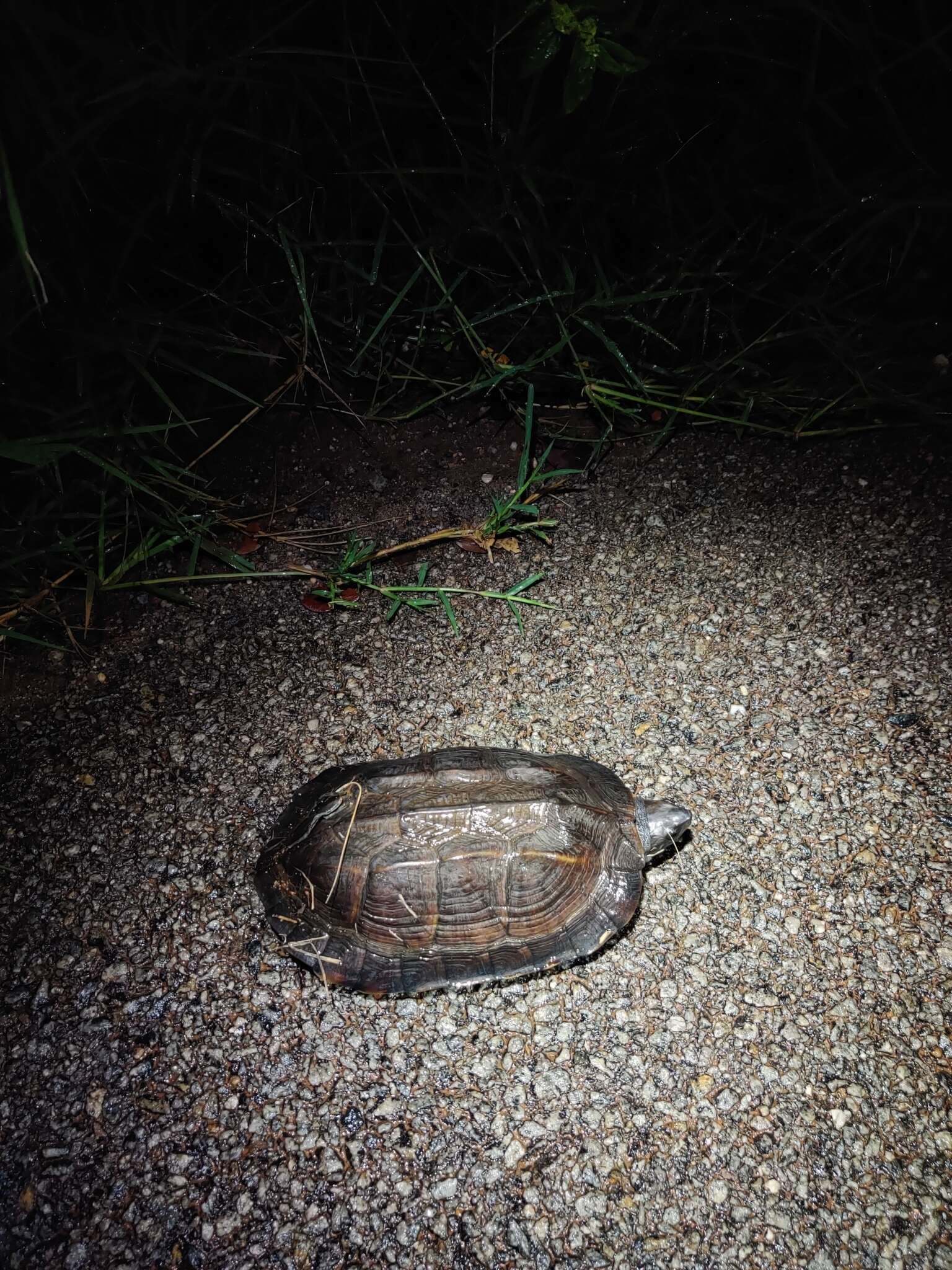
Melanochelys trijuga
species of reptile

Small-spotted Lizard
species of reptile

Turkestan lynx
subspecies of mammal

Conus imperialis
species of mollusc
Ussuri dhole
subspecies of mammal
Xylocopa tenuiscapa
species of insect
fauna of Pakistan
native animals of Pakistan
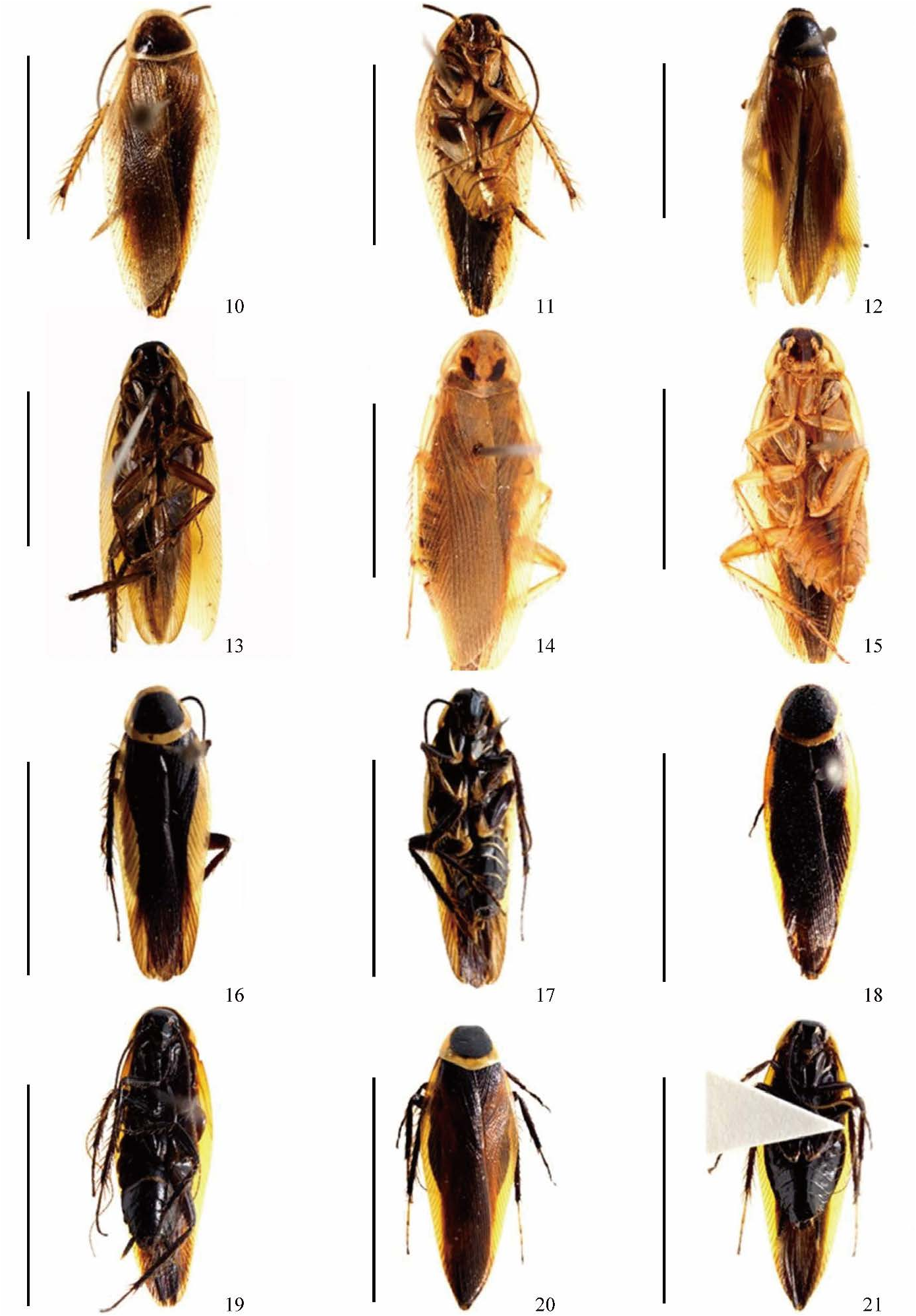
Hemithyrsocera palliata
species of insect
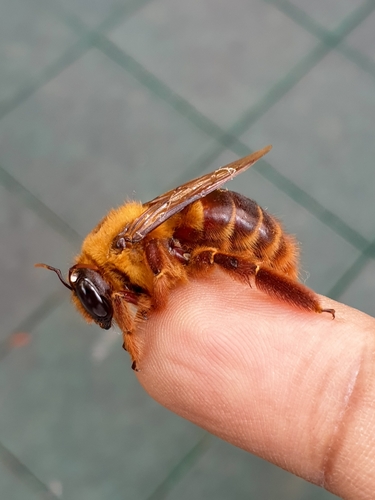
Xylocopa tranquebarica
species of insect
Liostenogaster flavolineata
species of insect
Lophyra catena
species of insect