Category
page 1Fauna of Southeast Asia
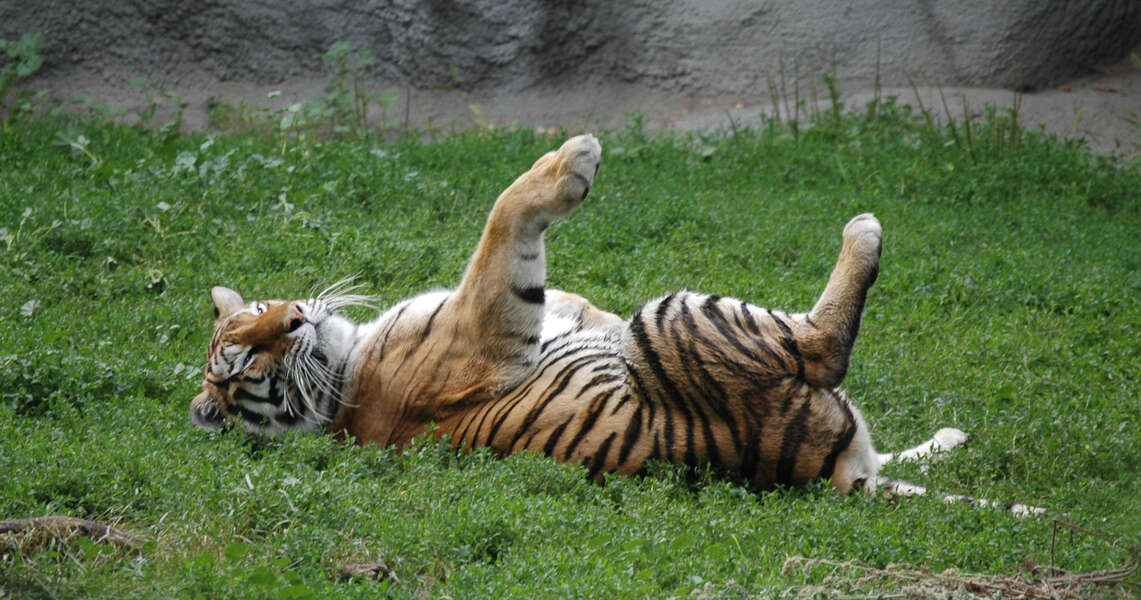
tiger
The tiger (Panthera tigris) is a large cat and a member of the genus Panthera native to Asia. It has a powerful, muscular body with a large head and paws, a long tail and orange fur with black, mostly vertical stripes. It is traditionally classified into nine recent subspecies, though some recognise only two subspecies, mainland Asian tigers and the island tigers of the Sunda Islands.

orangutan
Orangutans are great apes native to the rainforests of Indonesia and Malaysia. They are now found only in parts of Borneo and Sumatra, but during the Pleistocene they ranged throughout Southeast Asia and South China. Classified in the genus Pongo, orangutans were originally considered to be one species. In 1996, they were divided into two species: the Bornean orangutan (P. pygmaeus, with three subspecies) and the Sumatran orangutan (P. abelii); a third species, the Tapanuli orangutan (P. tapanuliensis), was identified definitively in 2017. The orangutans are the only surviving members of the s
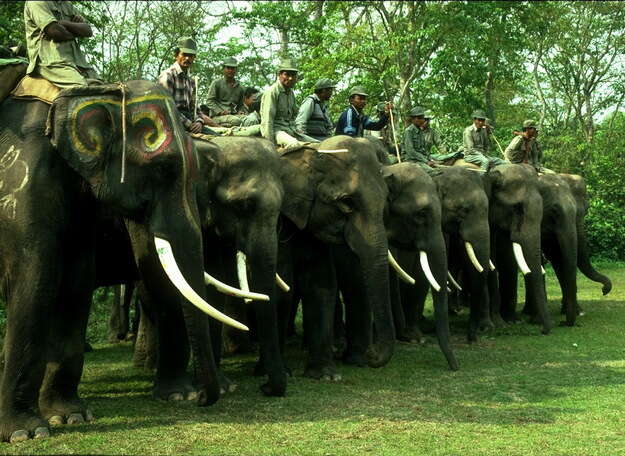
Asian elephant
species of mammal

Ursus thibetanus
species of mammal

Helarctos malayanus
bear found in tropical forest habitats of Southeast Asia

Bos gaurus
The gaur (Bos gaurus; ), also known as the Indian bison, is a large bovine native to the Indian subcontinent and Southeast Asia, and has been listed as Vulnerable on the IUCN Red List since 1986. The global population was estimated at a maximum of 21,000 mature individuals in 2016, with the majority of those existing in India.
It is the largest species among the wild cattle and the Bovidae.

Scandentia
The treeshrews (also called tree shrews or banxrings) are small mammals native to the tropical forests of South and Southeast Asia. They make up the entire order Scandentia (; from Latin ), which split into two families: the Tupaiidae (19 species, "ordinary" treeshrews), and the Ptilocercidae (one species, the pen-tailed treeshrew).
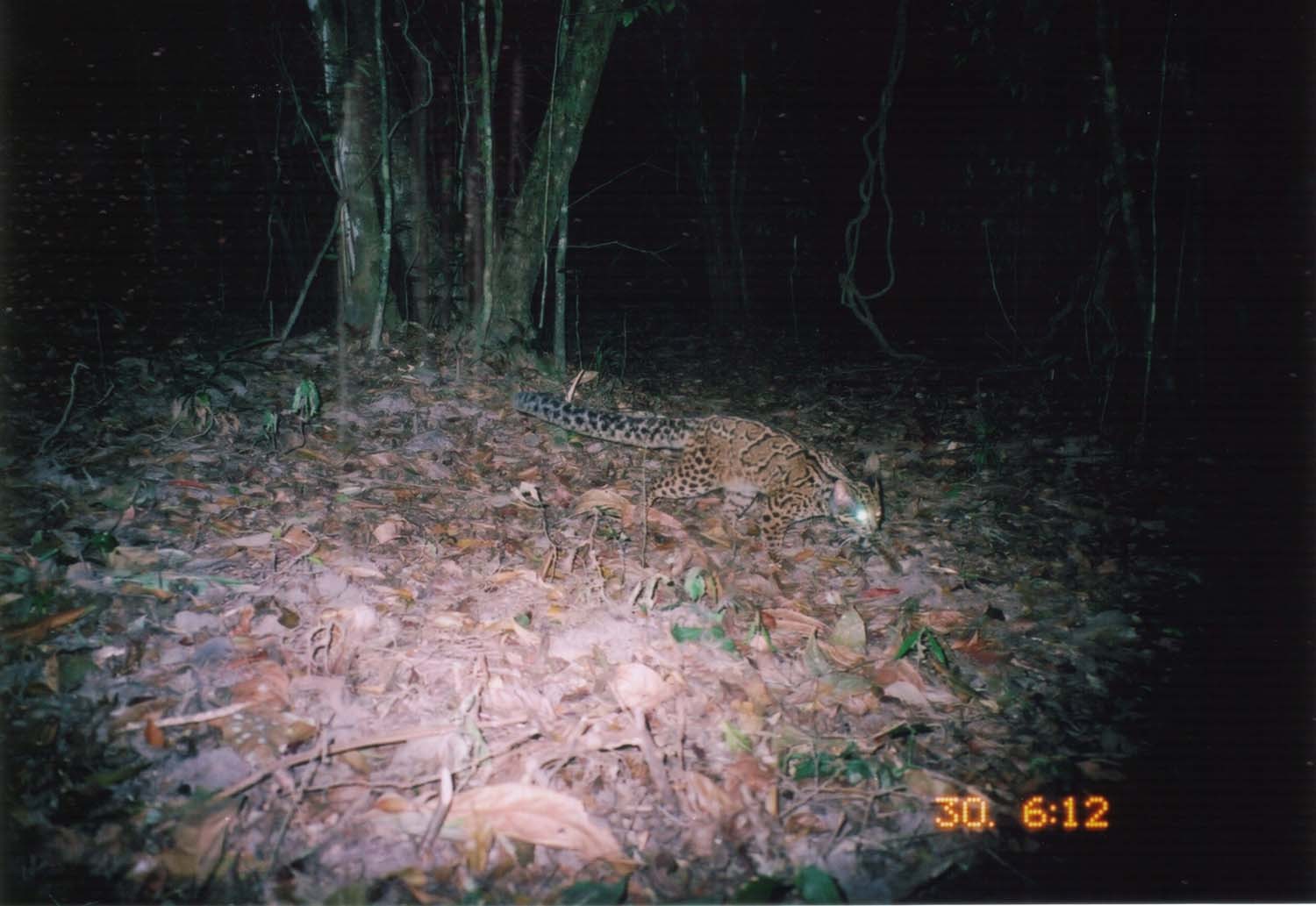
Pardofelis marmorata
species of mammal

Siamang
thumb
The siamang (, ; Symphalangus syndactylus) is an endangered arboreal, black-furred gibbon native to the forests of Indonesia, Malaysia, and Thailand. The largest of the gibbons, the siamang can be twice the size of other gibbons, reaching in height, and weighing up to . It is the only species in the genus Symphalangus. Fossils of siamangs date back to the Middle Pleistocene.

Pteropus
thumb|Grey-headed flying fox
Pteropus (suborder Yinpterochiroptera) is a genus of megabats which are among the largest bats in the world. They are commonly known as fruit bats or flying foxes, among other colloquial names.
They live in South Asia, Southeast Asia, Australia, East Africa, and some oceanic islands in the Indian and Pacific Oceans.
There are at least 60 extant species in the genus.

Malayan tapir
species of mammal
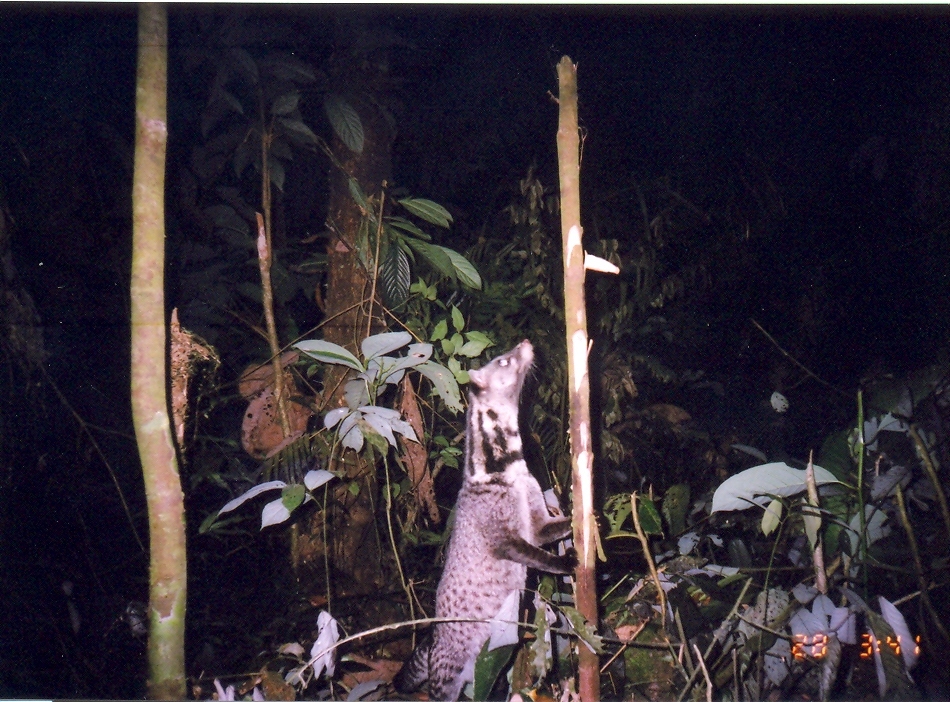
Viverra
Viverra is a mammalian genus that was first named and described by Carl Linnaeus in 1758 as comprising several species including the large Indian civet (V. zibetha). The genus was subordinated to the viverrid family by John Edward Gray in 1821.

Betta
Betta (, ) is a large genus of small, active, often colorful, freshwater ray-finned fishes, in the gourami family (Osphronemidae). The best known Betta species is B. splendens, commonly known as the Siamese fighting fish and often kept as an aquarium pet.

Sumatran serow
species of goat-antelope
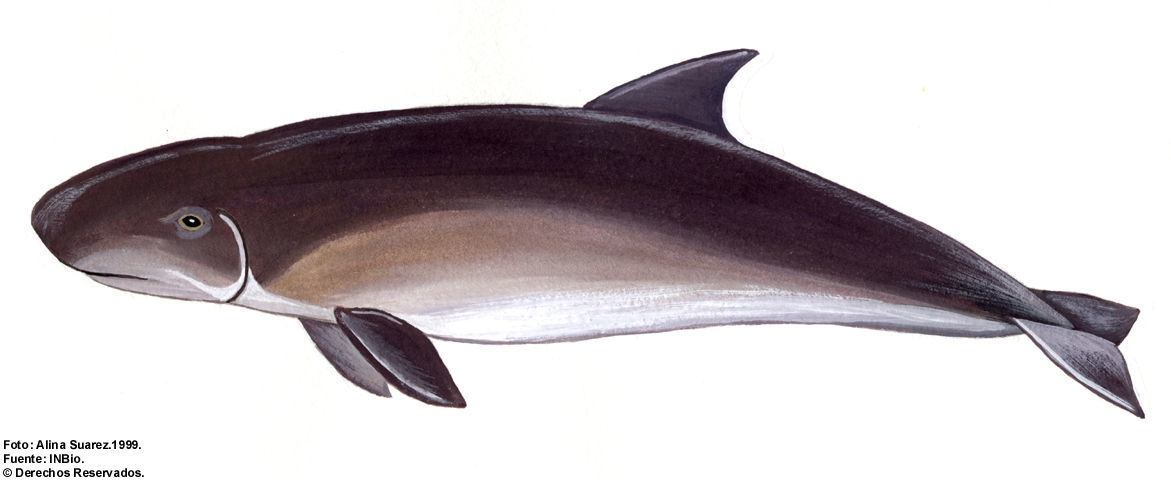
dwarf sperm whale
species of mammal
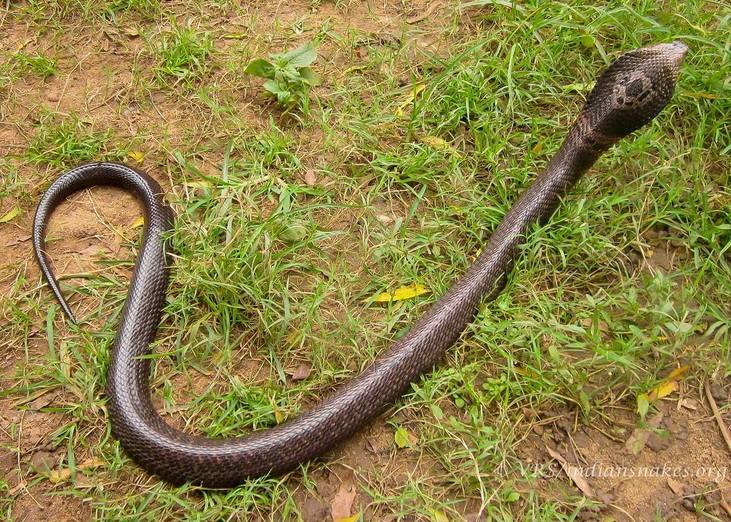
monocled cobra
species of reptile

Northern river terrapin
species of reptile

Petaurista philippensis
species of mammal

Giant snakehead
species of fish
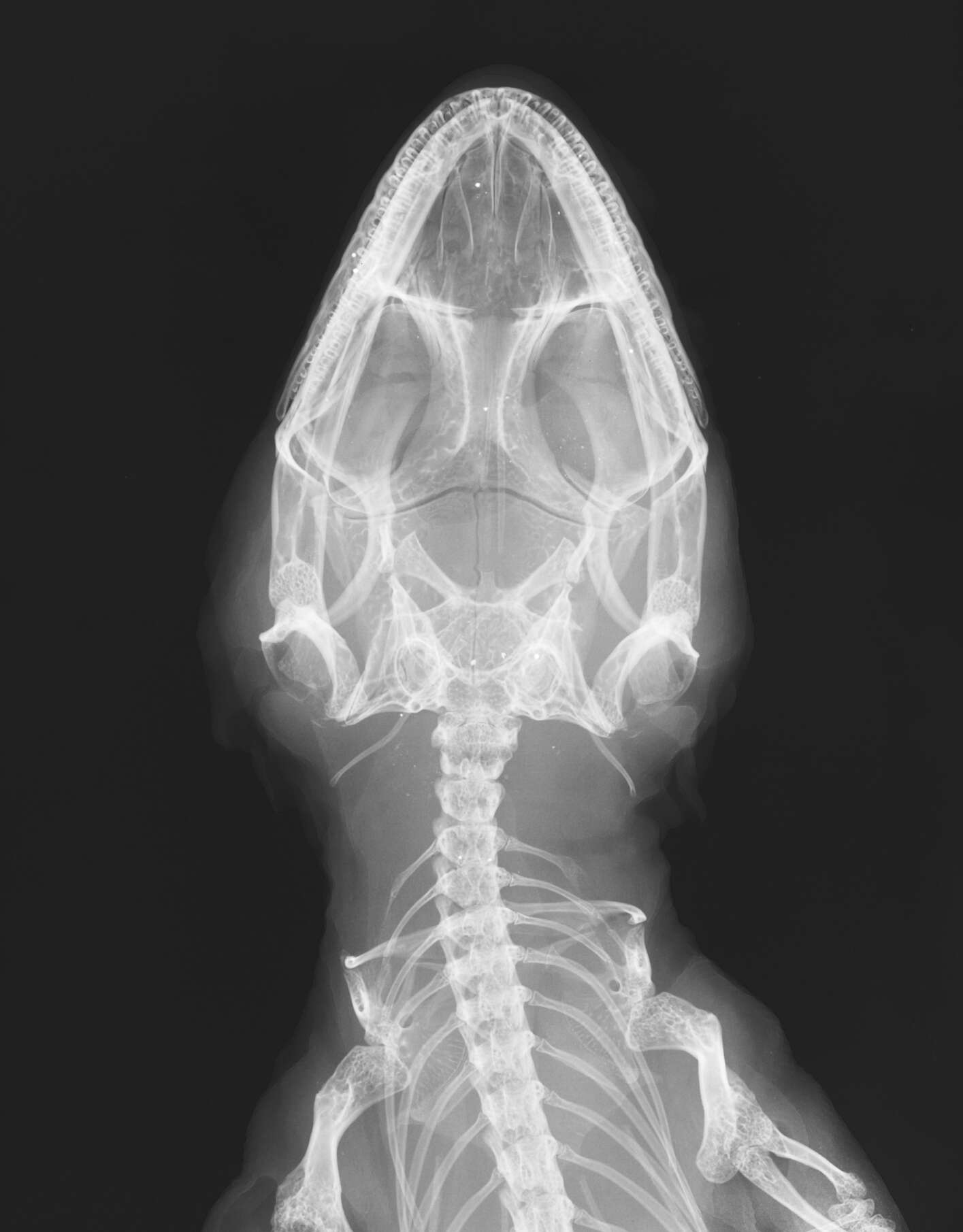
Ptychozoon kuhli
species of reptile

Pencil-tailed tree mouse
genus of mammals
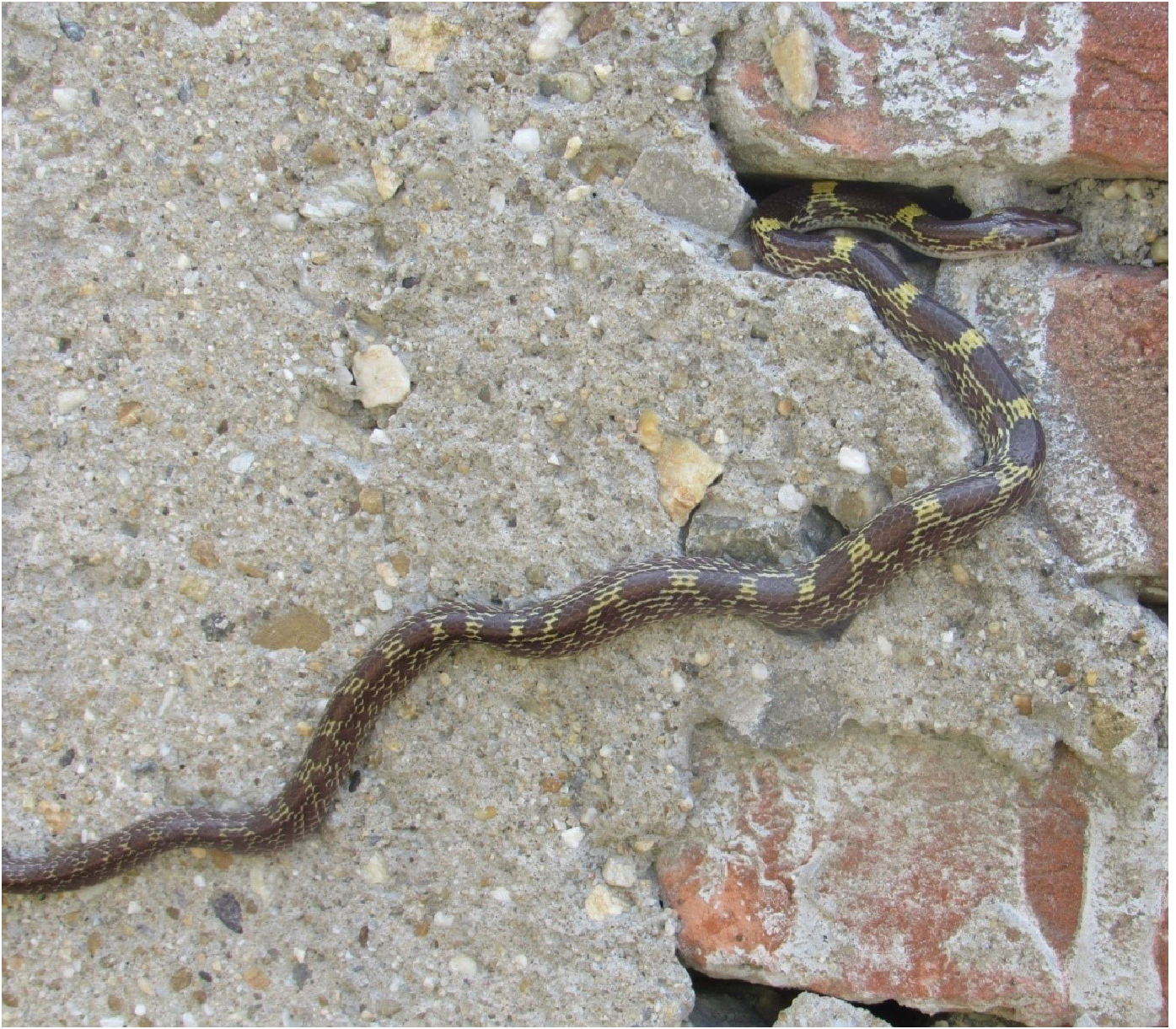
Lycodon aulicus
species of reptile

Papilio palinurus
species of insect

Papilio clytia
species of insect

fire eel
species of fish

Homalopsis buccata
species of reptile
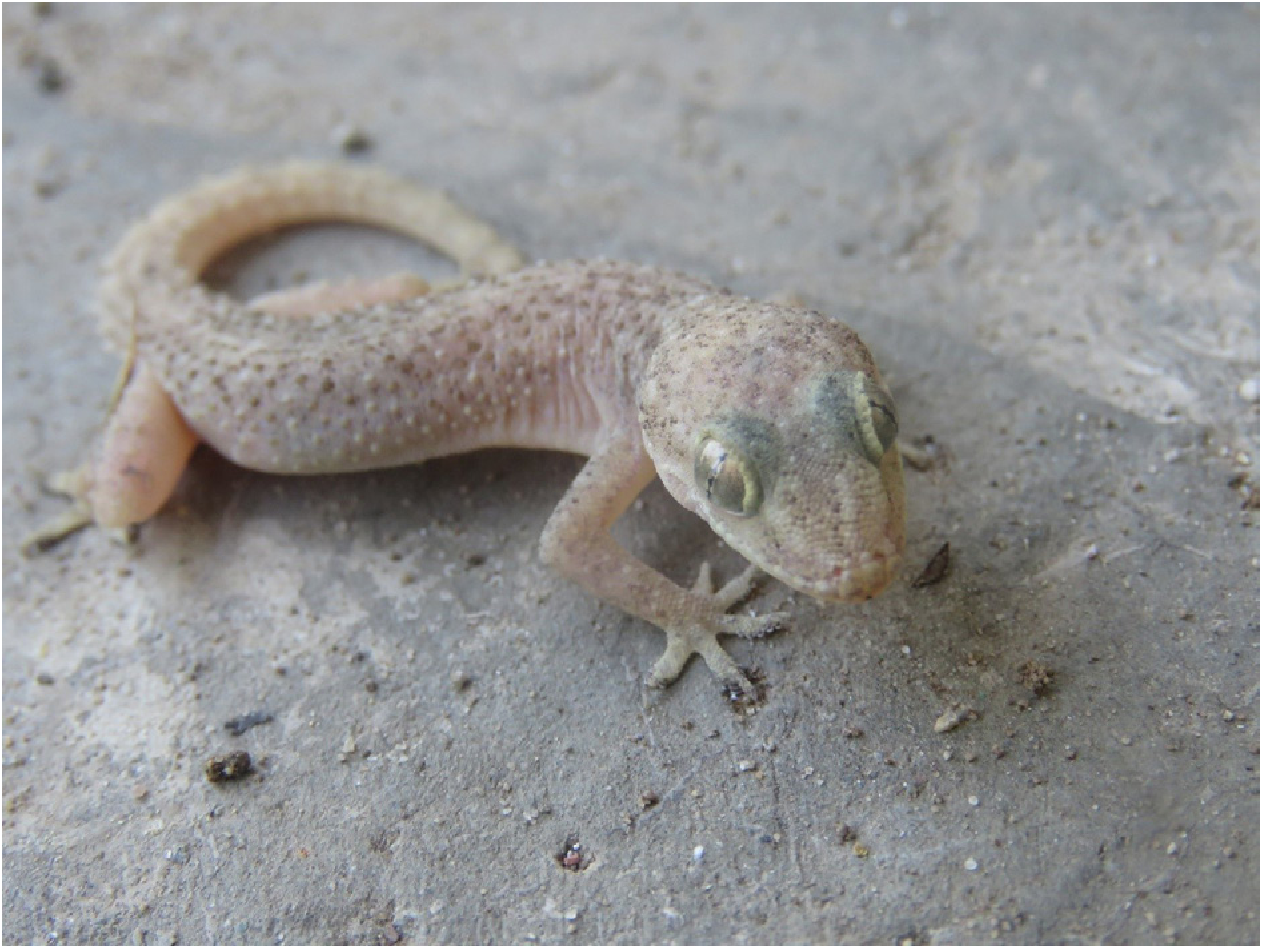
Hemidactylus brookii
species of reptile

Varanus boehmei
species of reptile
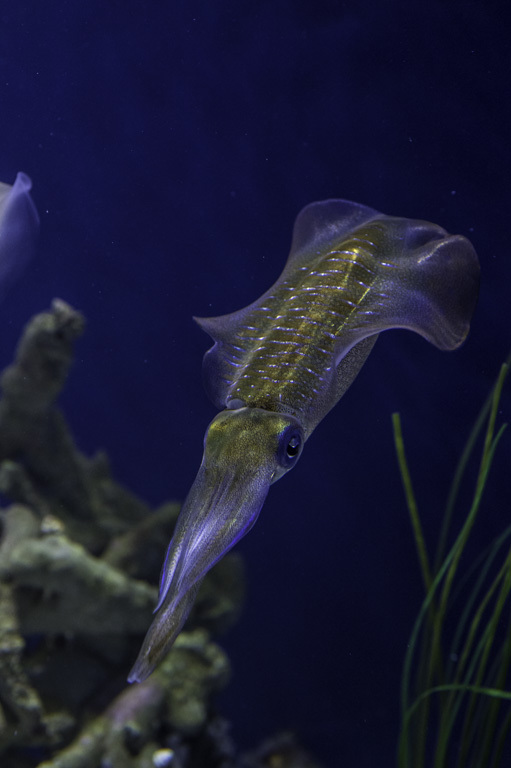
bigfin reef squid
species of mollusk
Provespa
Provespa is a small genus of Vespidae, made up of nocturnal wasps from Southeast Asia, sometimes referred to as "night wasps" or "night hornets", though they are not true hornets (genus Vespa). They are the only nocturnal members of the subfamily Vespinae, and also the only vespines where new colonies are formed by swarming (one queen attended by a large number of workers, similar to honey bees). They tend to build their nests from fibrous plant material, making them a uniform greyish brown colour which is often difficult to locate.
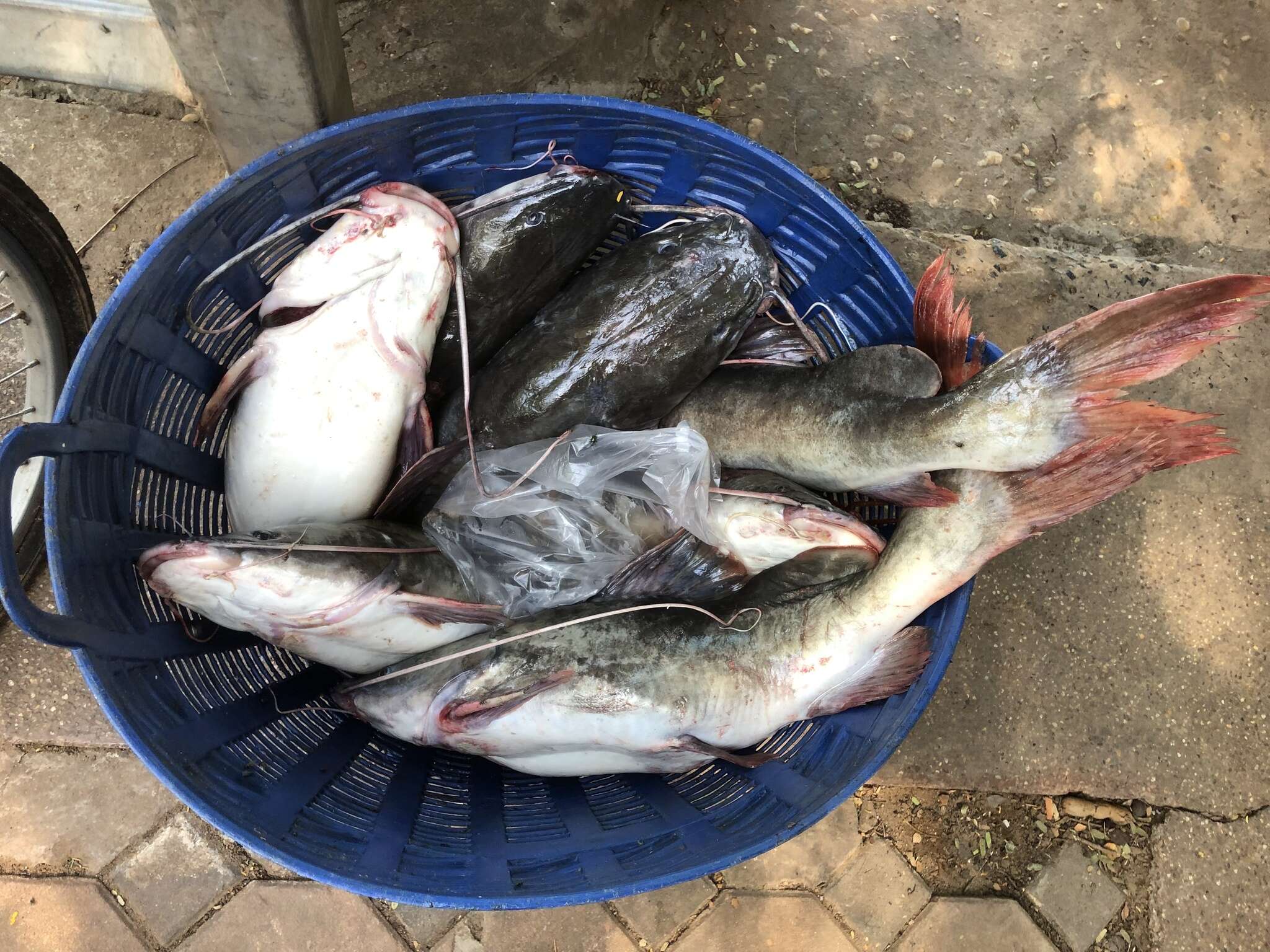
Hemibagrus wyckioides
species of fish

Tirumala septentrionis
species of insect
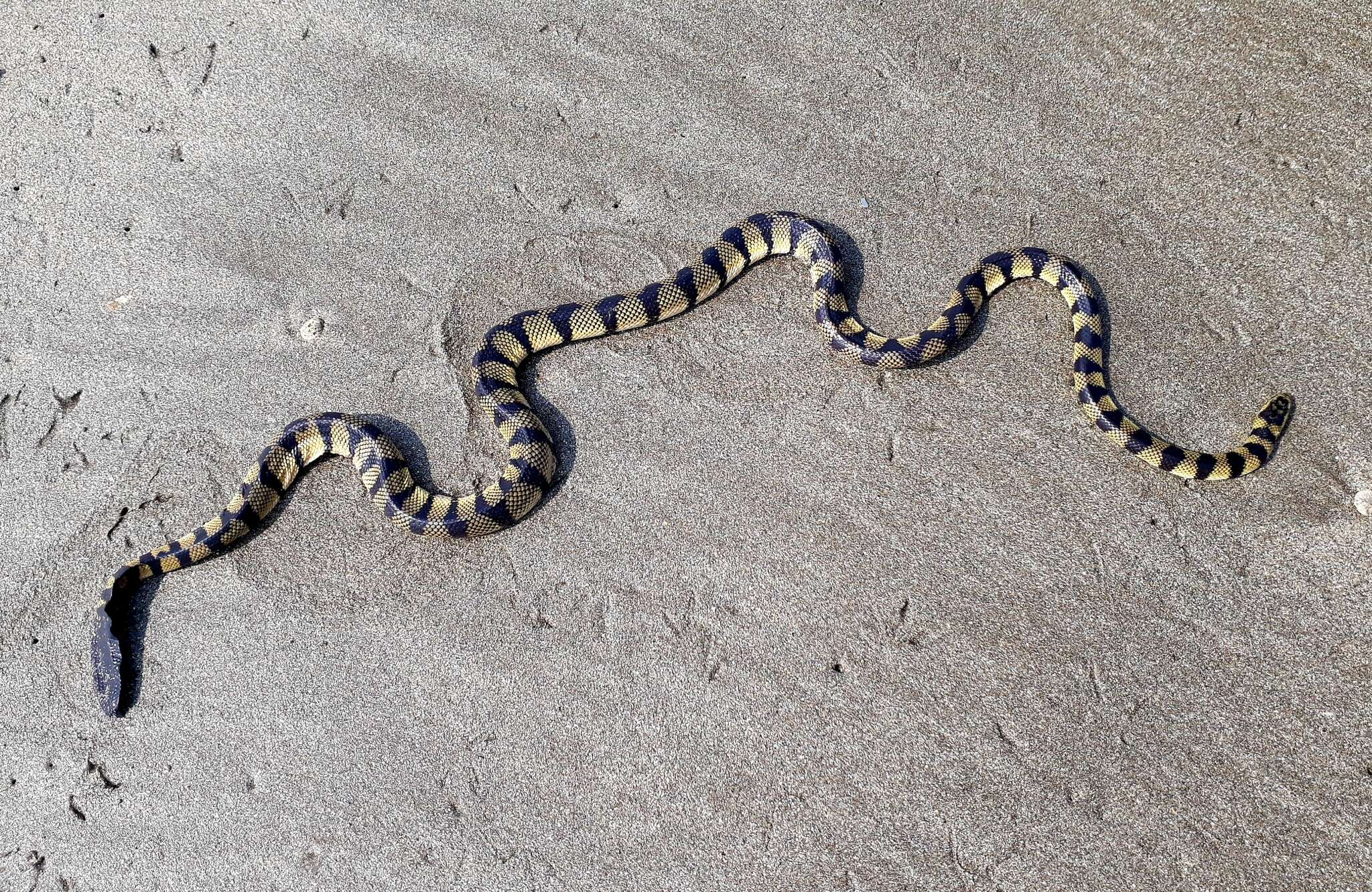
Hydrophis spiralis
species of reptile

Cameron Highlands white-bellied rat
species of mammal
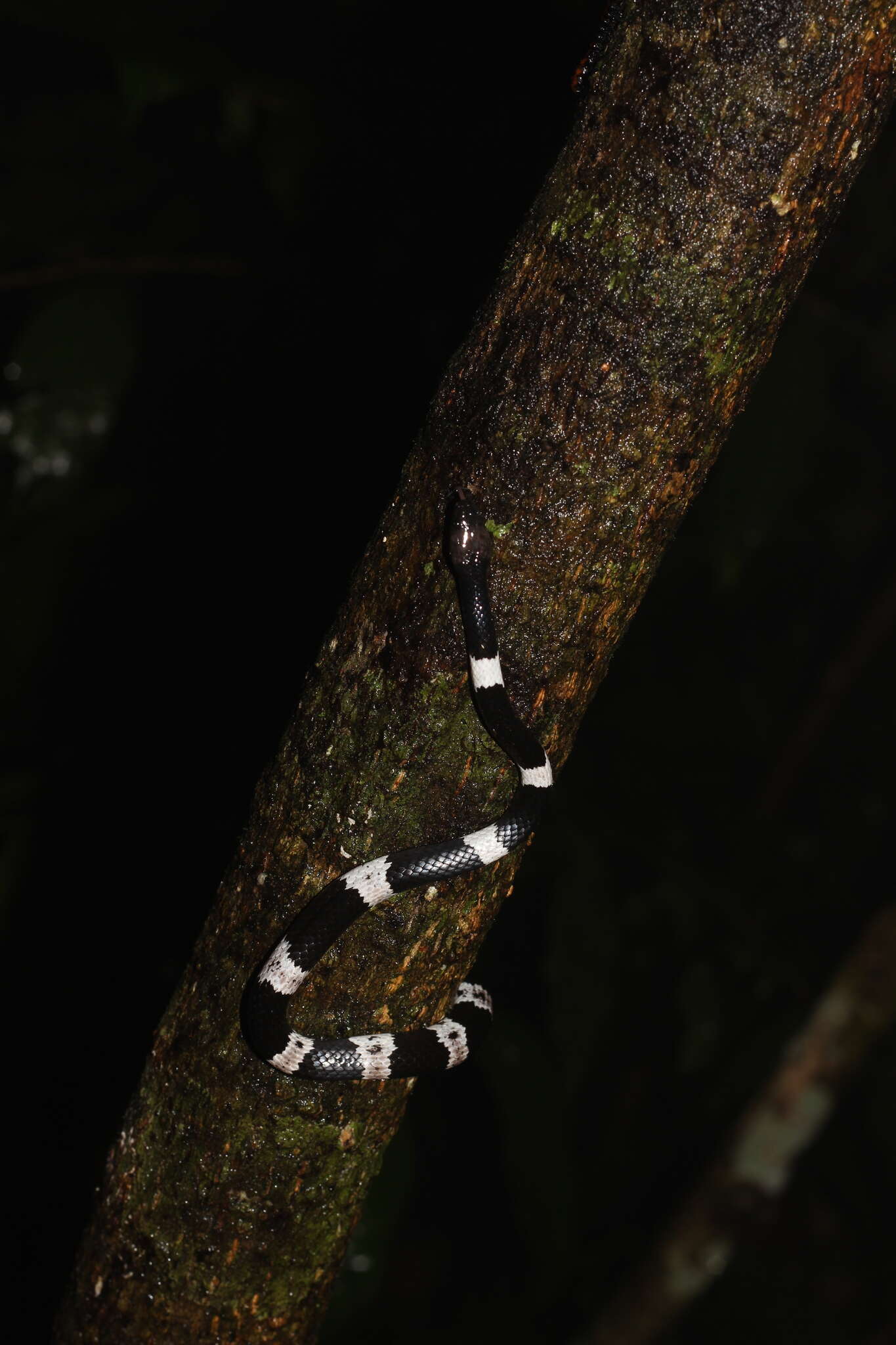
Lycodon fasciatus
species of reptile

Tirumala limniace
species of insect

Conus imperialis
species of mollusc

Conus virgo
species of mollusc

Sphenomorphus indicus
species of reptile
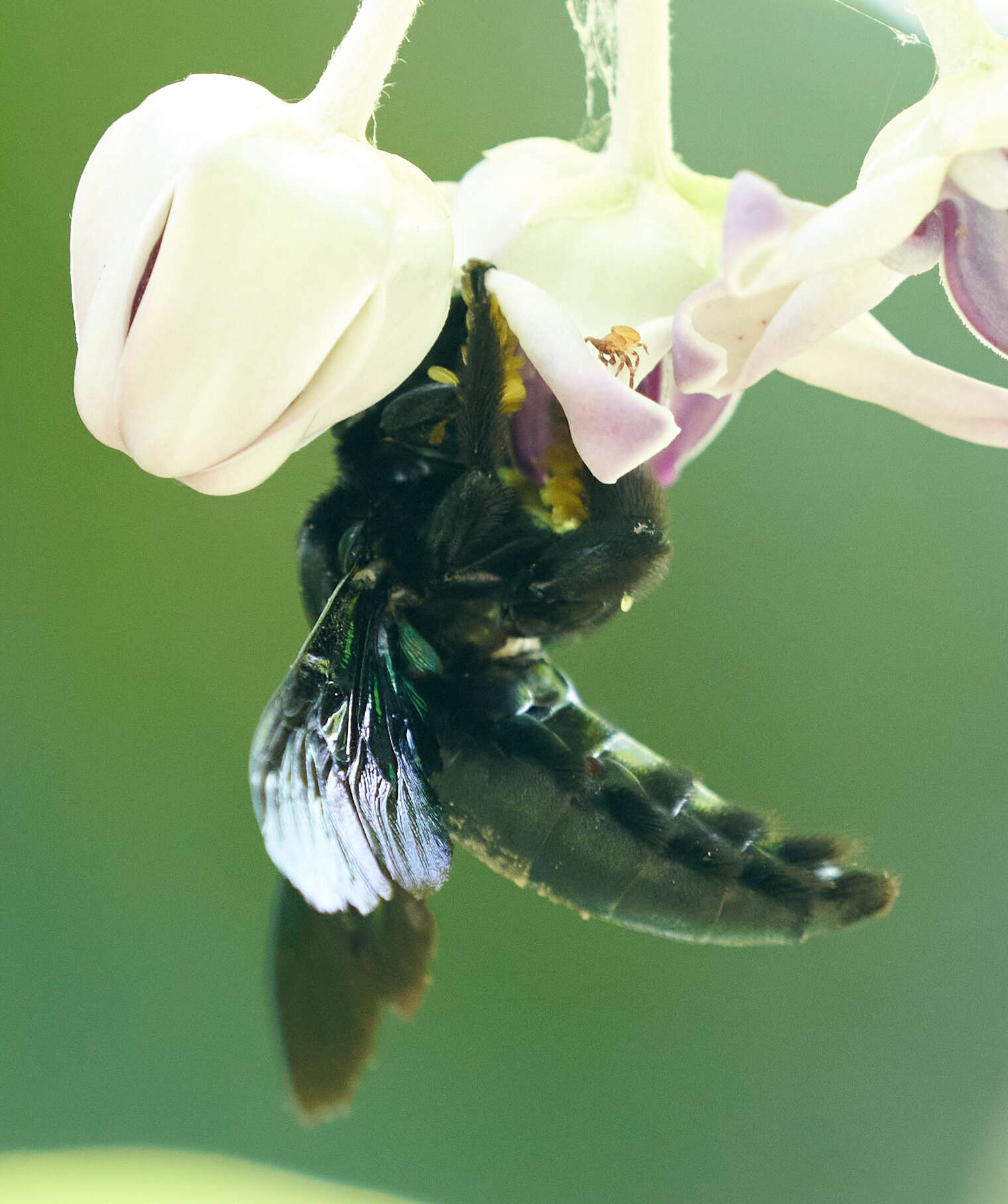
Xylocopa latipes
species of insect
Hydrophis klossi
species of reptile

Acropora digitifera
species of cnidarian

Sphenomorphus maculatus
species of reptile
Ptychozoon lionotum
species of reptile

Siamese leaf-toed gecko
species of reptile
Telescopium telescopium
species of mollusc
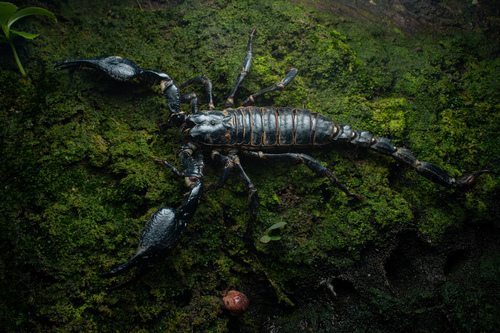
Heterometrus spinifer
species of arachnid

Xylocopa aestuans
species of insect
Chalcotropis
Chalcotropis is a genus of jumping spiders that was first described by Eugène Louis Simon in 1902.
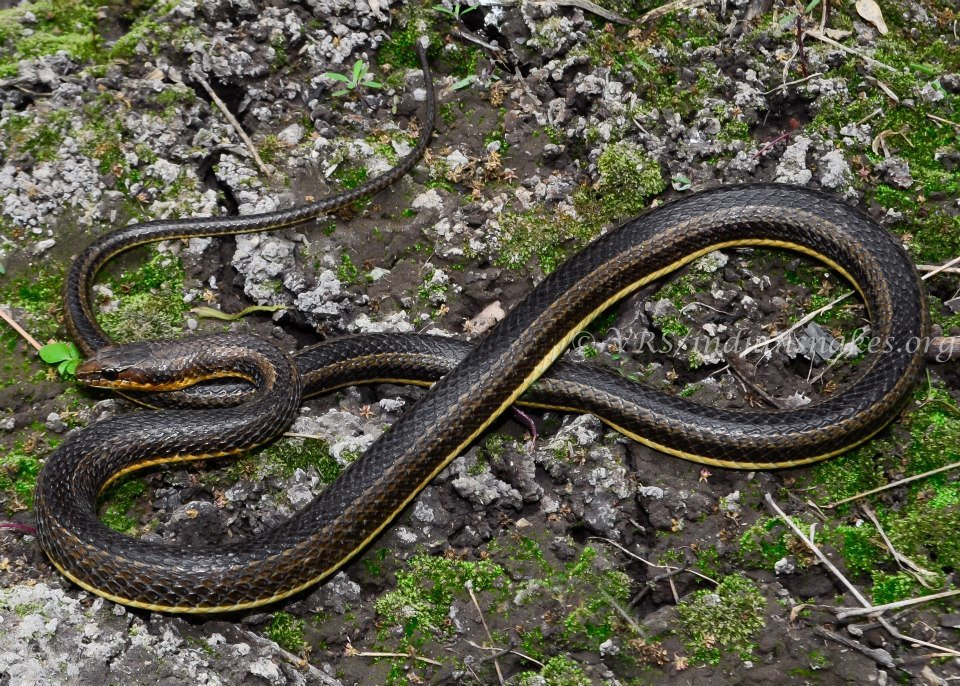
Psammophis condanarus
species of reptile
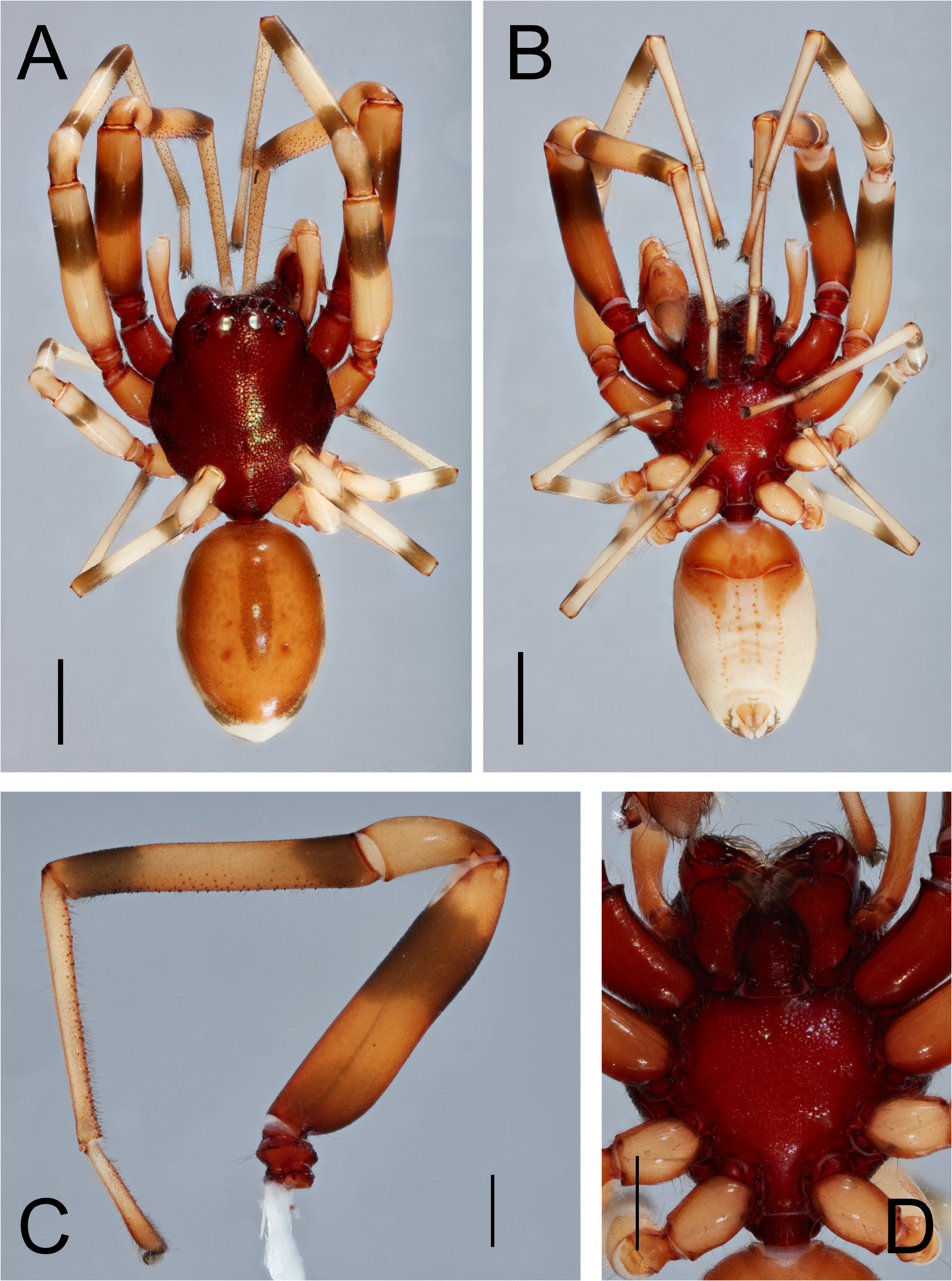
Utivarachna
Utivarachna is a genus of Asian araneomorph spiders in the family Trachelidae first described by Kyukichi Kishida in 1940. It was largely ignored until Christa L. Deeleman-Reinhold revised the sac and ground spiders in 2001, transferring some species from Trachelas and adding several new ones. The genus was further expanded in 2014 and 2015.
Xylocopa nasalis
species of insect
Gasteracantha sturi
species of arachnid

Acropora valida
species of cnidarian
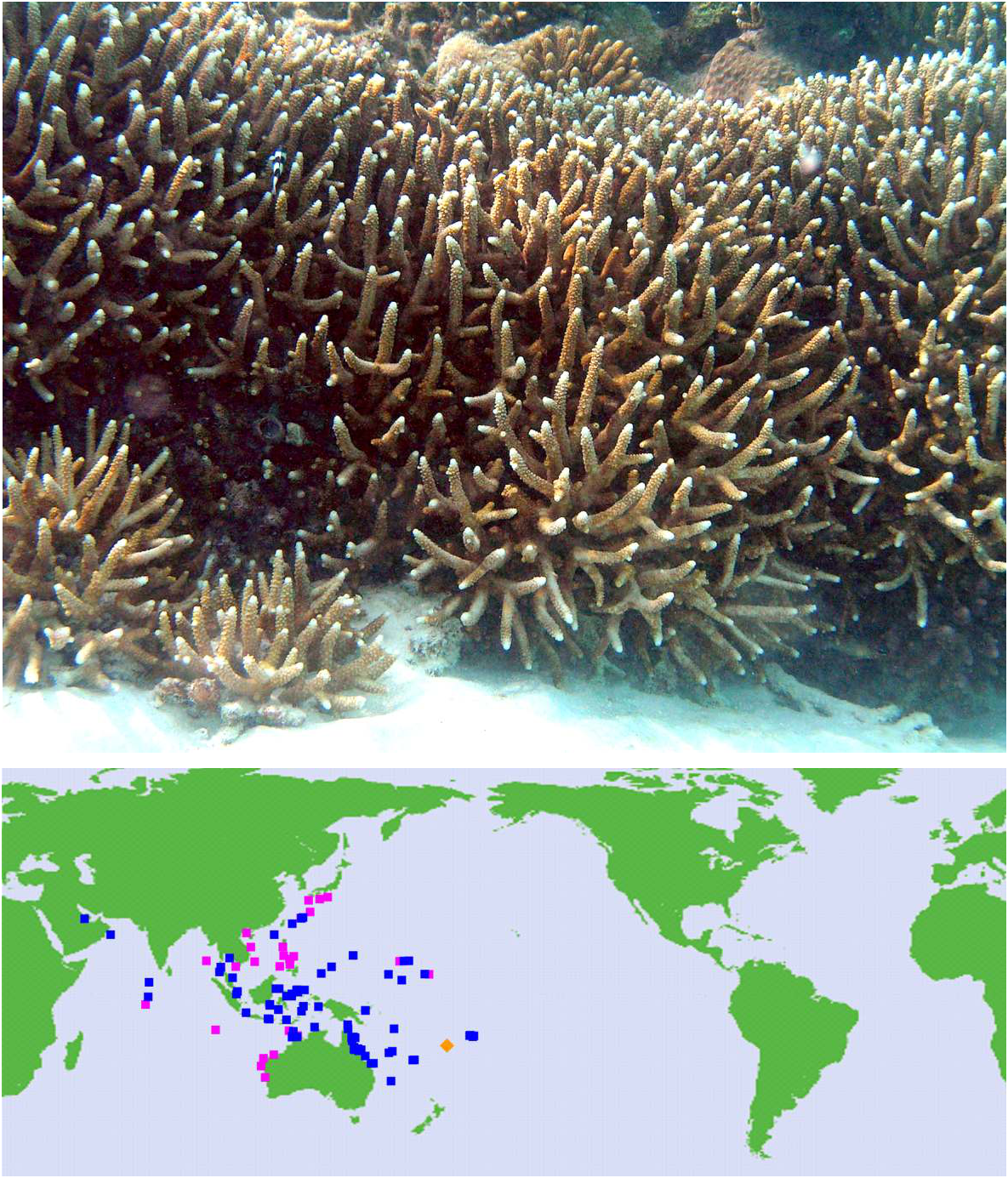
Acropora aspera
species of cnidarian

Xylocopa caerulea
species of insect

Acropora donei
species of cnidarian
Xylocopa bryorum
species of insect
Diplonychus
Diplonychus is a genus of true bugs belonging to the family Belostomatidae.
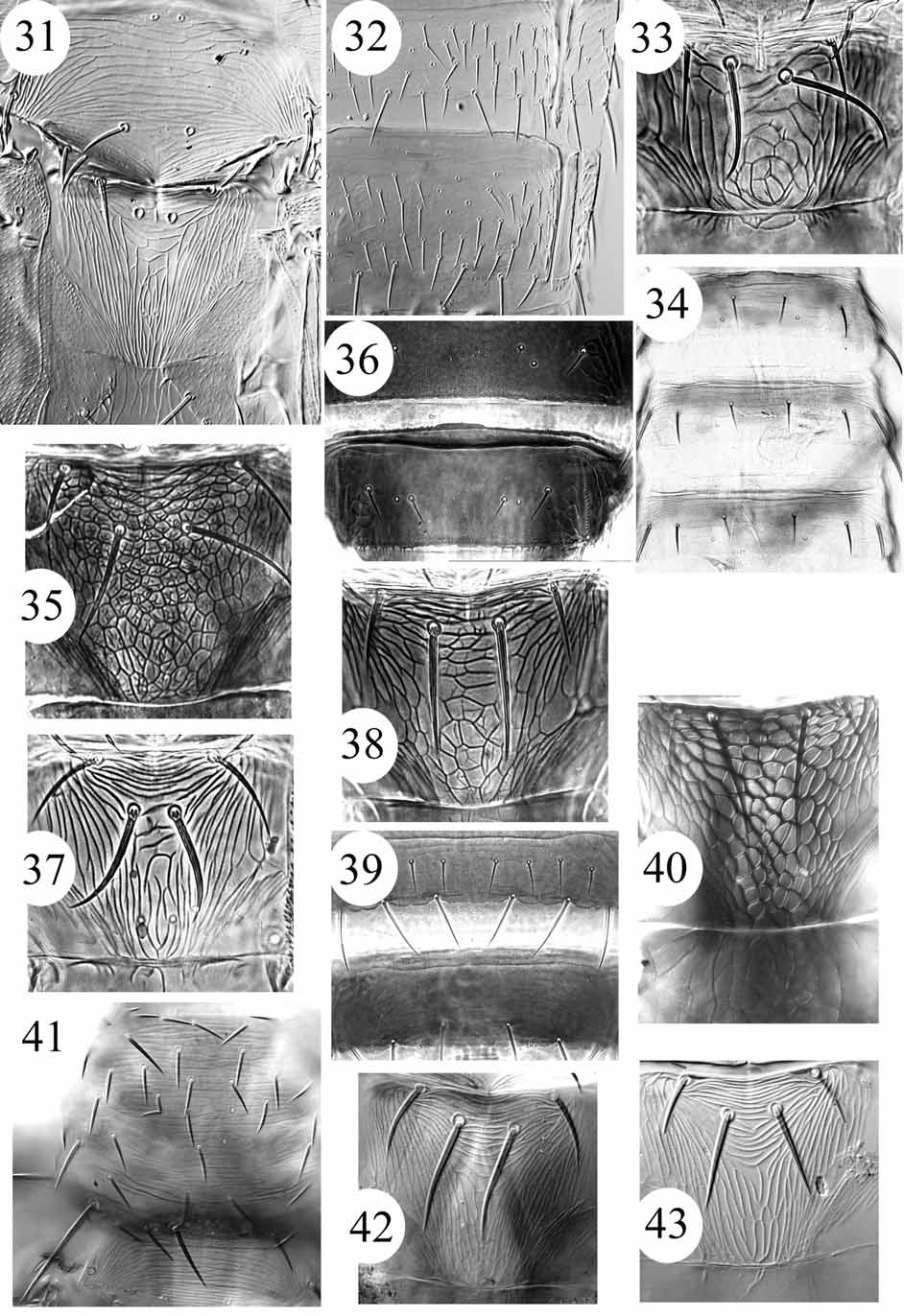
Thrips palmi
species of insect