Category
page 1Flies of North America

Drosophila melanogaster
species of fly
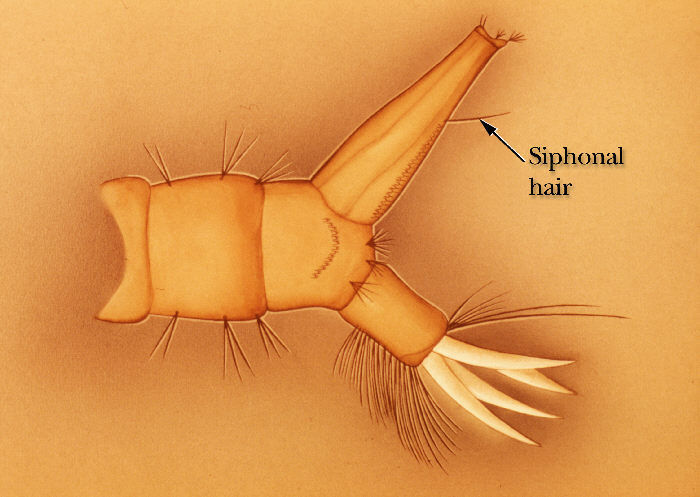
Culex pipiens
species of mosquito

Hermetia illucens
species of insect

Lucilia sericata
species of insect

Tipula paludosa
species of true craneflies

Scathophaga stercoraria
species of insect

Mayetiola destructor
species of insect
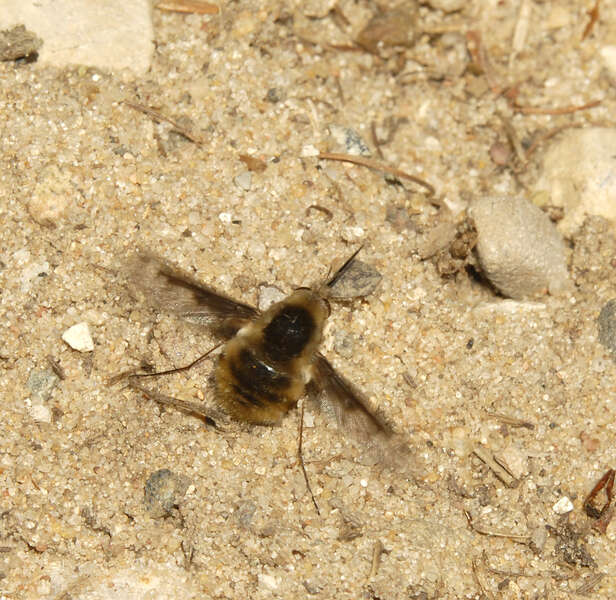
Bombylius major
species of insect

Syrphus ribesii
species of insect
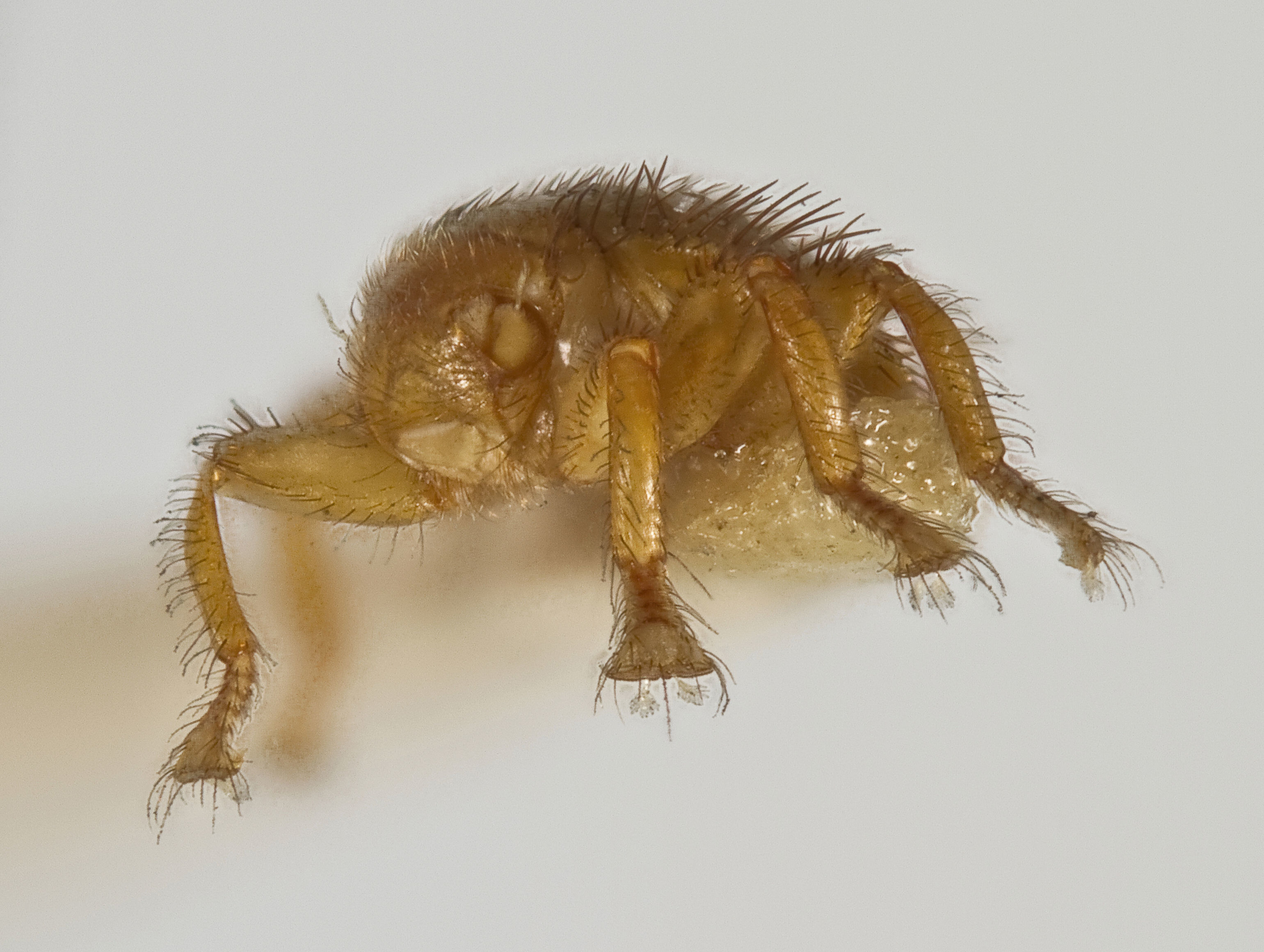
Braula coeca
species of insect

Phytomyza
Phytomyza is a genus of leaf miners in the family Agromyzidae.
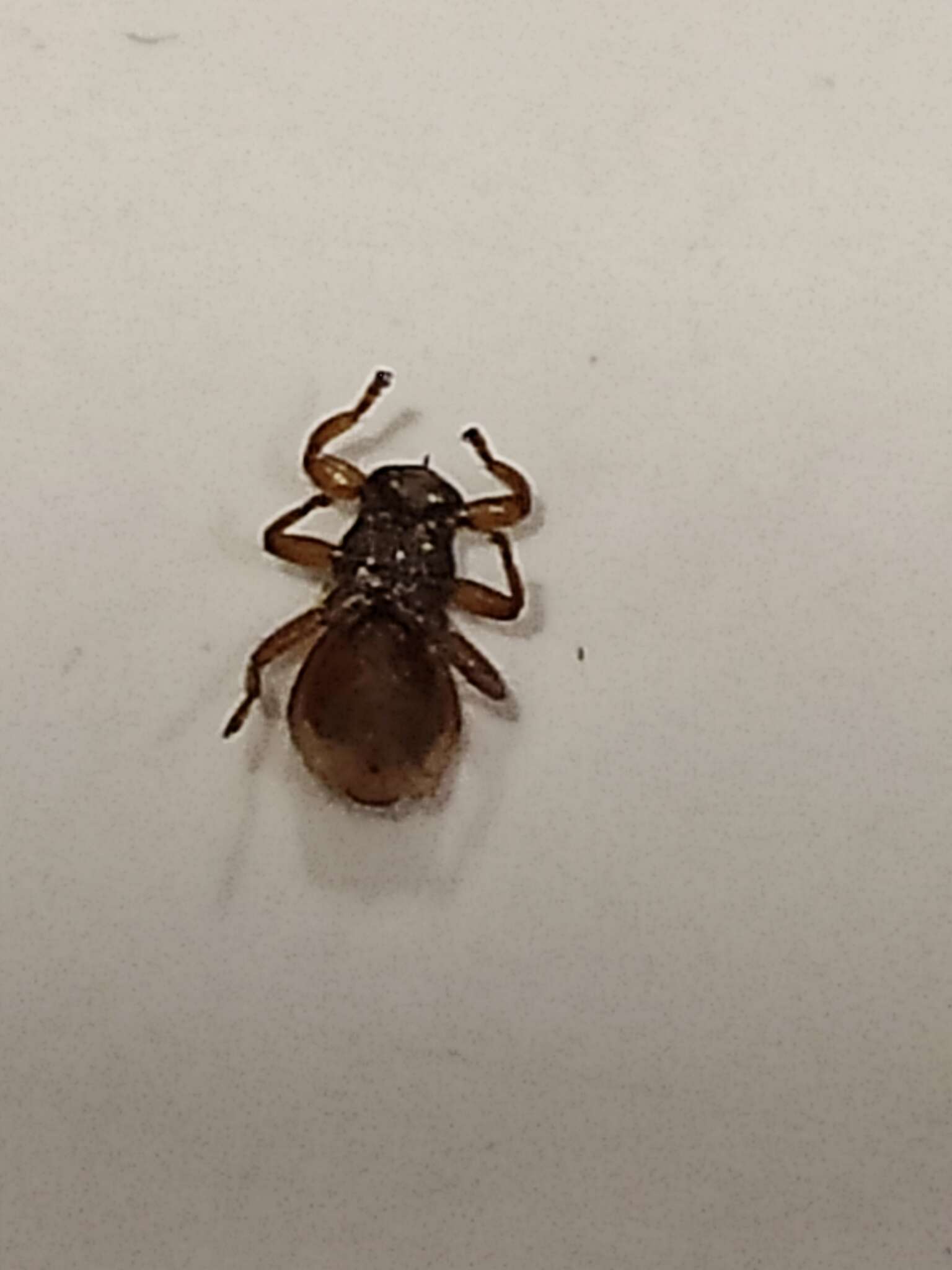
Melophagus ovinus
species of insect
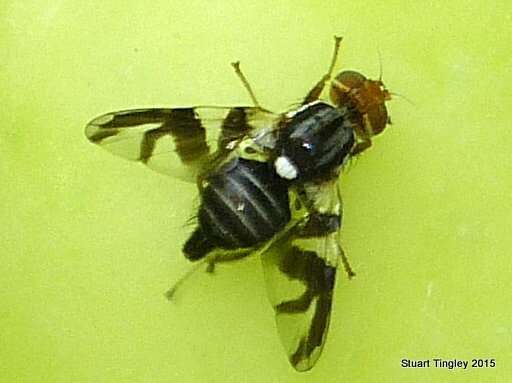
apple maggot
species of insect
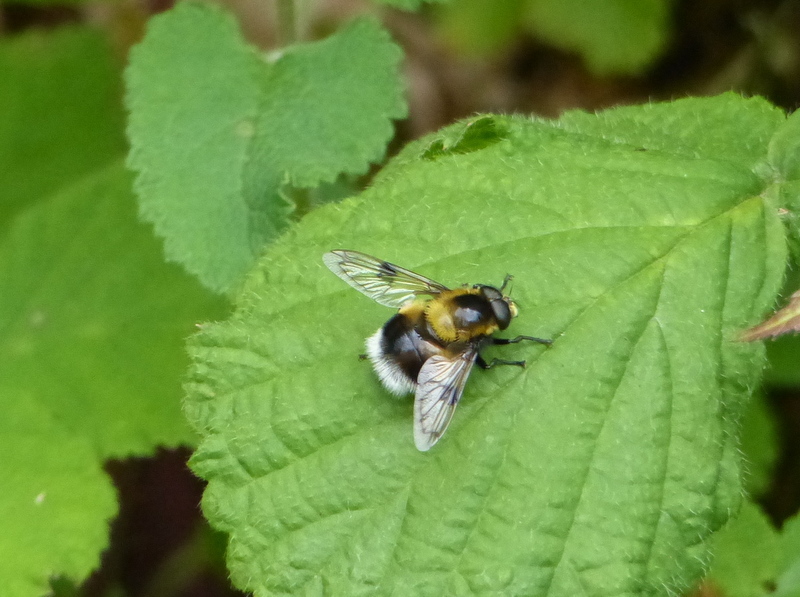
Volucella bombylans
species of insect

Lutzomyia
Lutzomyia is a genus of phlebotomine sand flies consisting of nearly 400 species, at least 33 of which have medical importance as vectors of human disease. Species of the genus Lutzomyia are found only in the New World, distributed in southern areas of the Nearctic and throughout the Neotropical realm. Lutzomyia is one of the two genera of the subfamily Phlebotominae to transmit the Leishmania parasite, with the other being Phlebotomus, found only in the Old World. Lutzomyia sand flies also serve as vectors for the bacterial Carrion's disease and a number of arboviruses.
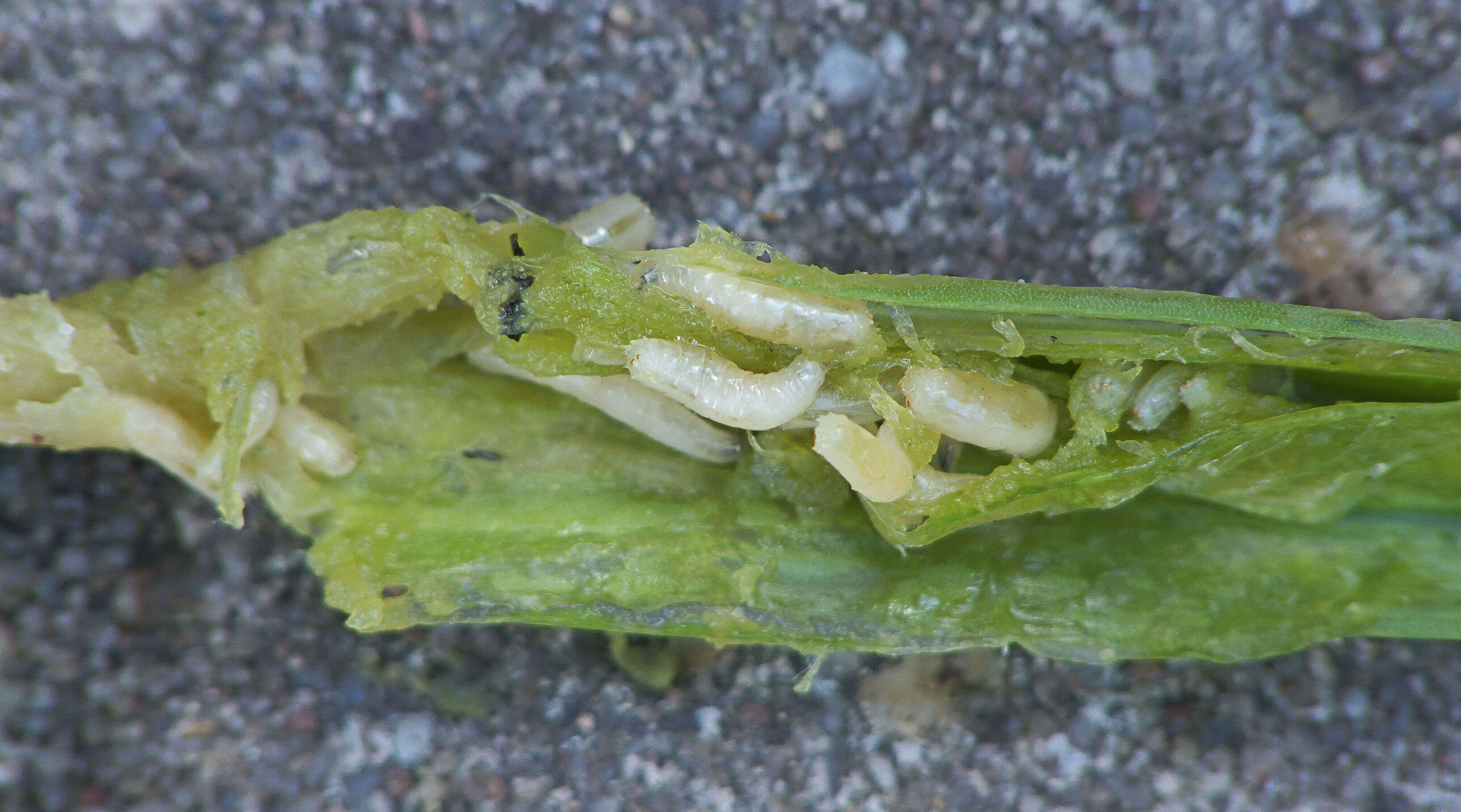
Delia antiqua
species of insect
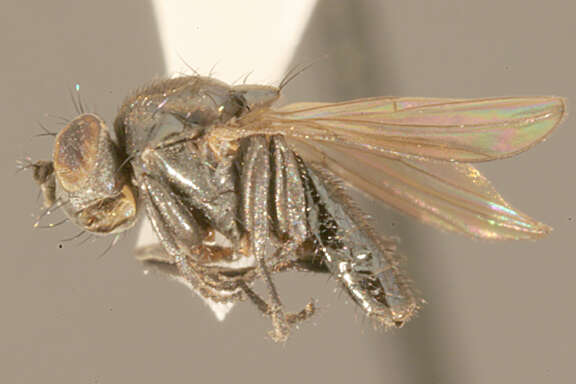
Helaeomyia petrolei
species of insect
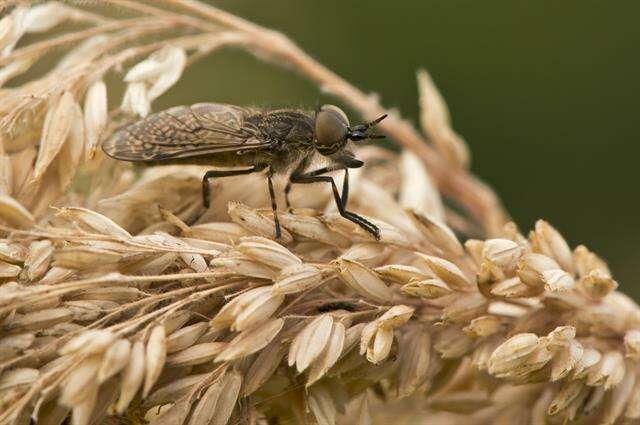
Haematopota
Haematopota is a genus of flies in the horse-fly family, Tabanidae. Among the horse-flies, they are most commonly known as clegs. Many species have colorful, sinuously patterned eyes in life, a character that fades after death. The wings are typically patterned with spots of grey. The genus is named from the Ancient Greek for blood-drinker: αἷμα, haîma, blood; πότης, pótës, drinker. Some species are known to be vectors of livestock diseases.

Drosophila busckii
species of fruit fly; native to North America
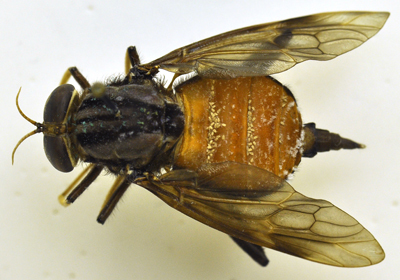
Pantophthalmidae
Pantophthalmidae (sometimes spelled as Panthophthalmidae) is a small family of very large, robust flies, sometimes referred to as timber flies. There are 21 known species in two genera in the family, all of Neotropical distribution. Superficially they resemble horse flies, but are only distantly related; they are most closely related to the soldier flies (Stratiomyidae). The larvae feed by boring into living wood, an unusual habit for Diptera, and can sometimes be pests. The adult stage is brief and does not feed at all, and most active at dusk.
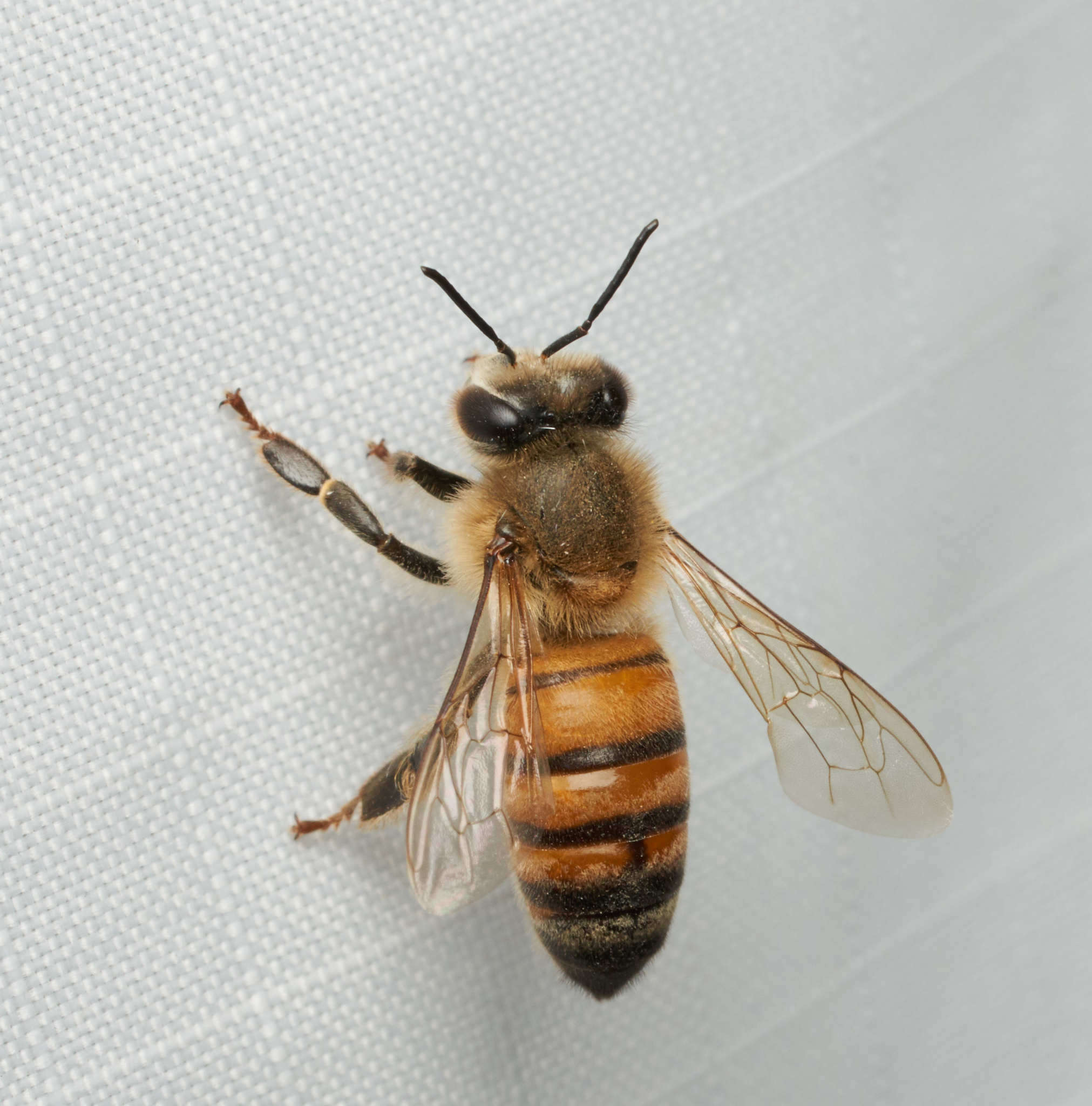
Apocephalus borealis
species of parasitoid fly

Pyrgotidae
The Pyrgotidae are an unusual family of flies (Diptera), one of only two families of Cyclorrhapha that lack ocelli. Most species are "picture-winged" (i.e., have patterns of bands or spots on the wings), as is typical among the Tephritoidea, but unlike other tephritoids, they are endoparasitoids; the females pursue scarab beetles in flight, laying an egg on the beetle's back under the elytra where the beetle cannot reach it. The egg hatches and the fly larva enters the body cavity of the beetle, feeding and eventually killing the host before pupating. In the United States, some species of Pyrg
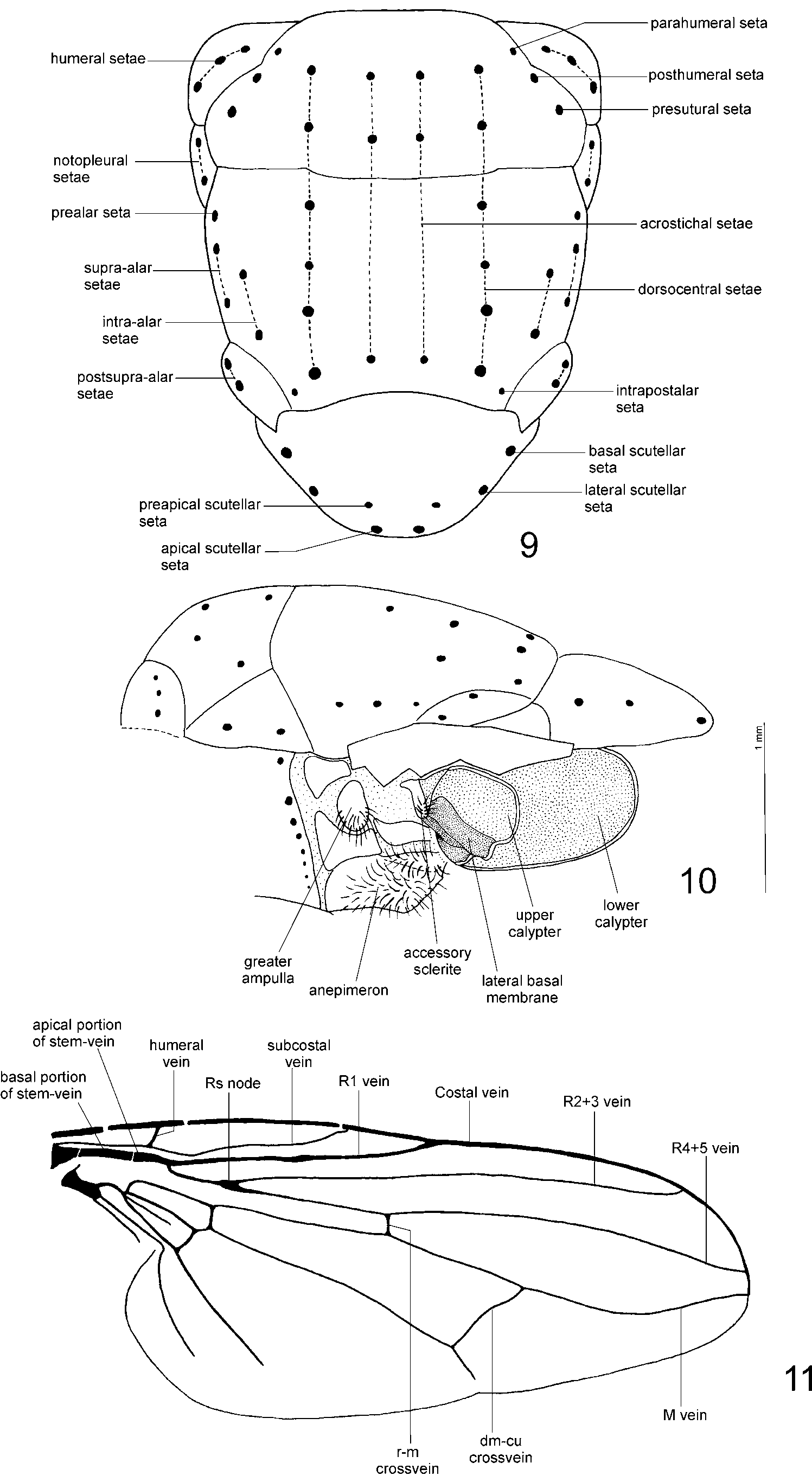
Morellia
Morellia is a very large genus from the fly family Muscidae. Morellia are plumpish black flies, largely lacking eye hairs - sparse at most. they have a white dusting on the parafacialia and the scutum has 4 distinct longitudinal stripes.
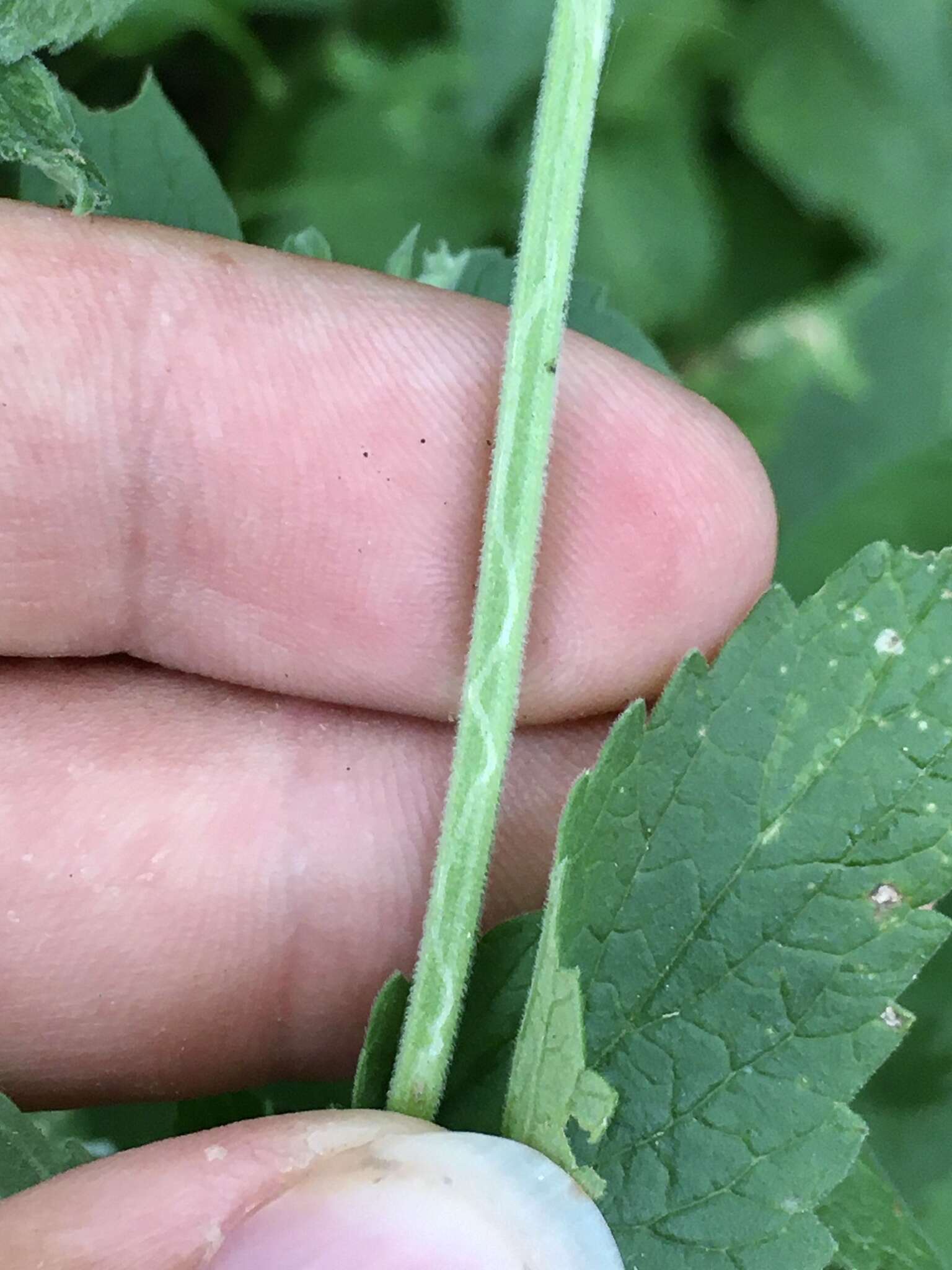
Ophiomyia
Ophiomyia is a genus of flies in the family Agromyzidae.
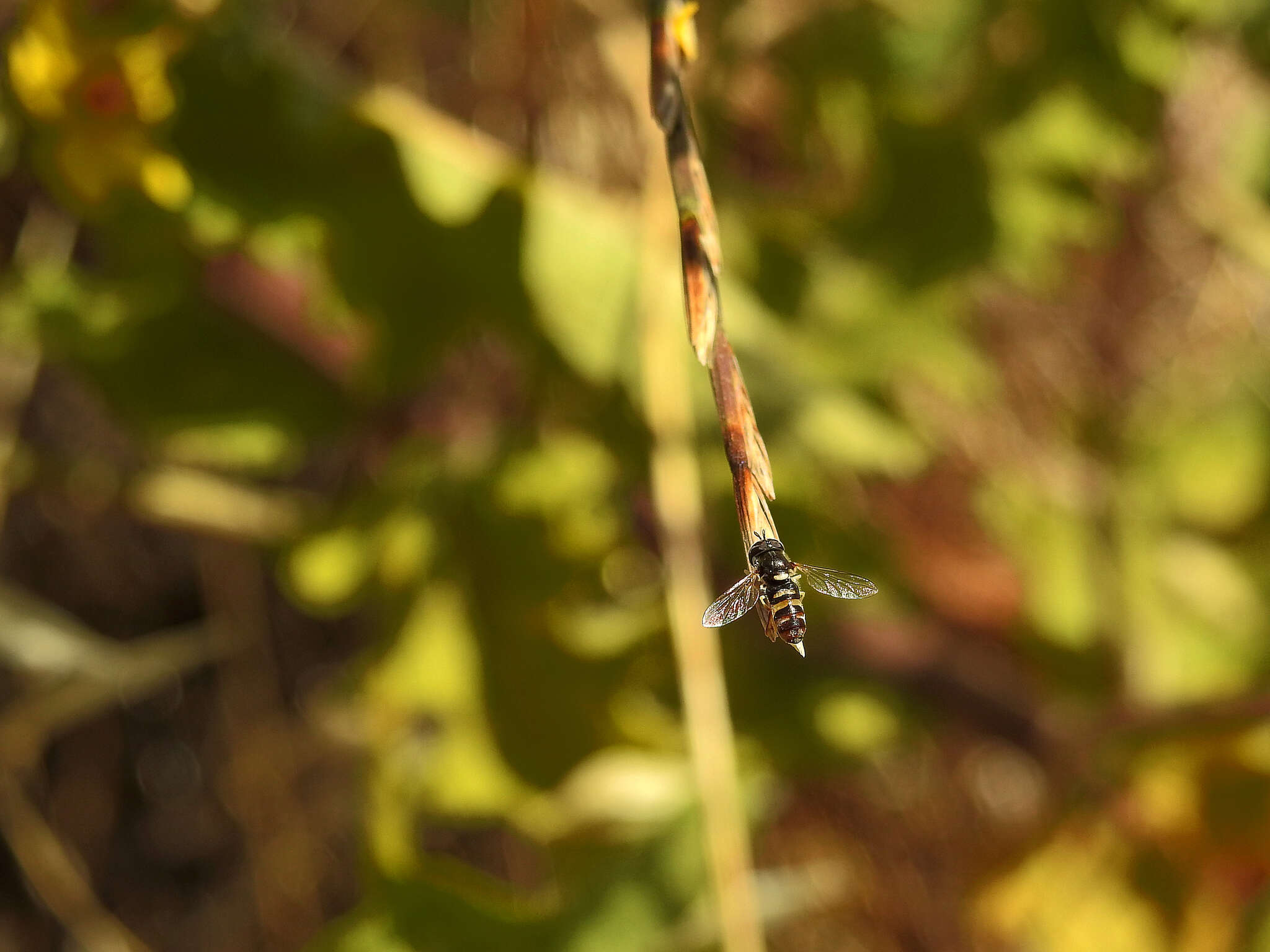
Paragus
thumb|thumbtime=0:49|Paragus sp. feeding on Tansy|Tanacetum vulgare.
Paragus is a genus of hoverflies.
Hippobosca
Hippobosca is a genus of flies in the family Hippoboscidae, with seven known species. There are numerous synonyms.

Trichopoda pennipes
species of insect
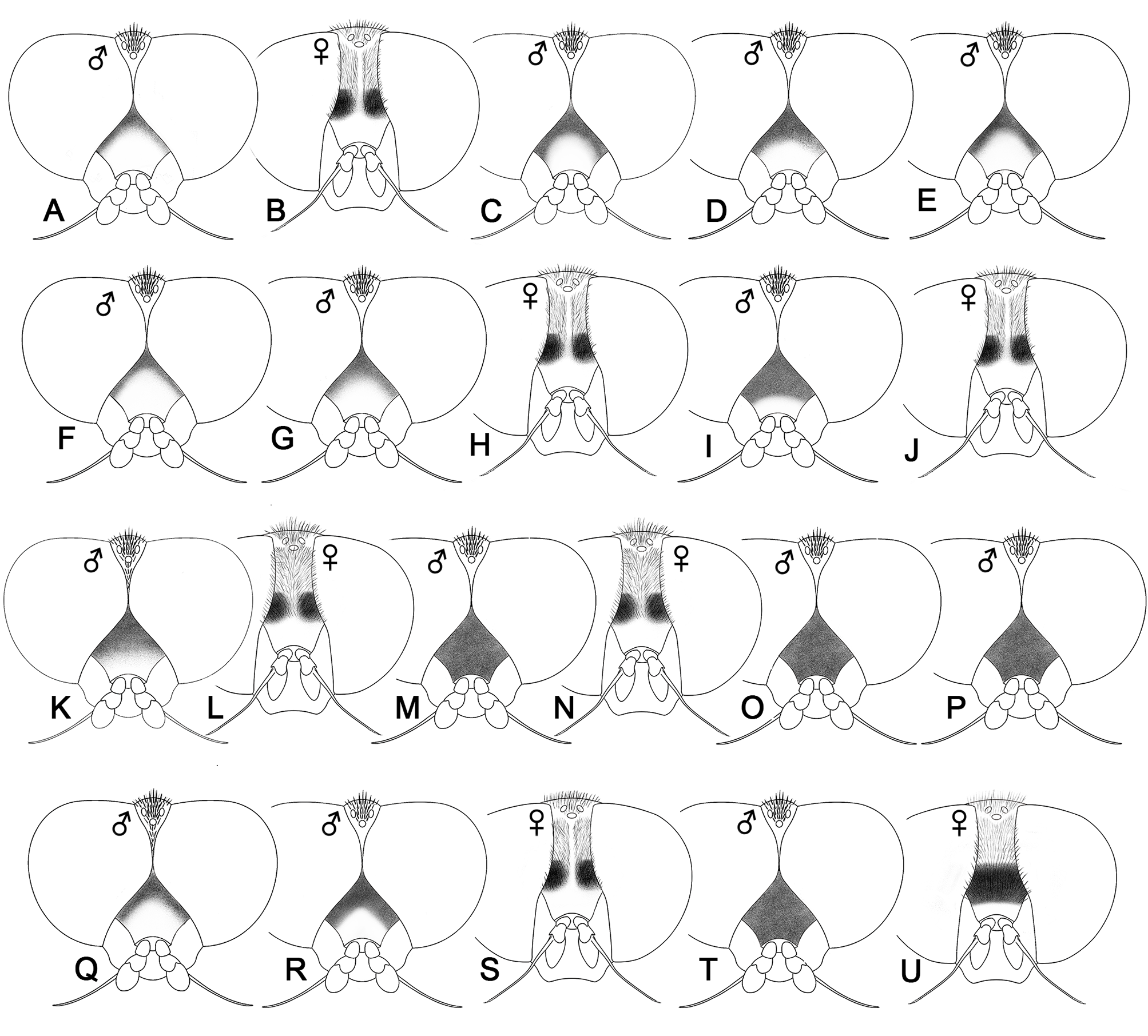
Xylota
Xylota is a Holarctic genus of hoverflies similar in structure to the related genera Chalcosyrphus and Brachypalpoides. As the larvae are saprophytic they're usually found in rotting wood. The adult flies are generally associated with woodland and woodland edges and can often be seen running over the upper sides of leaves. Unlike other syrphids the adults of many species rarely visit flowers preferring instead to gather pollen from leaf surfaces.
There are over 100 described species of which 12 can be found in Europe. Seven species have been recorded in Britain. Identification of species has
Epistrophe
genus of insects

Adia cinerella
species of fly

Sphaerophoria
Sphaerophoria is a genus of hoverflies. They occur worldwide but are common in North America, Europe, Asia and Australia, with over 70 described species.
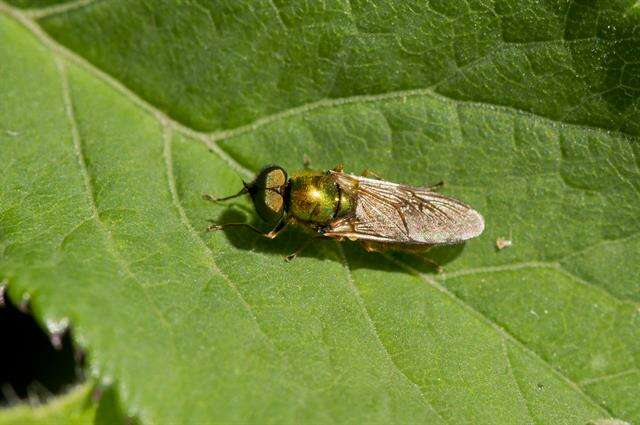
Chloromyia formosa
species of insect
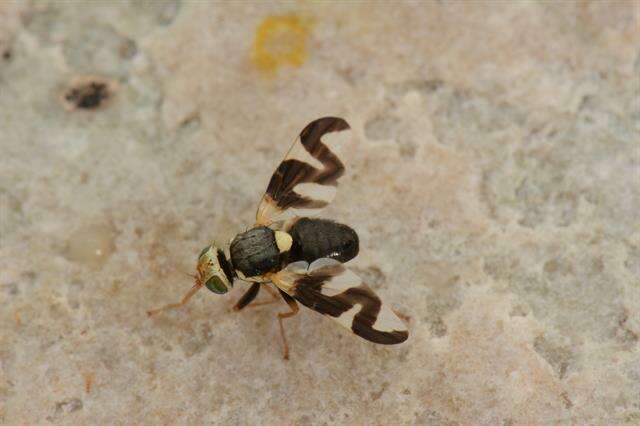
Urophora cardui
species of insect
Dexia
genus of insects
.jpg)
Cochliomyia
Cochliomyia is a genus in the family Calliphoridae, known as blowflies, in the order Diptera. Cochliomyia is commonly referred to as the New World screwworm flies, as distinct from Old World screwworm flies. Four species are in this genus: C. macellaria, C. hominivorax, C. aldrichi, and C. minima. C. hominivorax is known as the primary screwworm because its larvae produce myiasis and feed on living tissue. This feeding causes deep, pocket-like lesions in the skin, which can be very damaging to the animal host. C. macellaria is known as the secondary screwworm because its larvae produce myiasis
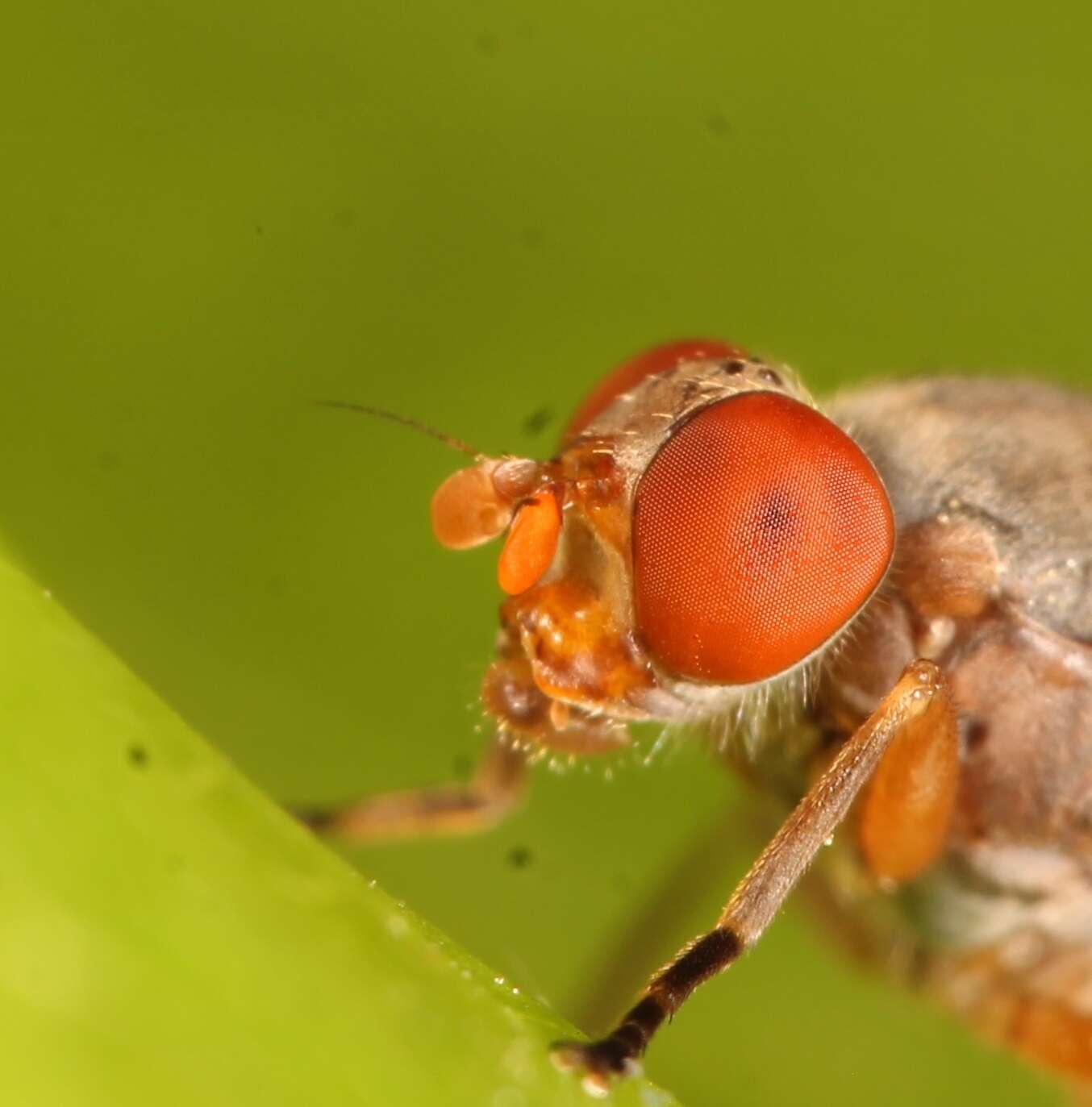
Brachyopa
Brachyopa is a Holarctic genus of hoverflies whose grey and brown colouration is unusual for this family and these flies can easily be overlooked amongst members of other fly families. The larvae can be found under the bark of dead branches and trees in decaying sap.
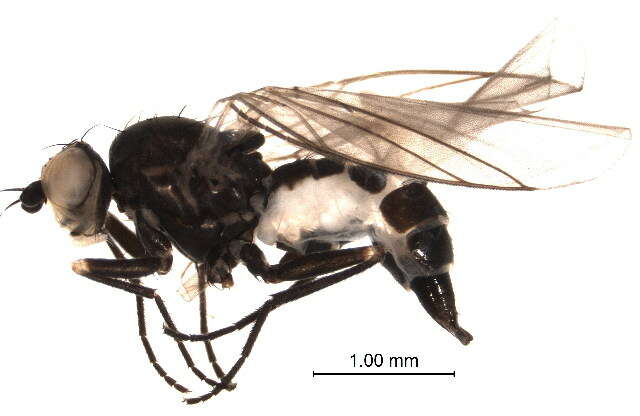
Napomyza
thumb | right
Napomyza is a genus of flies in the family Agromyzidae.
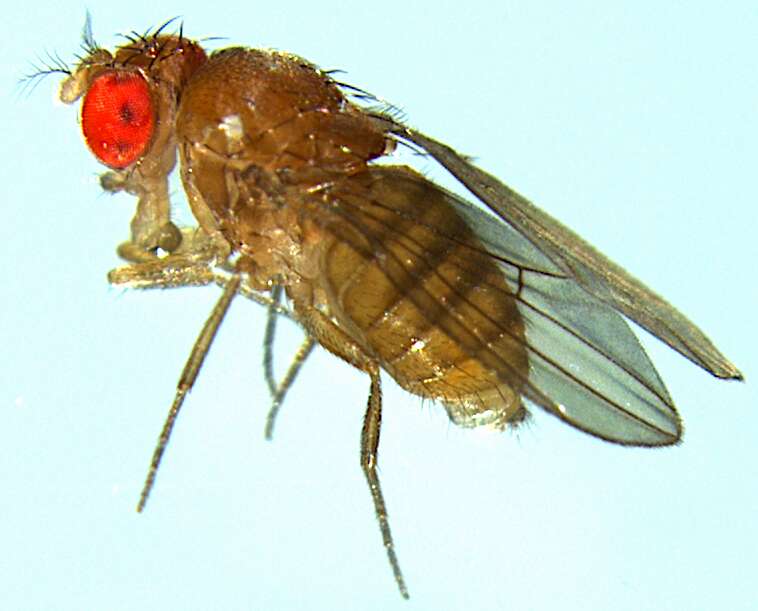
Drosophila willistoni
species of insect

Calycomyza
thumb|right
Calycomyza is a genus of flies in the family Agromyzidae.

Phytobia
Phytobia is a genus of flies in the family Agromyzidae, with a worldwide distribution principally in Europe and the Americas.

Exorista
Exorista is a genus of flies in the family Tachinidae.
Temnostoma
Temnostoma is a genus of hoverflies. The larvae of some species feed on the wood of deciduous trees.
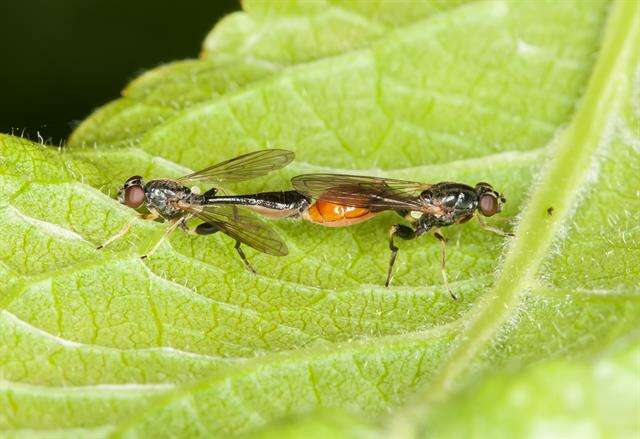
Sphegina
Sphegina is a genus of small, slender hoverflies. They are widespread throughout Eurasia and North America. In flight they seem to have long hind legs which they often carry hanging down, making them resemble sphecid or ichneumonid wasps. Adult Sphegina are usually found in damp and shady habitats close to water in forested areas, and several species can often be found together. They often feed on white and yellow flowers of Apiaceae, Ranunculaceae, Asteraceae, and Rosaceae like Crataegus, Sorbus, and Sorbaria. Larvae nest in the sap of living and dead trees or in decaying cambium under tree b
Pipiza
Pipiza is a genus of hoverflies, from the family Syrphidae, in the order Diptera. Most are dark hoverflies.

Ormia ochracea
species of insect
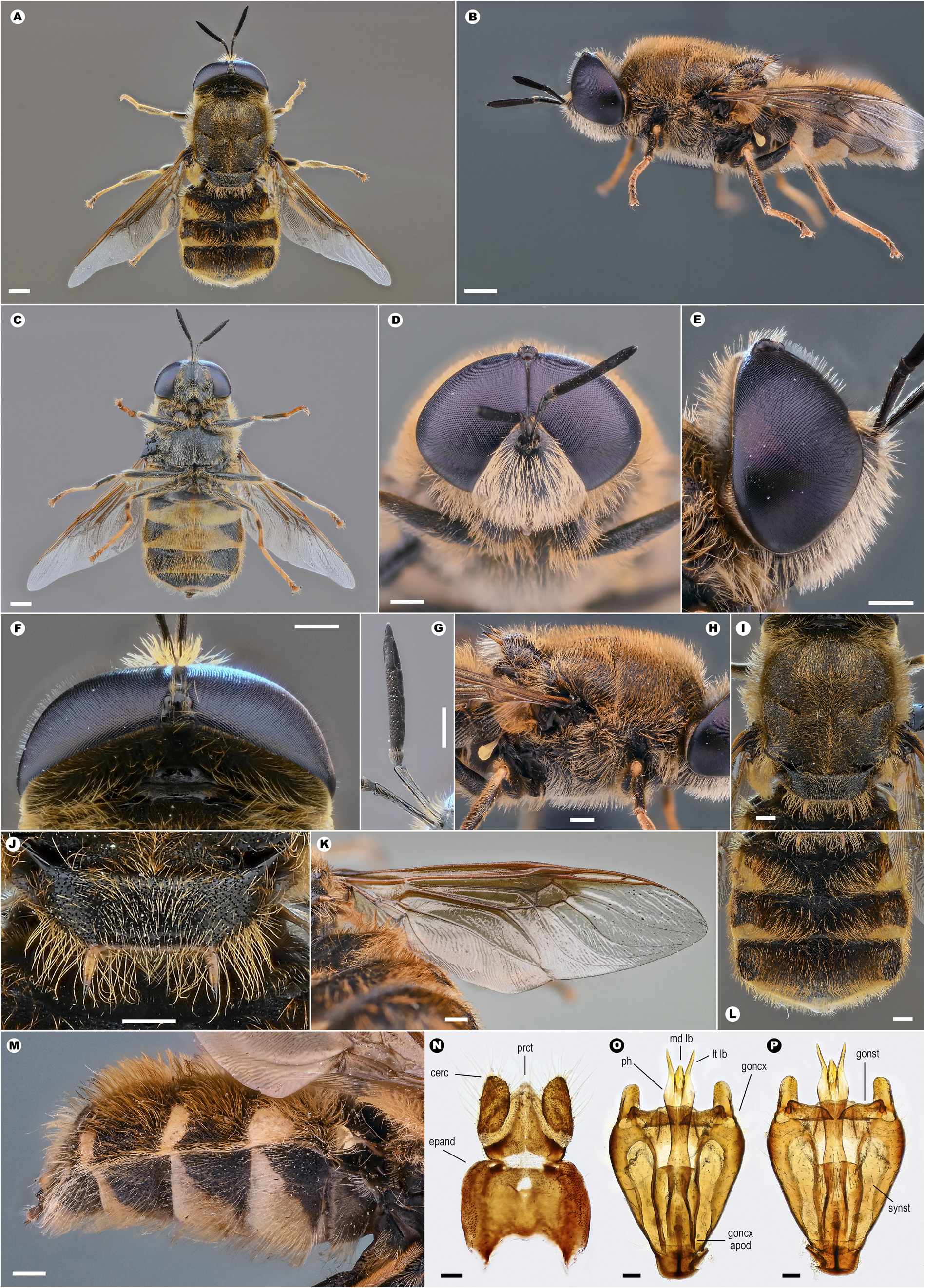
Stratiomys
Stratiomys is a genus of flies in the family Stratiomyidae.

Spilomyia
thumb|Spilomyia sayi
Spilomyia is a genus of hoverflies. Many species in the genus show Batesian mimicry of wasp models, including black and yellow patterns and modified antenna shape.
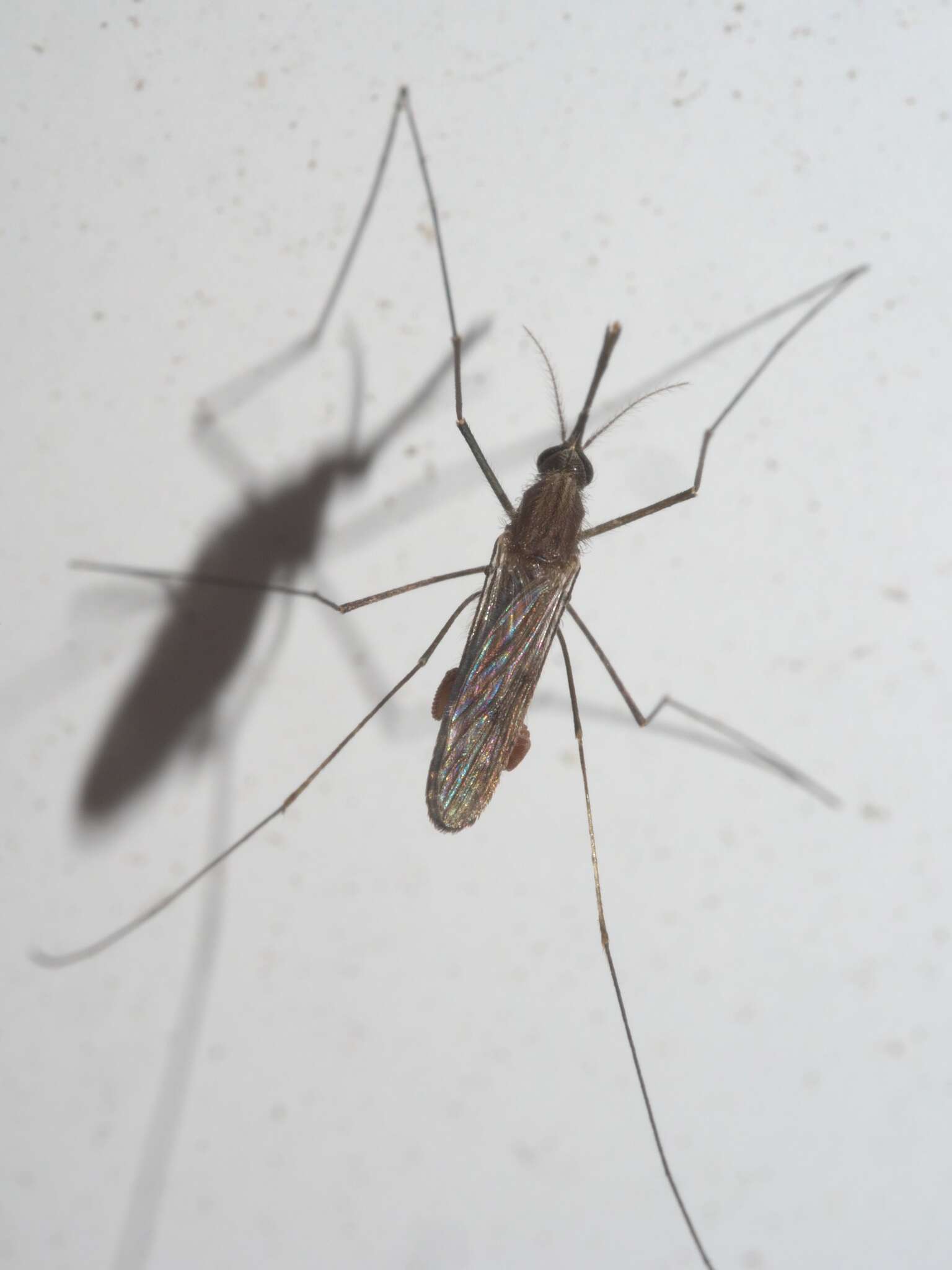
Anopheles quadrimaculatus
species of insect

Psychoda alternata
species of insect

Sericomyia
Sercomyia are large flies with species that are bee mimics both short pile and long pile.
Sericomyiine flower flies are common in boreal forests across the Holarctic region and southward at higher elevations into the Oriental and Neotropical regions.
Sericomyia species have larvae of the rat-tailed maggot type, often found in ponds rich in decomposing vegetation where they filter out microorganisms as their
food

Milesia
genus of insects

Syrphus torvus
species of insect
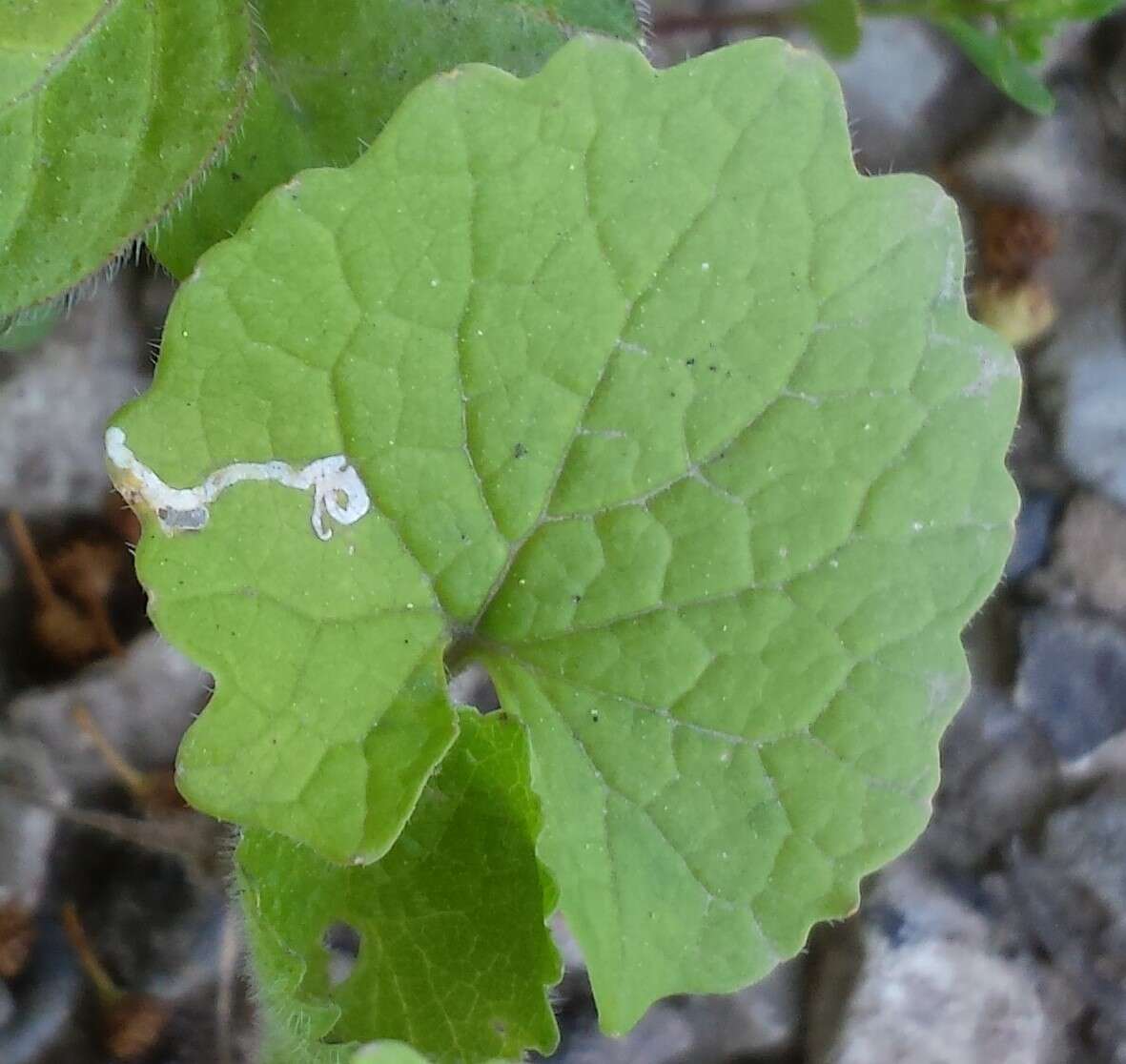
Serpentine leaf miner
species of insect

Liriomyza huidobrensis
species of insect
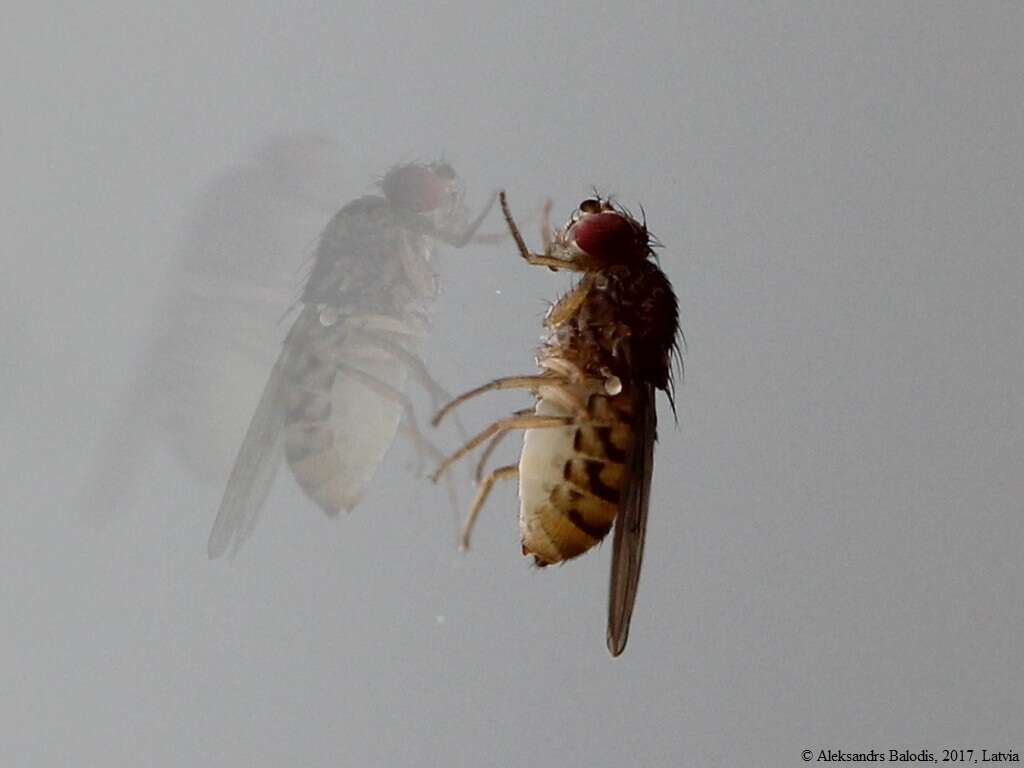
Drosophila meridiana
species of insect
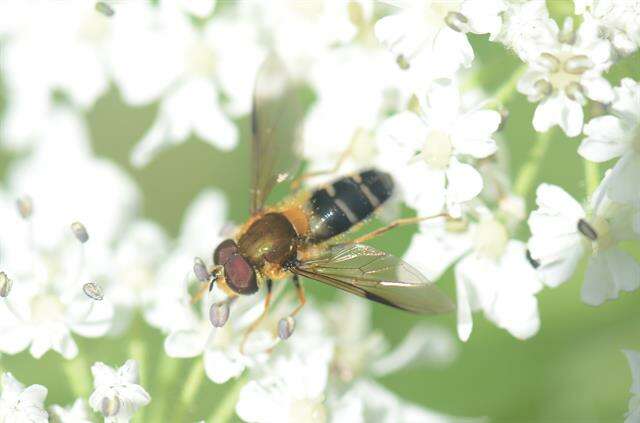
Leucozona
Leucozona is a genus of hoverflies. Species within this genus typically have a variegated pattern of dull and bright colours on the thorax and abdominal segments such as white or even blue (Leucozona glaucia). This colouration allows the hoverfly to mimic more predaceous bees and wasps, for example Leucozona lucorum.

Lixophaga
Lixophaga is a genus of flies in the family Tachinidae.

Dexia rustica
species of insect

Psorophora ciliata
species of insect

Callopistromyia annulipes
species of insect