Category
page 1Flora of Southern America
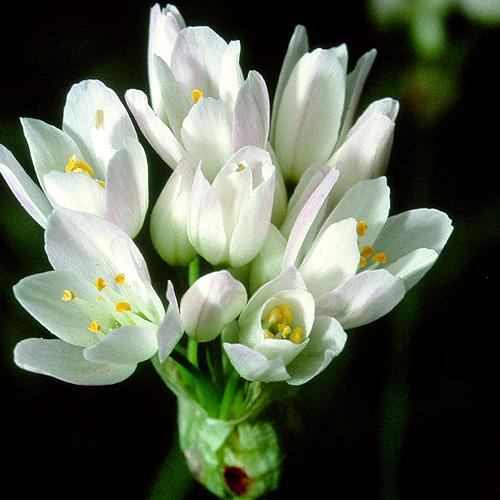
Onion
The onion (Allium cepa , from Latin ), also known as the bulb onion or common onion, is a vegetable that is the most widely cultivated species of the genus Allium. The shallot is a botanical variety of the onion which was classified as a separate species until 2011. The onion's close relatives include garlic, scallion, leek, and chives.

cassava
Manihot esculenta, commonly called cassava, manioc, or yuca (among numerous regional names), is a woody shrub of the spurge family, Euphorbiaceae, native to South America, from Brazil, Paraguay and parts of the Andes. Although a perennial plant, cassava is extensively cultivated in tropical and subtropical regions as an annual crop for its edible starchy tuberous root. Cassava is predominantly consumed in boiled form, but substantial quantities are processed to extract cassava starch, called tapioca, which is used for food, animal feed, and industrial purposes. The Brazilian , and the related

Cashew
Cashew is the common name of a tropical evergreen tree Anacardium occidentale, in the family Anacardiaceae. It is the source of the cashew nut (often simply called a 'cashew') and the cashew apple. The tree can grow as tall as .
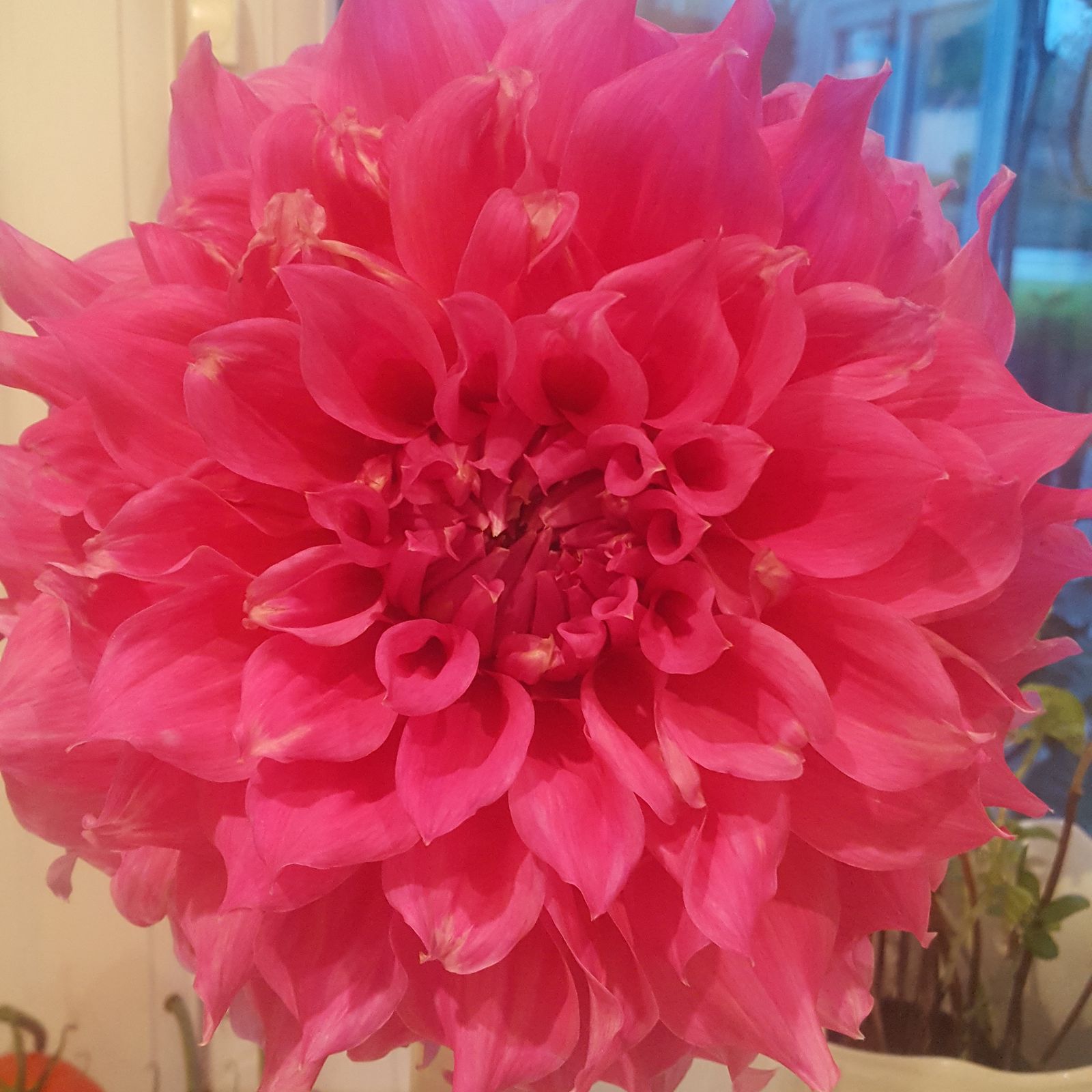
Dahlia
Dahlia ( , ) is a genus of bushy, tuberous, herbaceous perennial plants native to Mexico and Central America. Dahlias are members of the Asteraceae (synonym name: Compositae) family of dicotyledonous plants, its relatives include the sunflower, daisy, chrysanthemum, and zinnia. There are 49 species of dahlia, with flowers in almost every hue (except blue), with hybrids commonly grown as garden plants.

Psidium guajava
species of plant

Mimosa pudica
species of plant in the family Fabaceae

Phragmites australis
species of plant (Phragmites)

Chenopodium quinoa
Quinoa (Chenopodium quinoa; , from Quechua ' or ') is a flowering plant in the amaranth family. It is an herbaceous annual plant grown as a crop primarily for its edible seeds; the seeds are high in protein, dietary fiber, B vitamins and dietary minerals especially potassium and magnesium in amounts greater than in many grains. Quinoa is not a grass but rather a pseudocereal botanically related to spinach and amaranth (Amaranthus spp.), and originated in the Andean region of northwestern South America. It was first used to feed livestock 5,2007,000 years ago, and for human consumption 3,0004,0

Nicotiana tabacum
species of plant
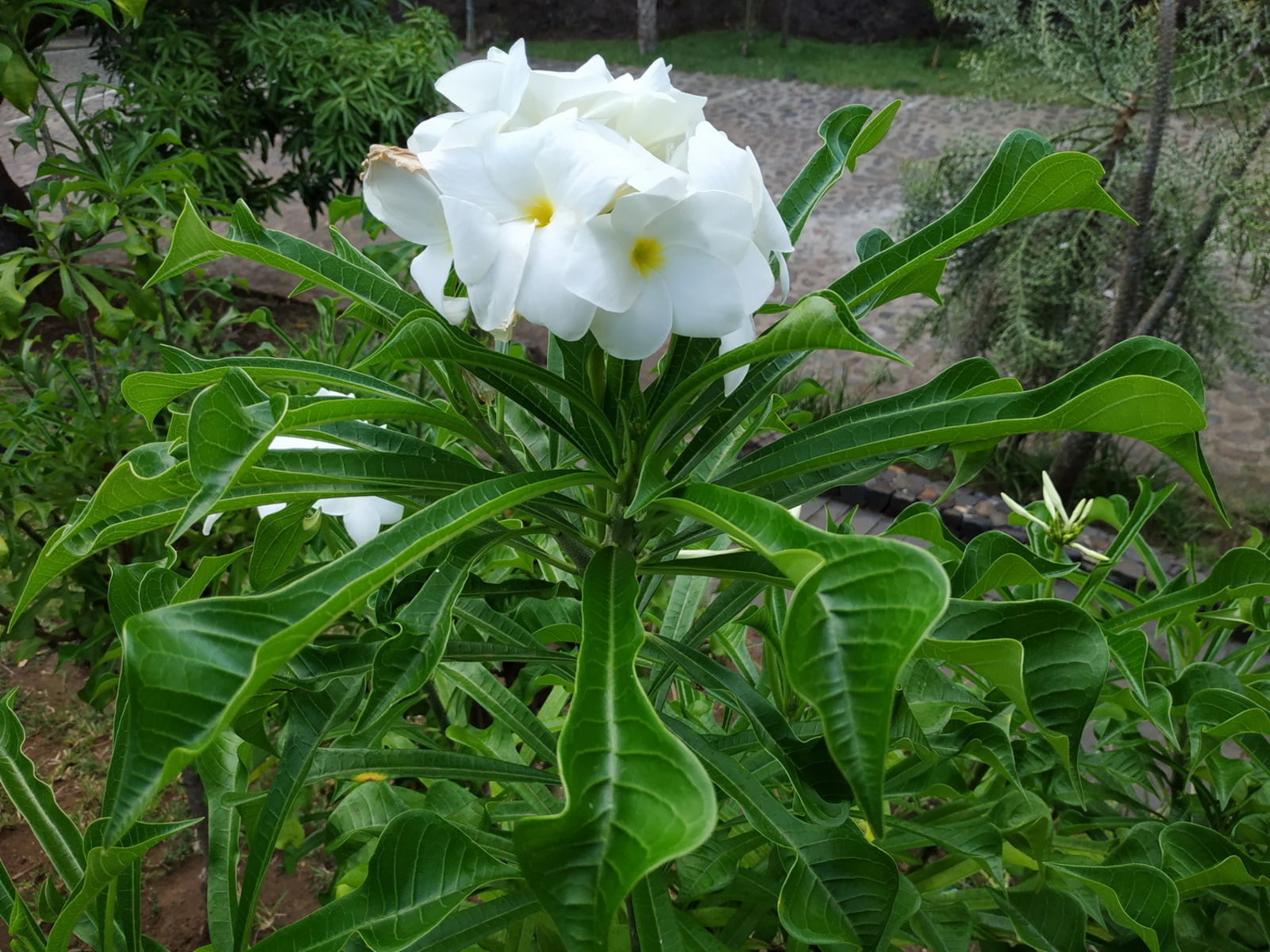
Plumeria
Plumeria (), commonly known as frangipani, is a genus of flowering plants in the family Apocynaceae. Most species are deciduous shrubs or small trees. They are native to the Neotropical realm (in Mexico, Central America, and the Caribbean, and as far south as Brazil and as far north as Florida in the United States), but are often grown as ornamentals in tropical regions, especially in Hawaii, as well as hot desert climates in the Arabian Peninsula with irrigation.

Opuntia
Opuntia, commonly called the prickly pear cactus, is a genus of flowering plants in the cactus family Cactaceae, many known for their flavorful fruit and showy flowers. Cacti are native to the Americas, and are well adapted to arid climates; however, they are still vulnerable to alterations in precipitation and temperature driven by climate change. The plant has been introduced to Australia, southern Europe, the Middle East, and parts of Africa.

Passiflora
Passiflora, known also as the passion flowers or passion vines, is a genus of about 550 species of flowering plants, and the type genus of the family Passifloraceae.
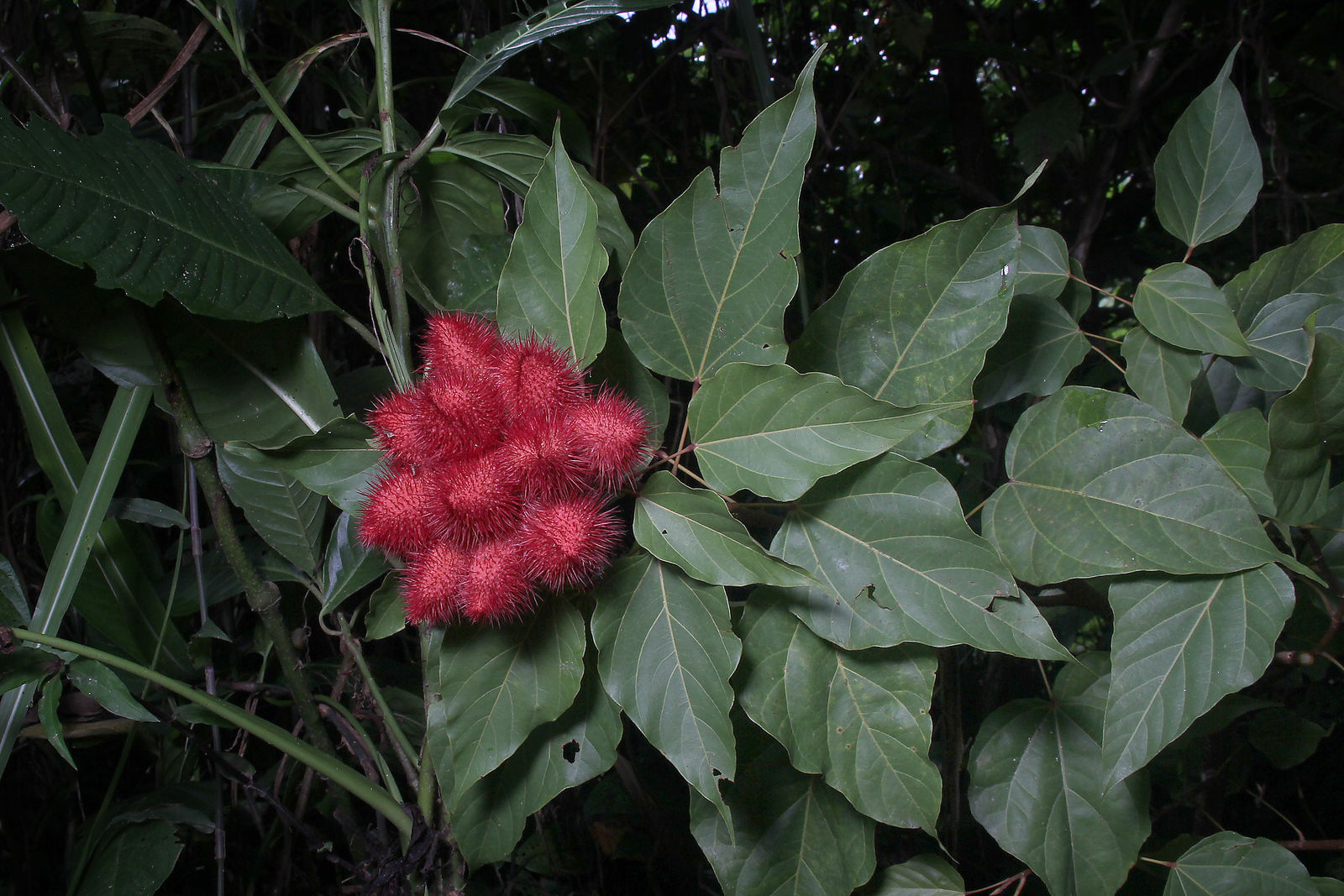
Bixa orellana
species of South American plant
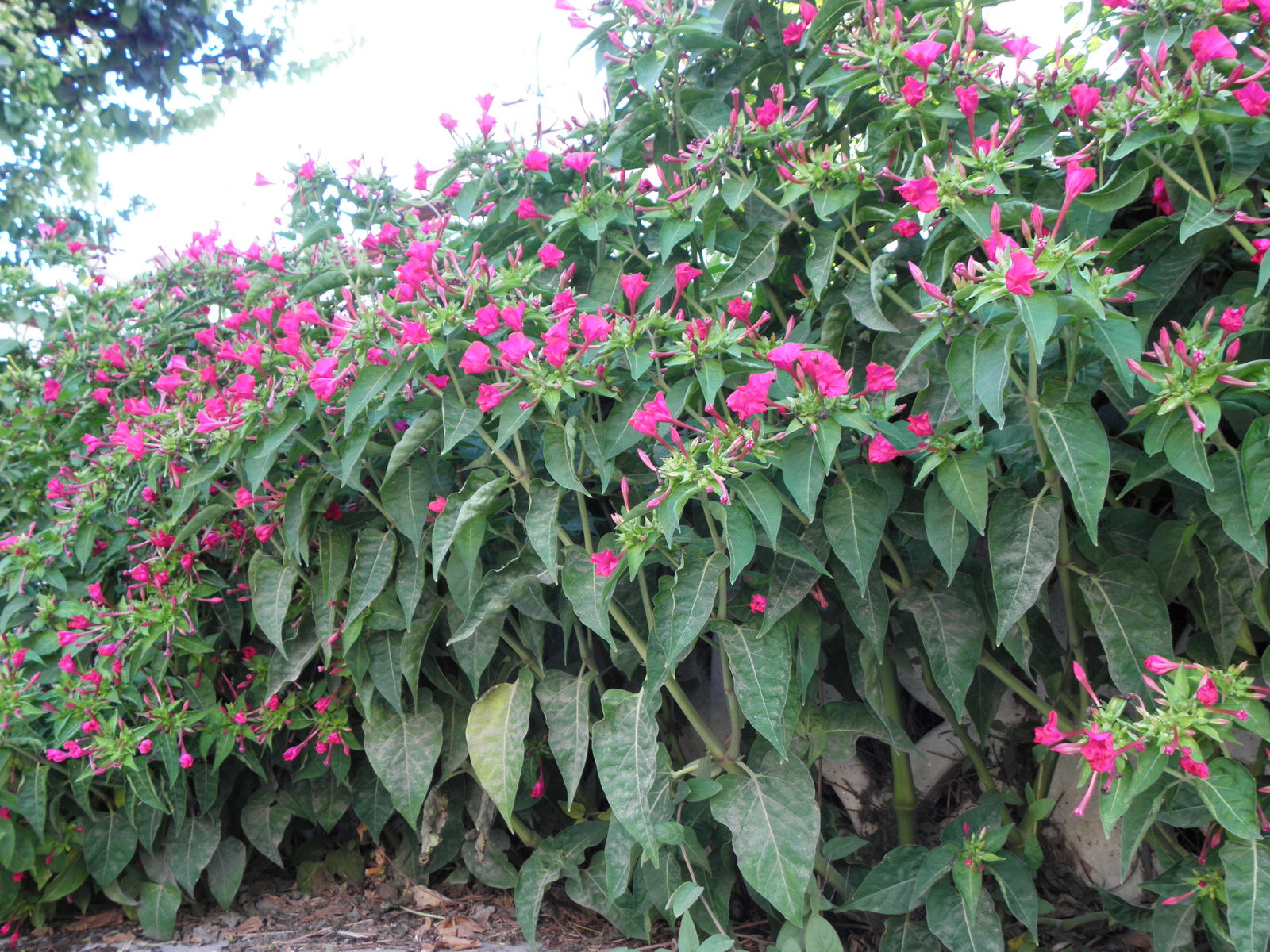
Mirabilis jalapa
species of plant

Typha latifolia
species of plant

Tropaeolum majus
species of plant

Lycopodium clavatum
species of plant

Barbados nut
species of plant
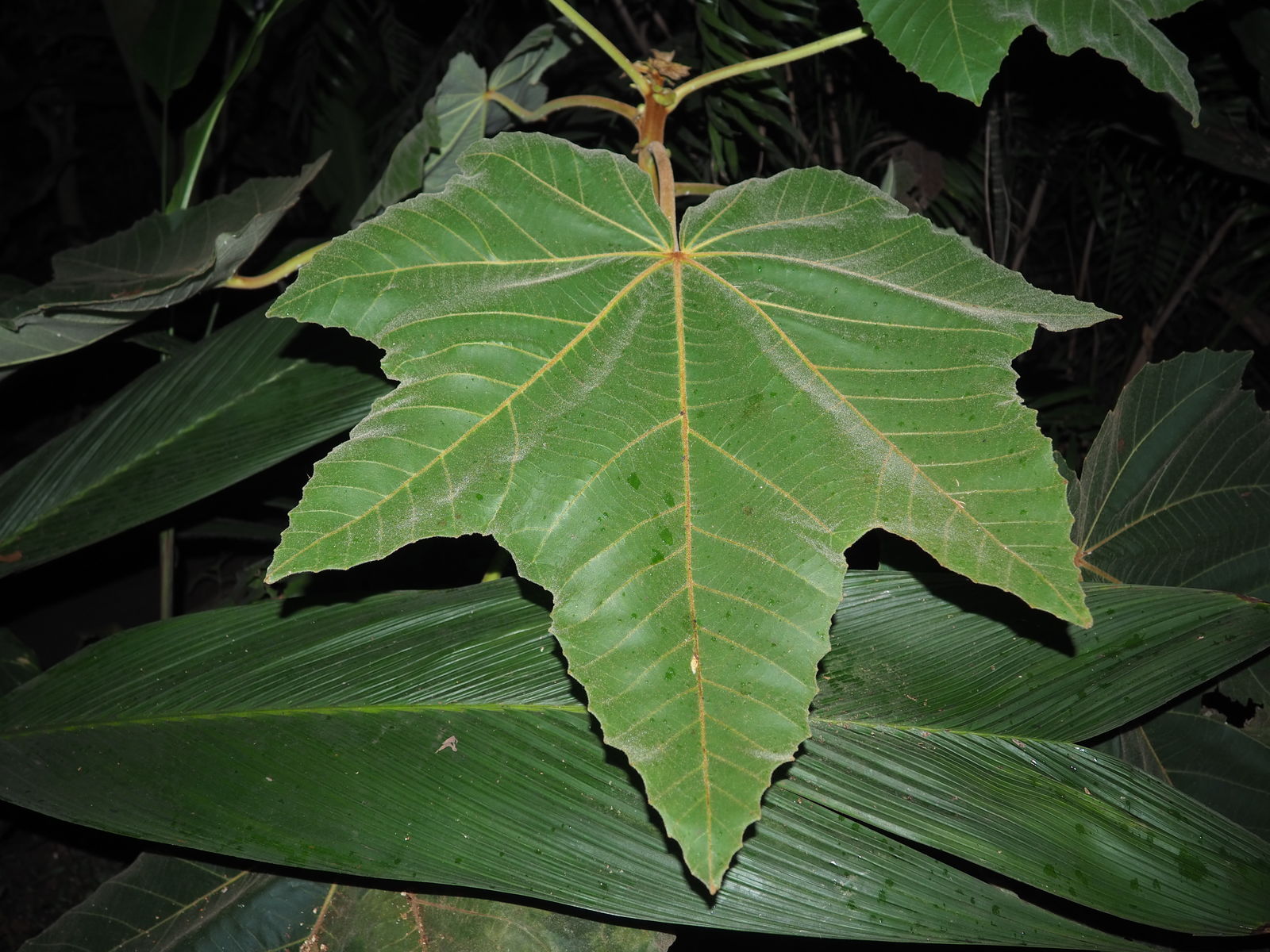
Ochroma pyramidale
species of plant

Canna indica
species of plant

Amaranthus caudatus
species of plant

Amaranthus retroflexus
species of plant

Cyperus esculentus
species of plant in the sedge family Cyperaceae
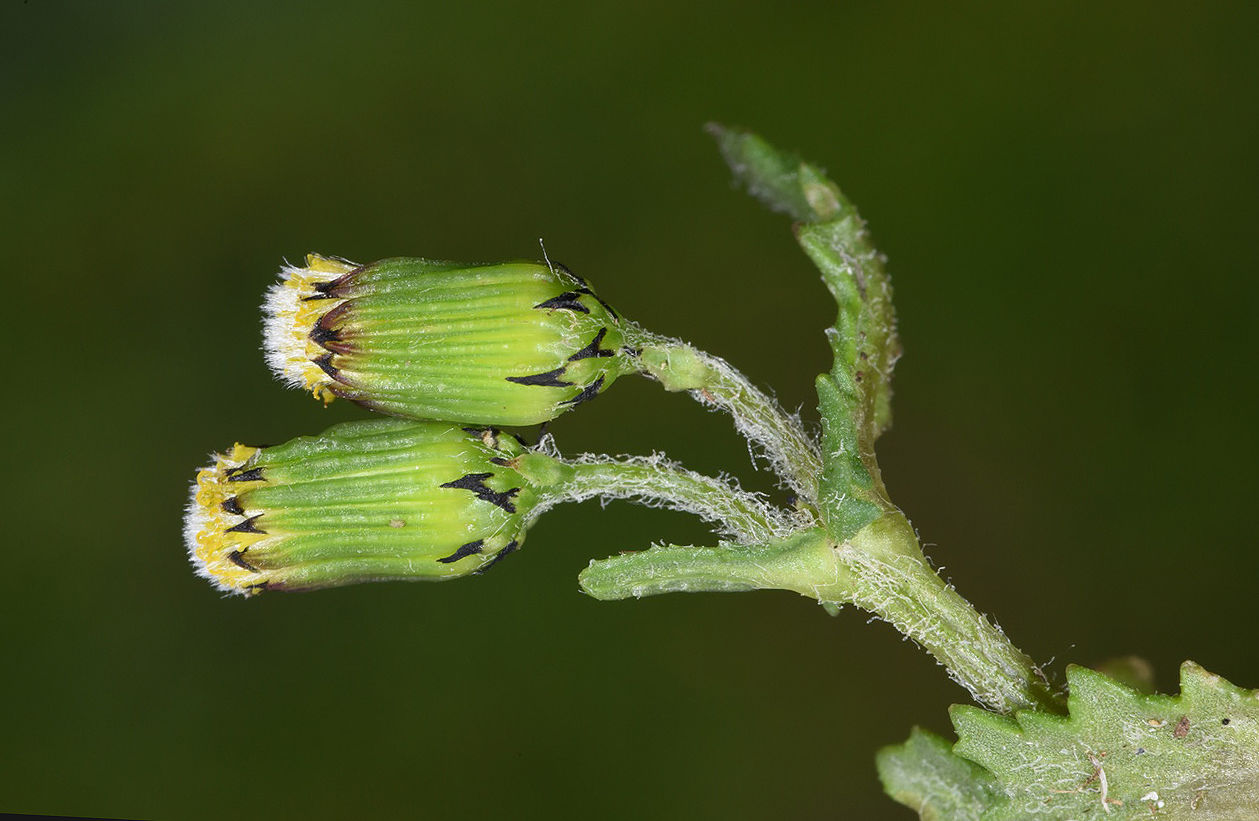
Senecio vulgaris
species of plant
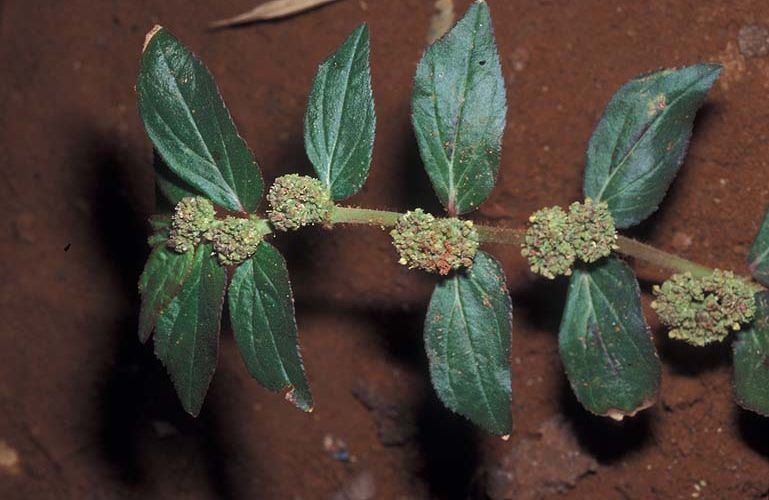
Euphorbia hirta
species of hairy herb grown in open grasslands, roadsides, and pathways

Bacopa monnieri
species of plant

Maranta arundinacea
species of plant

Alstroemeria
thumb|Alstroemeria × hybrida in the Lalbagh Botanical Gardens
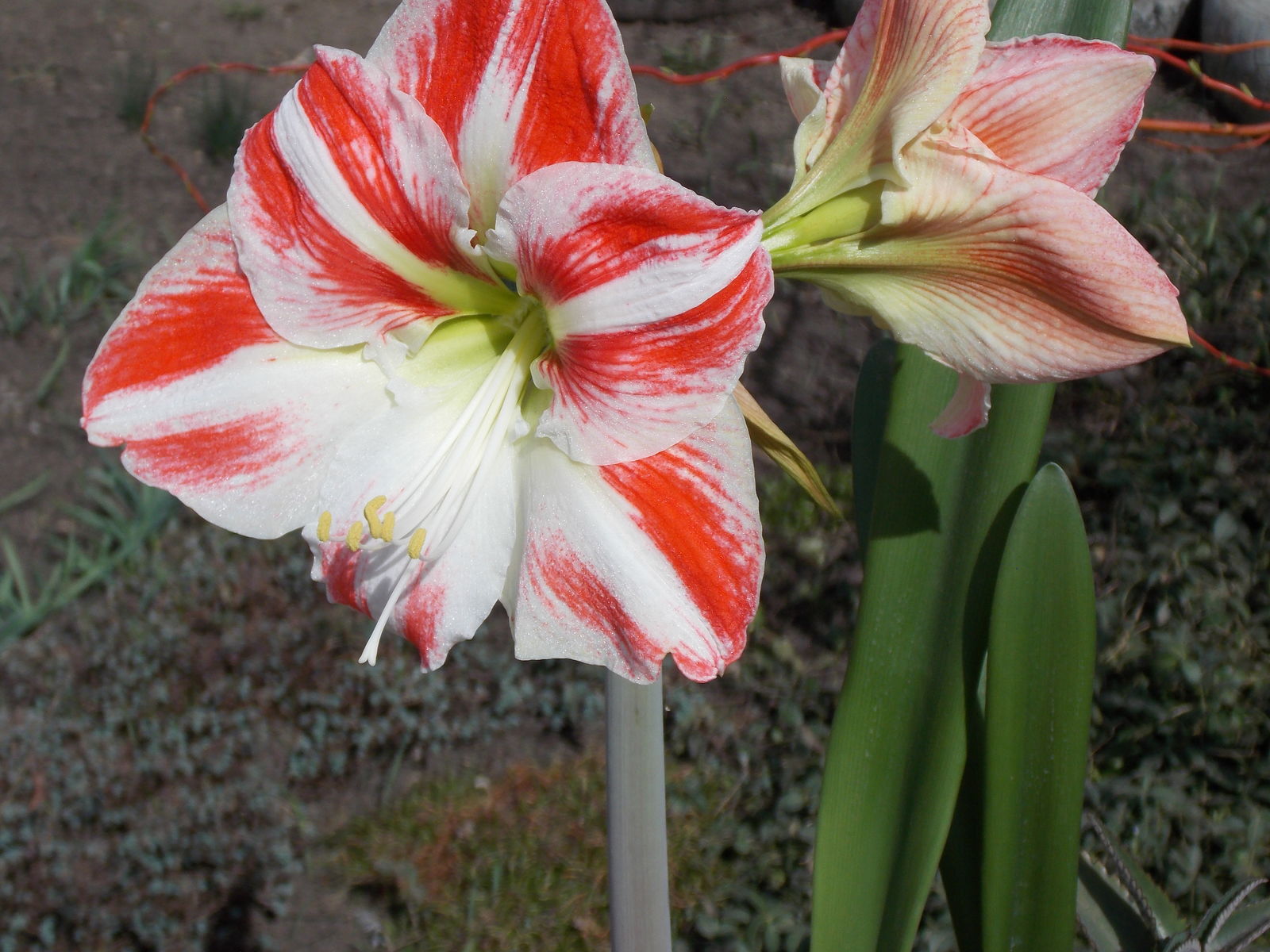
Hippeastrum
thumb|upright=0.8|Flower, leaves and bulb of Hippeastrum miniatum. [[Francisco Manuel Blanco, Flora de Filipinas 1880–1883]]
thumb|upright=0.8|Hippeastrum bulb
thumb|upright=0.8|Detail of Hippeastrum flower

Cascabela thevetia
species of plant
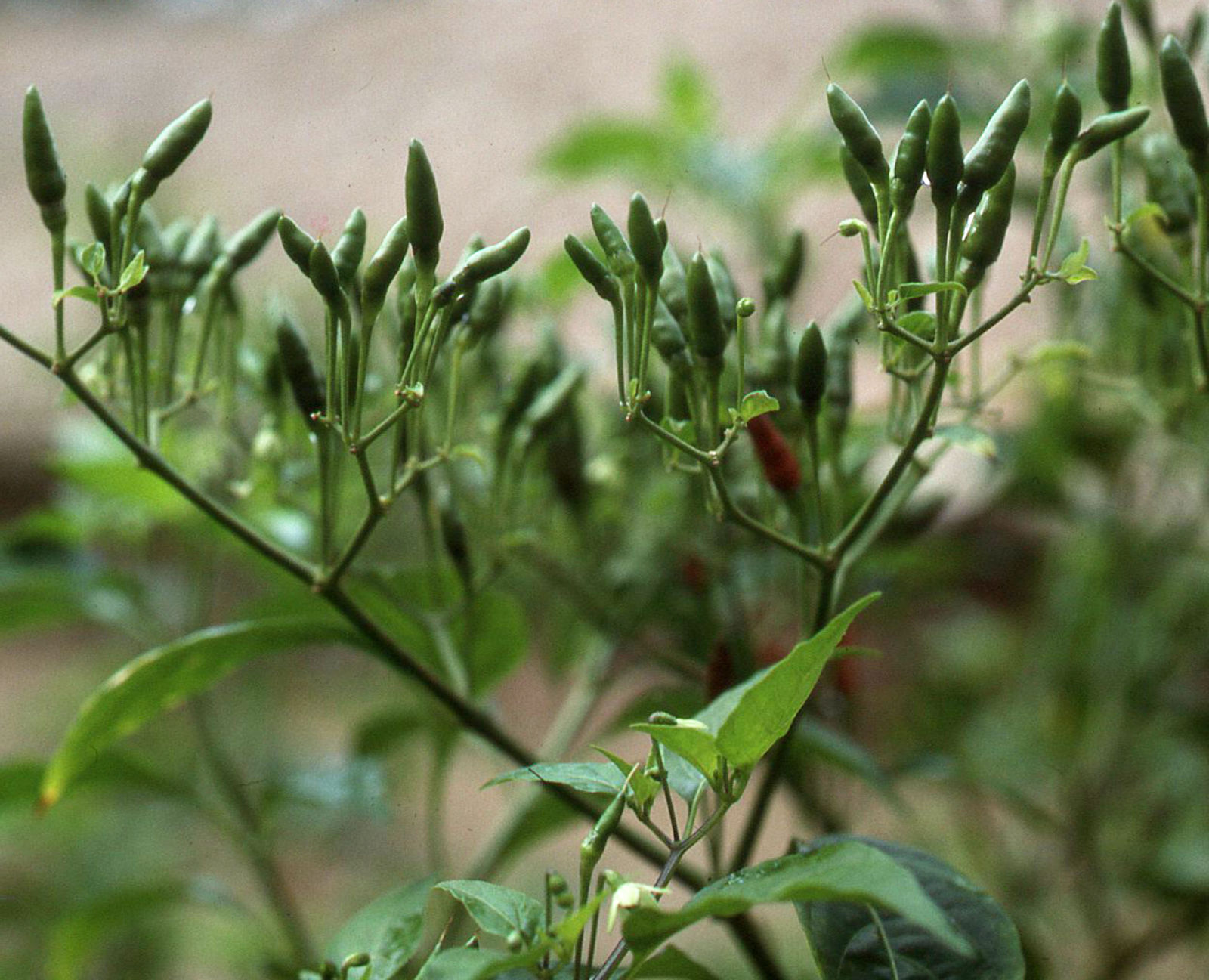
Capsicum frutescens
species of chili pepper

Juncus effusus
species of plant
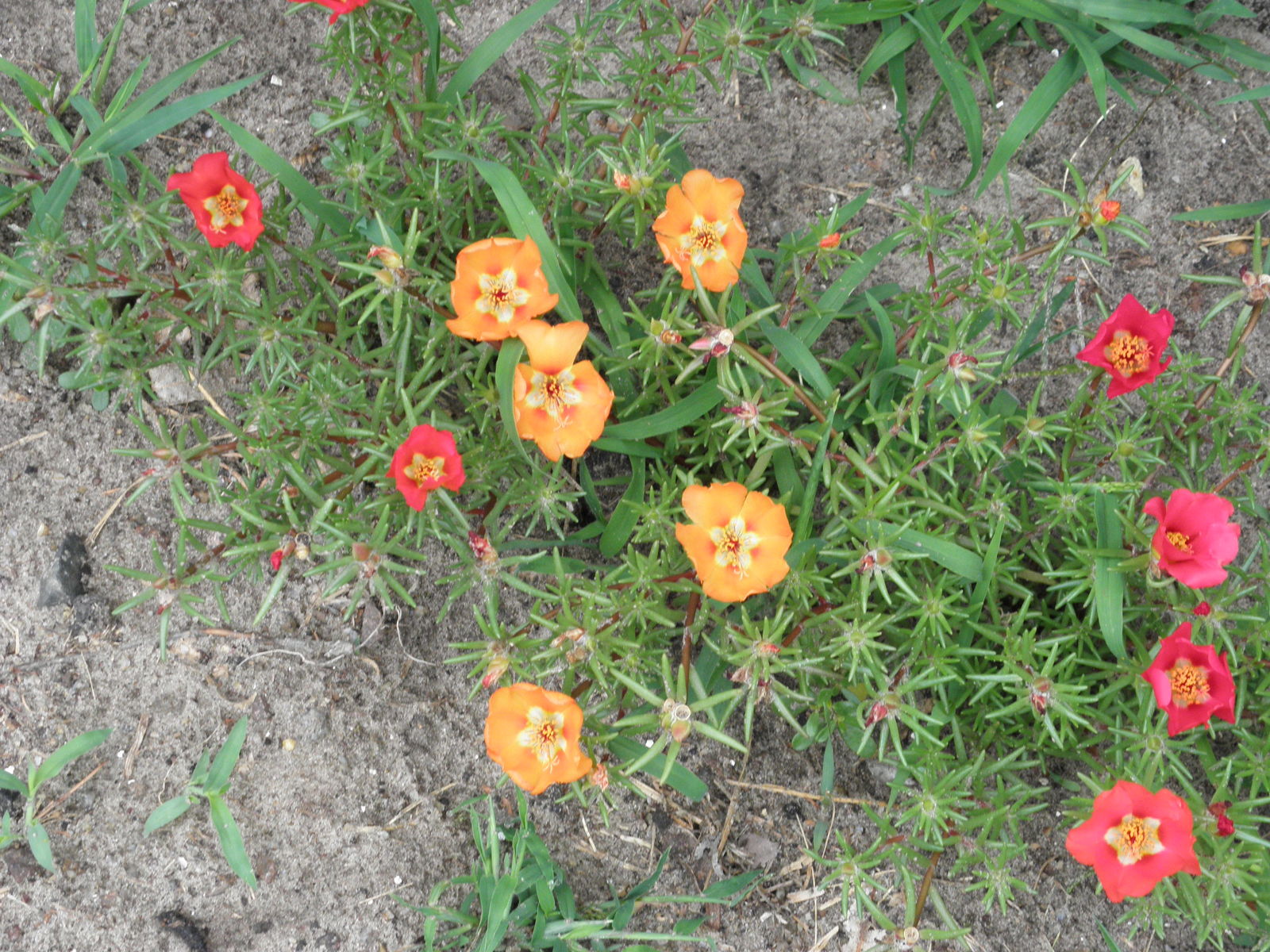
Portulaca grandiflora
species of plant

Eugenia uniflora
species of plant

Asplenium trichomanes
species of plant

Arachis
Arachis is a genus of about 70 species of annual and perennial flowering plants in the family (Fabaceae), native to South America, and was recently assigned to the informal monophyletic Pterocarpus clade of the Dalbergieae. At least one species, the peanut (Arachis hypogaea), is a major food crop species of global importance; some of the other species are cultivated for food to a small extent in South America. Other species such as A. pintoi are cultivated worldwide as forage and soil conditioner plants, with the leaves providing high-protein feed for grazing livestock and a nitrogen source in

Eclipta prostrata
species of plant

blue water-speedwell
species of plant

Tecoma stans
species of plant

Galinsoga parviflora
species of plant

Tillandsia usneoides
species of plant

Aa
genus of plants

Solanum torvum
species of plant

Bolboschoenus maritimus
species of plant
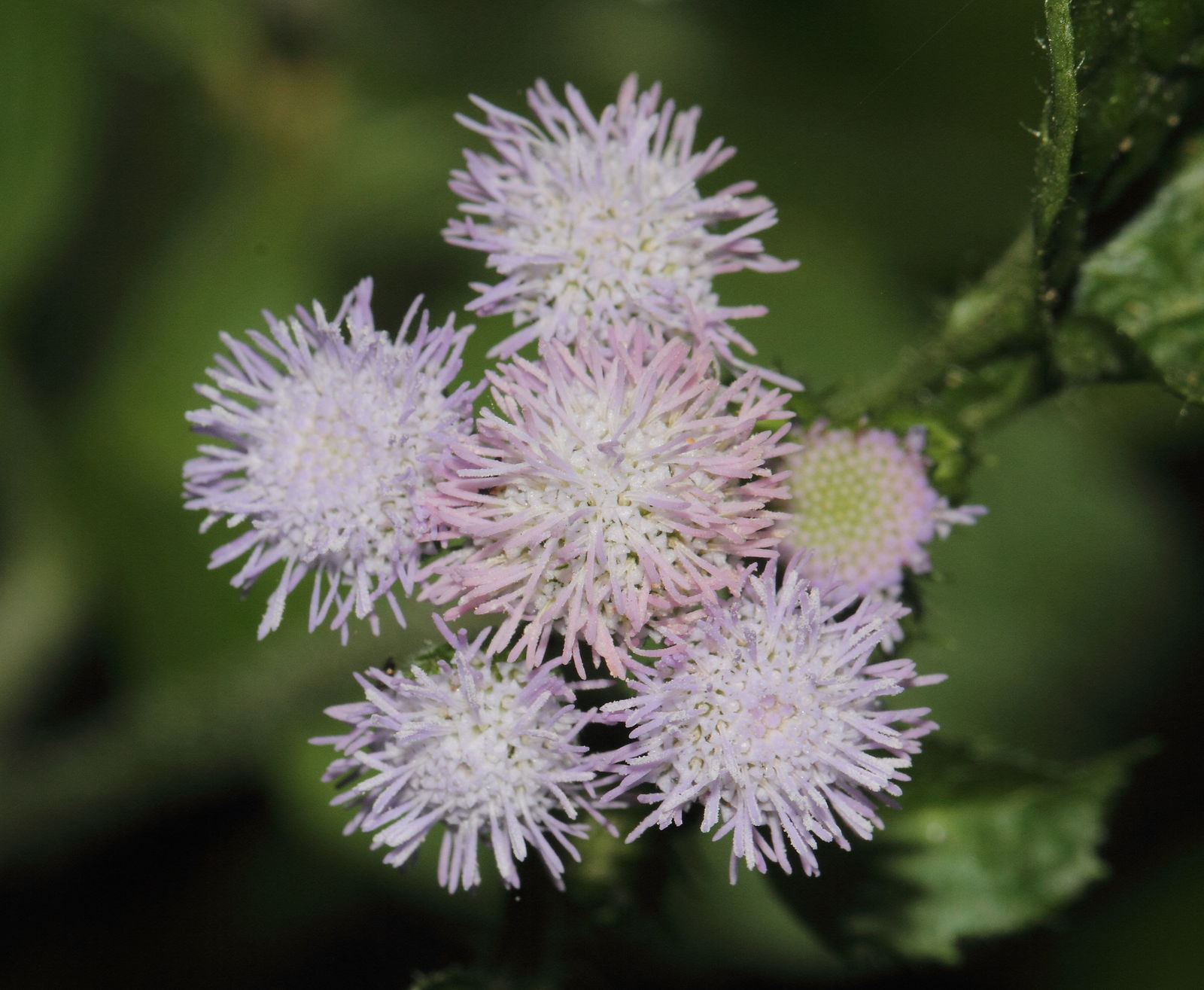
Ageratum conyzoides
species of plant

Asclepias curassavica
species of plant

Caladium
Caladium () is a genus of flowering plants in the family Araceae. They are often known by the common name elephant ear (which they share with the closely related genera Alocasia, Colocasia, and Xanthosoma), heart of Jesus, and angel wings. There are over 1000 named cultivars of Caladium bicolor from the original South American plant.
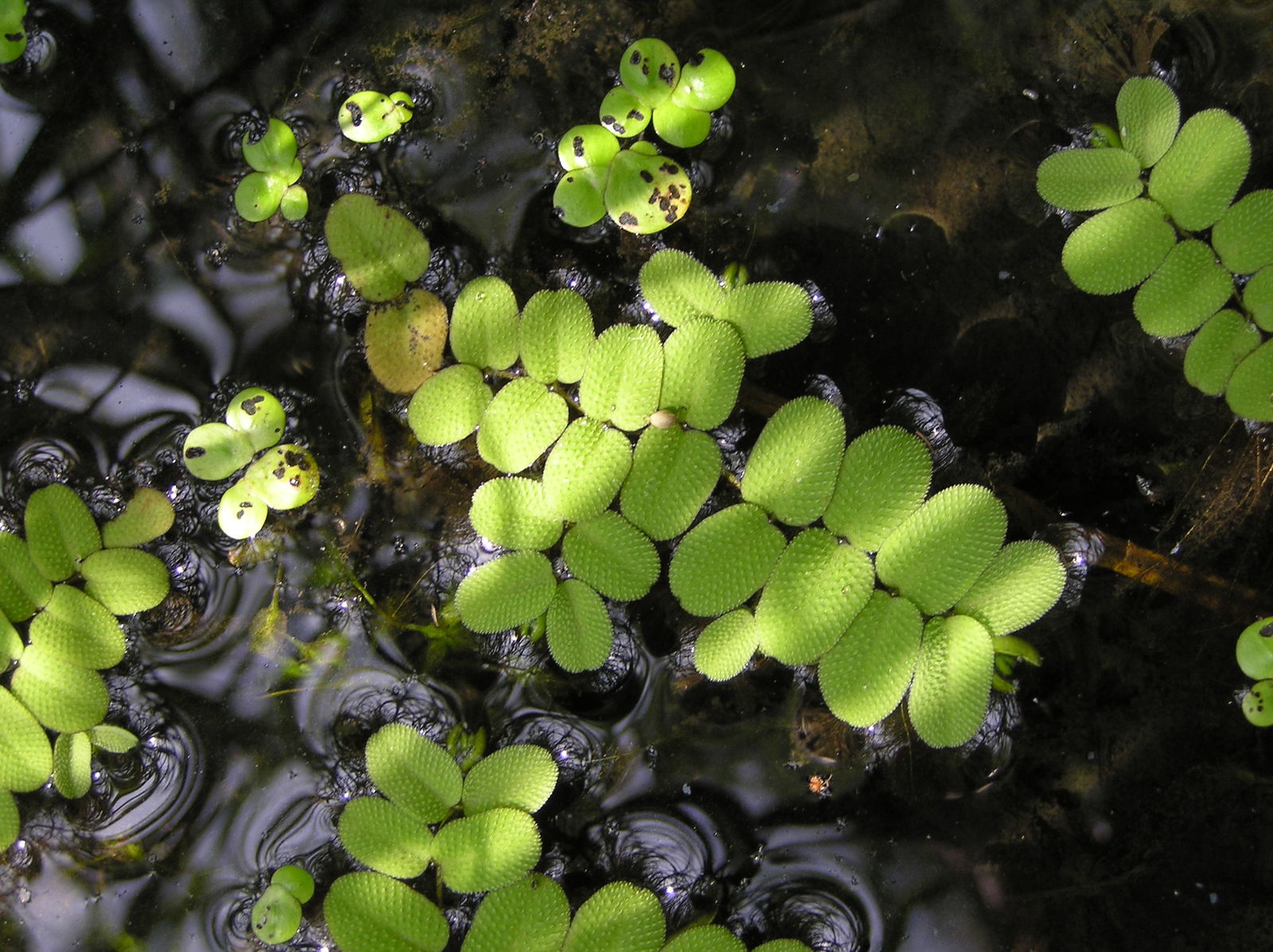
Salvinia natans
species of plants

Amaranthus viridis
species of plant
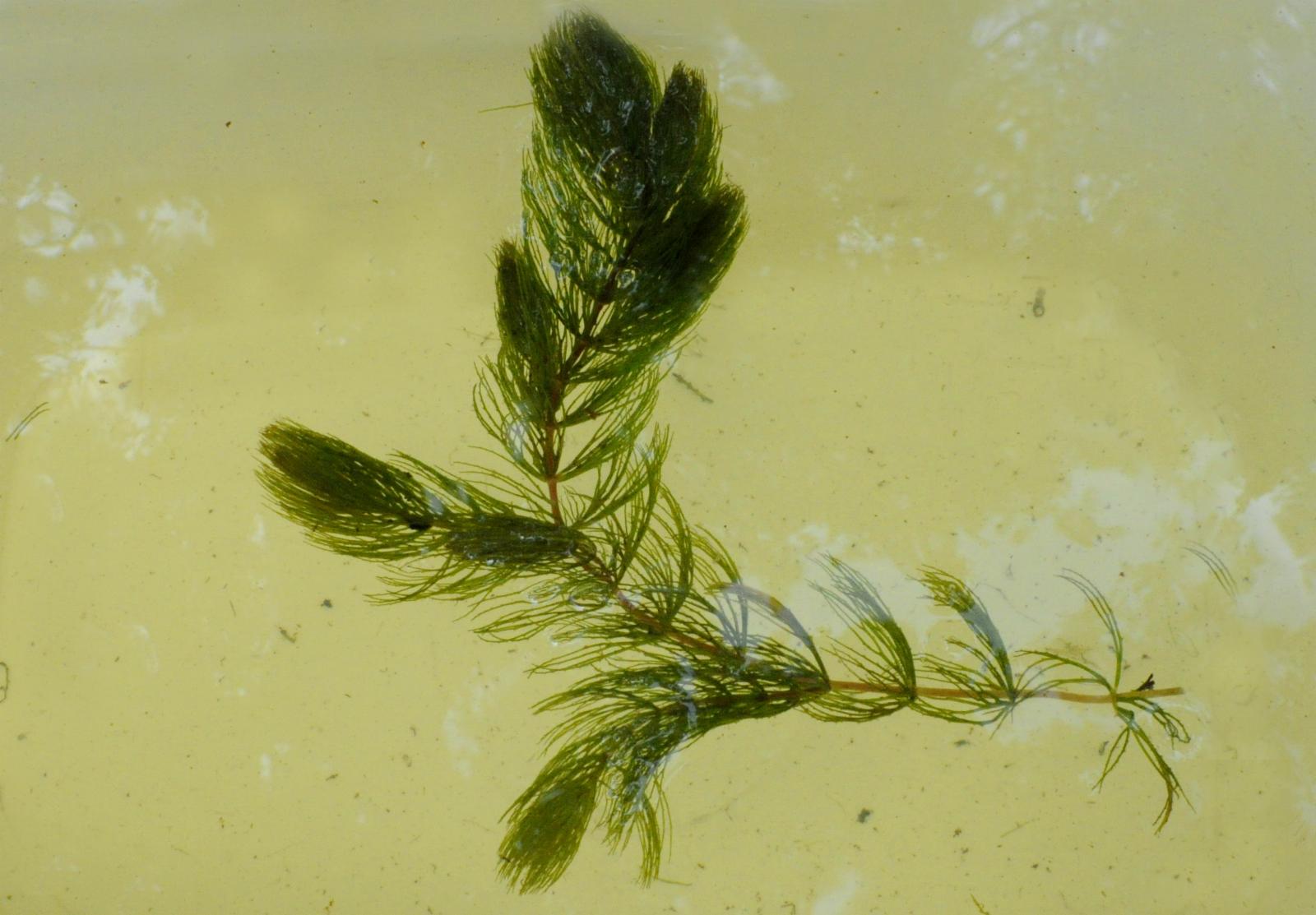
Ceratophyllum demersum
species of plant
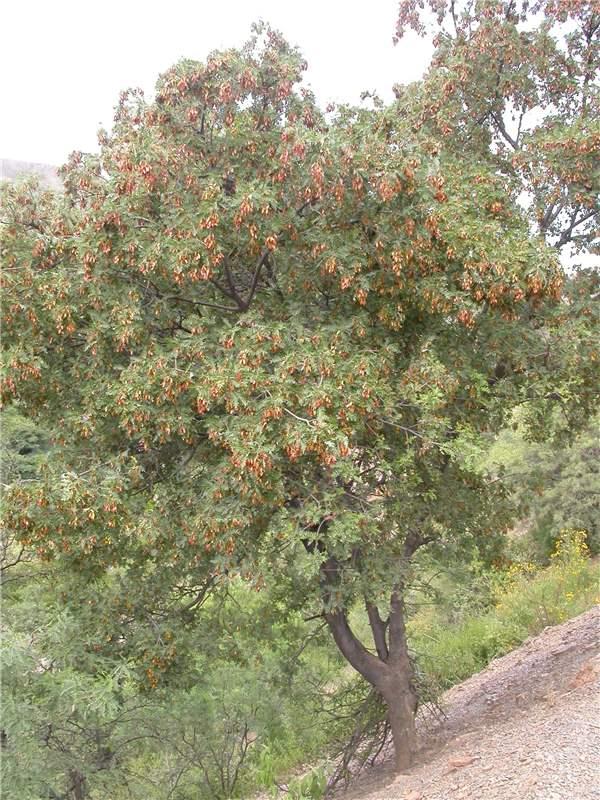
Schinus
thumb|240px|Schinus molle
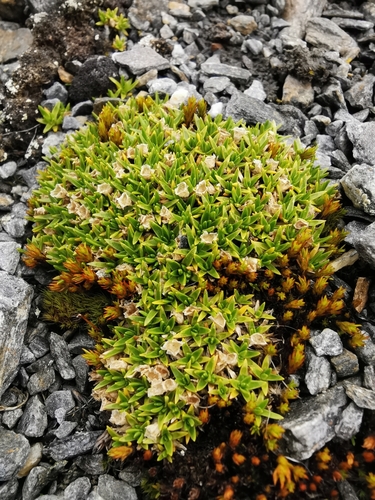
Colobanthus quitensis
Antarctic flower
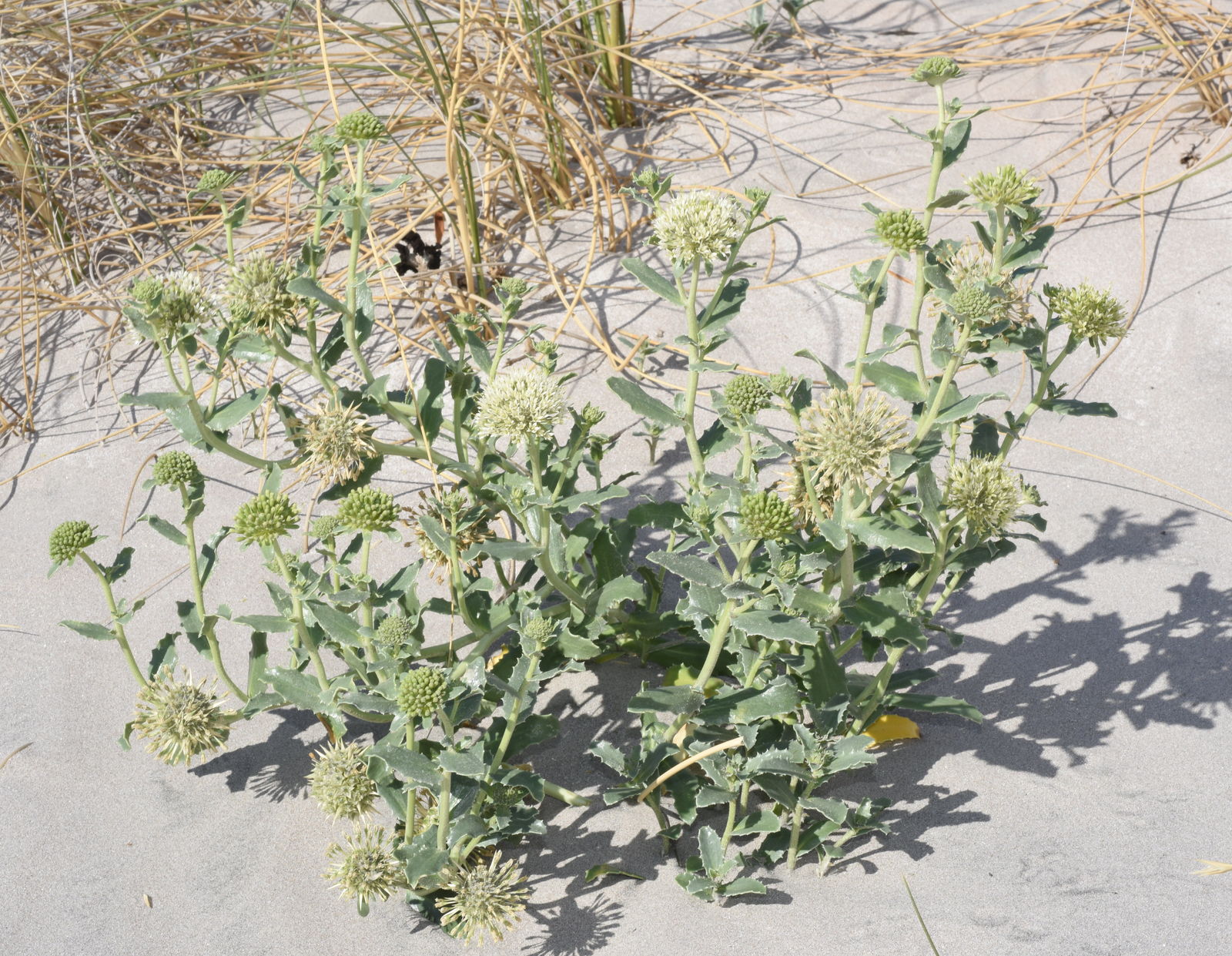
Calyceraceae
Calyceraceae is a plant family in the order Asterales. The natural distribution of the about sixty species belonging to this family is restricted to the southern half of South America. The species of the family resemble both the family Asteraceae and the Dipsacaceae.

Najas marina
species of plant

Thespesia populnea
species of plant
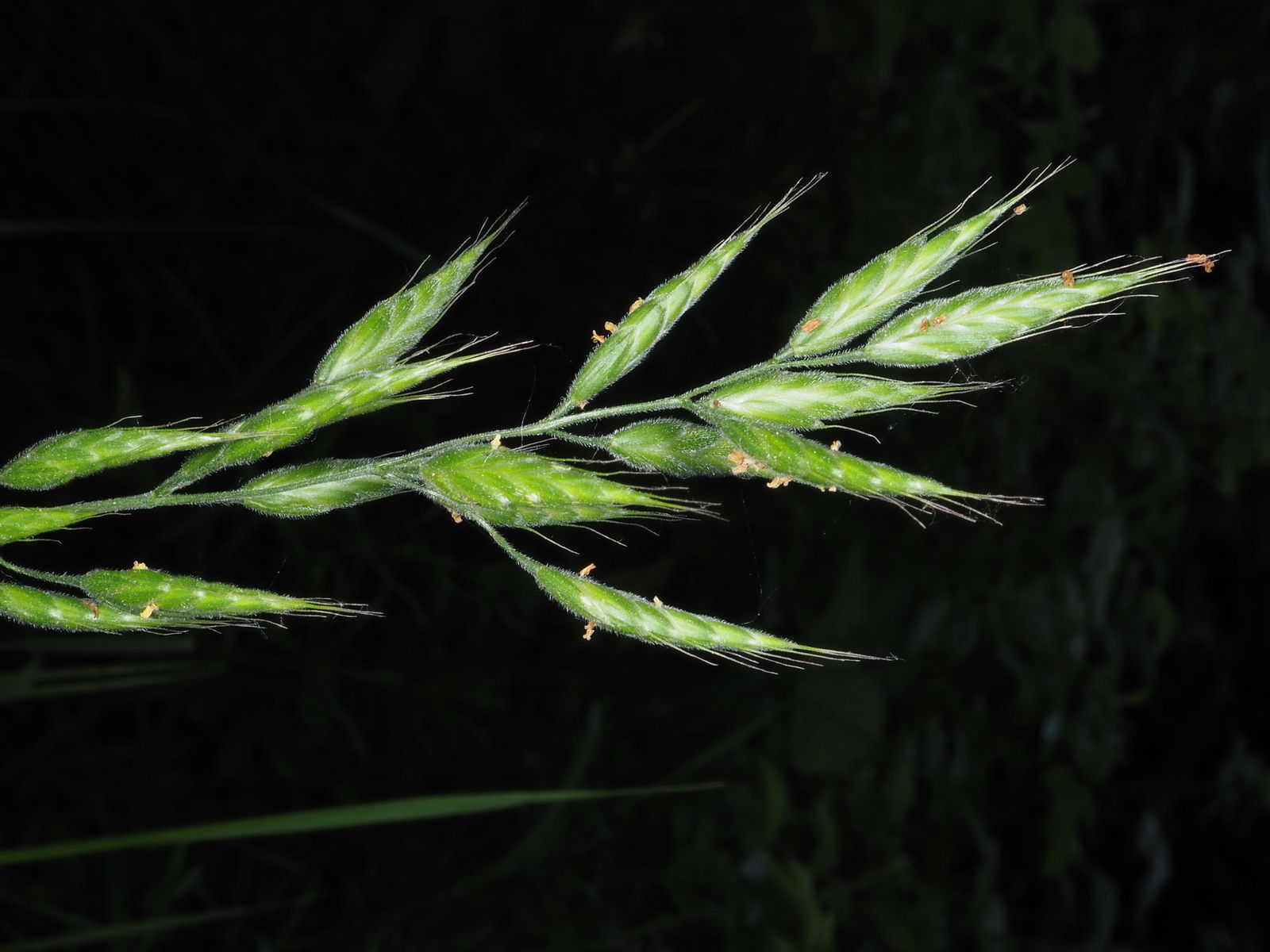
Bromus hordeaceus
species of plant

Senna occidentalis
species of plant
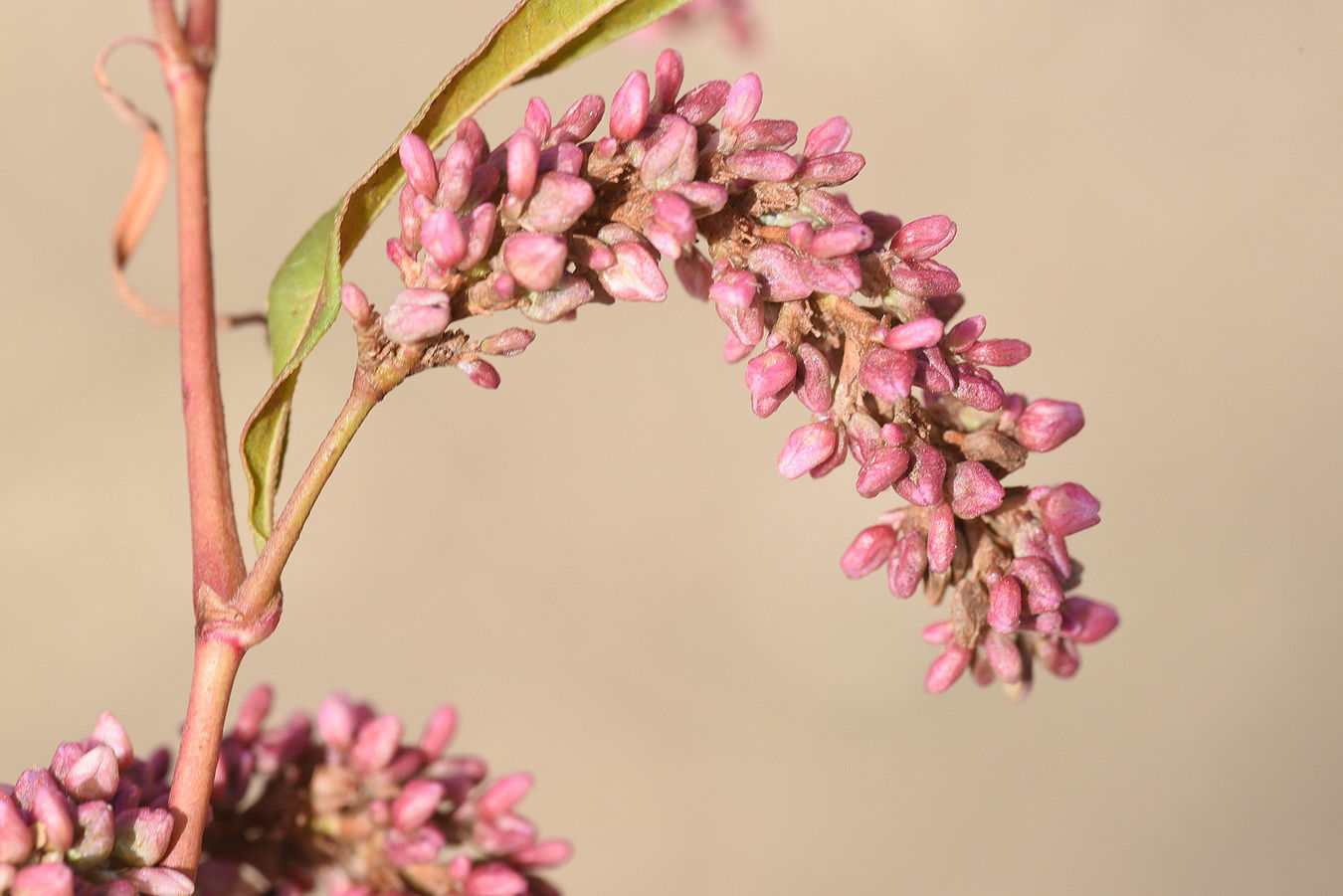
Persicaria lapathifolia
species of plant
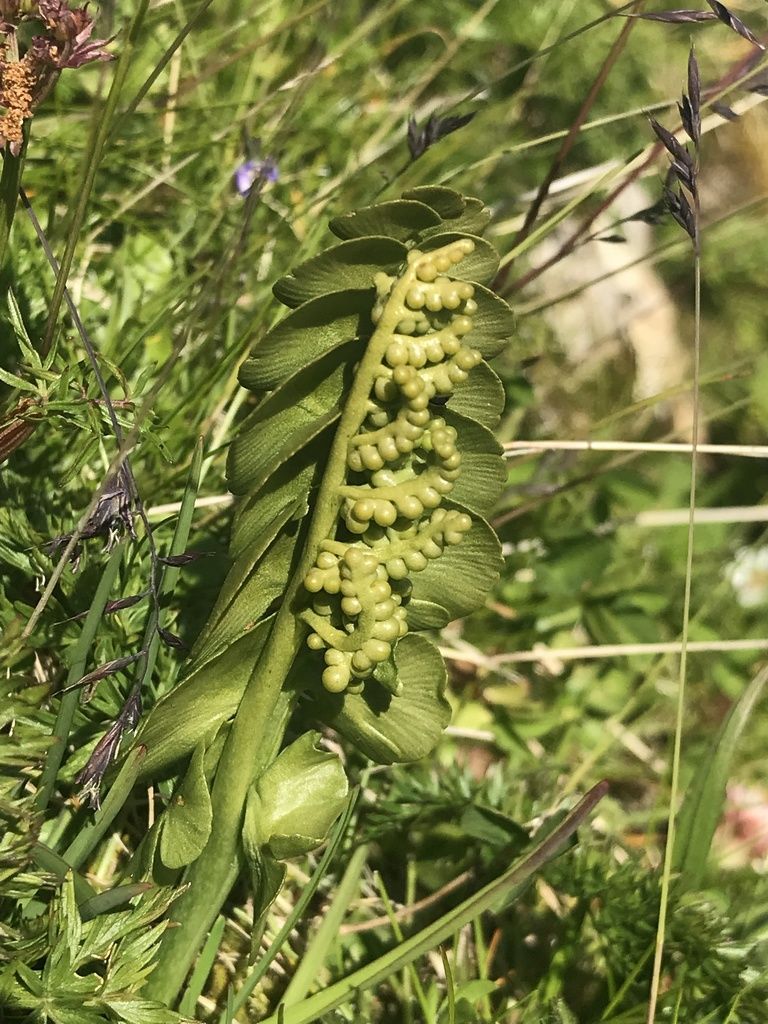
Botrychium lunaria
species of plant
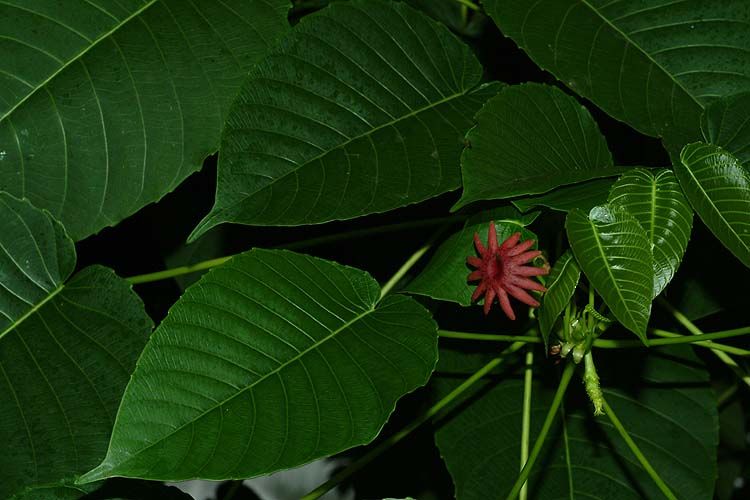
Hura crepitans
species of plant