Category
page 1Fungi of the United States
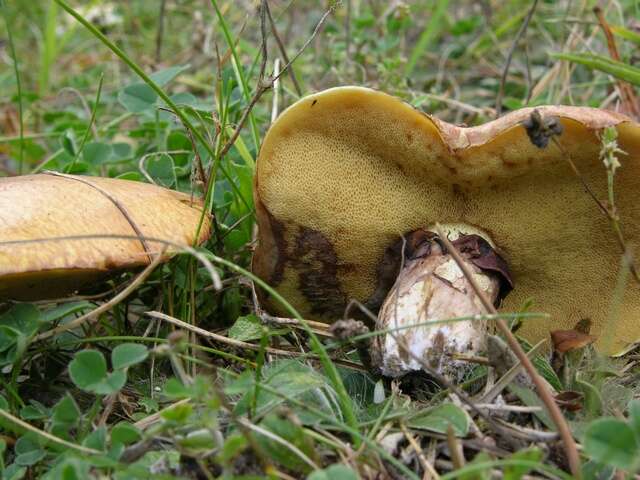
Suillus luteus
species of mushroom
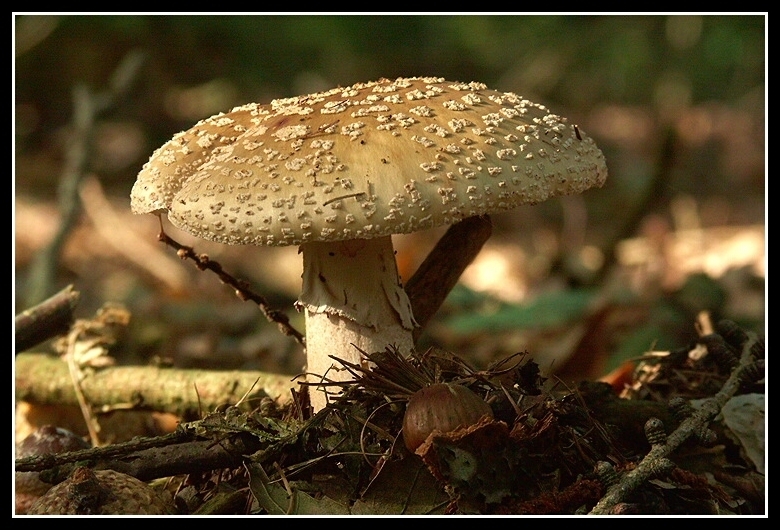
Amanita rubescens
The blusher is the common name for several closely related species of the genus Amanita. A. rubescens (the blushing amanita) is found in Eurasia and A. novinupta (the new bride blushing amanita or blushing bride) is found in western North America. Both their scientific and common names stem from the tendency of their flesh to bruise pink.

Helvella lacunosa
species of fungus

Pholiota aurivella
species of fungus
Lysurus mokusin
species of fungus

Amanita nivalis
species of fungus

Chorioactis
Chorioactis is a genus of fungi that contains the single species Chorioactis geaster. The mushroom is commonly known as the '''devil's cigar or the Texas star''' in the United States, while in Japan it is called .
This extremely rare mushroom is notable for its unusual appearance and disjunct distribution; it is found only in select locales in Texas, Oklahoma, Japan, and Taiwan. The fruit body, which grows on the stumps or dead roots of cedar elms (in Texas) or dead oaks (in Japan), somewhat resembles a dark brown or black cigar before it splits open radially into a starlike arrangement of fou

Amanita jacksonii
species of fungus
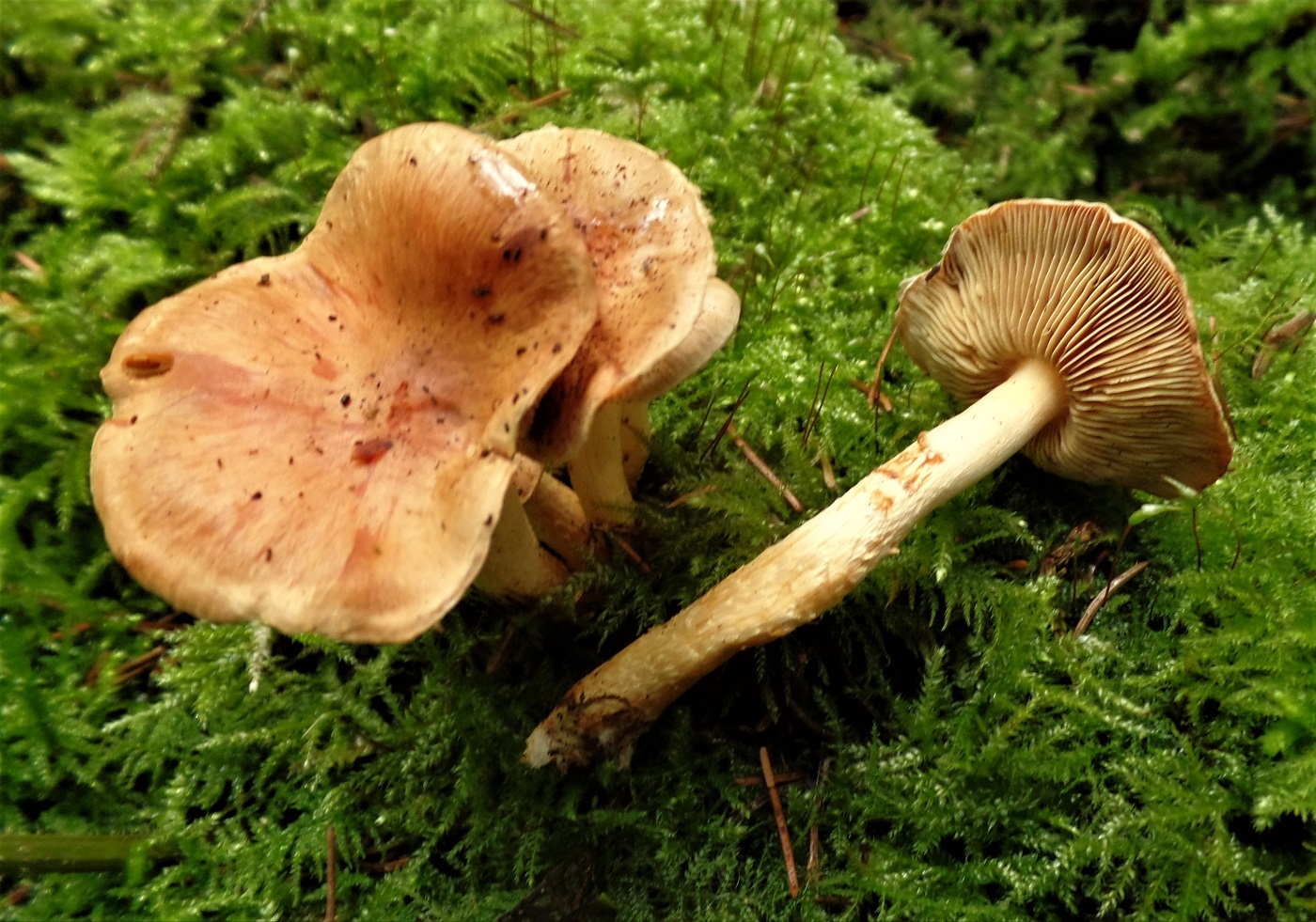
Pholiota astragalina
species of fungus
Microstoma floccosum
species of fungus
Nivatogastrium nubigenum
species of fungus
Bovista aestivalis
species of fungus
Bridgeoporus nobilissimus
Bridgeoporus is a fungal genus in the family Polyporaceae. A monotypic genus, it contains the single polypore species Bridgeoporus nobilissimus, first described to science in 1949. Commonly known both as the noble polypore and the fuzzy Sandozi, this fungus produces large fruit bodies (or conks) that have been found to weigh up to . The upper surface of the fruit body has a fuzzy or fibrous texture that often supports the growth of algae, bryophytes, or vascular plants.
Psilocybe allenii
species of fungus
Amanita frostiana
species of fungus
Cantharellus subalbidus
species of fungus
Bothia
Bothia is a fungal genus in the family Boletaceae. A monotypic genus, it contains the single species Bothia castanella, a bolete mushroom first described scientifically in 1900 from collections made in New Jersey. Found in the eastern United States, Costa Rica, China, and Taiwan, it grows in a mycorrhizal association with oak trees. Its fruit body is chestnut brown, the cap is smooth and dry, and the underside of the cap has radially elongated tubes. The spore deposit is yellow-brown. The edibility of the mushroom is unknown. Historically, its unique combination of morphological features resul
Amanita sinicoflava
species of fungus
Xylaria magnoliae
species of fungus
Boletus subluridellus
species of fungus
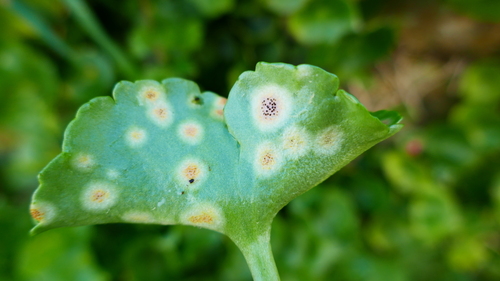
Puccinia umbilici
species of fungus
Cortinarius vanduzerensis
species of fungus
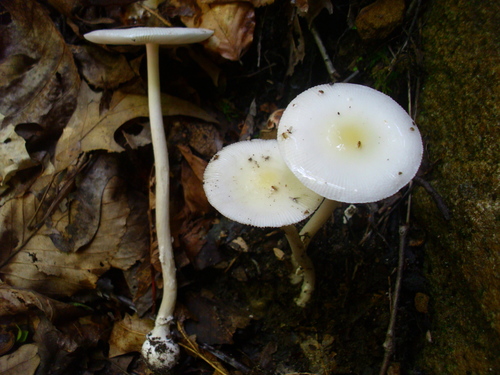
Amanita albocreata
species of fungus
Glomus mosseae
Arbuscular Mycorrhizal Fungus (AMF)
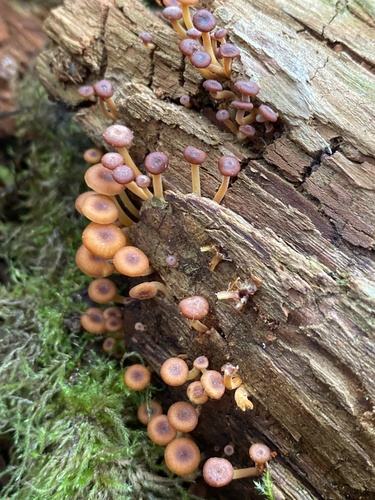
Xeromphalina brunneola
species of fungus
Trapeliopsis steppica
species of fungus
Albatrellus avellaneus
species of fungus
Amanita volvata
species of fungus
Allomyces moniliformis
species of fungus
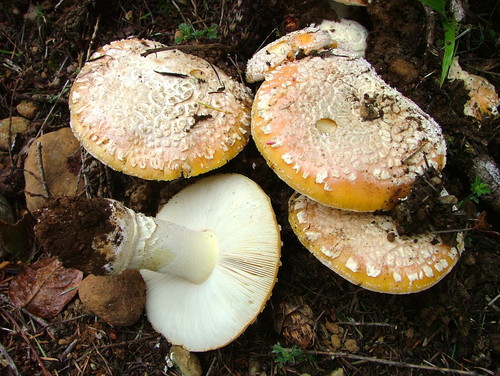
Amanita aprica
species of fungus
Amanita augusta
species of fungus
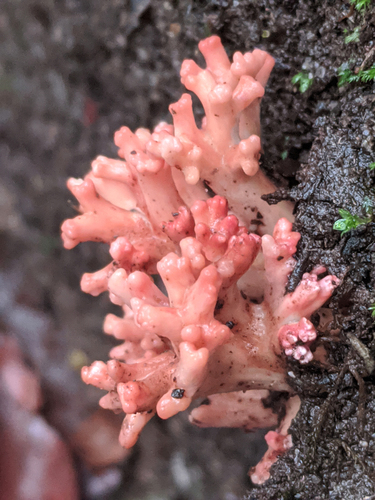
Ramaria botrytoides
species of fungus

Coprinopsis variegata
species of fungus
Microporellus obovatus
species of fungus
Sphaerellothecium stereocaulorum
species of fungus
Callistosporium purpureomarginatum
species of fungus
Amanita smithiana
species of fungus
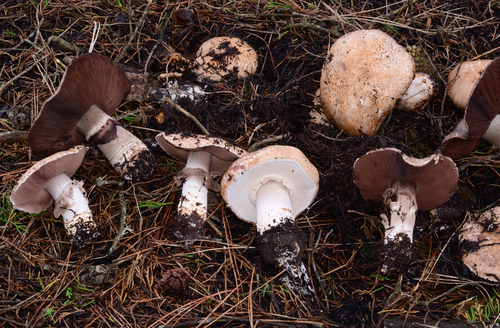
Agaricus pattersoniae
species of fungus
Sarcodon fuscoindicus
species of fungus
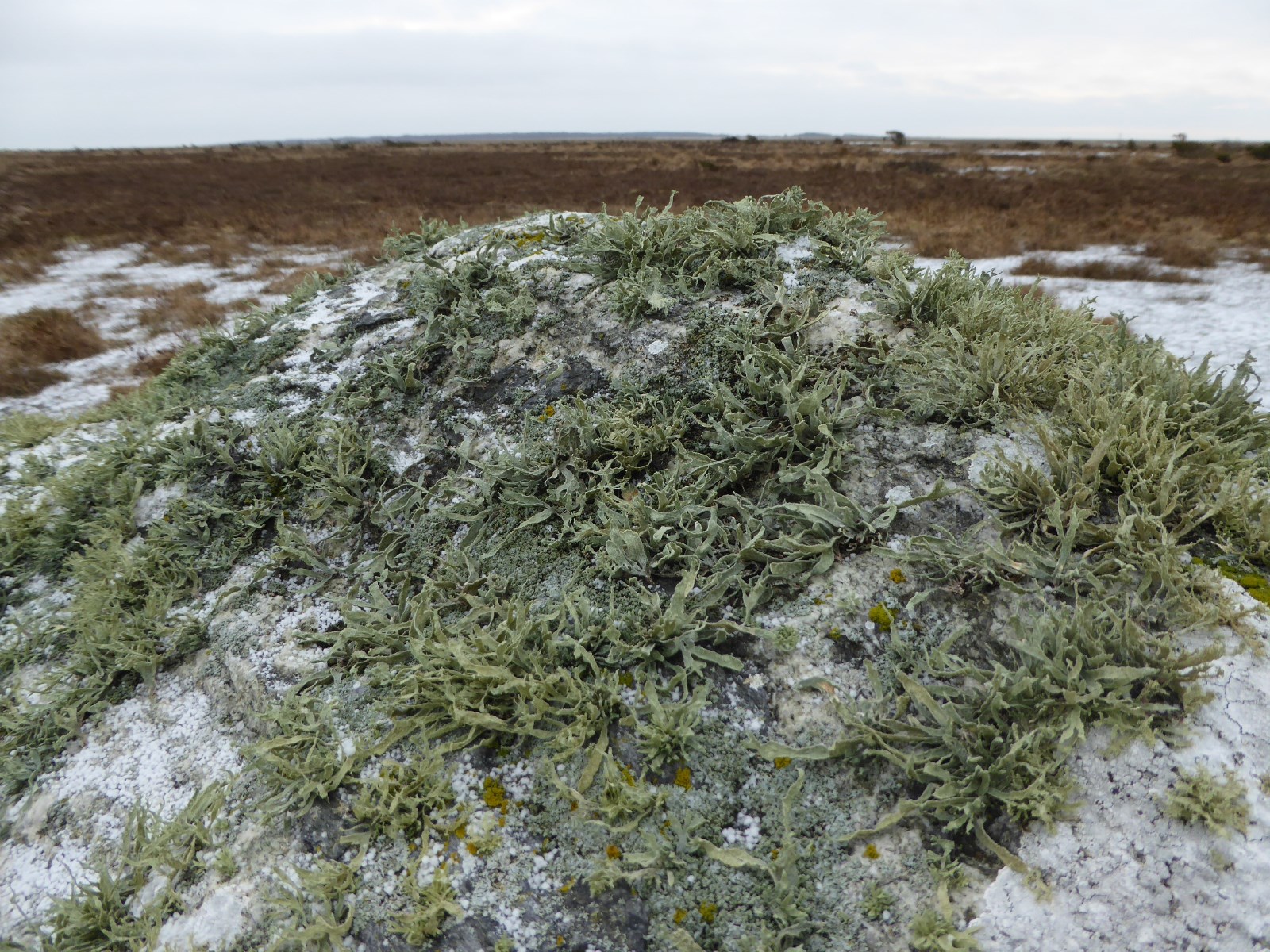
Ramalina polymorpha
species of fungus
Cercidospora stereocaulorum
species of fungus
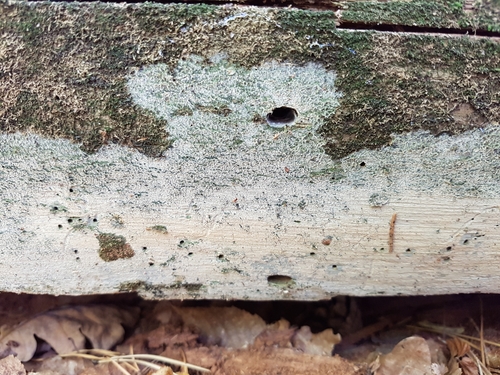
Skvortzovia
Skvortzovia is a fungal genus of unknown placement in the class Agaricomycetes. It is a monotypic genus, containing the single species Skvortzovia furfurella, found in the United States. This crust fungus was originally described by Italian mycologist Giacomo Bresadola in 1925 as Odontia furfurella. Vera Lúcia Bononi and Kurt Hjortstam circumscribed Skvortzovia in Mycotaxon vol.28 on page 12 in 1987 to contain the species.
Amanita roseotincta
species of fungus
Saproamanita thiersii
species of fungus

Ganoderma meredithiae
species of fungus
Skeletocutis alutacea
species of fungus
Russula parvovirescens
species of fungus
Lactarius rufulus
species of fungus
Kuraishia molischiana
species of fungus
Boletus variipes
species of fungus
Gautieria monticola
species of fungus
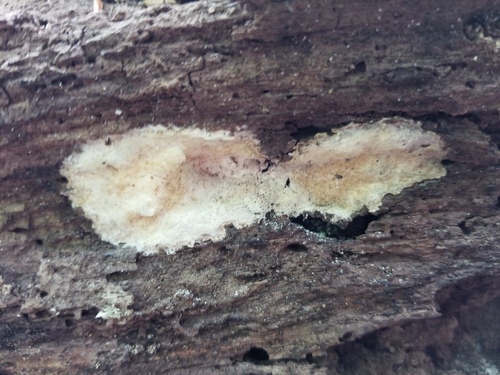
Wolfiporia dilatohypha
species of fungus
Allomyces reticulatus
species of fungus
Wilcoxina rehmii
species of fungus
Morchella populiphila
species of fungus
Phellodon fibulatus
species of fungus
Sarcodon harrisonii
species of fungus
Laetiporus gilbertsonii
species of fungus
Xanthoconium montaltoense
species of fungus
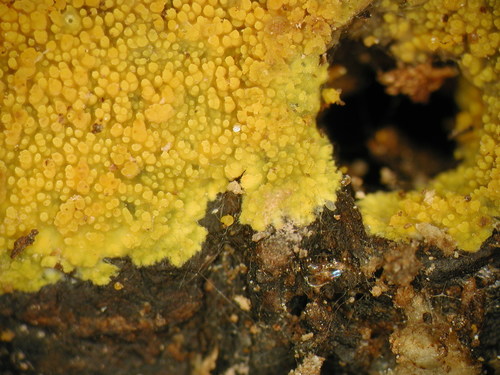
Crustodontia
Crustodontia is a fungal genus of uncertain familial placement in the order Polyporales. The genus was circumscribed in 2005 to contain the crust fungus Crustodontia chrysocreas. This species was originally described as Corticium chrysocreas by Miles Berkeley and Moses Ashley Curtis in 1873. Their description was as follows: "Subiculum bright yellow, thin; hymenium immarginate pallid, or yellow tinged with tawny." Crustodontia has a monomitic hyphal system, meaning it contains only generative hyphae, and these hyphae have clamp connections.