Category
page 1Hemiptera of South America

Dactylopius coccus
The cochineal ( , ; Dactylopius coccus) is a scale insect in the suborder Sternorrhyncha, from which the natural dye carmine is derived. A primarily sessile parasite native to tropical and subtropical South America through North America (Mexico and the Southwest United States), this insect lives on cacti in the genus Opuntia, feeding on plant moisture and nutrients. The insects are found on the pads of prickly pear cacti, collected by brushing them off the plants, and dried.

Black bean aphid
species of insect
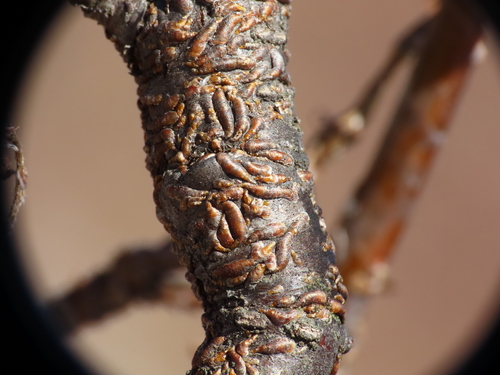
Lepidosaphes ulmi
species of insect

Dactylopius
Dactylopius is a genus of insect in the superfamily Coccoidea, the scale insects. It is the only genus in the family Dactylopiidae. These insects are known commonly as cochineals, a name that also specifically refers to the best-known species, the cochineal (Dactylopius coccus). The cochineal is an insect of economic and historical importance as a main source of the red dye carmine. It has reportedly been used for this purpose in the Americas since the 10th century. Genus Dactylopius is also important because several species have been used as agents of biological pest control, and because seve
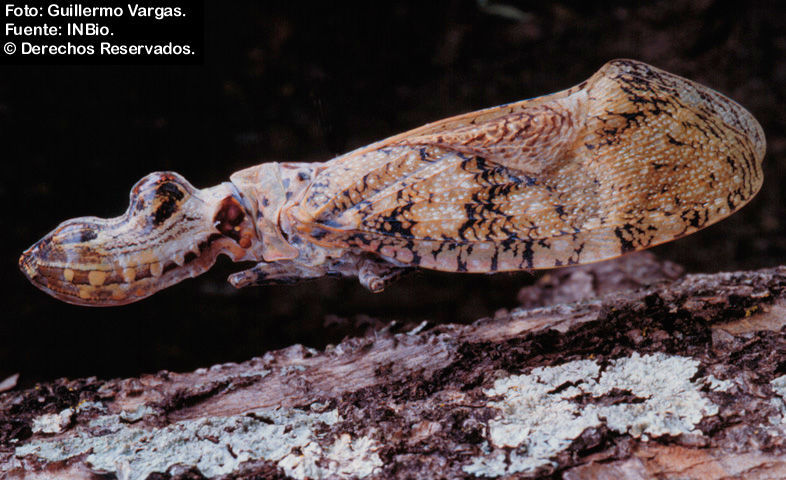
Fulgora
The fulgorid genus Fulgora contains several large Central and South American planthoppers known by a large variety of common names including lantern fly, peanut bug, peanut-headed lanternfly, alligator bug, machaca, and jequitiranaboia (the latter terms used in the Amazon region and elsewhere in Brazil).

Cinara cupressi
species of insect

Lygaeus
Lygaeus is a genus of seed bugs in the family Lygaeidae. There are more than 60 described species in Lygaeus.
thumb|Lygaeus turcicus

Belostoma
Belostoma is a genus of insects in the hemipteran family Belostomatidae, known colloquially as giant water bugs. Members of this genus are native to freshwater habitats in the Americas, with the greatest species richness in tropical South America. Most species in the family Belostomatidae have historically been included in Belostoma, but several of these have been moved to other genera (although Belostoma remains a genus with many members). 9 species are claimed to be found in Northern America, but the genus Belostoma is actually divided into 16 subgroups containing about 70 species.
Umbonia spinosa
species of insect
Aleurothrixus floccosus
species of insect
Umbonia crassicornis
species of insect
Achilixiidae
The Achilixiidae are a family of Fulgoromorpha (planthoppers); species may be found in the neotropical and Asian regions. They are closely related to Achilidae and are sometimes included under Achilidae as a subfamily. Like Achilidae, species generally feed on several species of plant though the nymph stage has been found to feed on fungus. Like other planthoppers, the immature stage is covered in a wax which may help protect it from predators. Achilixiidae are small or medium sized for planthoppers and are greatly compressed, not depressed like the Achilidae.
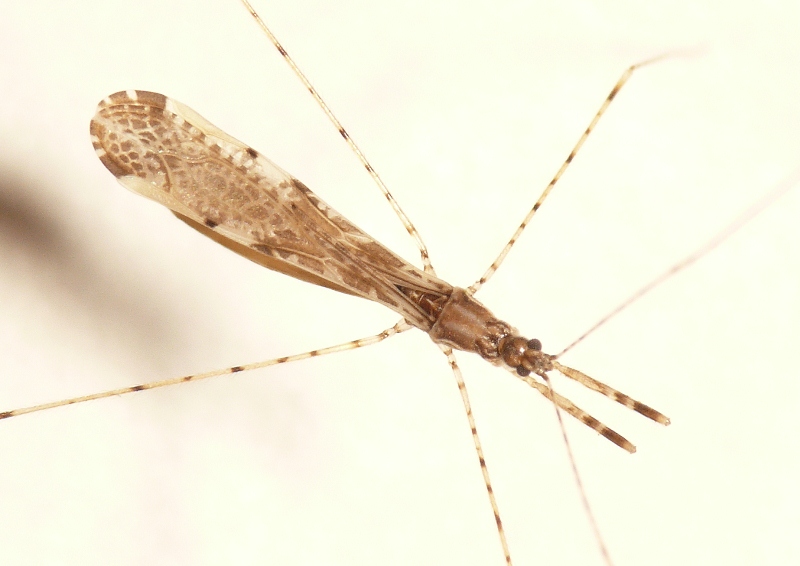
Empicoris vagabundus
species of insect

Myerslopiidae
Myerslopiidae is a family of tree-hoppers which consist of about 20 species in three genera with a distribution limited to New Zealand and Chile. Adult hoppers have a strongly sclerotized body with elytra-like tegmina meeting along the median. The hindwing is undeveloped. Based on observations on Mapuchea chilensis, they are thought to feed on phloem sap. They were formerly mistakenly placed as a tribe within the Ulopinae (Cicadellidae) by Evans and then raised to subfamily rank before being moved to a different suborder.
== References ==
Leptoglossus zonatus
species of insect
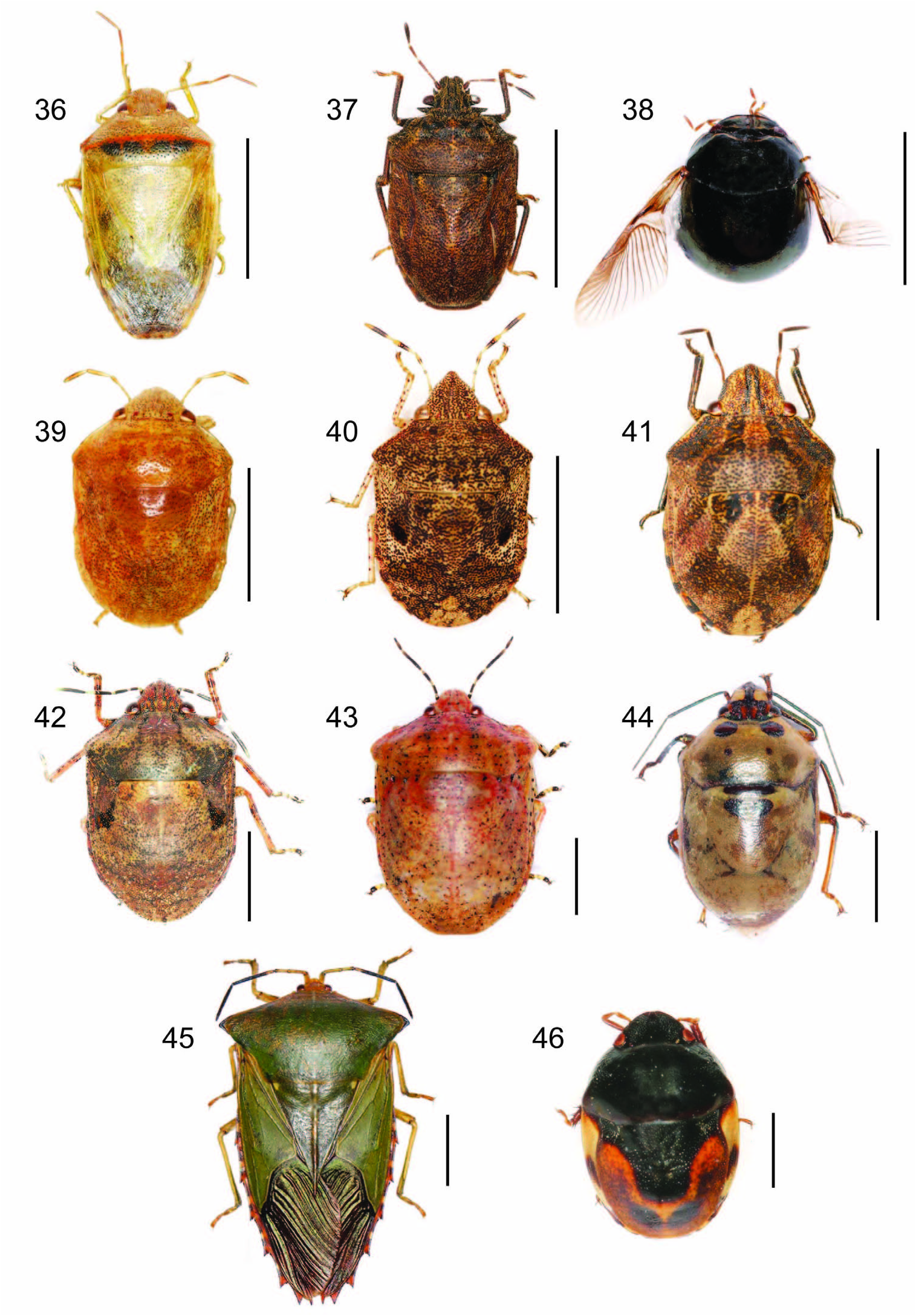
Piezodorus guildinii
species of insect
Pselliopus
Pselliopus is a common genus of assassin bugs (Reduviidae), in the subfamily Harpactorinae. The genus is restricted to the New World, with 27 species described. Some species, such as Pselliopus barberi, are conspicuous because of their bright coloring and relatively large size. Some species of the genus are of interest as potential biological pest control agents.
Zammara
Zammara (from ) is a genus of cicadas. These species are large cicadas that are generally bright blue-green in color. Like other cicadas, these can produce loud calls; Zammara tympanum, for example, makes a "winding up-like pulsating buzz." Zammara are found in the Neotropics, especially in equatorial regions, where they live in tropical forest habitat. The genus is characterized by tarsi (the "feet" of the insect) that are divided into 2 segments, or tarsomeres; other genera in the tribe have 3 tarsomeres in each tarsus.

Saissetia coffeae
species of insect
Thasus
genus of insects
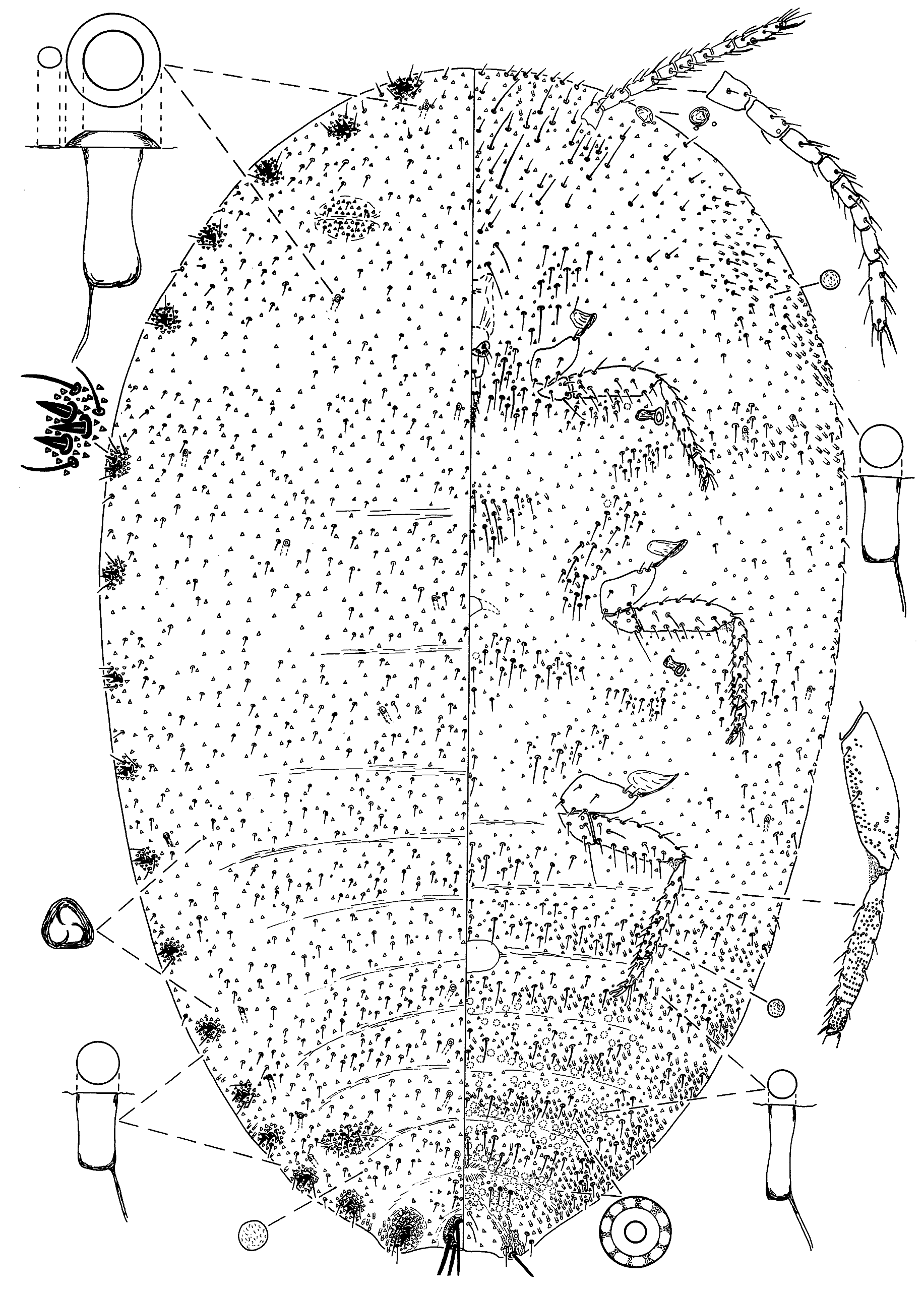
Pseudococcus viburni
species of true bug
Cyphonia
Cyphonia is a genus of treehopper belonging to the subfamily Smiliinae. It contains 33 species.
Geocoris punctipes
species of insect

Zelus tetracanthus
species of insect
Leptoglossus concolor
species of insect

Leptoglossus gonagra
species of insect
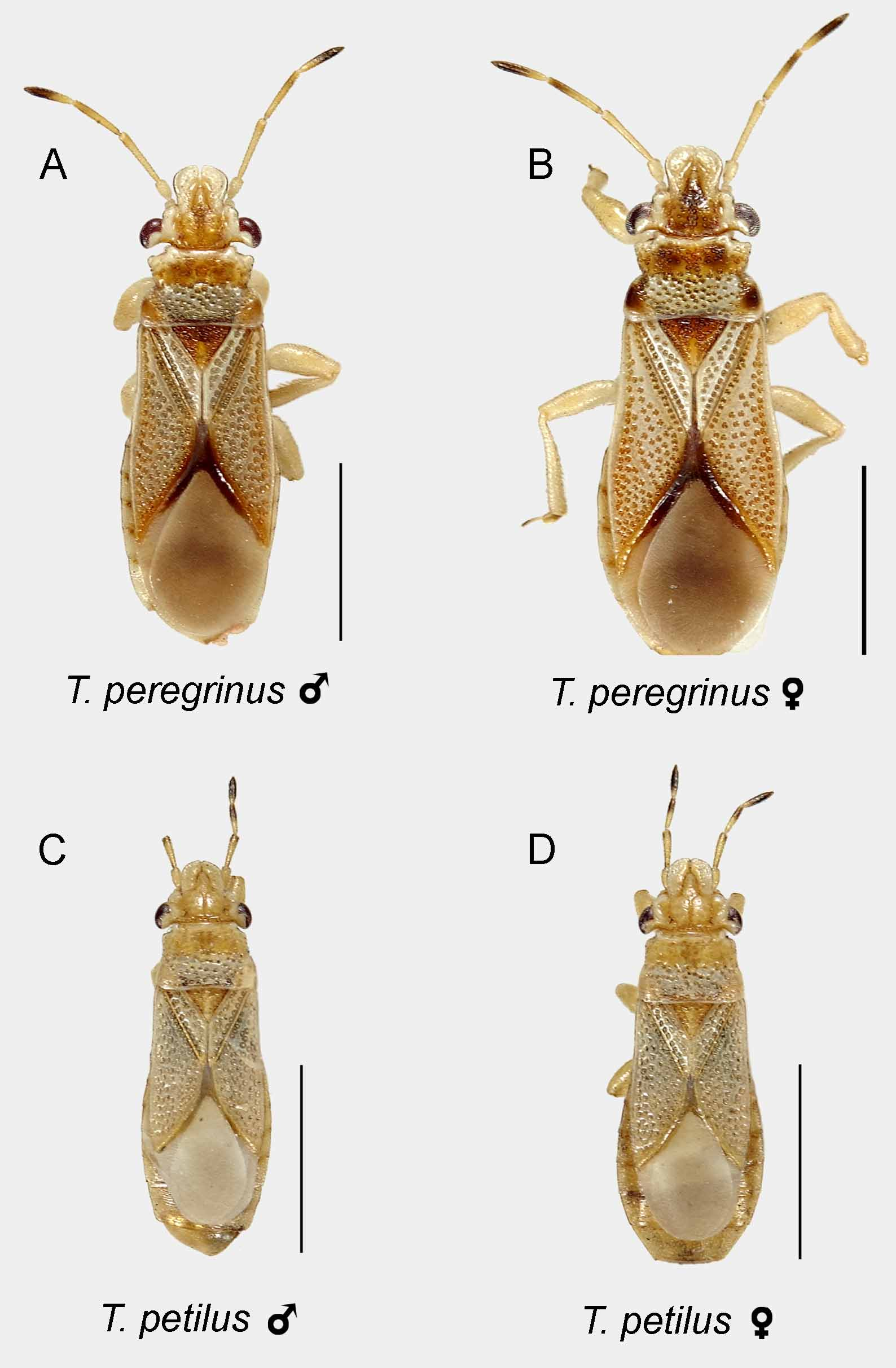
Thaumastocoris peregrinus
species of insect
Panstrongylus
Panstrongylus is a genus of insects that belongs to the subfamily Triatominae. Its members are found from Mexico into South America.
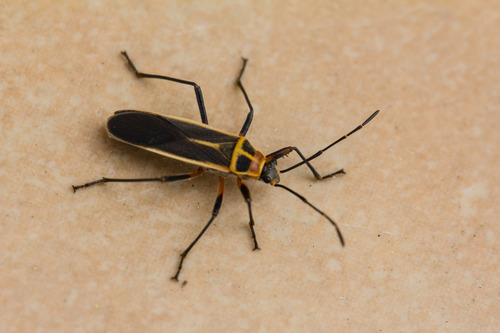
Stenomacra marginella
species of insect
Loxa
Loxa is an insect genus in the large family of shield bugs. It occurs primarily in Central America and Mexico, but is also found in Texas, Florida and South America. While Loxa is a genus of the tribe Pentatomini, its species are similar in many respects to those in the Chlorocorini, specifically the genera: Chlorocoris Spinola, Chloropepla Stål, Mayrinia Horvath and Fecelia Stål. Some species of Loxa are minor crop pests, for example Loxa deducta.
Rasahus
Rasahus is a Neotropical genus of assassin bugs (Reduviidae); 26 species have been described.
Hemikyptha
Hemikyptha is a genus of treehoppers belonging to the subfamily Darninae. It was first described by Zeno Payne Metcalf in 1927, and contains 7 species.
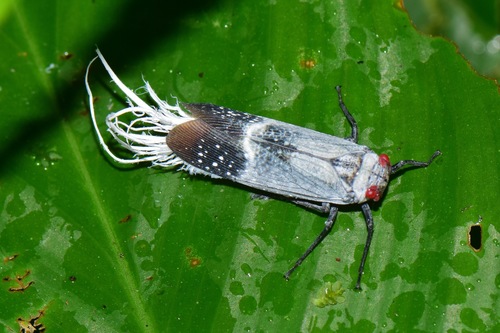
Lystra pulverulenta
species of insect
Anasa scorbutica
species of insect
Pelocoris femoratus
species of insect
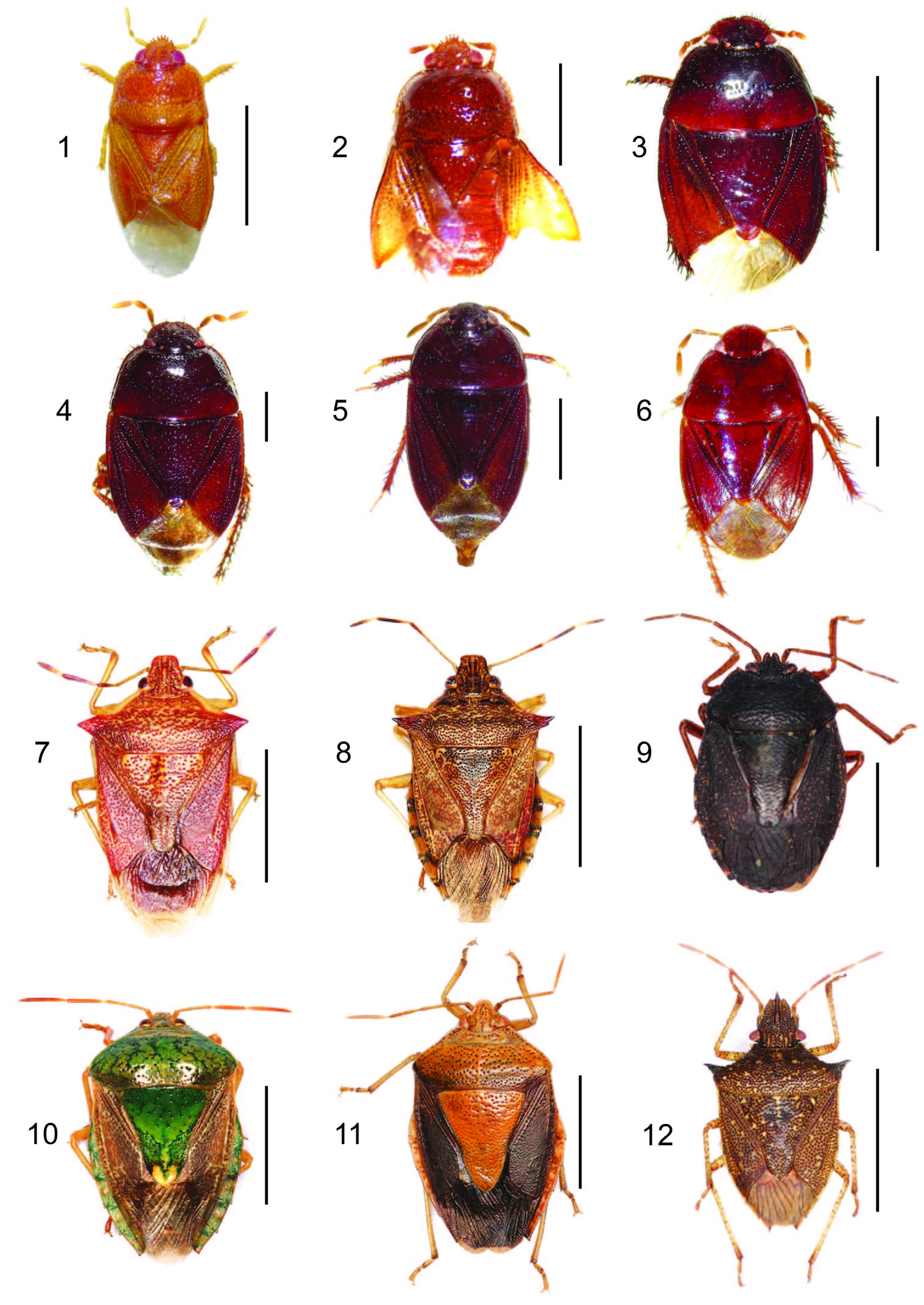
Podisus sagitta
species of insect
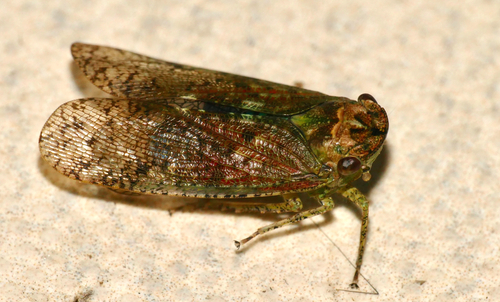
Calyptoproctus elegans
species of insect
Calyptoproctus
Calyptoproctus is a genus of planthoppers in the family Fulgoridae; records are from Central and South America.
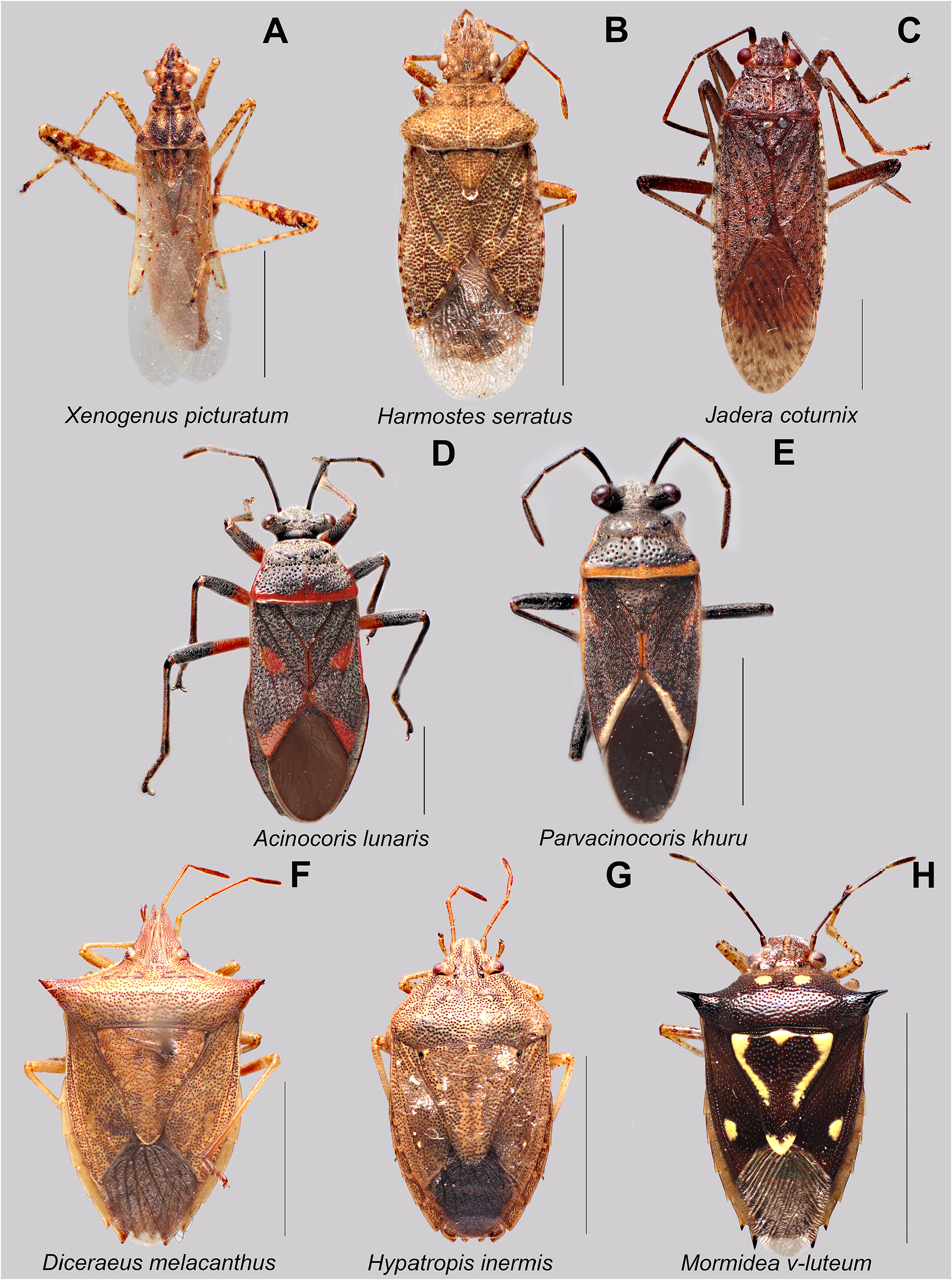
Harmostes serratus
species of insect
Chlorocoris distinctus
species of insect
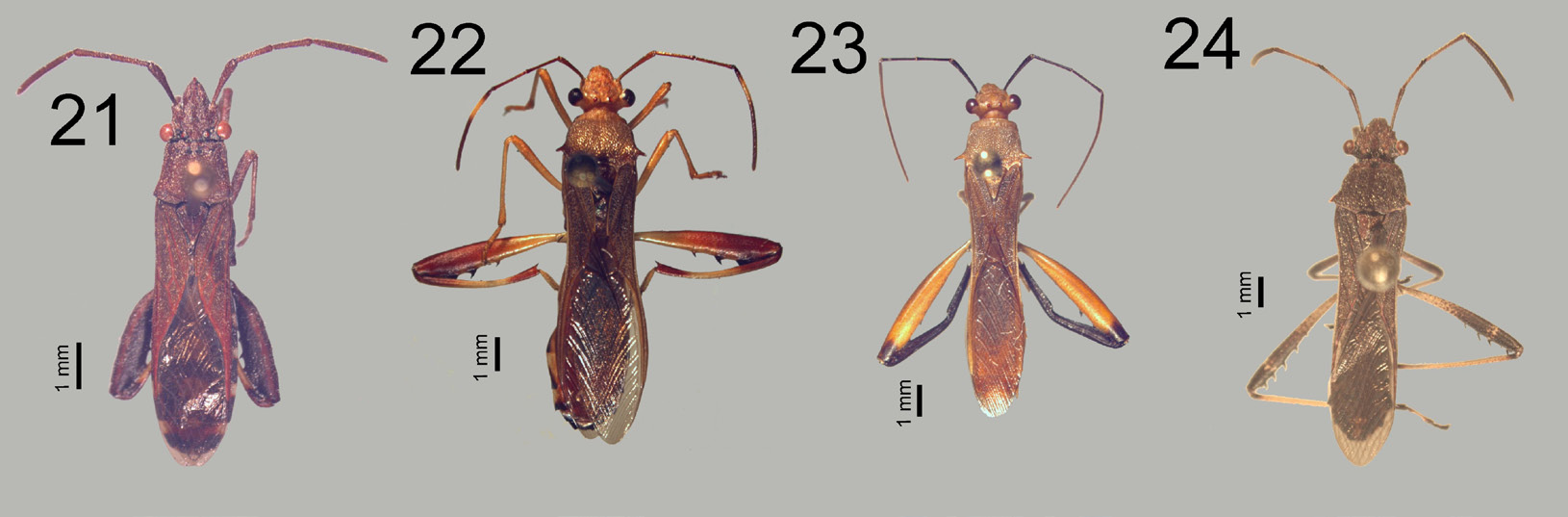
Hyalymenus tarsatus
species of insect
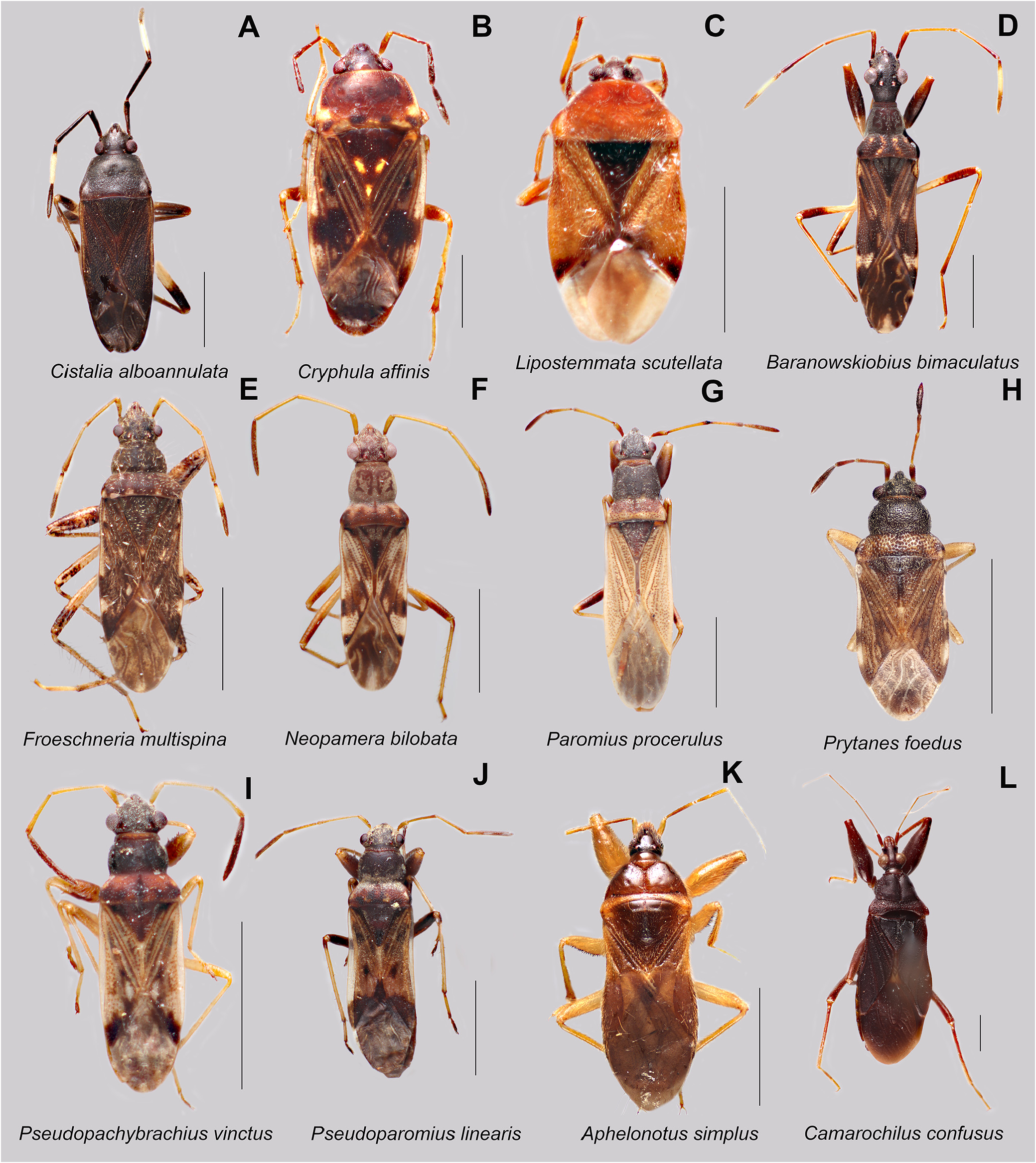
Neopamera bilobata
species of insect
Neopamera albocincta
species of insect
Delphacodes puella
species of insect
Stenocoris
Stenocoris is a genus of rice bugs in the family Alydidae. There are more than 20 described species in Stenocoris, found in Africa and the Americas,
thumb|Rice bugs, Stenocoris
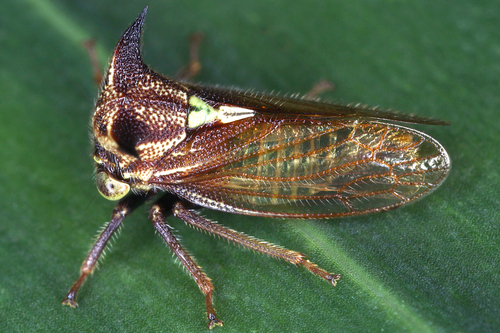
Tolania
Tolania is a genus of treehopper belonging to the subfamily Nicomiinae. It was first described by Carl Stål in 1858. It contains 69 species.
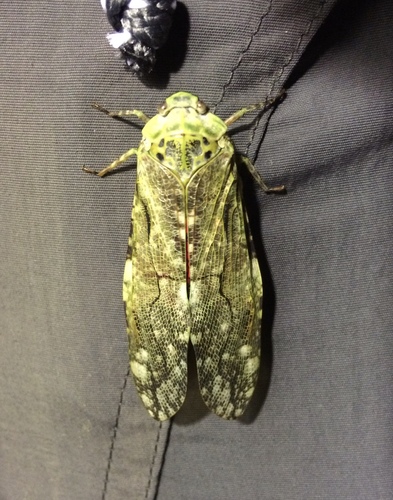
Aracynthus
genus of insects

Catorhintha selector
species of insect
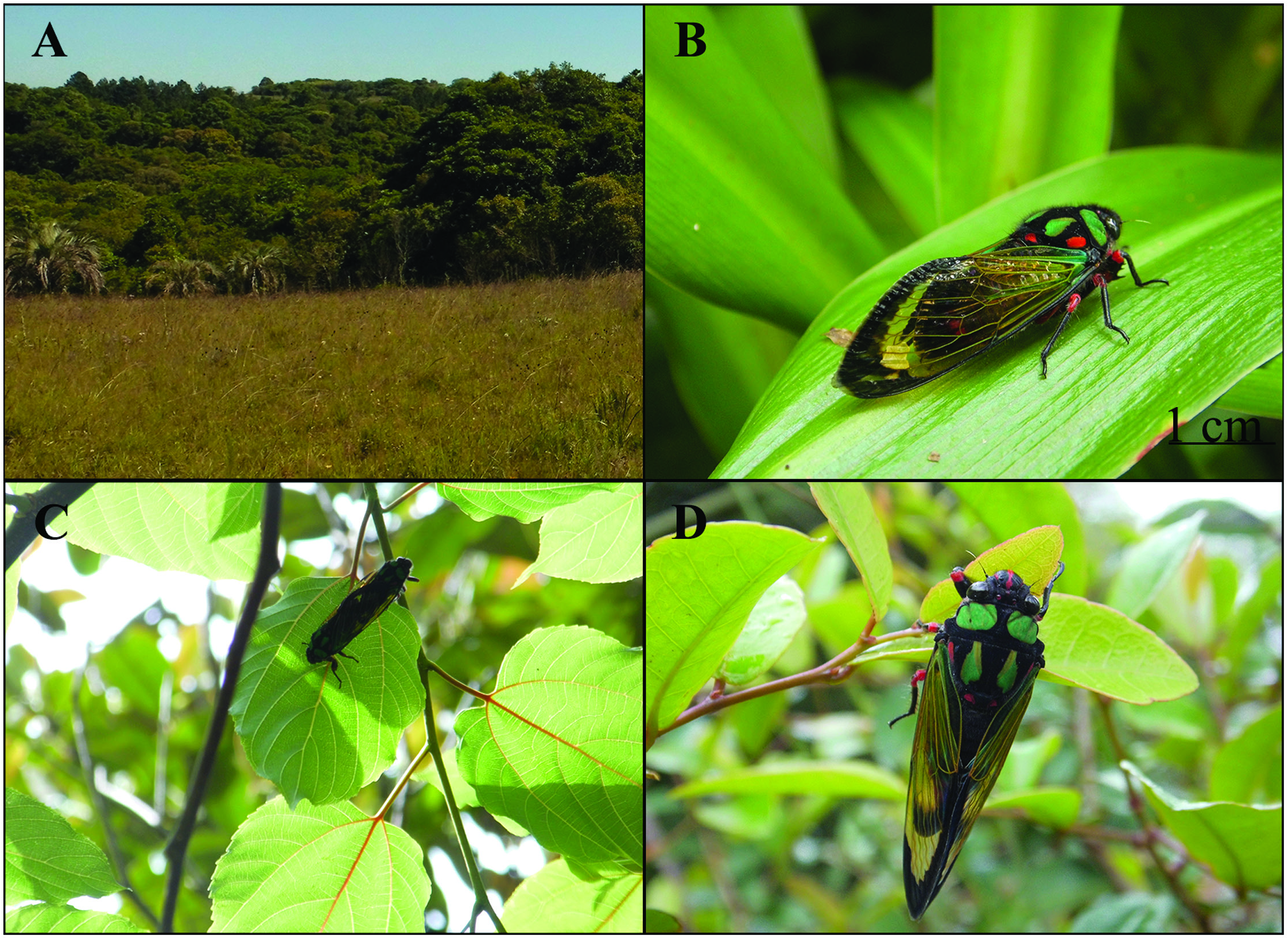
Carineta diardi
species of true bug
Ariasa
Ariasa is a genus of true bugs belonging to the family Cicadidae.
Acrogonia
Acrogonia is a genus of neotropical sharpshooters in the family Cicadellidae.

Mesovelia mulsanti
species of insect
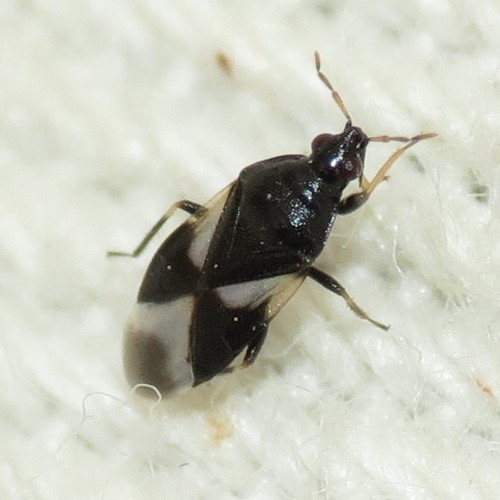
Orius tristicolor
species of insect
Triatoma brasiliensis
species of insect
Poekilloptera
Poekilloptera is a genus of South American planthoppers in the subfamily Flatinae and is the sole genus in the tribe Poekillopterini.
Oncopeltus sandarachatus
species of insect
Dysdercus concinnus
species of insect

Triatoma dimidiata
species of insect
Cladonota apicalis
species of insect
Melanolestes picipes
species of insect