Category
page 1History of al-Andalus

Mozarab
right|thumb|260x260px|Mozarabic church of Santiago de Peñalba
The Mozarabs (from ), or more precisely Andalusi Christians,'''''' were the Christians of al-Andalus, or the territories of Iberia under Muslim rule from 711 to 1492. Following the Umayyad conquest of the Visigothic Kingdom in Hispania, the Christian population of much of Iberia came under Muslim control.
Islamic contributions to Medieval Europe
influence of Islamic civilisation on Medieval Europe

La Convivencia
Convivencia (Spanish for "living together") is a term used by scholar Américo Castro to describe a period in Spanish history from the Muslim Umayyad conquest of Hispania in the 700s to the expulsion of the Jews in 1492 by the Catholic Monarchs of Spain. It claims that in the different Moorish Iberian kingdoms, the Muslims, Christians and Jews lived in relative peace. This idea suggests that medieval Spain was a place of religious tolerance and cultural exchange-very different from later periods when only Catholicism was allowed.
history of Portugal (1112–1279)
aspect of history
Parias
thumb|300px|Map (in Spanish) of the taifa kingdoms and the Christians states at the time of the breakup of the Caliphate (1031).
In medieval Spain, parias (from medieval Latin pariāre, "to make equal [an account]", i.e. pay) were a form of tribute paid by the taifas of al-Andalus to the Christian kingdoms of the north. Parias dominated relations between the Islamic and the Christian states in the years following the disintegration of the Caliphate of Córdoba (1031) until the reunification of Islamic Spain under the Almoravid dynasty (beginning in 1086). The parias were a form of protection mon
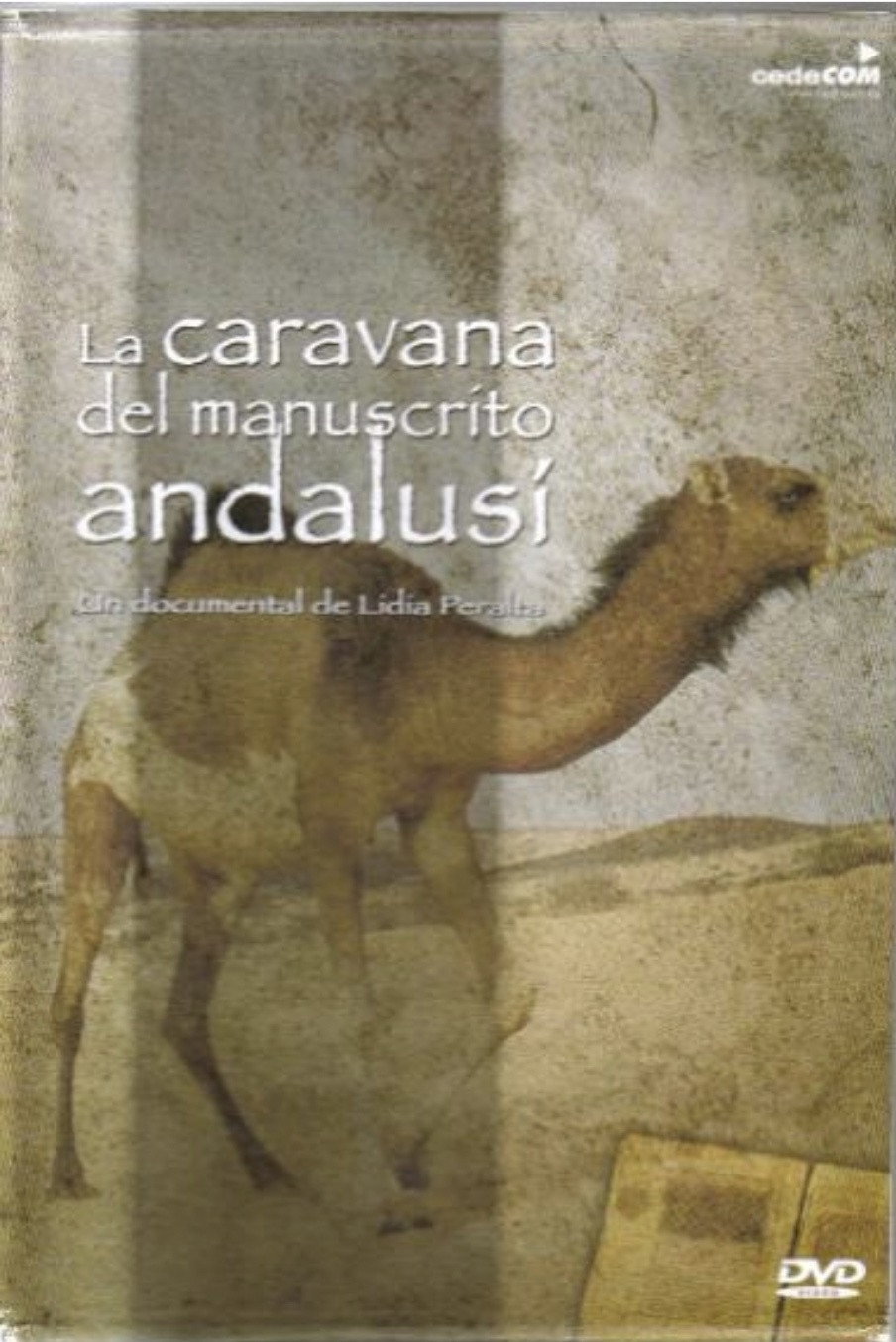
La Caravana del manuscrito andalusí
2007 film by Lidia Peralta García
timeline of the Muslim presence in the Iberian Peninsula
listing of events in Spanish history
Sephardic Museum
Jewish museum in Granada, Spain
Fundación Ibn Tufayl
history of Portugal (1279–1415)
aspect of history