Category
page 1History of glass
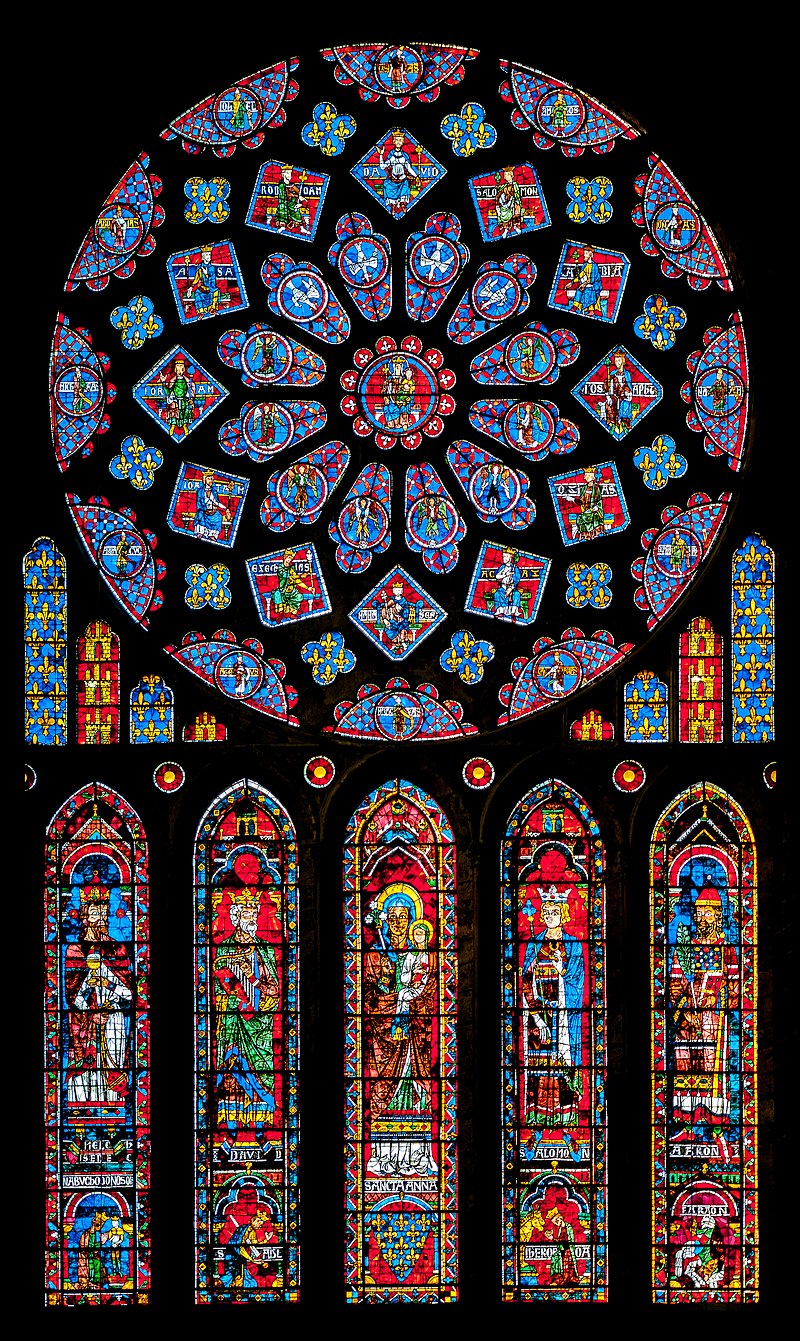
stained glass
colored glass used as an art material

Ernst Abbe
German physicist (1840-1905)

Saint-Gobain
Compagnie de Saint-Gobain S.A. ( or ) is a French multinational corporation, founded in 1665 in Paris as the Manufacture royale de glaces de miroirs, and today headquartered on the outskirts of Paris, at La Défense and in Courbevoie. Originally a mirror manufacturer, it also produces a variety of construction, high-performance, moderate-performance, lower-performance and other materials. Saint-Gobain is present in 76 countries and employs more than 170,000 people.

glass blowing
thumb|A glassworker blows air into the glass, creating a cavity inside.
Venetian glass
glassmaking tradition from Venice, Italy
Otto Schott
German chemist, glass technologist, and inventor (1851–1935)

rhinestone
thumb|Historic rhinestone copy of the Florentine Diamond, made in 1865 in Paris by the L. Saemann company
thumb|Rhinestones on a tiara
thumb|Rowenta enamel rhinestone compact
Jane Morris
English embroiderer and artists' model (1839–1914)
Mason jar
molded glass jar used in home canning to preserve food
float glass
material; type of glass

Rayonnant
Rayonnant was a very refined style of Gothic Architecture which appeared in France in the 13th century. It was the defining style of the High Gothic period, and is often described as the high point of French Gothic architecture.
French architects turned their attention from building cathedrals of greater size and height towards bringing greater light into the cathedral interiors and adding more extensive decoration. The architects made the vertical columns and supports thinner, made extensive use of pinnacles and moldings. They combined the triforium gallery and the clerestory into single spa
Bohemia crystal
Potash lime glass
history of optics
study of the development of optics with lenses and theories of light and vision over time
Egyptian faience
type of Ancient Egyptian sintered-quartz ceramic
forest glass
late medieval glass produced in northwestern and central Europe using potash from wood ashes
Roman glass
ancient glass covered by a patina responsible of their iridescent hues of blue, green, and orange
Islamic glass
type of glass artifact made in the Islamic world, especially in periods up to the 19th century
history of glass
aspect of history

Hebron glass
glass produced in Hebron as part of an art industry established in the city during Roman rule
glass delusion
mental disorder from the Middle Ages
Corning Museum of Glass
museum in Corning, New York
crown glass
early type of window glass
Hedwig glass
type of glass beaker originating in the Middle East or Norman Sicily and dating from the 10th-12th centuries AD
vitrified fort
stone enclosure with vitrified walls
Planetarium Jena
planetarium in Jena, Thuringia, Germany
Valentin Bouché
Glass artisian (c.1490-1541)
Saint-Louis Glasshouse
French manufacturer of fine crystal
claw beaker
type of drinking vessel used in early medieval Europe
Michael Joseph Owens
American inventor (1859–1923)
Mappae clavicula
medieval compilation of recipes for metal, glass, mosaic and stain work
flexible glass
alleged lost invention
Hermann von Münster
German glass artist
Andrew Pritchard
English naturalist and microscopist