Category
page 1History of literature
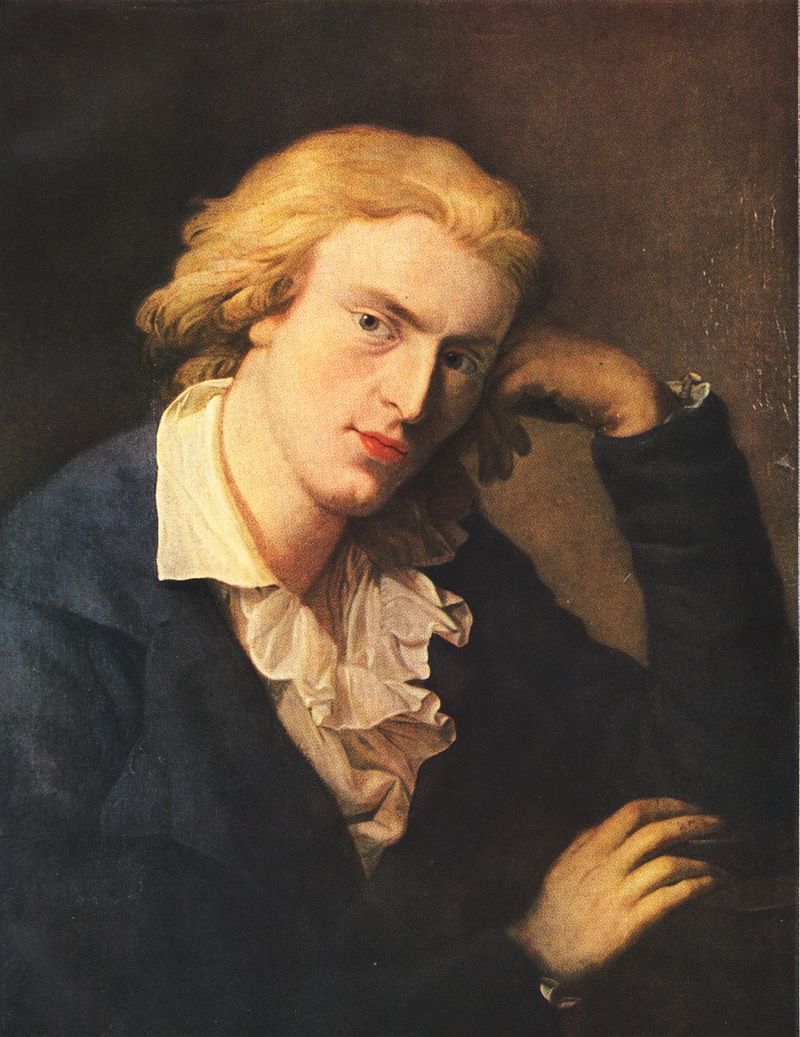
Friedrich Schiller
German playwright, poet, philosopher and historian (1759–1805)

Panchatantra
thumb|The first page of oldest surviving Panchatantra text in Sanskrit
thumb|An 18th-century Pancatantra manuscript page in Braj ("The Talkative Turtle")

epigram
thumb|Robert Hayman's 1628 book Quodlibets devotes much of its text to epigrams.

Persian literature
oral compositions and written texts in the Persian language

Latin-language literature
literature written in Latin, and the discipline that studies it

Chinese literature
literary works in Chinese language

history of literature
historical development of writings

Greek literature
written works in the Greek language

graphic novel
book with primarily comics contents

ancient Greek literature
literature written in ancient Greece or in the Ancient Greek language

medieval literature
literature produced during the Middle Ages

ancient literature
literature produced in ancient times

Byzantine literature
literature of the Byzantine Empire

Neo-Latin
Neo-Latin (also known as New Latin and Modern Latin) is the style of written Latin used in original literary, scholarly, and scientific works, first in Italy during the Italian Renaissance of the fourteenth and fifteenth centuries, and then across northern Europe after about 1500, as a key feature of the humanist movement. Through comparison with Latin of the Classical period, scholars from Petrarch onwards promoted a standard of Latin closer to that of the ancient Romans, especially in grammar, style, and spelling. The term Neo-Latin was however coined much later, probably in Germany in the l
Matter of Britain
body of Medieval literature associated with Great Britain and Brittany, and the legendary kings and heroes associated with it, particularly King Arthur
history of theatre
theatre over the past 2,500 years
Apollonian and Dionysian
terms representing a dichotomy/dialectic between rationality and emotion
war novel
literary genre
history of books
aspect of history

Amarakosha
thumb|A 19th-century Amarakosha manuscript with Newar language commentary from [[Nepal.]]
thumb|Cover of a modern copy of Amara kosha

The Tortoise and the Eagle
various fables, including Aesop's
lesbian literature
subgenre of literature addressing lesbian themes

exemplum
thumb|A page from ' by
An exemplum (Latin for "example", exempla', exempli gratia = "for example", abbr.: e.g.'') is a moral anecdote, brief or extended, real or fictitious, used to illustrate a point. The word is also used to express an action performed by another and used as an example or model.
Contemporary Latin
form of the Latin language used since the 19th century
history of science fiction
aspect of history regarding the scientific advance of the literary genre from the 18th century onwards
Matter of France
body of literature and legendary material associated with the history of France, in particular involving Charlemagne and his associates
renaissance Latin
Latin as spoken and written in the Renaissance
Matter of Rome
literary cycle made up of Greek and Roman mythology
occasional poetry
poetry composed for a particular occasion
women's writing
academic discipline studying literature written by women

Classical tradition
reception of classical Greco-Roman antiquity by the post-classical Western world

Kyrgyz literature
Restoration literature
literature written during the English restoration
Swiss Literary Archives
Literary archive in Bern, which collects and researches literary bequests and estates in the four Swiss national languages.
Flemish literature
the literature of Flanders
19th-century literature
overview of world literature produced during the 19th century
history of fantasy
history of literary genre
Museum of Modern Literature
museum in Germany
contemporary literature
literary genre setting generally after World War II
Mater Verborum
1240 Latin dictionary
Committed literature
literary genre
Euphorion
scientific journal of literary history
18th century literature
overview of world literature produced during the 18th century
Middle Persian literature
written works composed in Middle Persian
Joseph Spence
British historian and landscape architect
Elizabethan literature
British literature from 1558 to 1603
Khorasani style (poetry)
movement in Persian poetry

history of encyclopedias
aspect of history

Great Conversation
Concept in the philosophy of literature
Meitei literature
literature written in the Meitei language
Grub Street
former street in London
World War I in popular culture
World War I depicted in popular culture
Pianwen
Pianwen () is a highly stylised prose style, prevalent throughout the history of Chinese literature. Its prominent features lie in its regular lines arranged in couplets; in its early history, these lines were mostly of either four or six characters, and so pianwen are also known as Four-Six Prose ().
list of years in literature
Wikimedia list article
Bazgasht-e adabi
18th-century Persian literary style
Carl Sandburg Home National Historic Site
national Historic Site of the United States
Classical Prose Movement
literary movement in Tang and Song dynasty China
17th century in literature
overview of literature-related events during the 17th century
silva rerum
multi-generational chronicle, kept by many Polish and Lithuanian noble families from the 16th through 18th centuries
origo gentis
literature describing the origin of a people in medieval studies