Category
page 1History of science fiction

Jules Verne
French writer (1828–1905)

Hugo Award
set of awards given annually for the best science fiction or fantasy works and achievements of the previous year (1953–)

The Time Machine
1895 dystopian science fiction novella by H. G. Wells
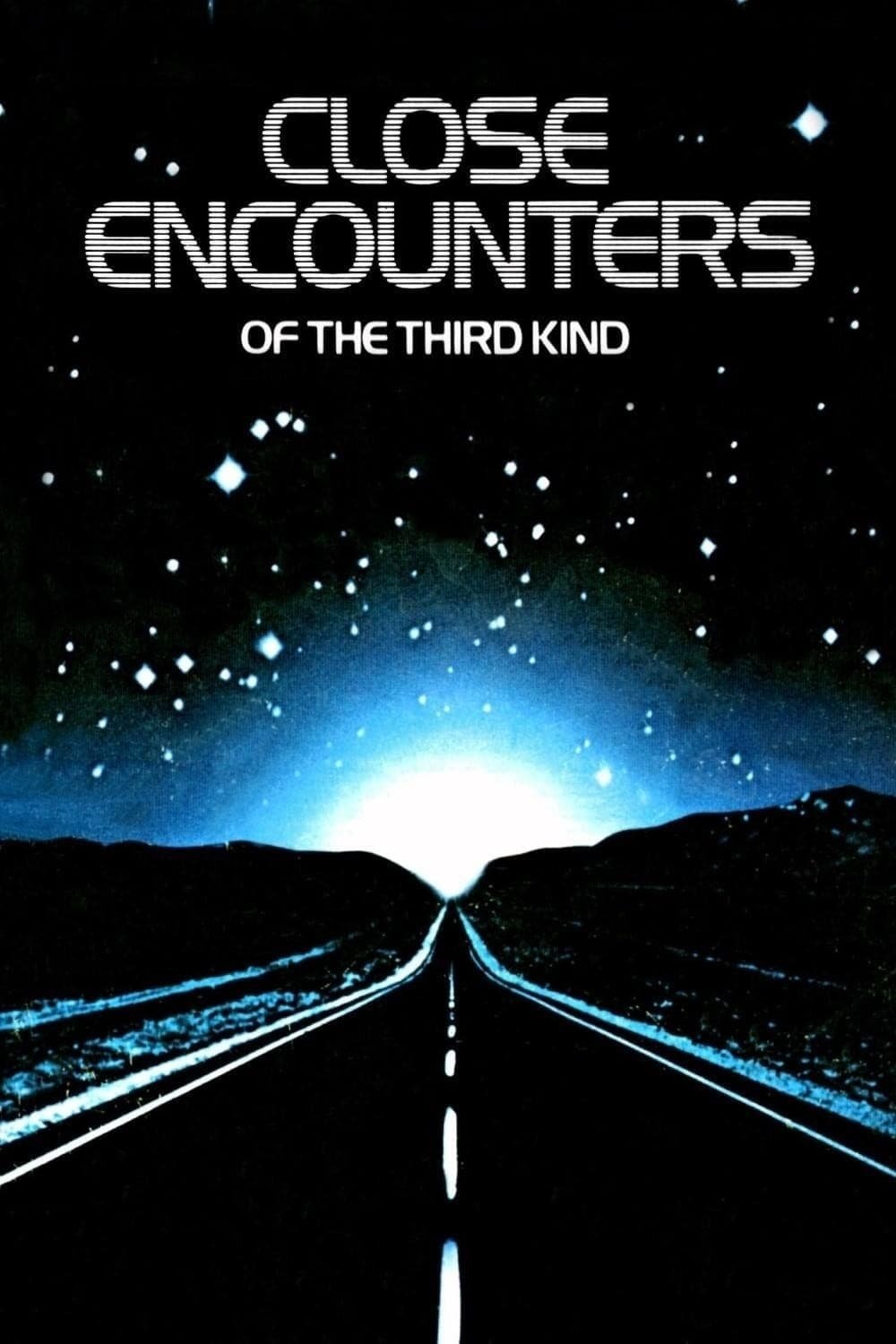
Close Encounters of the Third Kind
1977 film directed by Steven Spielberg

science fiction film
film genre

space opera
subgenre of science fiction

Do Androids Dream of Electric Sheep?
science fiction novel by Philip K. Dick
HAL 9000
fictional character in Arthur C. Clarke's Space Odyssey series
hard science fiction
science fiction with emphasis on scientific or technical detail, or on scientific accuracy
monster film
film genre

Orwellian
Orwellian is a neologism suggested in the writings by George Orwell. It is an adjective which is used to describe a situation, an idea or a societal condition, usually identified as being destructive to a free and open society. It was first used by the American author Mary McCarthy in 1950. The term denotes draconian control by propaganda, surveillance, disinformation, and denial of truth. It is commonly used in reference to Orwell's 1949 dystopian novel Nineteen Eighty-Four which describes an oppressive fictional totalitarian society where propaganda is used to manipulate the population. Orwe
list of science fiction authors
Wikimedia list article
Golden Age of Science Fiction
nostalgic view of earlier science fiction
New Wave science fiction
movement in science fiction produced in the 1960s and 1970s
science fiction television program
television genre

Who Goes There?
1938 novella by John W. Campbell

The Sentinel
short story written by Arthur C. Clarke
list of science fiction films
Wikimedia list article

Futurians
thumb | right | alt=Donald Allen Wollheim, Frederik Pohl and John Michel | Donald Allen Wollheim, Frederik Pohl and John Michel
The Futurians were an influential group of science fiction fans, writers, and editors who helped shape the genre in the United States between 1938 and 1945. Based in New York City, the group included many individuals who would become major figures in science fiction, including Isaac Asimov, Frederik Pohl, Donald A. Wollheim, James Blish, Cyril M. Kornbluth, Damon Knight, and Judith Merril. Known for their left-wing political views and collective approach to profession
monolith
fictional monolith in Arthur C. Clarke's Space Odyssey
New Worlds
British science fiction and fantasy magazine

The Shape of Things to Come
1933 novel by H. G. Wells
Encounter in the Dawn
short story by Arthur C. Clarke
list of science fiction novels
Wikimedia list article
ministry of Oceania
fictional governmental organizations of Oceania in the novel Nineteen Eighty-Four
history of science fiction films
aspect of history
list of science fiction television programs
Wikimedia list article