Category
page 1History of the Mediterranean

Roman Empire
period of ancient Rome following the Republic

Ancient Egypt
Egyptian civilization from the 4th millennium BC

Abbasid Caliphate
third Islamic caliphate (750–1258)

Phoenicia
Phoenicians were an ancient Semitic people who inhabited city-states in Canaan along the Levantine coast of the eastern Mediterranean, primarily in present-day Lebanon and parts of coastal Syria. Their maritime civilization expanded and contracted over time, with its cultural core stretching from Arwad to Mount Carmel. Through trade and colonization, the Phoenicians extended their influence across the Mediterranean, from Cyprus to the Iberian Peninsula, leaving behind thousands of inscriptions.

Hittites
right|thumb|Sphinx Gate entrance to the city
thumb|The Great Temple in the inner city of Hattusa

Republic of Venice
former state (697–1797) controlling, at various times, parts of northeastern Italy, the Balkans, and Mediterranean islands
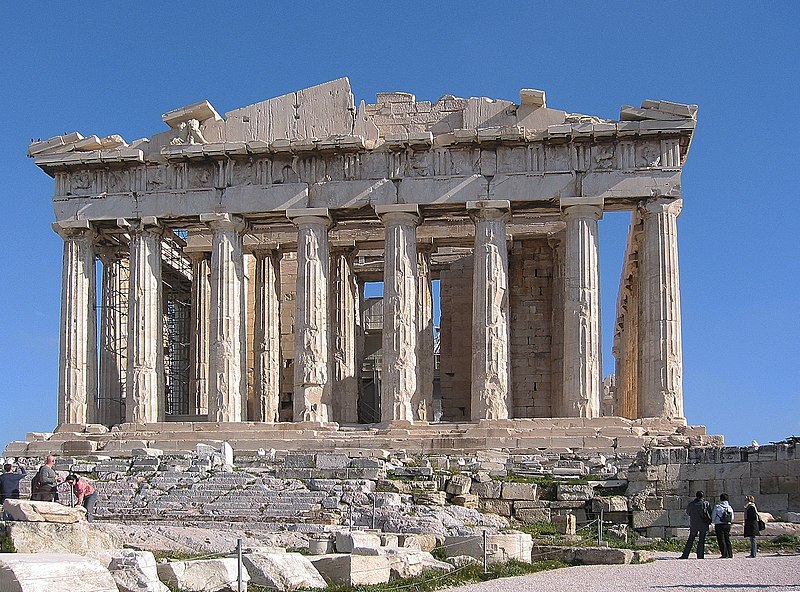
classical antiquity
age of the ancient Greeks and Romans

Umayyad Caliphate
second Islamic caliphate (661–750 CE)
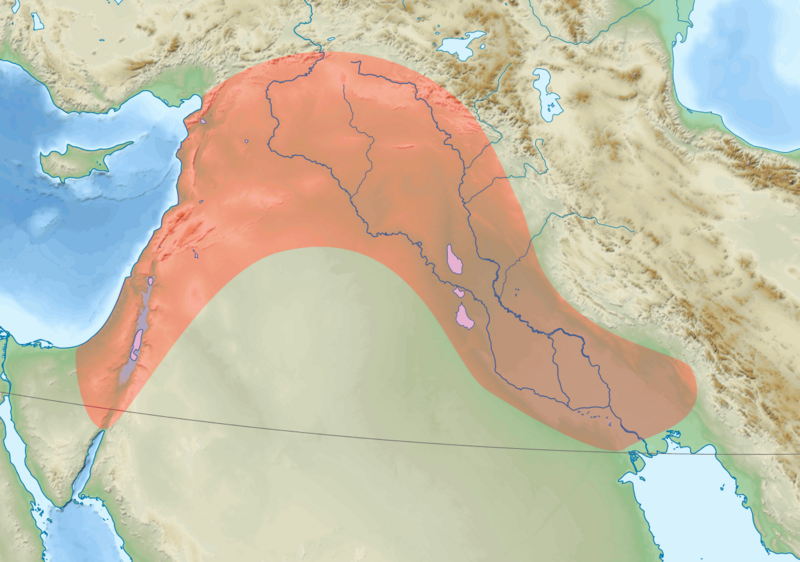
Fertile Crescent
crescent-shaped geographic region of the Middle-East, containing the moist and fertile land of Western Asia, and the Nile Valley and Nile Delta of northeast Africa

Fatimid Caliphate
Shia Islamic caliphate (909–1171)

Republic of Genoa
medieval and early modern maritime republic from (1005-1797)
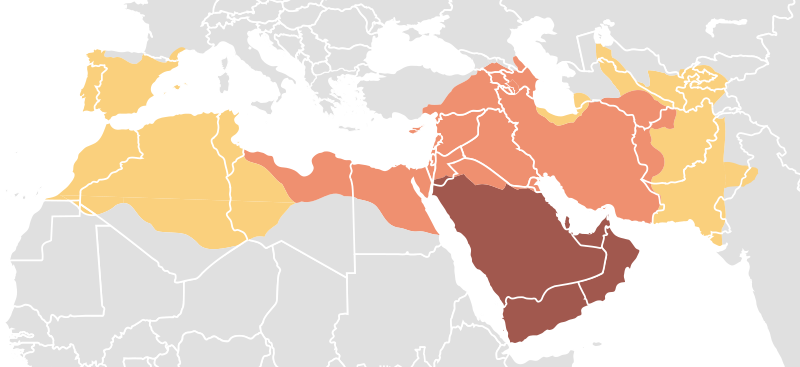
Muslim conquests
historical process in 7th–8th centuries CE

Sea Peoples
purported historical ethnic group

Ancient Carthage
Phoenician city-state and empire

late antiquity
period of transition from classical antiquity to the Middle Ages
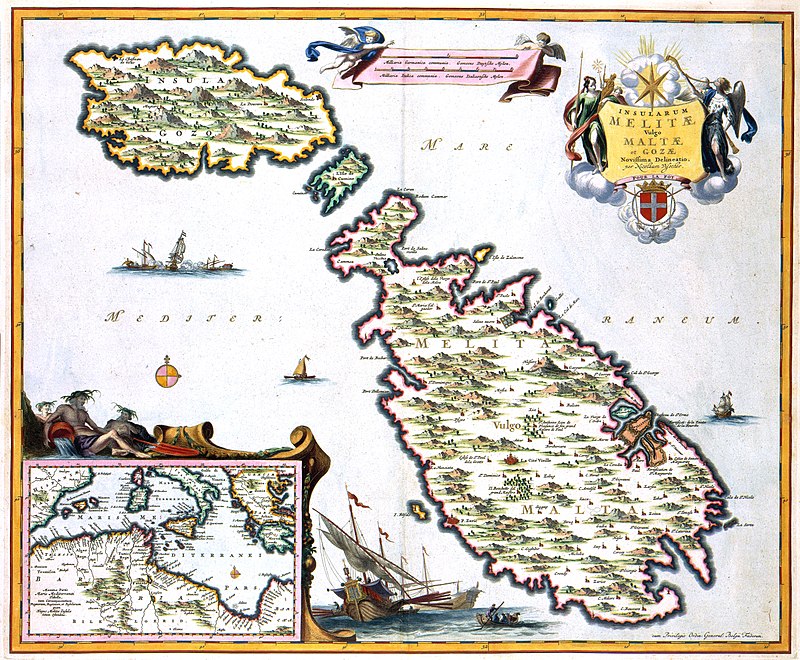
history of Malta
history of the European country of Malta

cradle of civilization
locations where civilization emerged

history of Cyprus
aspect of history
Montreux Convention
agreement regulating naval vessels in the Turkish Straits
maritime republics
group of city-states, mostly in Italy, prosperous in the Middle ages
Mediterranean and Middle East Theater of World War II
major theatre of operations during the Second World War

Paratethys
thumb|right|alt=Palaeogeographical reorganization of the Tethys–Paratethys region during the Paleogene, from a connected Tethys configuration during the early Eocene (above) to a fragmented and restricted Paratethys region configuration during the Oligocene (below).|Palaeogeographical reorganization of the Tethys–Paratethys region during the Paleogene, from a connected Tethys configuration during the early [[Eocene (above) to a fragmented and restricted Paratethys region configuration during the Oligocene (below). Note the loss of deep-water connections between the Indian Ocean region and the
Cardium pottery
archaeological culture
Sabir
lingua franca of the Mediterranean Basin between the 11th and 19th centuries
Mare Nostrum
Roman policy about owning the Mediterranean Sea
Messinian salinity crisis
desiccation of the Mediterranean Sea during the end of the Messinian Age
Greco-Roman world
regions historically influenced by the language, culture, government and religion of the ancient Greeks and Romans
praetorian prefecture of Italy
administrative division of the late Roman Empire (324-584 CE)
military history of Italy during World War II
involvement of Italy in World War II
history of the Mediterranean region
aspect of history
Zanclean flood
theoretical refilling of the Mediterranean Sea between the Miocene and Pliocene Epochs
history of Sardinia
aspect of history

Bricha
Bricha (), also called the Bericha Movement, was the underground organized effort that helped Jewish Holocaust survivors settle in British Mandate for Palestine in violation of the White Paper of 1939. It ended when Israel declared independence and annulled the White Paper.
Eastern Mediterranean event
atmospheric explosion above the Mediterranean Sea, caused by small asteroid
Mediterranean campaign of 1798
failed French military campaign led by Napoleon Bonaparte to support the Sultanate of Mysore against Britain
Cilician pirates
generic term used for all pirates of the Mediterranean Sea in the 1st and 2nd century BC
Mediterranean Agreements (1887)
treaty
Malta Maritime Museum
museum in Birgu, Malta
naval warfare in the Mediterranean during World War I
conflict

history of North Africa
study of the historical development of North Africa
Stadiasmus Maris Magni
ancient Roman periplus
Polish Centre of Mediterranean Archaeology
Research institute of the University of Warsaw
genetic history of the Middle East
DNA study of the Middle East inhabitants
territorial evolution of the Ottoman Empire
aspect of history
Pompey's campaign against pirates
conflict between the Roman Republic and Cilician pirates
Republic of Massa
Independent state existed from 1225 to 1336
Phoenician settlement of North Africa
phoenician colonization in North Africa