Category
page 1History of the papacy

Papal States
territories mostly in the Appenine Peninsula under the sovereign direct rule of the pope between 756–1870

conclave
thumb|The 1492 papal conclave was the first to be held in the [[Sistine Chapel.]]
A conclave is a gathering of the College of Cardinals convened to appoint the pope of the Catholic Church. Catholics consider the pope to be the apostolic successor of Saint Peter and the earthly head of the Catholic Church.

antipope
An antipope () is a person who claims to be Bishop of Rome and leader of the Roman Catholic Church in opposition to the officially elected pope. Between the 3rd and mid-15th centuries, antipopes were supported by factions within the Church itself and secular rulers. While modern claimants to the papacy still take place, they are rarely given serious consideration by either the public or the Church.
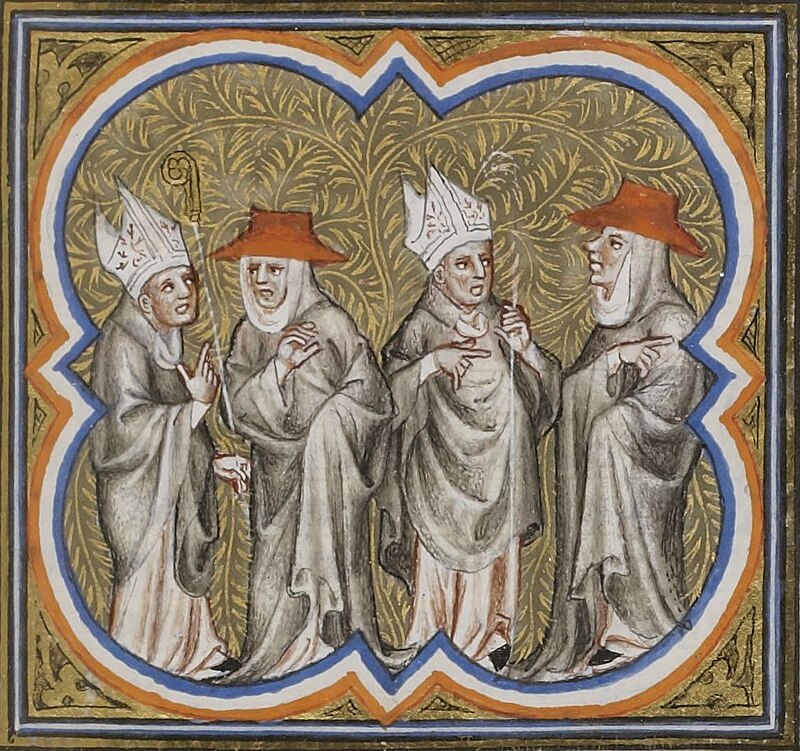
Western Schism
split within the Catholic Church from 1378 to 1417, in which bishops in Rome and Avignon both claimed to be the pope, joined by a third line of Pisan popes in 1409

Mehmet Ali Ağca
Turkish contract killer (born 1958)

abdication
thumb|Napoleon's first abdication, signed at the [[Palace of Fontainebleau on 4 April 1814]]
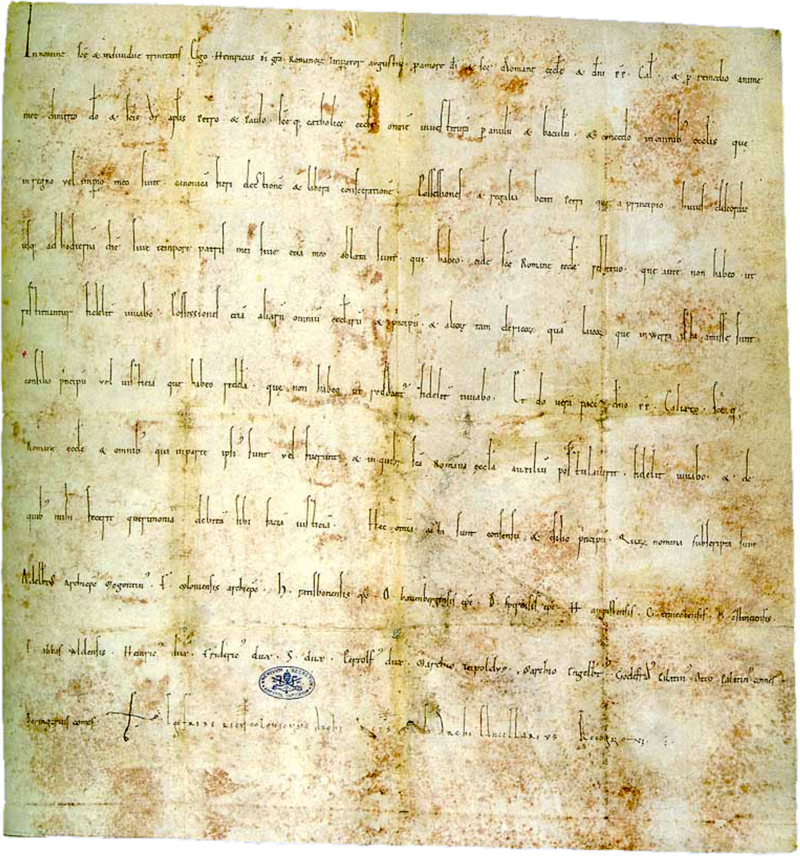
Concordat of Worms
agreement between Pope Calixtus II and Holy Roman Emperor Henry V on September 23, 1122 near the city of Worms

concordat
A concordat () is a convention between the Holy See and a sovereign state that defines the relationship between the Catholic Church and the state in matters that concern both, i.e. the recognition and privileges of the Catholic Church in a particular country and with secular matters that affect church interests.

Donation of Constantine
forged Roman imperial decree by which the emperor Constantine supposedly donated Rome and surrounding territory to the Pope
papal tiara
crown worn by popes of the Roman Catholic Church
Liber Pontificalis
book of biographies of popes

death and funeral of Pope Francis
2025 death and funeral of the 266th pope
Roman Republic
republic at Italy between 1798–1799
Cadaver Synod
posthumous ecclesiastical trial of Pope Formosus
Prophecy of the Popes
series of 112 short, cryptic phrases in Latin which purport to predict the Roman Catholic popes
sedia gestatoria
ceremonial throne on which popes were carried
Gregorian Reform
series of papal reforms in the 11th century
Saeculum obscurum
period of corrupt papal appointments in the 10th century
Roman question
political dispute between the Italian Government and the Papacy
Syllabus of Errors
1864 document issued by the Holy See, under Pope Pius IX
Donation of Pepin
document providing a legal basis for the erection of the Papal States, which extended the temporal rule of the Popes beyond the duchy of Rome
attempted assassination of Pope John Paul II
May 1981 shooting by Mehmet Ali Ağca in St. Peter's Square
papal primacy
ecclesiastical doctrine concerning the respect and authority that is due to the pope
history of the papacy
aspect of history relating to the historical rulership of popes
In nomine Domini
decretal regarding papal election
Vatileaks scandal
scandal involving leaked Vatican documents
black nobility
Roman aristocratic families who sided with the Papacy under Pope Pius IX
Prisoner in the Vatican
phrase describing status of the Pope during the dispute with the Kingdom of Italy (1870-1929)
death and funeral of Benedict XVI
death and funeral proceedings of Pope Benedict XVI
resignation of Pope Benedict XVI
event in which Pope Benedict XVI resigned on 28 Feb. 2013 at 20:00 CET, after an announcement on 11 Feb.
annates
Annates ( or ; , from '''', "year") were a payment from the recipient of an ecclesiastical benefice to the collating authorities. Eventually, they consisted of half or the whole of the first year's profits of a benefice; after the appropriation of the right of collation by the Roman see, they were paid to the papal treasury, ostensibly as a proffered contribution to the church. They were also known as the "first fruits" (), a religious offering which dates back to earlier Greek, Roman, and Hebrew religions.
jus exclusivae
veto by monarchs in papal elections
Byzantine Papacy
Byzantine domination of the Roman papacy, 537 to 752
Doctrine of the Two Swords
Medieval European doctrine that the church and the civil government yield two independent authorities over the world.
Law of Guarantees
law passed by the senate and chamber of the Italian parliament, 13 May, 1871, concerning the prerogatives of the Holy See
March of Ancona
administrative subdivision of the Papal States (1210-1798)
list of papal elections
Wikimedia list article

House of Crescentii
The Crescentii (in modern Italian Crescenzi) were a baronial family, attested in Rome from the beginning of the 10th century and which in fact ruled the city and the election of the popes until the beginning of the 11th century.
Non Expedit
policy of abstention from the polls in parliamentary elections
death and funeral of Pope John Paul II
Papal funeral
Pastor aeternus
dogmatic constitution of the First Vatican Council about the papal ministry
Magdeburg Centuries
book
Year of Three Popes
year when two new popes are elected
Diploma Ottonianum
962 agreement regarding control of the Papal States

temporal power
political and secular governmental activity of the popes of the Roman Catholic Church

Banquet of Chestnuts
supper, allegedly held in the Papal Palace by Cesare Borgia, son of Pope Alexander VI, in 1501, as described in a diary by Master of Ceremonies J. Burchard; reportedly with chestnuts strewn around, with 50 naked courtesans picking them up
Ausculta Fili
papal bull addressed to the King of France
Vatican City during World War II
period in Vatican history
Vicarius Filii Dei
phrase used in a forged medieval document referring to Saint Peter
papal shoes
red outdoor shoes worn by the Pope
September Convention
Treaty between the Kingdom of Italy and the French Empire in 1864
Renaissance Papacy
period of papal history
list of papal tiaras in existence
Wikimedia list article
papal selection before 1059
selection of popes before 1059
Chinea
The Chinèa was the name attached to a tribute paid by the Kings of Naples as vassals to the Popes. The tribute was apparently first recognized by the Norman King of Sicily in 1059. The Chinea reached its greatest magnitude from about 1550 to 1776, with grand temporary structures being erected during the celebration all over Rome in honor of the Pope. The Chinea ceremony itself was instituted under Charles I of Naples and Pope Clement IV, and lasted in ceremonial form till 1776, and as a monetary obligation until 1855.
Collectio Avellana
collection of imperial and papal letters of the 3rd and 4th century
Tusculan Papacy
period of papal history from 1012 to 1048
apostolic journey
instances in which the pope leaves Rome
Lucio Ángel Vallejo Balda
Spanish priest
Lateran Council of 769
synod held in the Basilica of St. John Lateran in 769; rectified abuses in the papal electoral process which had led to the elevation of the Antipopes Constantine II and Philip; condemned the Council of Hieria (754)