Category
page 1Hymenoptera of North America

Vespula vulgaris
species of insect

Vespula germanica
species of insect.
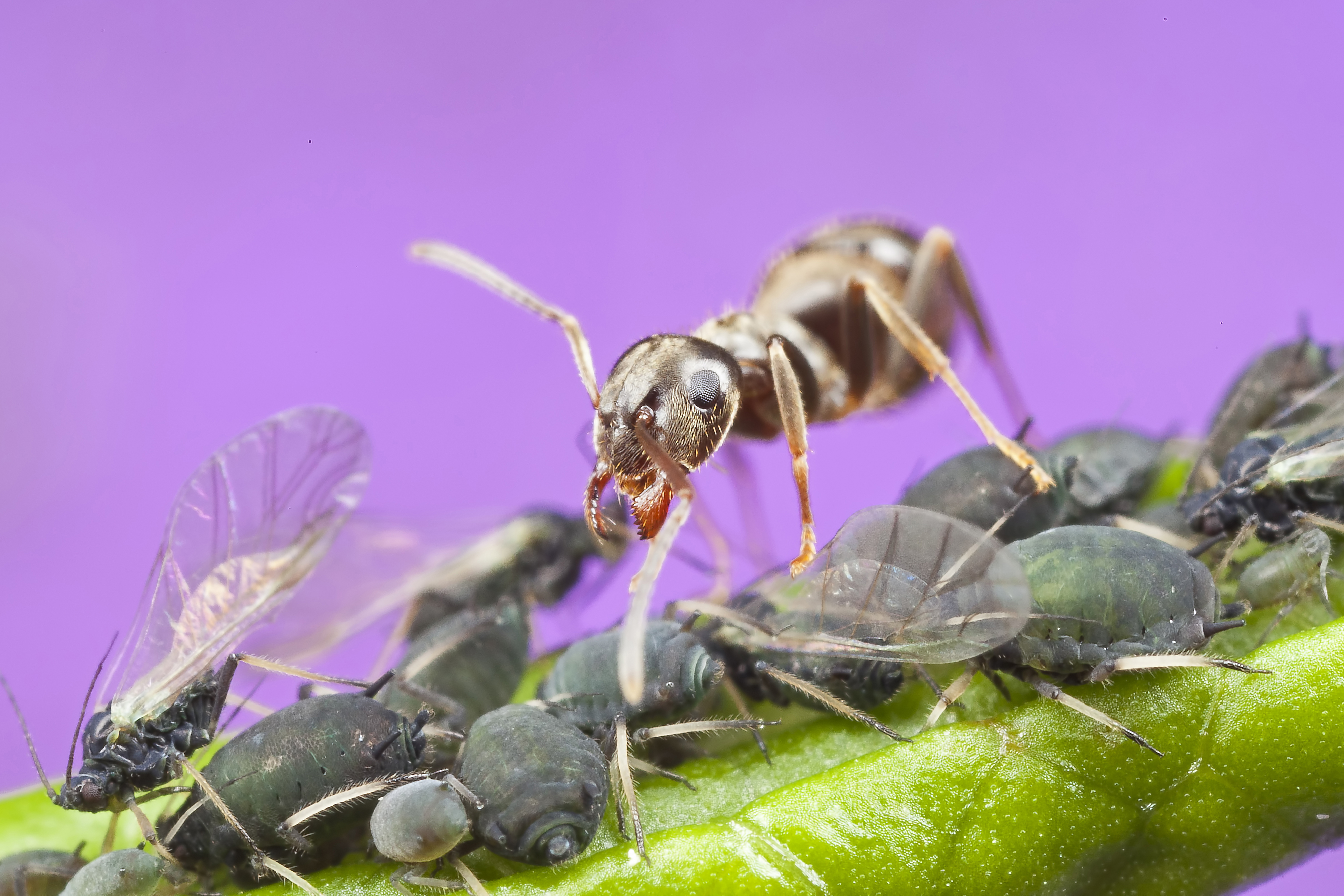
Lasius niger
species of insect

Solenopsis invicta
species of ant

Yellow meadow ant
species of insect

Camponotus enculus
species of insect

Eciton
Eciton is a New World army ant genus that contains the most familiar species of army ants. The most predominant and well-known species is Eciton burchellii, which is also more commonly known as "Balichana" in the Colombian Caribbean Coast, but also as the army ant and is considered the type species.
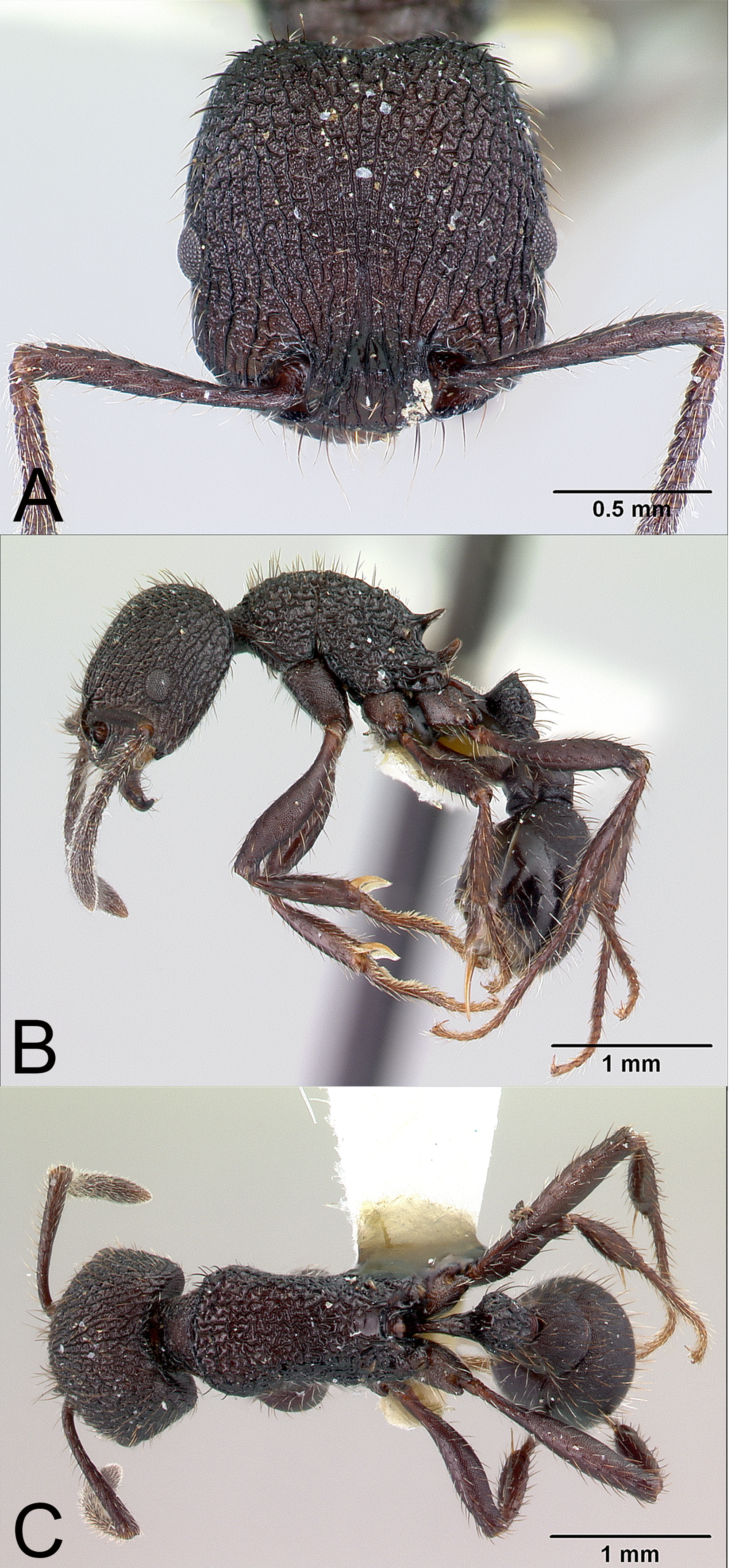
Pogonomyrmex
Pogonomyrmex is a genus of harvester ants, occurring primarily in the deserts of North, Central, and South America, with three endemic species from Haiti.

Eciton burchellii
species of insect

Pseudomyrmex
Pseudomyrmex is a genus of stinging, wasp-like ants in the subfamily Pseudomyrmecinae. They are large-eyed, slender ants, found mainly in tropical and subtropical regions of the New World.

Euglossini
The tribe Euglossini, in the subfamily Apinae, commonly known as orchid bees or euglossine bees, are the only group of corbiculate bees whose non-parasitic members do not all possess eusocial behavior.
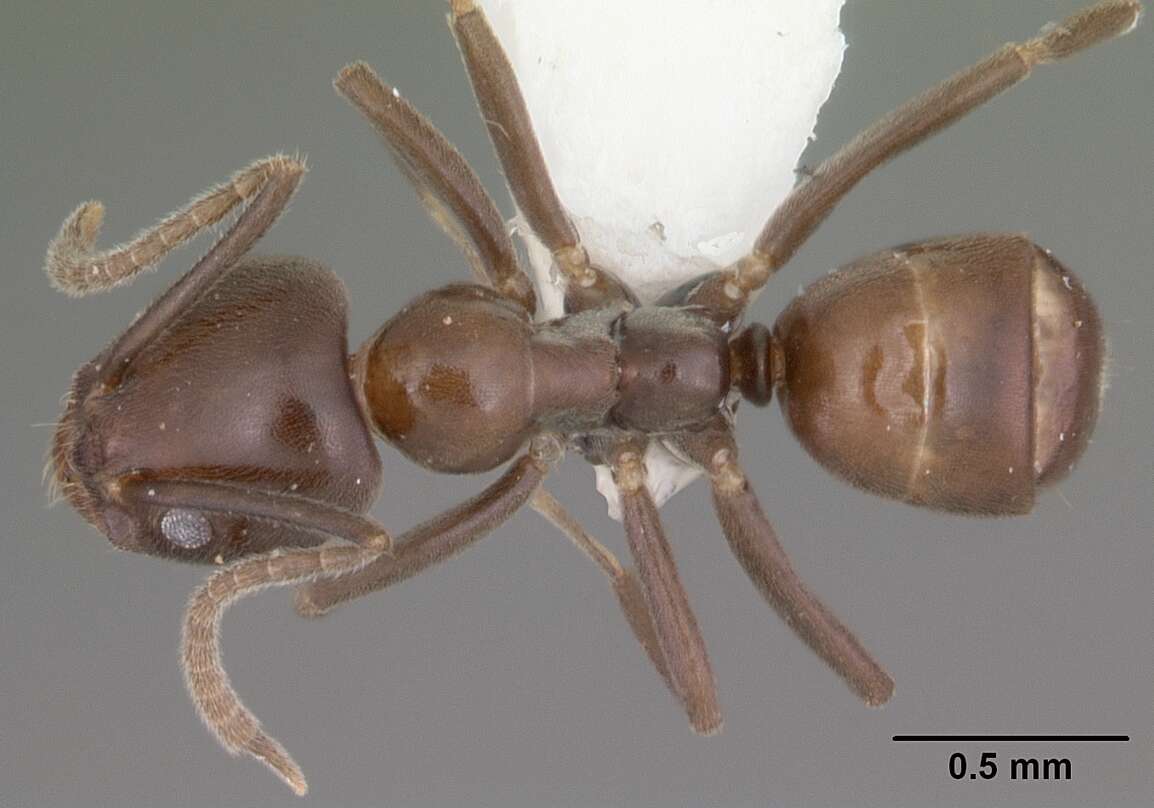
Linepithema
Linepithema is a genus of small ants in the subfamily Dolichoderinae.

Acromyrmex
Acromyrmex is a genus of New World ants of the subfamily Myrmicinae. This genus is found in South America and parts of Central America, Mexico and the Caribbean Islands, and contains 35 known species.
Commonly known as "leafcutter ants" they comprise one of the two genera of advanced attines within the tribe Attini, along with Atta.

Bombus jonellus
species of insect

Tapinoma sessile
species of insect
Myrmecocystus
Myrmecocystus is a North American genus of ants in the subfamily Formicinae. It is one of five genera that includes honeypot ants. Worker ants keep and tend plerergates, which are other ants that store large quantities of nutritious fluid in their abdomens to feed the colony during famine times. Some species engage in highly territorial tournaments, which can result in intraspecific slavery. During the raids, they carry off larvae, workers, and plerergates. The genus has three subgenera, namely Myrmecocystus, Endiodioctes, and Eremnocystus.

Azteca
genus of ants
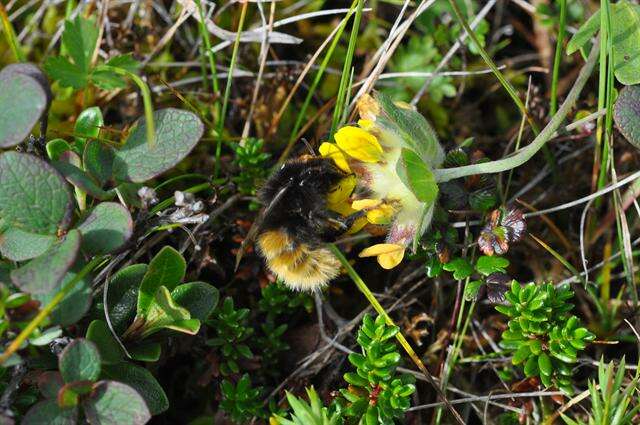
Q1924172
species of insect

Cotesia glomerata
species of insect
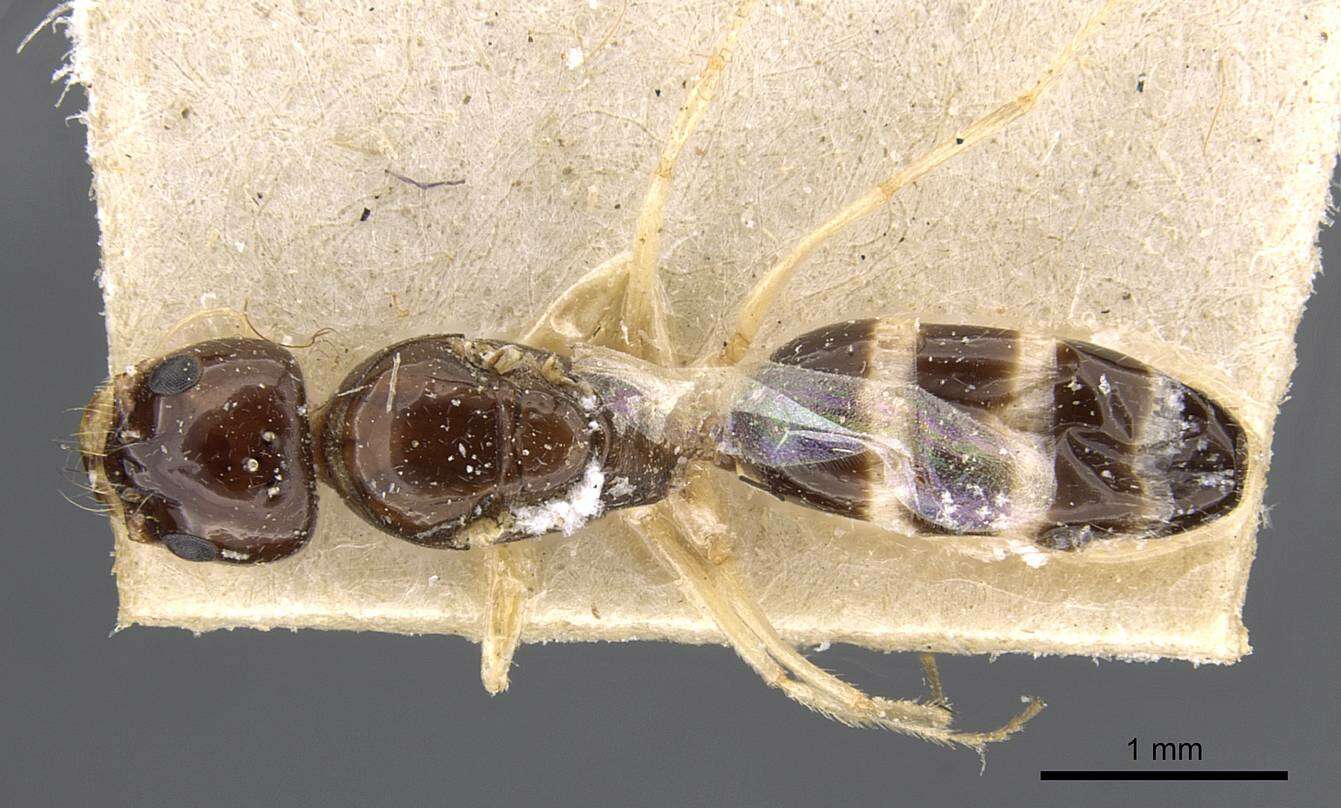
Dorymyrmex
Dorymyrmex (also known as cone ants or pyramid ants) is a genus of ants in the subfamily Dolichoderinae.

Solenopsis molesta
species of insect

Pachycondyla
Pachycondyla is a ponerine genus of ants found in the Neotropics.
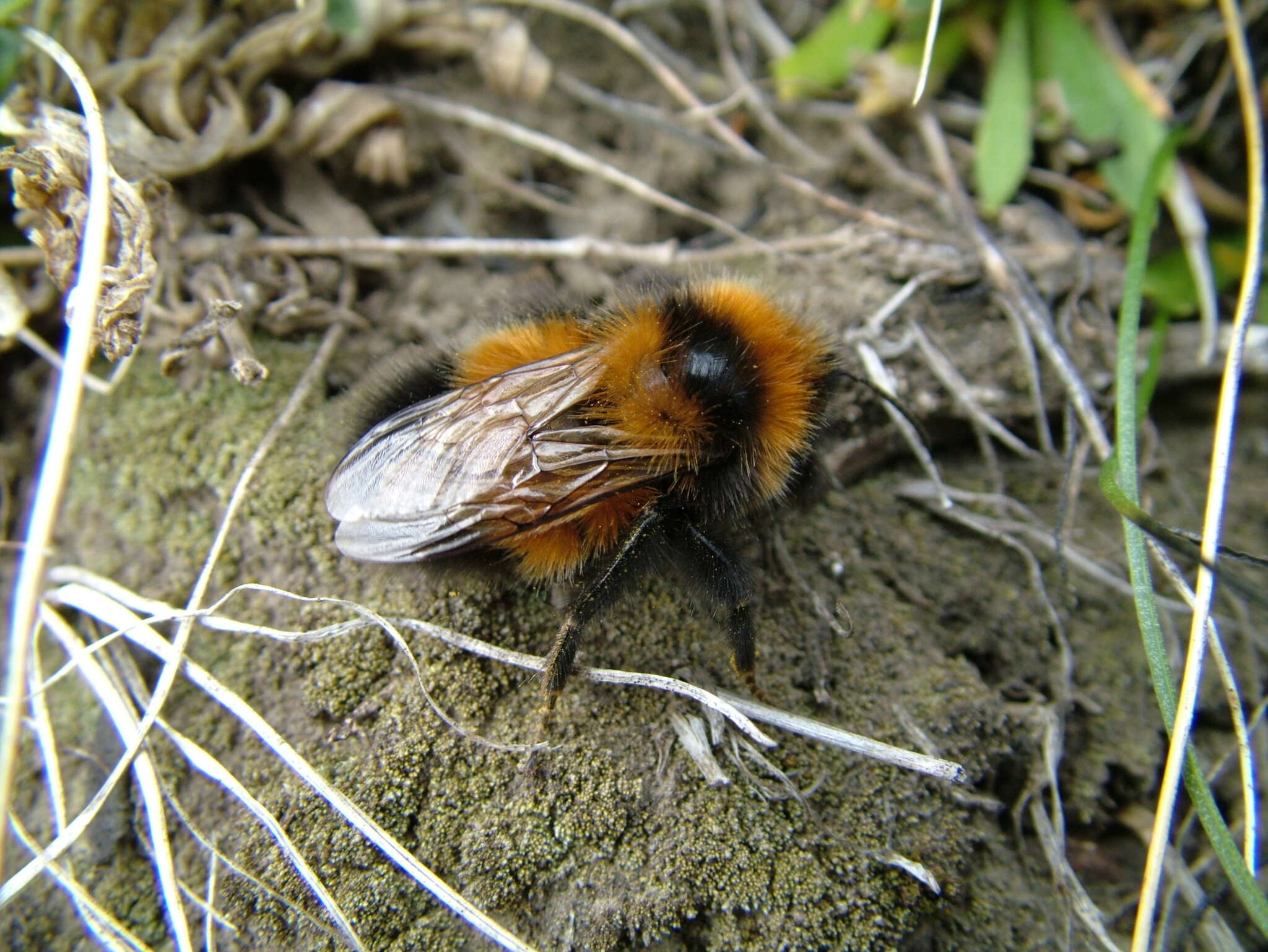
Q1932953
species of insect
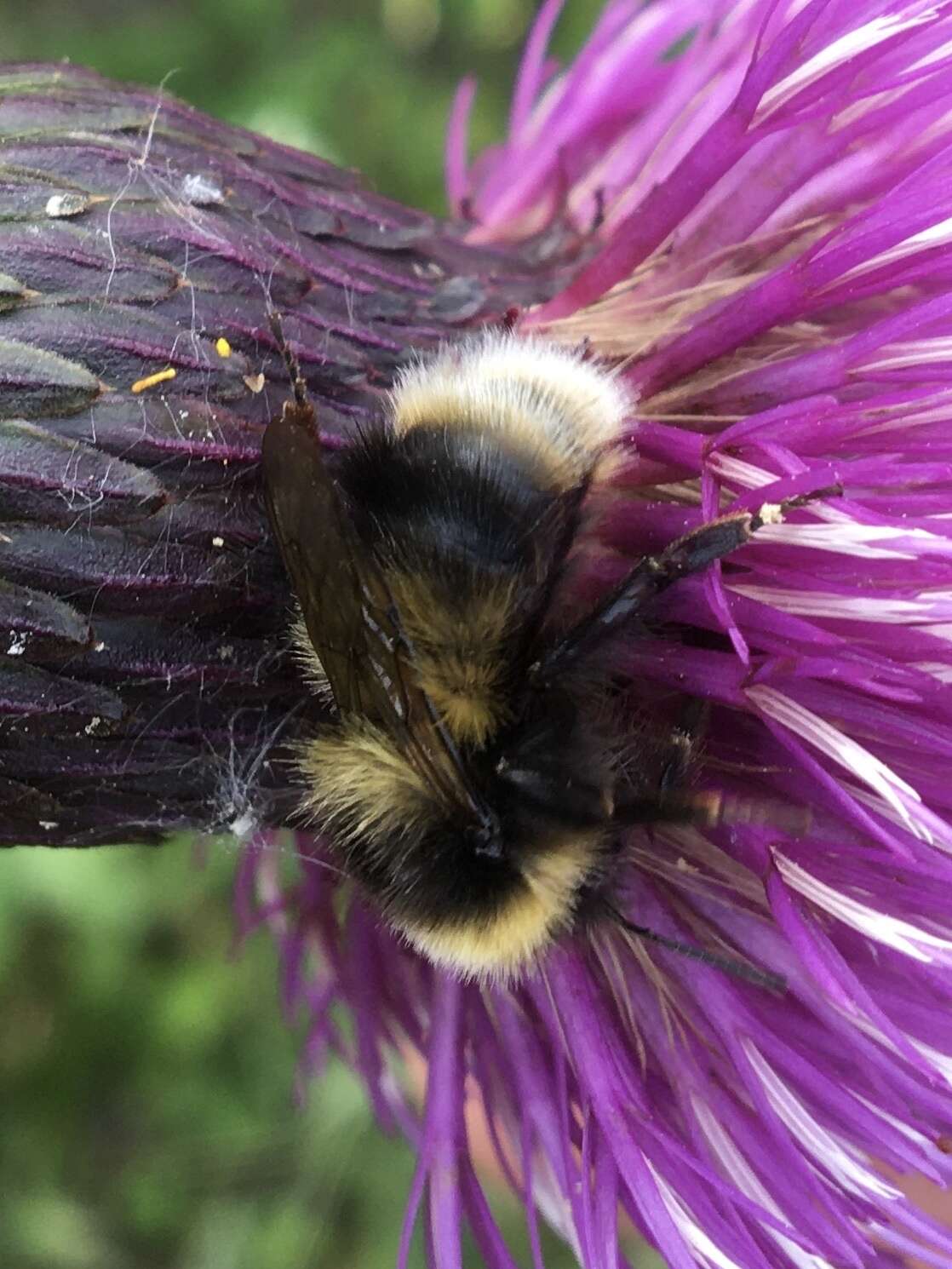
Q2629478
species of insect

Euglossa
Euglossa is a genus of orchid bees (Euglossini). Like all their close relatives, they are native to the Neotropics; an introduced population exists in Florida. They are typically bright metallic blue, green, coppery, or golden.
Red harvester ant
species of ant

Aphelinus mali
species of insect

Ochetellus
Ochetellus is a genus of ants first described by Steve Shattuck in 1992. He placed it in the subfamily Dolichoderinae of the family Formicidae. The ants in this genus are small and black in colour; workers measure in length, the males at around are smaller, and the queens are the largest, reaching . There are seven described species and three described subspecies that mostly live in Australia in a wide variety of habitats, but some species are found in Asia. One species, Ochetellus glaber, has been introduced into New Zealand and the United States.
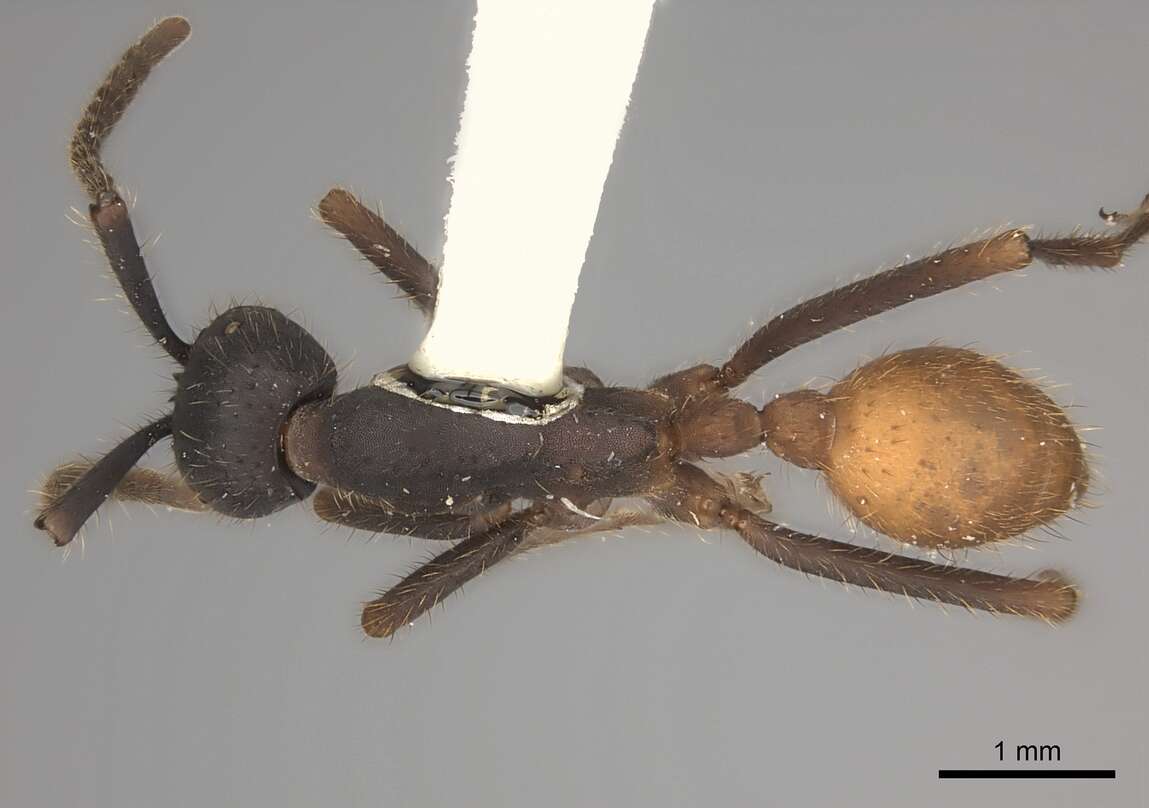
Eciton hamatum
species of insect
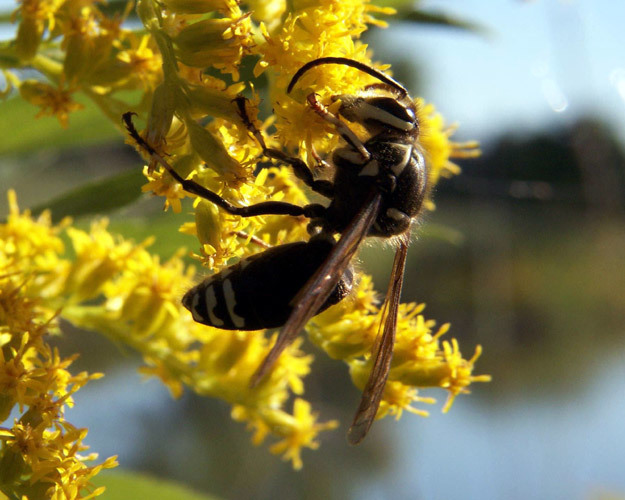
bald-faced hornet
species of insect

Evania appendigaster
species of insect

Forelius
Forelius is a Neotropical genus of ants in the subfamily Dolichoderinae. The genus is known from southern United States to Argentina.

Atta cephalotes
species of insect

Isodontia mexicana
species of insect

Tetragonisca angustula
species of stingless bee
Eastern carpenter bee
species of insect

Hypoponera punctatissima
species of insect
Formicium
Formicium is an extinct collective genus of giant ants in the Formicidae subfamily Formiciinae. The genus currently contains three species, Formicium berryi, Formicium brodiei, and Formicium mirabile. All three species were described from Eocene aged sediments.

Thaumatomyrmex
Thaumatomyrmex is a Neotropical genus of ants in the subfamily Ponerinae, found from Mexico to Brazil. They are notable for their pitchfork-shaped mandibles, which they use to capture millipedes of the order Polyxenida. The genus is a specialist predator of polyxenids, and one of only two ant genera known to prey upon polyxenids.

Megachile centuncularis
species of insect
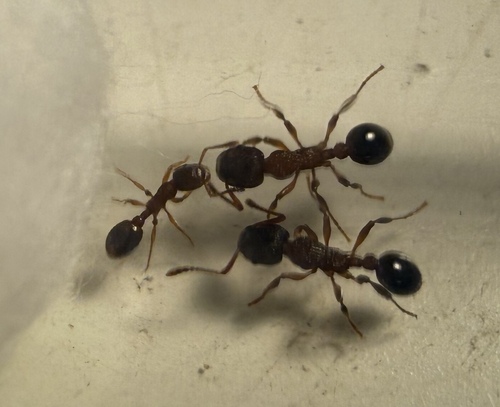
Formicoxenus provancheri
species of insect

Elongate twig ant
species of insect
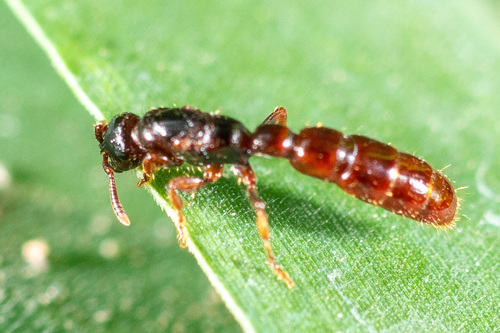
Acanthostichus
Acanthostichus is a predatory and predominantly subterranean genus of ant in the subfamily Dorylinae. They are found in the New World, from the southern United States to Uruguay, Paraguay and northern Argentina. They are probably common, but due to their subterranean nature, they are seldom collected or seen.
Tetramorium atratulum
species of insect

Pseudomyrmex ferruginea
species of insect

Franklin's bumblebee
species of insect
Acromyrmex octospinosus
species of insect

Ectatomma
Ectatomma is a Neotropical genus of ants in the subfamily Ectatomminae. The genus contains 17 described extant species and one extinct species.

Southern fire ant
species of ant

Mycocepurus smithii
species of insect

Megachile campanulae
species of bee in the Megachilidae family
Xenomyrmex
Xenomyrmex is a genus of small ants in the subfamily Myrmicinae. The genus is known from Florida (United States), the West Indies, and from Mexico to at least Panama. They nest in cavities of living or dead plants.
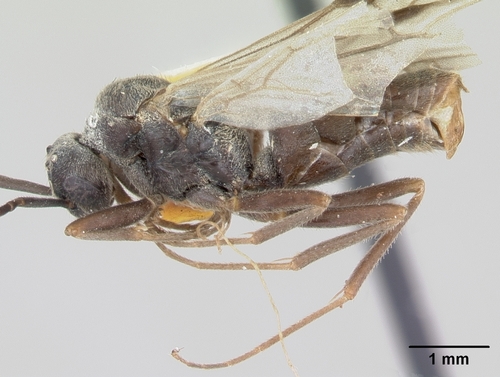
Formica talbotae
species of insect

Atta colombica
species of insect

Texas leafcutter ant
species of insect

Osmia ribifloris
species of insect

Eulaema
alt=Two large black and orange bees hover around a white flower. |thumb|Two Eulaema sp. visiting Spathiphyllum sp. plant.
Eulaema is a genus of large-bodied euglossine bees that occur primarily in the Neotropics. They are robust brown or black bees, hairy or velvety, and often striped with yellow or orange, typically resembling bumblebees. They lack metallic coloration as occurs in the related genus Eufriesea.

Myrmica colax
species of ant

Atta mexicana
species of insect

Leptothorax minutissimus
species of insect