Category
page 1Medical aspects of death

autopsy
An autopsy (also referred to as post-mortem examination, obduction, necropsy, or autopsia cadaverum) is a surgical procedure that consists of a thorough examination of a corpse by dissection to determine the cause, mode, and manner of death; or the exam may be performed to evaluate any disease or injury that may be present for research or educational purposes. The term necropsy is generally used for non-human animals.

apoptotic process
Apoptosis (from ) is a form of programmed cell death that occurs in multicellular organisms and in some eukaryotic, single-celled microorganisms such as yeast. Biochemical events lead to characteristic cell changes (morphology) and death. These changes include blebbing, cell shrinkage, nuclear fragmentation, chromatin condensation, DNA fragmentation, and mRNA decay. The average adult human loses 50 to 70 billion cells each day to apoptosis. For the average human child between 8 and 14 years old, each day the approximate loss is 20 to 30 billion cells.
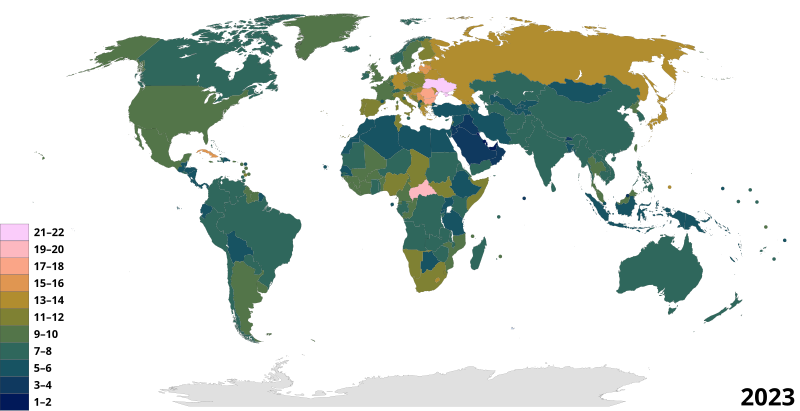
mortality rate
measure of the number of deaths in a population from a given cause, scaled by population, in a set period of time

forensic science
application of science to criminal and civil laws

brain death
permanent, irreversible, total cessation of brain function

stillbirth

morgue
thumb|upright=1.7|A hospital mortuary and Clinical pathology|pathology laboratory in Bath, England
thumb|upright=1.7|Inside view of an abandoned morgue in Deventer, [[Netherlands]]
thumb|upright=1.7|A close-up view of a dead body in the morgue in Charité.
A morgue or mortuary (in a hospital or elsewhere) is a place used for the storage of human corpses awaiting identification (ID), removal for autopsy, respectful burial, entombment or cremation. In modern times, corpses have customarily been refrigerated to delay decomposition.
maternal death
death of a woman while pregnant or within 42 days of termination of pregnancy
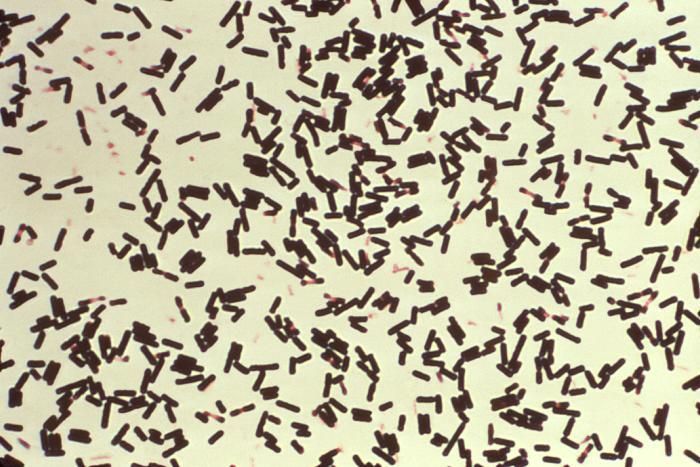
Clostridium perfringens
species of bacteria
clinical death
cessation of blood circulation and breathing

thanatology
right|thumb|350px|Autopsy (1890) by Enrique Simonet

putrefaction
Putrefaction is the fifth stage of death, following pallor mortis, livor mortis, algor mortis, and rigor mortis. This process references the breaking down of a body of an animal post-mortem. In broad terms, it can be viewed as the decomposition of proteins, and the eventual breakdown of the cohesiveness between tissues, and the liquefaction of most organs. This is caused by the decomposition of organic matter by bacterial or fungal digestion, which causes the release of gases that infiltrate the body's tissues, and leads to the deterioration of the tissues and organs.
The approximate time it
asystole
Asystole (from New Latin, from Greek privative a| 'not', 'without' + 'contraction') is the absence of ventricular contractions in the context of a lethal heart arrhythmia, in contrast to an induced asystole on a cooled patient on a heart-lung machine, and general anesthesia during surgery necessitating stopping the heart. Asystole is the most serious form of cardiac arrest and is usually irreversible. Also referred to as cardiac flatline, asystole is the state of total cessation of electrical activity from the heart, which means no tissue contraction from the heart muscle and therefore no bloo
terminal illness
incurable disease unable to be treated that will almost certainly result in the patient's death
perinatal death
deaths of humans during late pregnancy from 22 weeks of gestation or within the first 7 days after birth
cell death
biological processes that result in permanent cessation of all vital functions of a cell
Lazarus syndrome
spontaneous return of a normal cardiac rhythm following failed resuscitation attempts
body donation
gifts of bodies for research and education

micromort
A micromort (from micro- and mortality) is a unit of risk defined as a one-in-a-million chance of death. Micromorts can be used to measure the riskiness of various day-to-day activities. A microprobability is a one-in-a million chance of some event; thus, a micromort is the microprobability of death. The micromort concept was introduced by Ronald A. Howard who pioneered the modern practice of decision analysis.

necroptosis
thumbnail|right|The Necroptosis Signaling Pathway
Necroptosis is a programmed form of necrosis and one of the many modalities of programmed cell death that has been described insofar. Conventionally, necrosis is associated damage caused by traumatic external forces, such as mechanical damage, heat, osmotic pressure and disruption by certain parasites. In contrast to orderly, programmed cell death via apoptosis, necrosis in this sense doesn't involve biological processes happening within the cell. The content of the cell only matters after its death: released into the extracellular environment,
pulseless electrical activity
cardiac arrest with electrical signal but insufficient pumping
terminal lucidity
cognitive phenomenon
end-of-life care
health care of all those with a terminal condition that has become advanced, progressive, and incurable

ferroptosis
Ferroptosis (also known as oxytosis) is a type of programmed cell death dependent on iron and characterized by the accumulation of lipid peroxides. Ferroptosis is biochemically, genetically, and morphologically distinct from other forms of regulated cell death such as apoptosis and necroptosis. Oxytosis/ferroptosis can be initiated by the failure of the glutathione-dependent antioxidant defenses, resulting in unchecked lipid peroxidation and eventual cell death. Lipophilic antioxidants and iron chelators can prevent ferroptotic cell death.

Gompertz–Makeham law of mortality
mathematical equation related to human death rate
dysthanasia
In medicine, dysthanasia occurs when a person who is dying has their biological life extended through technological means without regard to the person's quality of life. The term dysthanasia means "bad death" (from the Greek language: δυσ, dus; "bad", "difficult" + θάνατος, thanatos; "death") and is considered by some to be a common fault of modern medicine. Technologies such as an implantable cardioverter defibrillator, artificial ventilation, ventricular assist devices, and extracorporeal membrane oxygenation can extend the dying process. In some cases, cardiopulmonary resuscitation can be c
postmortem interval
time that has elapsed since a person has died
Biostratinomy
thumb|300px |Conceptual relationships of biostratinomic processes (yellow) with paleoecology and necrology (green) and fossildiagenesis (orange).
Biostratinomy is the study of the processes that take place after an organism dies but before its final burial. It is considered to be a subsection of the science of taphonomy, along with necrology (the study of the death of an organism) and diagenesis (the changes that take place after final burial). These processes are largely destructive, and include physical, chemical and biological effects:
Physical effects non-exhaustively include transport, b
dead on arrival
medical term for a patient found to be already clinically dead upon the arrival of professional medical assistance
near-death studies
field of psychology
corpse decomposition
decomposition of animal corpse
carrion insect
insects associated with decomposing animal remains
stages of death
physiological changes that occur in bodies after death
tissue bank
center for storing organs or tissue for future use
post-mortem chemistry
branch of chemistry for studying of chemical and biochemical phenomena in a cadaver
posthumous sperm retrieval
procedure in which spermatozoa are extracted from a legally dead person