Category
page 1Miocene mammals of Asia
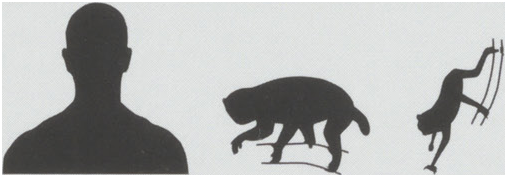
Lorisidae
Lorisidae (or sometimes Loridae) is a family of strepsirrhine primates. The lorisids are all slim arboreal animals and comprise the lorises, pottos, and angwantibos. Lorisids live in tropical, central Africa as well as in south and southeast Asia.
.jpg)
Deinotherium
Deinotherium is an extinct genus of large, elephant-like proboscideans that lived from the Middle Miocene until the end of the Early Pleistocene. Although its appearance is reminiscent of modern elephants, Deinotherium differered considerably from modern elephants in several anatomical details: it possessed a notably more flexible neck, proportionally more slender limbs, tapir-like teeth, as well as tusks which grew down and curved back from the lower jaw (mandible), and lacked tusks growing from the upper jaw. Several species of Deinotherium grew larger than modern elephants, not uncommonly r

Stegodon
Stegodon (from the Ancient Greek στέγω (stégō), meaning "to cover", and ὀδούς (odoús), meaning "tooth", named for the distinctive ridges on the animal's molars) is an extinct genus of proboscidean, related to elephants. It was originally assigned to the family Elephantidae along with modern elephants but is now placed in the extinct family Stegodontidae. Like elephants, Stegodon had teeth with plate-like lophs that are different from those of more primitive proboscideans like gomphotheres and mammutids. Fossils of the genus are known from Africa and across much of Asia, as far southeast as Tim

Gomphotherium
Gomphotherium (; "nail beast" for its double set of straight tusks) is an extinct genus of gomphothere proboscidean from the Neogene of Eurasia, Africa and North America. It is the most diverse genus of gomphothere, with over a dozen valid species. The genus is probably paraphyletic, and ancestral to other gomphothere genera.

Platybelodon
Platybelodon (possibly "shovel tooth") is an extinct genus of amebelodontid proboscidean mammal, distantly related to modern-day elephants. Fossils are known from middle Miocene strata from parts of Asia and the Caucasus. The first specimens of Platybelodon, consisting of a partial skull, a nearly complete lower jaw, and multiple disarticulated remains, were discovered in the Tchokrak beds of north Caucasus, in the summer of 1927. The following year, Russian palaeontologist Alexey Borissiako described them, giving them the name Platybelodon danovi (now the type species of the genus). Several a

Sivatherium
Sivatherium ("Shiva's beast", from Shiva and therium, Latinized form of Ancient Greek θηρίον - thēríon) is an extinct genus of giraffid that ranged throughout Africa and Eurasia. The species Sivatherium giganteum is, by weight, one of the largest giraffids known, and also one of the largest ruminants of all time. Sivatherium originated during the Late Miocene (around 7 million years ago) in Africa and survived through to the late Early Pleistocene (Calabrian) until around 1 million years ago.

Aceratherium
Aceratherium, from Ancient Greek ἀ- (á-), meaning "-less", κέρας (kéras), meaning "horn", and θηρίον (theríon), meaning "beast", is an extinct genus of rhinocerotid of the subfamily Aceratheriinae that lived in Eurasia during the Miocene.

Amphicyon
Amphicyon is an extinct genus of large carnivorans belonging to the family Amphicyonidae (known colloquially as "bear-dogs"), subfamily Amphicyoninae, from the Miocene epoch. Members of this family received their vernacular name for possessing bear-like and dog-like features. They ranged over North America, Eurasia, and Africa.

Ancylotherium
Ancylotherium (from Greek, meaning "hooked beast") is an extinct genus of the family Chalicotheriidae, subfamily Schizotheriinae, endemic to Europe, Asia, and Africa during the Late Miocene-Early Pleistocene (11.6—1.8 mya), existing for approximately .

Sinotherium
Sinotherium ("Chinese Beast") is an extinct genus of single-horned elasmotheriine rhinocerotids that lived from the late Miocene (Tortonian - Messinian) to Early Pliocene. It was ancestral to Elasmotherium, demonstrating a very important evolutionary transition from nasal-horned elasmotheriines to frontal-horned elasmotheriines. Its fossils have been found in the Karabulak Formation of Kazakhstan, lower jaw and teeth have been found in Mongolia, and a partial skull is known from the upper part of the Liushu Formation of western China.
Sinotherium diverged from the ancestral genus, Iranotherium

Anancus
Anancus is an extinct genus of "tetralophodont gomphothere" native to Afro-Eurasia, that lived from the Tortonian stage of the late Miocene until its extinction during the Early Pleistocene, roughly from 8.5–2 million years ago.

Lufengpithecus
Lufengpithecus (from Lufeng County, and Ancient Greek πίθηκος (píthēkos), meaning "ape, monkey") is an extinct genus of ape, known from the Late Miocene of East Asia. It is known from thousands of dental remains and a few skulls and probably weighed about . It contains three species: L. lufengensis, L. hudienensis and L. keiyuanensis. Lufengpithecus lufengensis is from the Late Miocene found in China, named after the Lufeng site and dated around 6.2 Ma. Lufengpithecus is either thought to be the sister group to Ponginae, or the sister to the clade containing Ponginae and Homininae.
Khoratpithecus
Khoratpithecus is an extinct genus of pongin primates that lived during the Late Miocene (7–9 million years ago) in Myanmar and Thailand.
Giraffokeryx
Giraffokeryx is an extinct genus of medium-sized giraffids known from the Miocene of the Indian subcontinent and Eurasia. It is distinguished from other giraffids by the four ossicones on its head; one pair in front of the eyes on the anterior aspect of the frontal bone and the other behind the eyes in the frontoparietal region overhanging the temporal fossae. It has a brachydont dentition like in other giraffids and its legs and feet are of medium length.
Giraffokeryx is considered monotypic by most authors, in the form of G. punjabiensis, but other species have been assigned to the genus:
G

Palaeotragus
Palaeotragus ("ancient goat") is a genus of very large, primitive, okapi-like giraffids from the Miocene to Early Pleistocene of Africa and Eurasia.

Ictitherium
Ictitherium (meaning "weasel beast") is an extinct genus belonging to the family Hyaenidae and the subfamily Ictitheriinae erected by Trouessart in 1897. Ictitherium lived throughout Eurasia during the Late Miocene.

Ursavus
Ursavus is an extinct genus of bear that existed in North America, Europe, and Asia during the Miocene period, about 23–5.3 million years ago (Mya), existing for roughly . The genus apparently dispersed from Asia into North America about 20 Mya, becoming the earliest member of the subfamily Ursinae in the New World. Qiu points out that if a questionable 29 million-year-old specimen of Ursavus reported in North America is validated, Ursavus may have evolved in North America and dispersed westward into Asia. The higher number of fossils in Europe grading toward eastern Asia make t

Ailurarctos
thumb|Ailurarctos left radial sesamoid fossil.
%20Anchitherium%20aurelianense%20-%20Mandibule%20compl%C3%A8te%20(Cuvier%2C%201825).jpg)
Anchitherium
Anchitherium (meaning near beast) is a genus of extinct equid with a three-toed hoof.
thumb|left|Mandibles
Anchitherium was a browsing (leaf eating) horse that originated in the early Miocene of North America, being found as far south as Panama, and subsequently dispersed to Europe and Asia, where it gave rise to the larger bodied genus Sinohippus. It was around high at the shoulder, and probably represented a side-branch of horse evolution that left no modern descendants.

Bramatherium
Bramatherium (Brahma’s beast) is an extinct genus of giraffids that ranged from India to Turkey in Asia. It is closely related to the larger Sivatherium.
Bohlinia
Bohlinia is an extinct genus of the artiodactyl family Giraffidae that lived during the Late Miocene in Eurasia and Africa. It was first named by the paleontologist Dr. W. Matthew in 1929, and contains two species, B. adoumi and B. attica. The species B. attica has been reclassified several times since its description, being first named Camelopardalis attica and then reclassified as Giraffa attica.

Indarctos
Indarctos is an extinct genus of bear, present in Africa, North America, and Eurasia during the Miocene. It was present from ~11.1 to 5.3 Ma, existing for approximately .

Shansitherium
Schansitherium ("beast of Shanxi") is an extinct genus of superficially moose-like or antelope-like giraffids from the late Miocene epoch of Shanxi Province, China. They are closely related to the genus Samotherium.
Dissopsalis
Dissopsalis ('double scissors') is an extinct genus of hyaenodonts from extinct tribe Dissopsalini within family Teratodontidae. The older species, D. pyroclasticus, lived in Kenya during the middle Miocene (15.0 to 9.0 Ma), while the type species, D. carnifex, lived in Pakistan and India during the early to late Miocene (17 to 10.0 Ma). Dissopsalis was the last known hyaenodont genus.
Paleoparadoxia
Paleoparadoxia ("ancient paradox") is a genus of large, herbivorous aquatic mammals that inhabited the northern Pacific coastal region during the Miocene epoch (). It ranged from the waters of Japan (Tsuyama and Yanagawa), to Alaska in the north, and down to Baja California, Mexico.

Brygmophyseter shigensis
Brygmophyseter, known as the biting sperm whale, is an extinct genus of toothed whale in the sperm whale family with one species, B. shigensis. When it was first described in 1994, the species was placed in the genus Scaldicetus based on tooth morphology, but this was later revised in 2006. A month later since the naming of Brygmophyseter, another study classified this species into the genus Naganocetus, which is considered to be a junior synonym. The only known specimen, a nearly complete skeleton, was dated to be around 16–15 million years old (middle Miocene). The Brygmophyseter holotype is

Tetralophodon
Tetralophodon (from Ancient Greek τετρα- (tetra-), meaning "four", λόφος (lóphos), meaning "ridge", and ὀδούς (odoús), meaning "tooth") is an extinct genus of "tetralophodont gomphothere" belonging to the superfamily Elephantoidea, known from the Miocene of Afro-Eurasia. It has been posited to be the ultimate ancestor of Elephantidae.

Desmostylus
Desmostylus is an extinct genus of herbivorous mammal of the family Desmostylidae living from the Chattian stage of the Late Oligocene subepoch through the Late Miocene subepoch (28.4 mya–7.250 Mya) and in existence for approximately .

Zygolophodon
Zygolophodon is an extinct genus of mammutid proboscidean that lived during the Miocene in Africa, Eurasia, and North America. It is suggested to be ancestral to Mammut, the genus containing the American mastodons.
Hemicyon
Hemicyon, also known as the "dog-bear" (literally "half dog", from Greek (half) + (dog)), is an extinct genus of hemicyonine bear, which probably originated in Eurasia but was found in Europe, Asia and North America during the Miocene epoch (), existing for approximately . Hemicyon is the best-known genus in the Hemicyoninae, a subfamily intermediate between bears and their Caniform ancestors but most often classified as bears. Hemicyonid bears should not be confused with Amphicyonids (bear-dogs), which are their own separate family of carnivores.
Prolibytherium
Prolibytherium is an extinct genus of prolibytheriid artiodactyl ungulate native to Middle Miocene North Africa and Pakistan, from around 16.9 to 15.97 million years ago. Fossils of Prolibytherium were found in the Marada Formation of Libya, Vihowa Formation of Pakistan, and the Moghara Formation of Egypt.

Prodeinotherium
Prodeinotherium is an extinct representative of the family Deinotheriidae that lived in Africa, Europe, and Asia in the early and middle Miocene. Prodeinotherium, meaning "before terrible beast", was first named in 1930, but soon after, the only species in it, P. hungaricum, was reassigned to Deinotherium. During the 1970s, however, the two genera were once again separated, with Prodeinotherium diagnosed to include Deinotherium bavaricum (=P. hungaricum), Deinotherium hobleyi, and Deinotherium pentapotamiae, which were separated based on geographic location. The three species are from Europe,
Helladotherium
Helladotherium is an extinct genus of sivatheriine giraffid which inhabited Europe, Africa, and Asia during the Miocene. The most complete skeleton is that of a female, based on a comparison with an intact female Sivatherium giganteum skull.

Amphimachairodus
Amphimachairodus (from Ancient Greek ἀμφί (amphí), meaning "both", μάχαιρα (mákhaira), a type of ancient sword, and ὀδούς (odoús), meaning "tooth") is an extinct genus of homotherin machairodontine felids. It inhabited Eurasia, North America, and possibly Africa during the Late Miocene to Early Pliocene epoch. It was probably descended from Machairodus, and in turn ancestral to later homotheriins like Homotherium.

Kentriodon
Kentriodon is an extinct genus of toothed whale related to modern-day dolphins. Fossils have been found in North America, Europe and Japan. Several species have been described.

Adcrocuta
left|thumb|A. eximia skull, National Natural History Museum of China
Adcrocuta is an extinct genus of large hyena that lived in Africa and Eurasia during the Miocene epoch.
%20fig.%207.png)
Hyainailouros
Hyainailouros ("hyena-cat") is an extinct polyphyletic genus of hyaenodont belonging to the family Hyainailouridae that lived during the Early to Late Miocene from 20.0 to 11.4 million years ago, making it one of the last known hyaenodonts. This genus comprises at least three species spread across Afro-Eurasia. Currently, there’s a debate whether or not Megistotherium was synonymous to Hyainailouros or a separate genus entirely. The genus currently consists of at least 3 species, H. bugtiensis, H. sulzeri, and H. napakensis. H. sulzeri was the type species of and the largest species within the
Percrocuta
Percrocuta is an extinct genus of percrocutid hyena. It lived in Eurasia and Africa, during the Miocene epoch.

Iranotherium
Iranotherium ("Beast of Iran") is an extinct genus of large elasmotheriine rhinocerotids, comparable in size to a modern white rhino. It is known from the Late Miocene (Tortonian) of Maragha, Iran and the middle part of the Liushu formation of northwestern China. It was a precursor to the related Sinotherium and may have been ultimately outcompeted by its descendant.
This species is most well known for showing unique sexual dimorphism among rhinos.

Kubanochoerus
Kubanochoerus is an extinct genus of large, long-legged suid artiodactyl mammal from the Miocene of Eurasia and Africa.
.jpg)
Protapirus
Protapirus (Latin: "before" (pro), + Brazilian Indian: "tapir" (tapira)) is an extinct genus of tapir known from the Oligocene and Miocene of North America and Eurasia.

Brachypotherium
Brachypotherium is an extinct genus of rhinocerotid that lived in Eurasia and Africa during the Miocene.

Honanotherium
Honanotherium is a genus of extinct giraffid from the late Miocene of Henan Province, China, and East Azerbaijan Province, northwestern Iran. It was closely related to Bohlinia and was once thought to be ancestral to the modern giraffe (genus Giraffa). The living animal would have resembled a modern giraffe, but was somewhat shorter, with more massive ossicones.

Archaeopotamus
thumb | right | Archaeopotamus
Archaeopotamus is an extinct genus of Hippopotamidae that lived between 7.5 and 2.58 million years ago in Africa and the Middle East. The genus was described in 2005 to encompass species of hippos that were previously grouped in Hexaprotodon.

Enhydriodon
Enhydriodon is an extinct genus of otters known from Africa and South Asia that lived from the late Miocene to the early Pleistocene. It contains nine confirmed species, two debated species, and at least a few other undescribed species from Africa. The genus name means "otter tooth" in Ancient Greek and is a reference to its dentition rather than to the Enhydra genus, which includes the modern sea otter and its two prehistoric relatives. Enhydriodon belongs to the tribe Enhydriodontini (which also contains Sivaonyx and Vishnuonyx) in the otter subfamily Lutrinae.
Acerorhinus
Acerorhinus, from Ancient Greek ἀ- (á-), meaning "-less", κέρας (kéras), meaning "horn", and ῥίς (rhís), meaning "nose", is an extinct genus of rhinocerotid of the subfamily Aceratheriinae endemic to Asia from the Miocene, living from 13.6 to 7.0 mya existing for approximately .
Pliohyrax
Pliohyrax, is a genus of hyracoids (the cavy-like group of animals most closely related to elephants and manatees). It grew to sizes greatly exceeding those of any living hyrax, though it was by no means the largest member of this family.
Albanosmilus
Albanosmilus is an extinct genus of the subfamily Barbourofelinae, part of the family of feliforms known as Nimravidae. The genus currently consists of two named species: Albanosmilus jourdani and Albanosmilus whitfordi. Albanosmilus lived in Eurasia and North America from the Middle to Late Miocene from 12 to 7 mya, making it one of the last nimravids. By the late Middle Miocene, A. jourdani replaced Sansanosmilus in Europe, additionally the genus may have been ancestral to Barbourofelis.
Hispanotherium
Hispanotherium is an extinct genus of rhinocerotid of the tribe Elasmotheriini endemic to Europe and Asia during the Miocene living from 16 to 7.25 mya existing for approximately .
Listriodon
Listriodon is an extinct genus of pig-like animals that lived in Eurasia during the Miocene.
Dorcatherium
Dorcatherium is an extinct genus of tragulid ruminant which existed in Europe, East Africa, and the Siwaliks during the Miocene and possibly Pliocene.
Prosantorhinus
Prosantorhinus is an extinct genus of rhinocerotid that lived during the Early and Middle Miocene subepochs. The small rhinocerotid was found in Western Europe and Asia.
Ballusia
Ballusia was genus of small bear from the Early Miocene epoch, about 20.5-18 million years ago. Fossil remains attributed to the genus have been uncovered in Europe (Poland) and Asia (Russia, Mongolia, China). The genus Ballusia was established in 1998 on the basis of different fossils originally classified as various species of the genera Ursavus and Hemicyon, with B. elmensis as the type species.
The exact relationship of Ballusia to "true" bears (subfamily Ursinae, which include modern bears) are not yet fully understood: many palaeontologists have classified it as a primitive member of Urs
Chleuastochoerus
left|thumb|Skull, Hong Kong Science Museum
Chleuastochoerus is an extinct genus in the pig family that lived in the Miocene and Pliocene in Russia and Eastern Asia.
Aglaocetus
Aglaocetus is a genus of extinct baleen whales known from the Miocene of Patagonia, the US Eastern Seaboard, Japan and the Low Countries. It was once considered a member of Cetotheriidae along with many other putative cetotheres, but was recently recognized as representing a distinct family from true Cetotheriidae.
Aulophyseter
Aulophyseter is an extinct genus of sperm whales from the subfamily Physeterinae that existed during the Miocene.
Thalassoleon
Thalassoleon ("sea lion", from Greek: thalassa, the sea; and leon, lion) is an extinct genus of large fur seal. Thalassoleon inhabited the Northern Pacific Ocean in latest Miocene and early Pliocene. Fossils of T. mexicanus are known from Baja California and southern California. T. macnallyae is known from central California, and T. inouei (which may be a synonym of T. macnallyae) is known from Japan. Thalassoleon could be the ancestor of the modern northern fur seal.
alt=Artist's Reconstruction of the extinct otariid Thalassoleon mexicanus|thumb|Artist's Reconstruction of Thalassoleon mexican
Amphechinus
Amphechinus is an extinct genus of hedgehog of the family Erinaceidae, which lived in Asia and Europe during the Oligocene and in North America, Africa, Asia and Europe during the Miocene. The genus contains at least 14 species. It is classified in the subfamily Erinaceinae and in the family Erinaceidae.
Hypolagus
Hypolagus is an extinct genus of lagomorph, first recorded in the Hemingfordian (early to middle Miocene) of North America. It entered Asia during the early Turolian and spread to Europe not much later, where it survived until the Middle Pleistocene. Though unknown in the Iberian Peninsula, fossils of this genus have been found in the Balearic Islands, suggesting an eastern migration during the dry period in the Mediterranean region known as the Messinian Salinity Crisis.
Sthenictis
Sthenictis is an extinct genus in the weasel family (mustelids) endemic to North America and Asia during the Miocene epoch living from ~15.97—5.33 Ma (AEO) existing for approximately .