Category
page 1Moths of North America

Bombyx mori
insect from the moth family
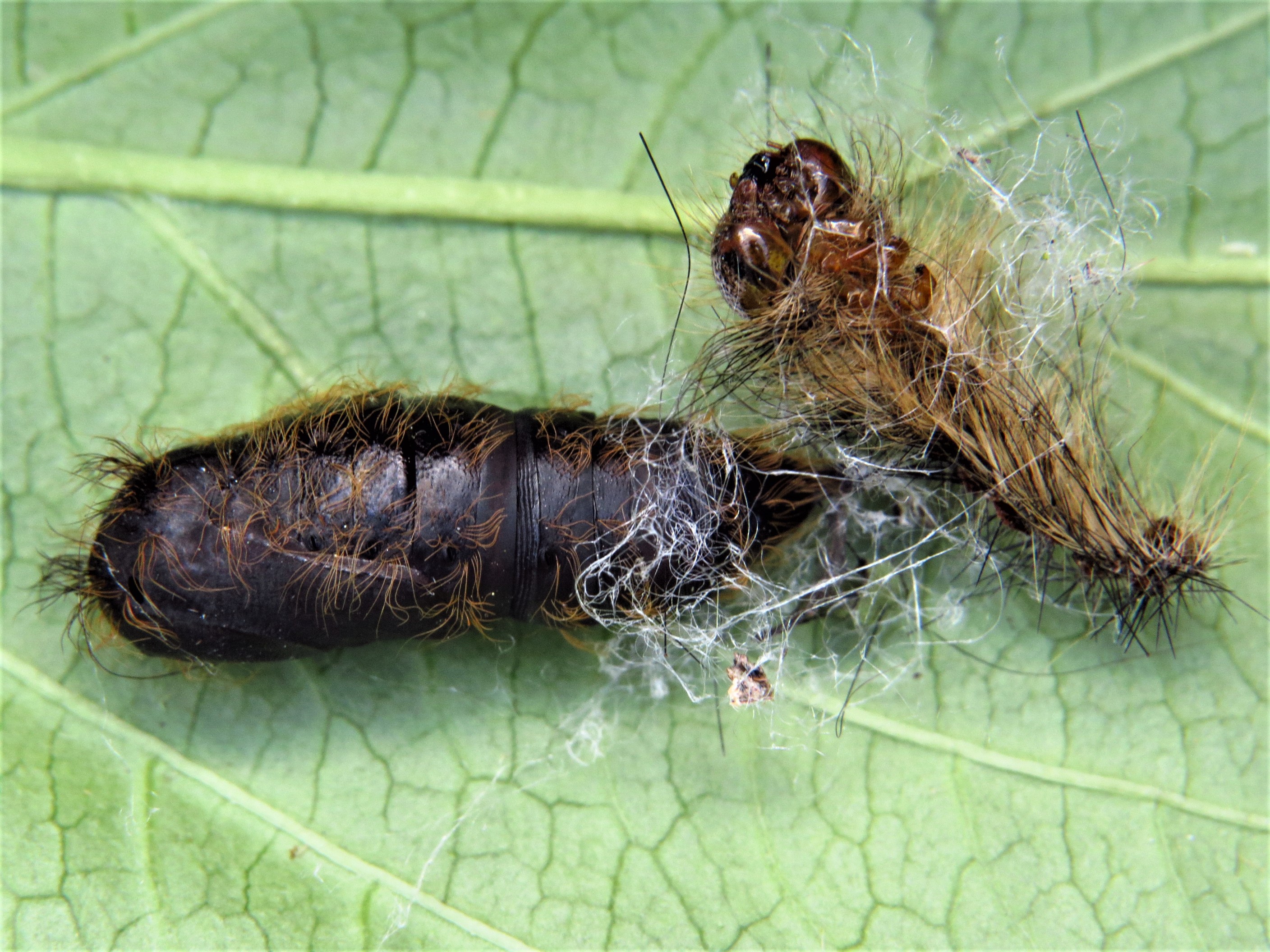
Lymantria dispar
species of insect

Peppered moth
species of insect
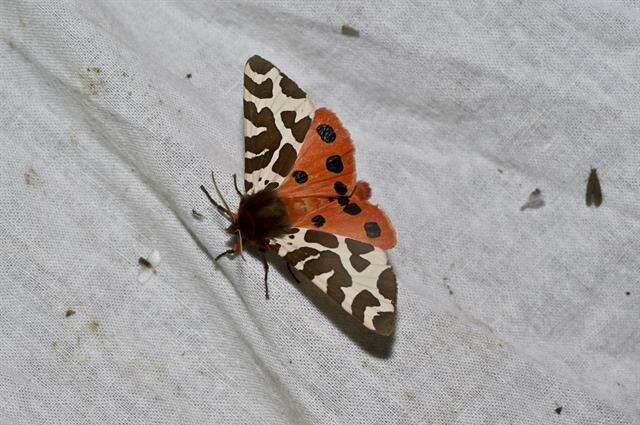
Arctia caja
species of moth
Neopalpa donaldtrumpi
species of moth
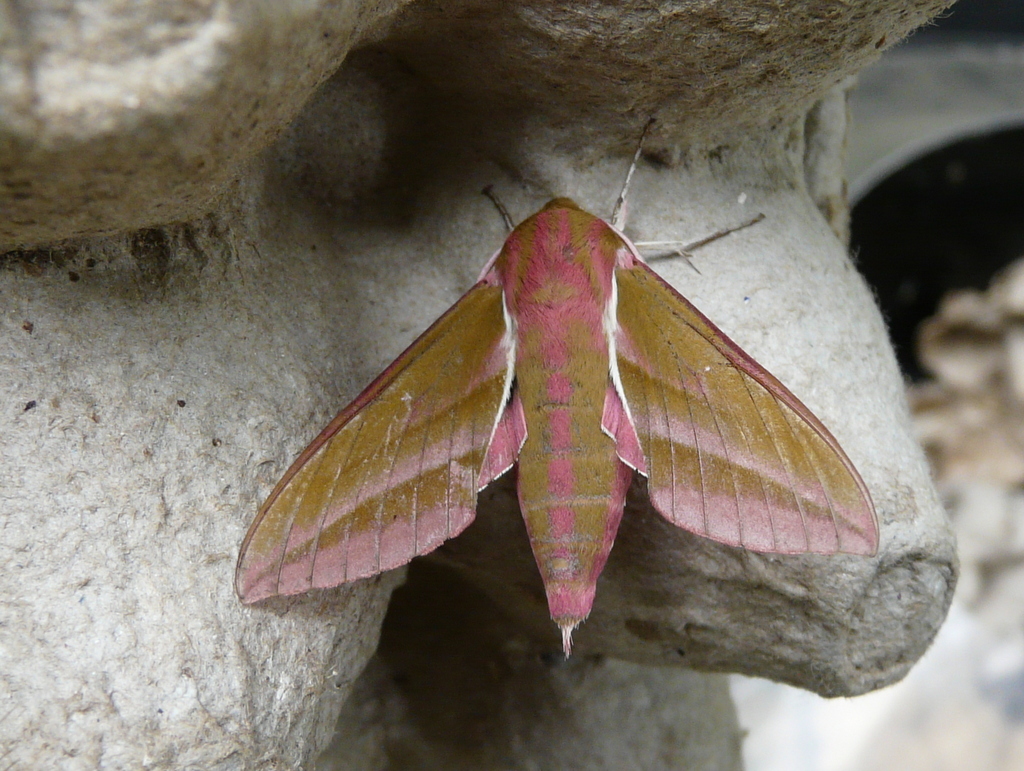
Deilephila elpenor
species of moth

Fall webworm
species of insect

Arctiinae
The Arctiinae (formerly called the family Arctiidae) are a large and diverse subfamily of moths with around 11,000 species found all over the world, including 6,000 neotropical species. This subfamily includes the groups commonly known as tiger moths (or tigers), which usually have bright colours, footmen, which are usually much drabber, lichen moths, and wasp moths. Many species have "hairy" caterpillars that are popularly known as woolly bears or woolly worms. The scientific name Arctiinae refers to this hairiness (Gk. αρκτος = a bear). Some species within the Arctiinae have the word "tussoc
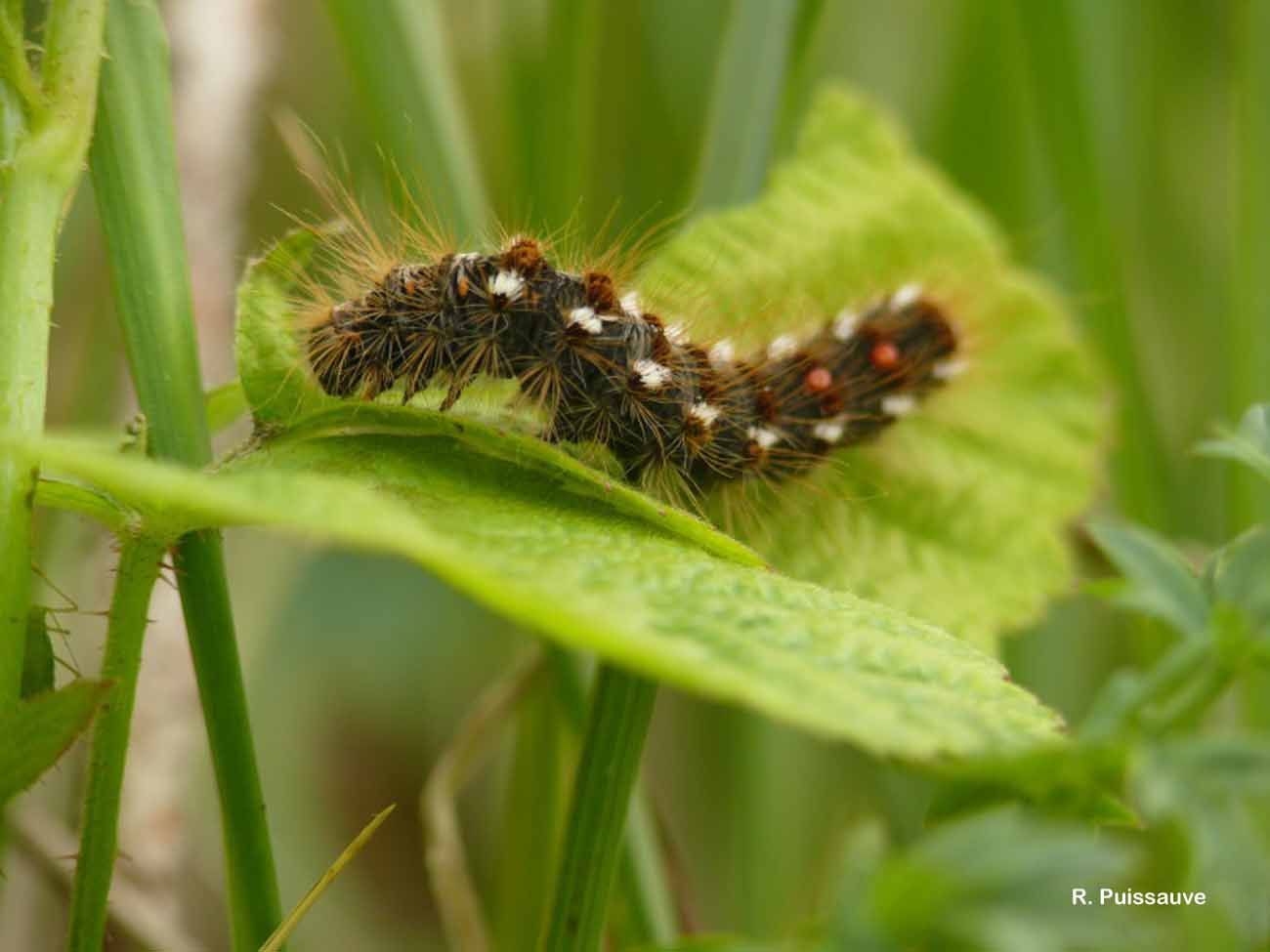
Brown-tail
species of insect

Orgyia antiqua
species of moth
Actias luna
species of insect

Samia cynthia
species of insect

Ostrinia nubilalis
species of insect
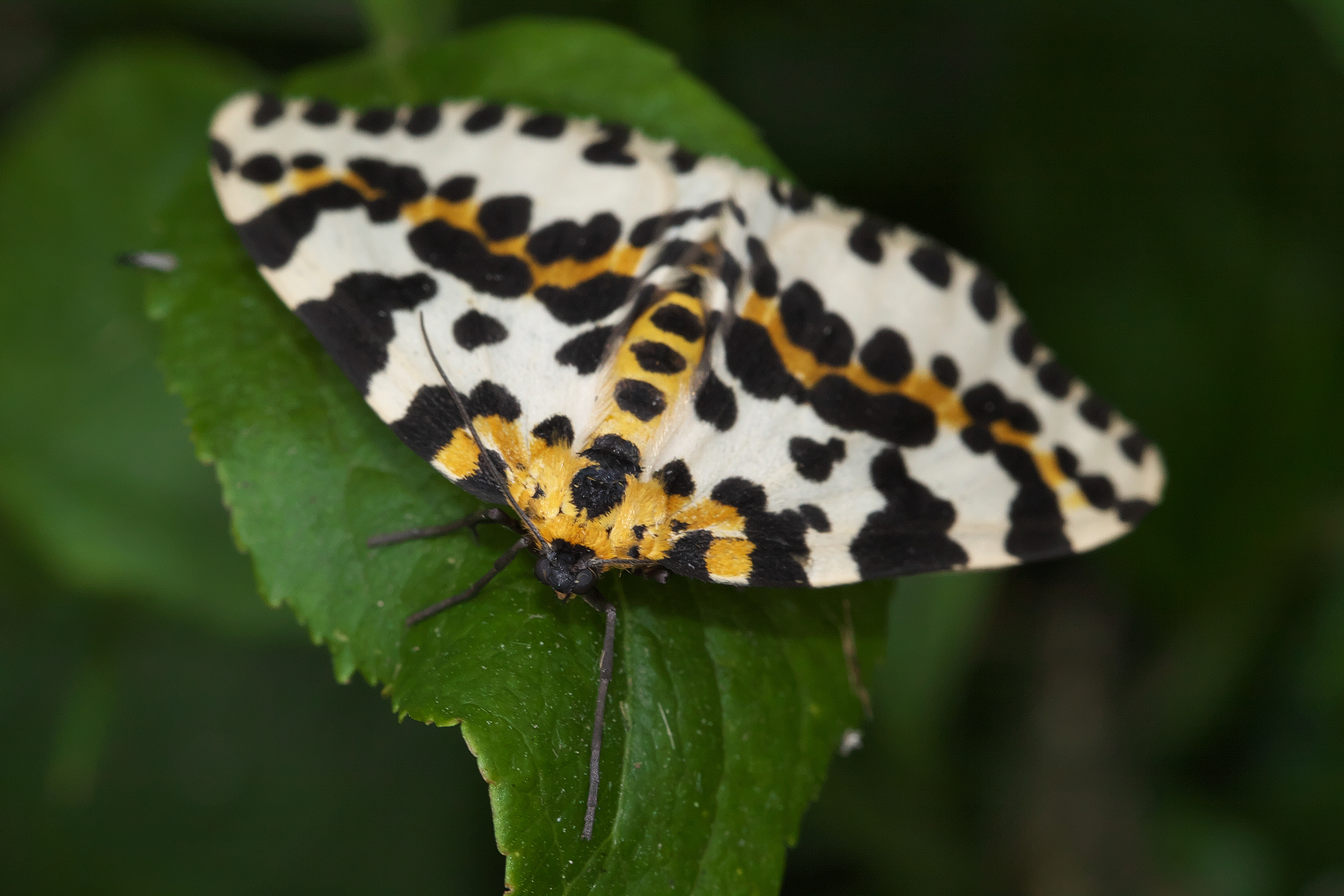
Abraxas grossulariata
species of insect
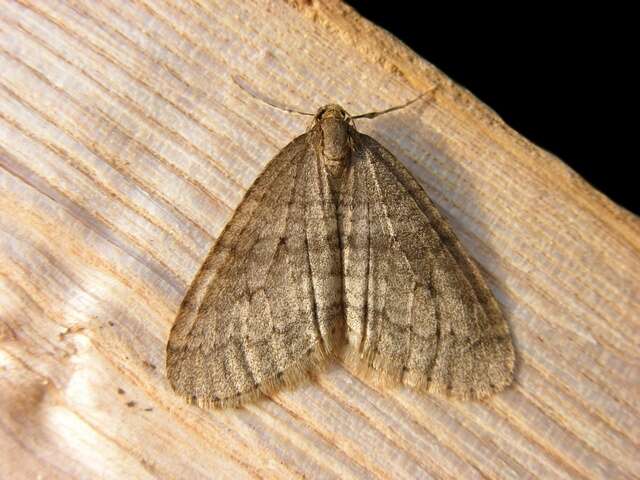
Winter Moth
species of insect

Hyles euphorbiae
species of moth
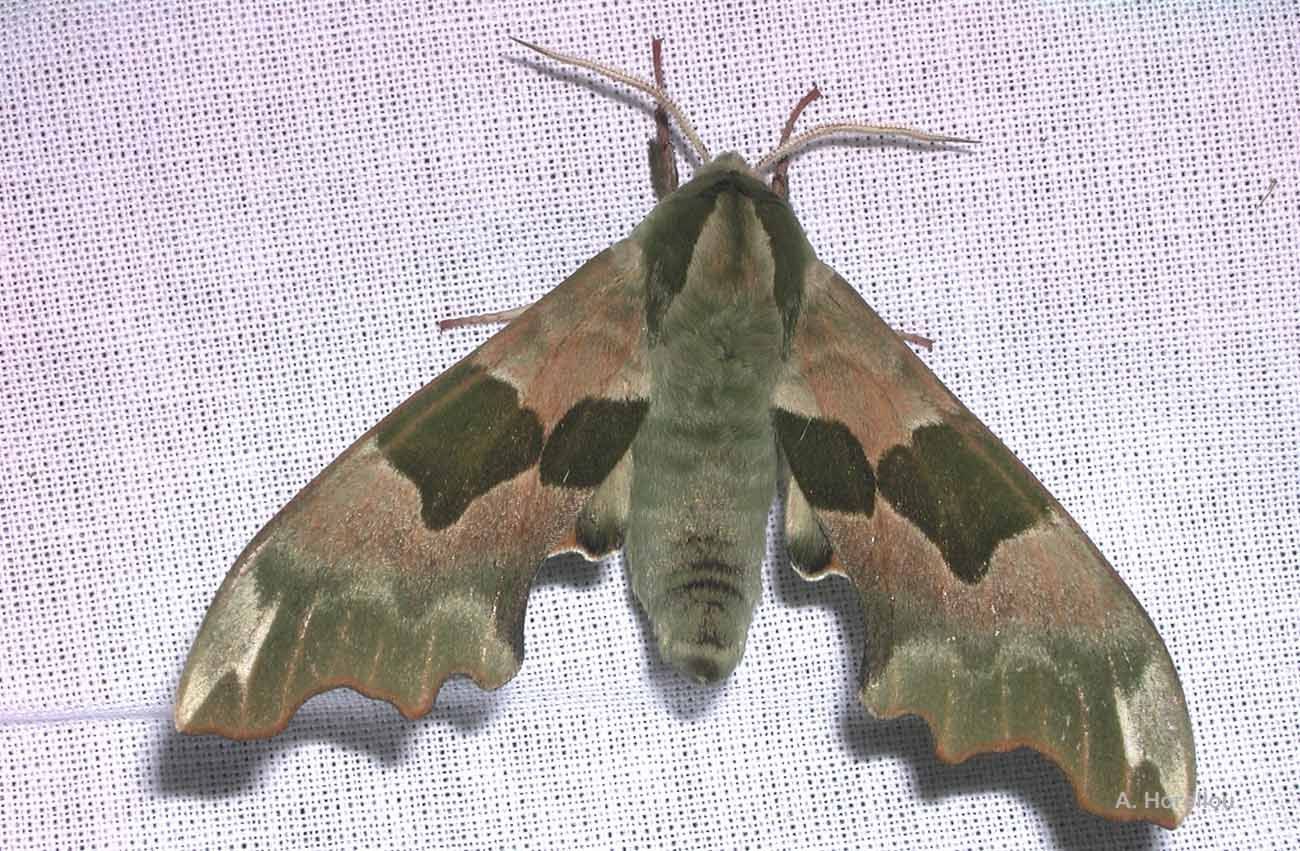
Mimas tiliae
species of insect

Manduca sexta
species of moth of the family Sphingidae present through much of the American continent

Noctua pronuba
species of moths
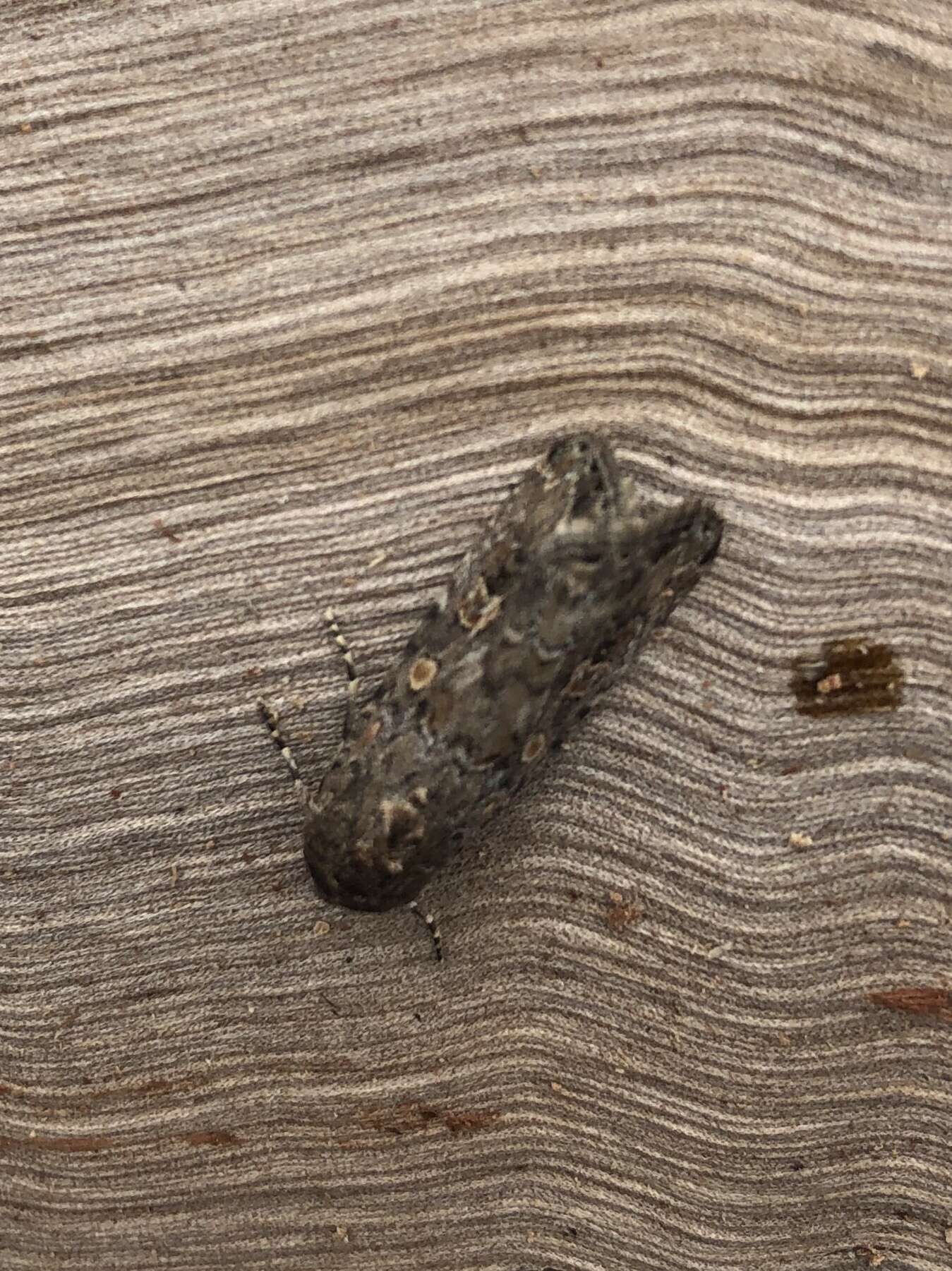
beet armyworm
species of moth

Sphinx pinastri
species of insect
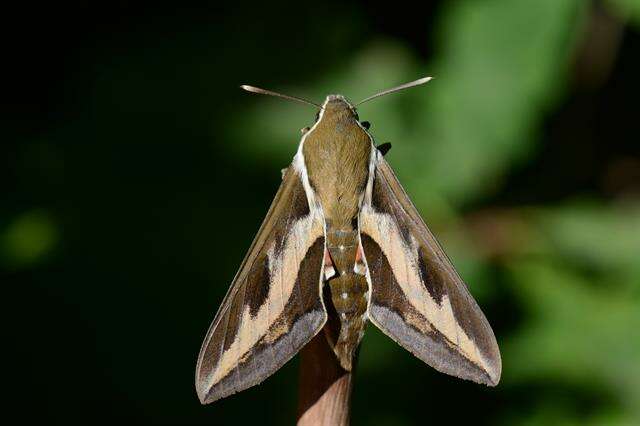
Hyles gallii
species of moth

Leucoma salicis
species of moth

Dryocampa rubicunda
species of insect

Hyles lineata
species of insect

Setaceous Hebrew character
species of insect
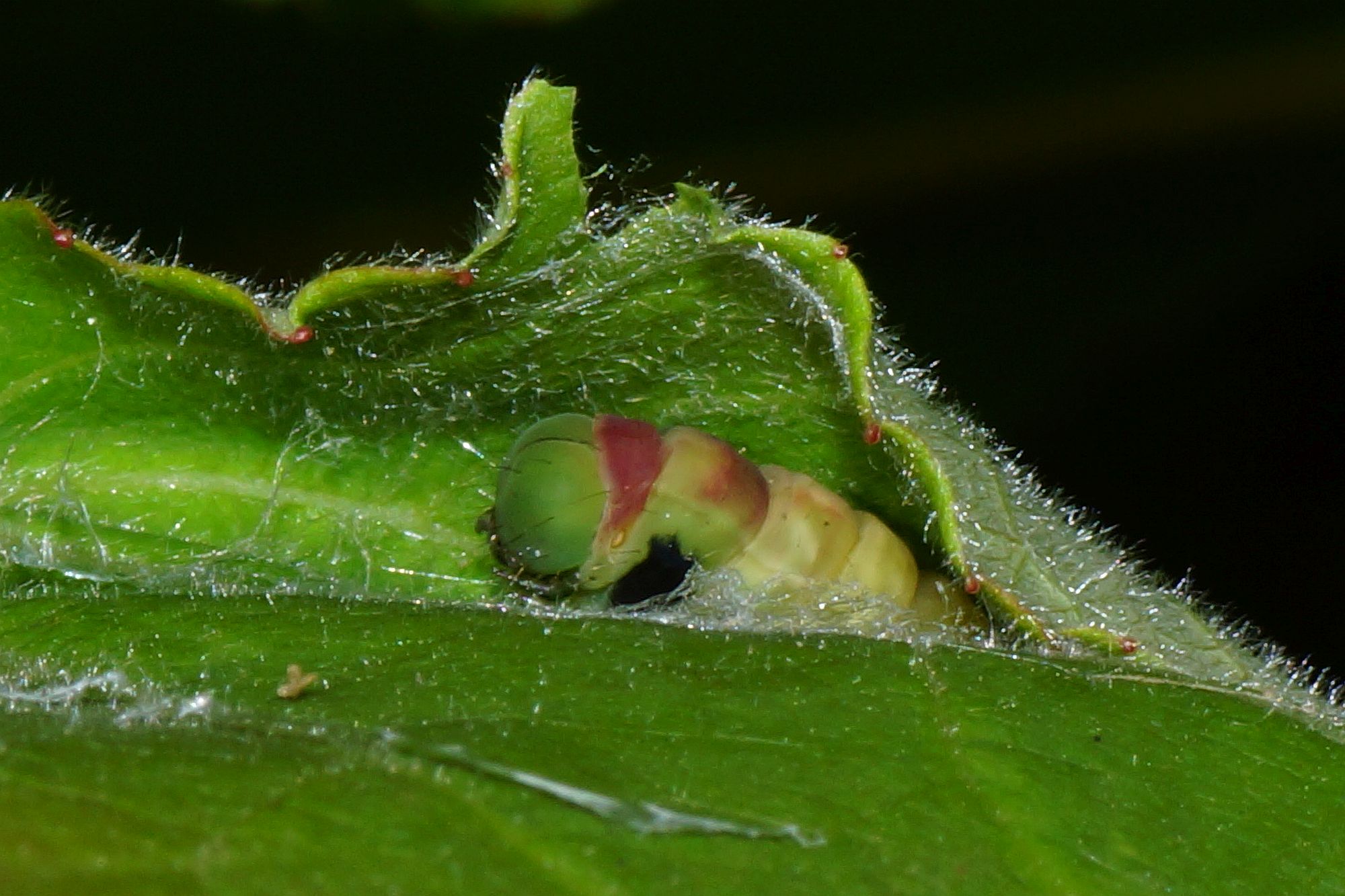
Scoliopteryx libatrix
species of insect

Anania hortulata
species of insect

Copper Underwing
species of moth

yellow-tail
The yellow-tail, goldtail moth or swan moth (Sphrageidus similis) is a moth of the family Erebidae. The species was first described by Johann Kaspar Füssli in 1775, and has commonly been placed within the related genus Euproctis. It is distributed throughout Europe to the Urals, then east across the Palearctic to Siberia and south to India and Sri Lanka.

Automeris io
species of insect

Helicoverpa zea
species of insect

Cabbage looper
species of insect
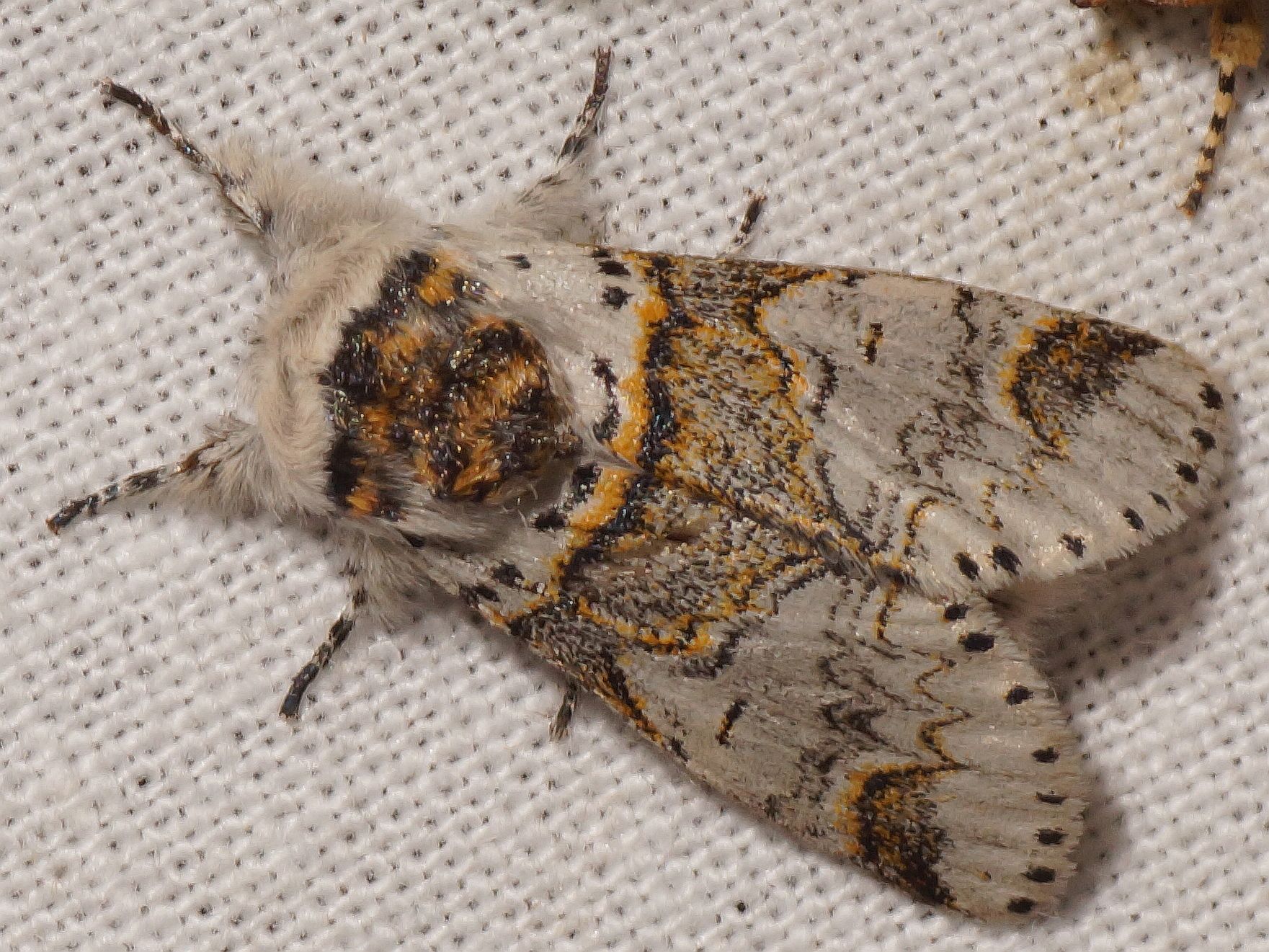
Furcula furcula
species of moth

Manduca quinquemaculata
species of insect

Argent and Sable
species of insect

Eupackardia calleta
Eupackardia is a monotypic moth genus in the family Saturniidae erected by Theodore Dru Alison Cockerell in 1912. Its only species, Eupackardia calleta, the calleta silkmoth, was described by John O. Westwood in 1853. It is found in Mexico, Guatemala, as well as in the states such as; Arizona, New Mexico, and Texas.

Antler Moth
species of insect

Sparganothis pilleriana
species of insect
Amorpha juglandis
species of insect

Mouse Moth
species of insect

Hyalophora cecropia
species of insect
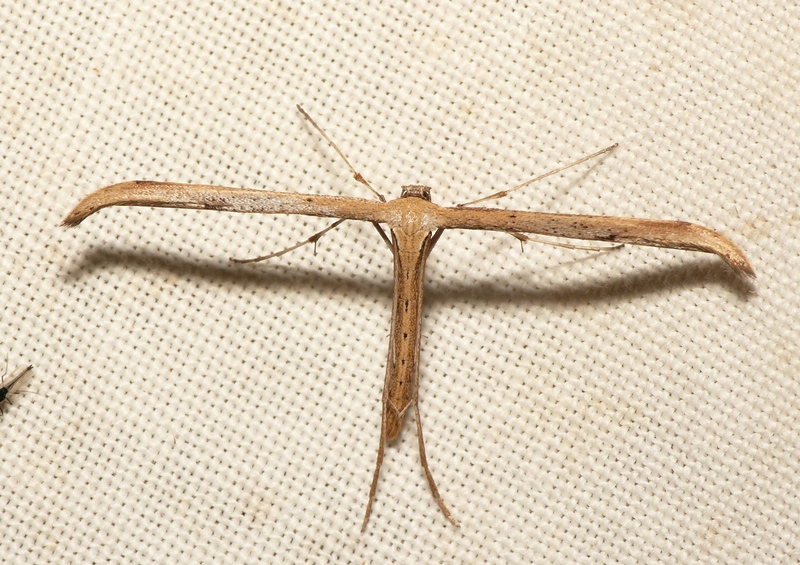
Emmelina monodactyla
species of insect
Common Emerald
species of insect

Xanthia togata
species of insect
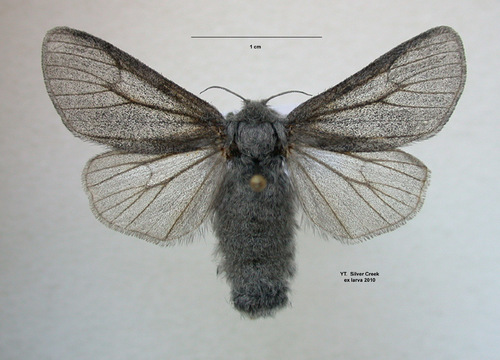
Gynaephora groenlandica
species of insect

Eumorpha
Eumorpha (meaning "well formed") is a genus of moths in the family Sphingidae. The genus is mostly found in North and South America.
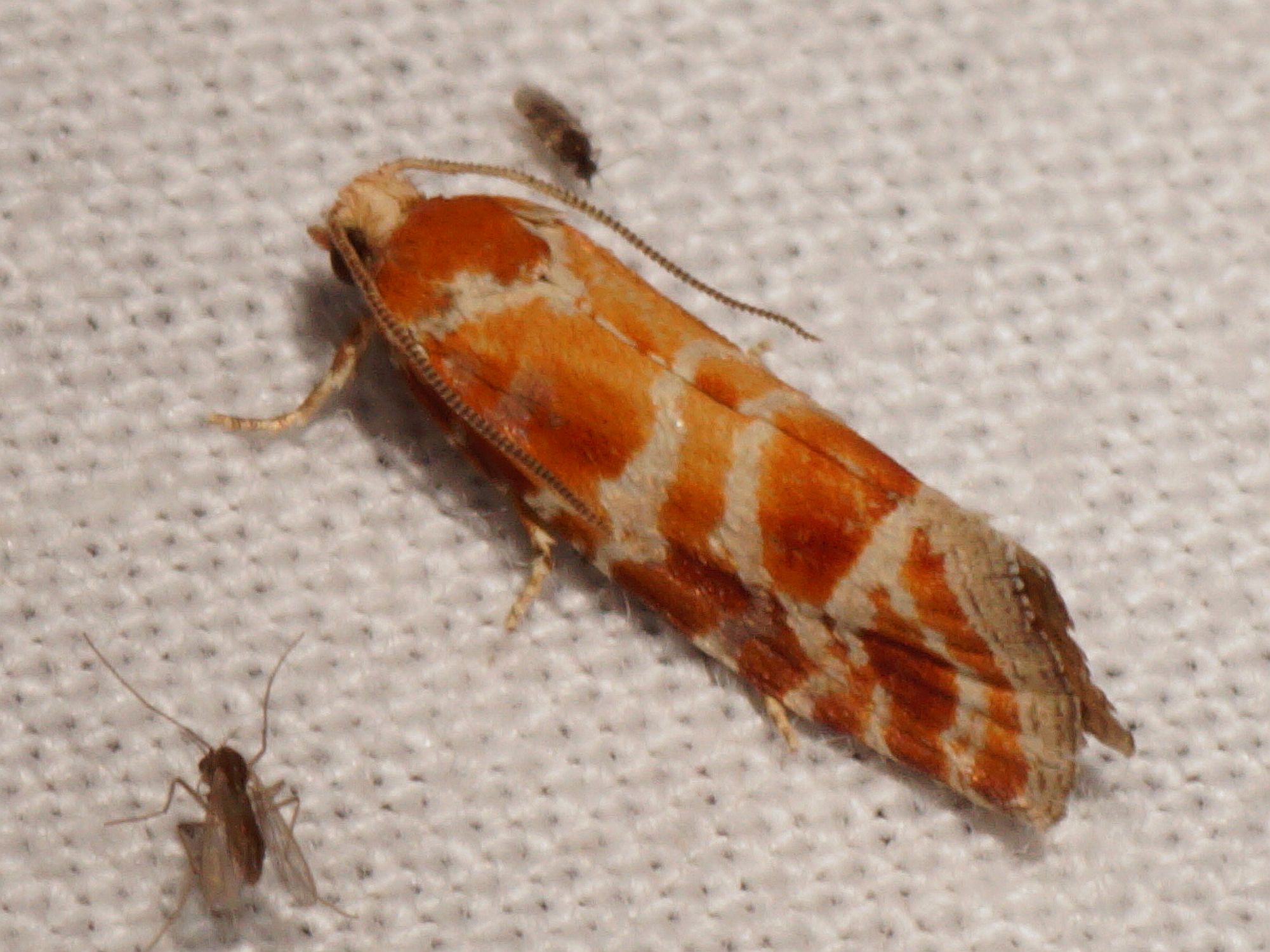
Rhyacionia buoliana
species of insect
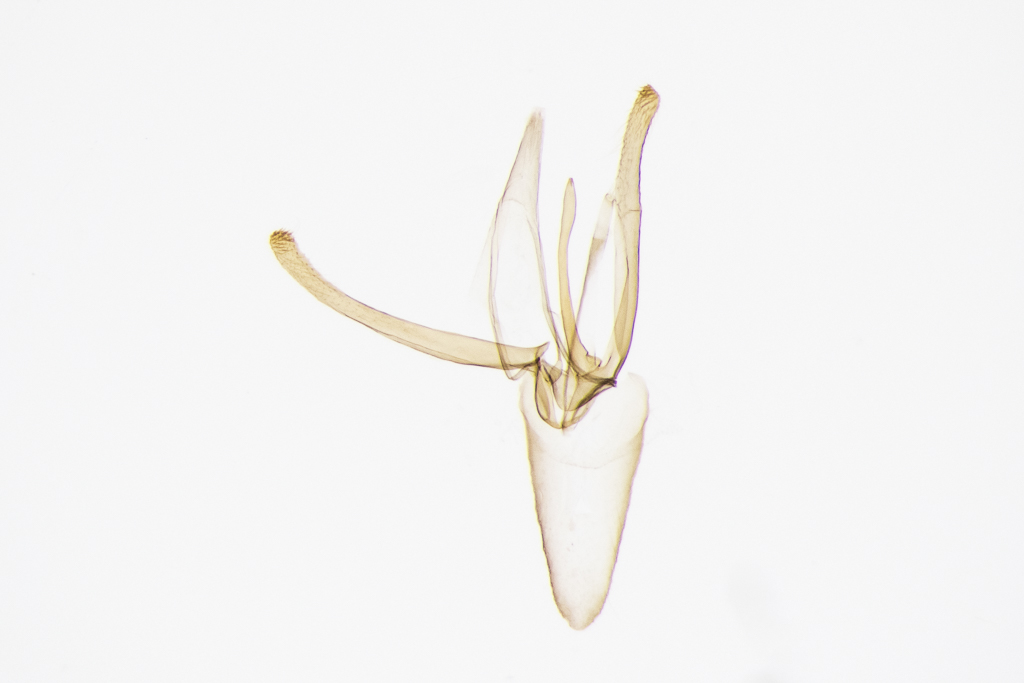
Phyllonorycter blancardella
species of insect

Manduca jasminearum
species of insect

Hemaris thysbe
species of insect

Sphinx chersis
species of insect
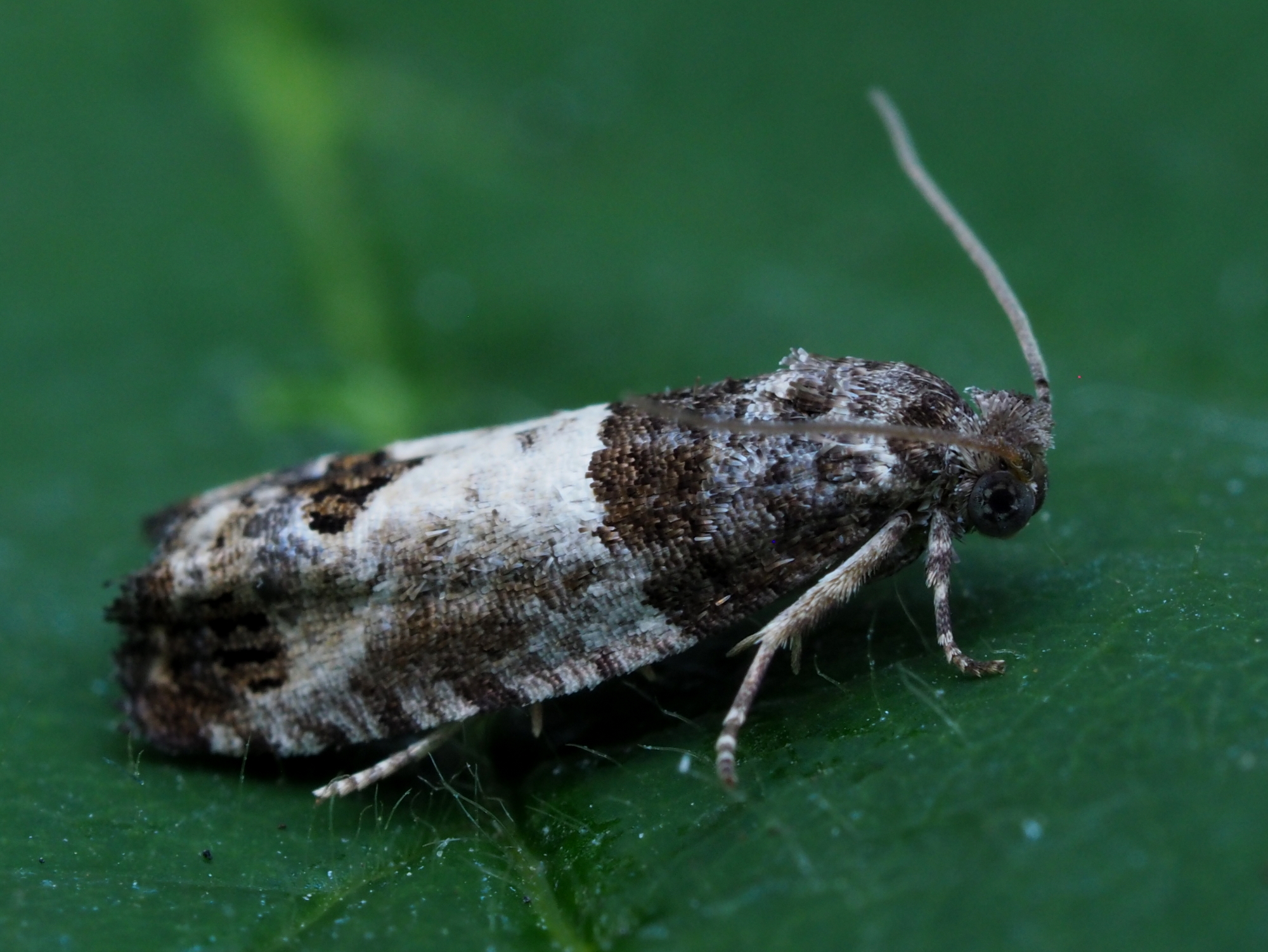
Spilonota ocellana
species of insect
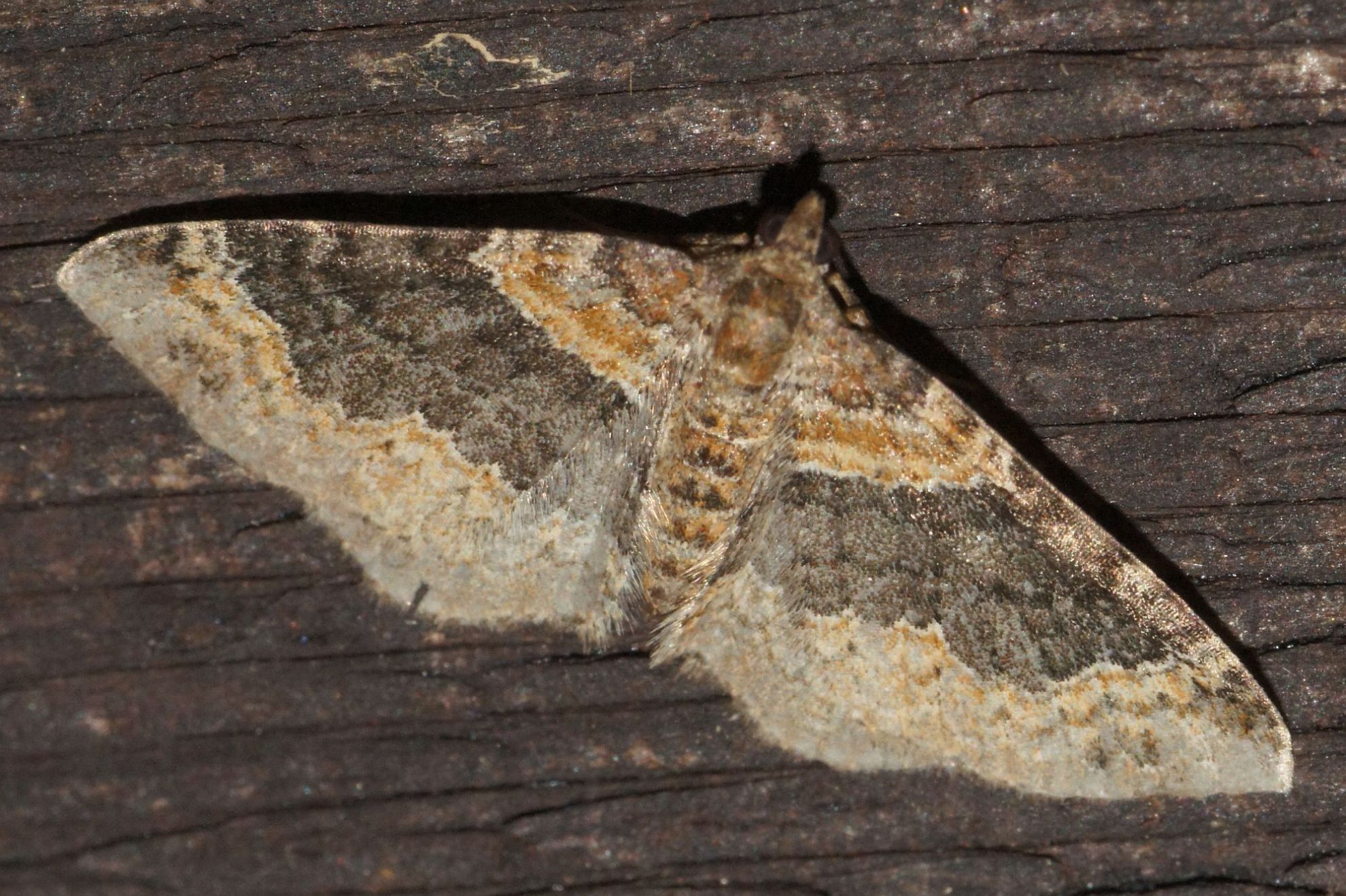
Xanthorhoe ferrugata
species of insect
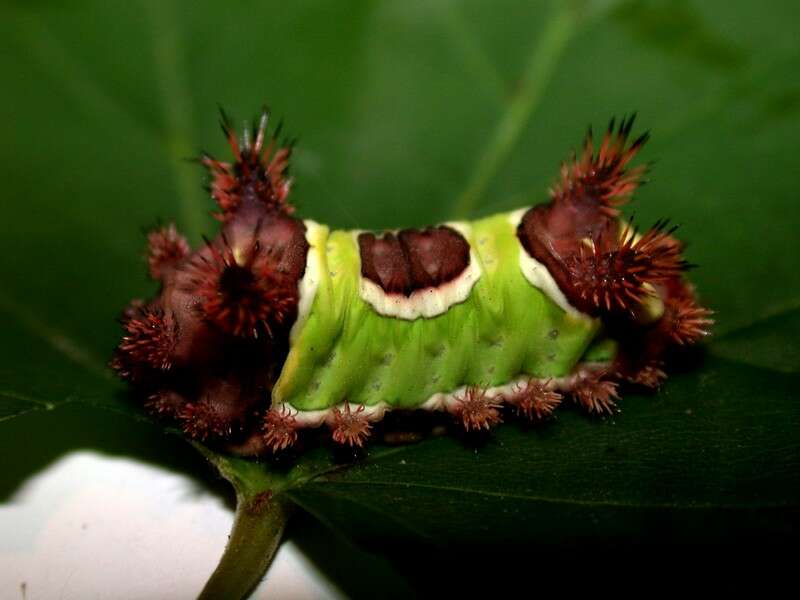
Acharia stimulea
species of insect
Paratrea plebeja
Paratrea is a monotypic moth genus in the family Sphingidae erected by Augustus Radcliffe Grote in 1903. Its sole species, Paratrea plebeja, commonly known as the plebeian sphinx moth, was first described by Johan Christian Fabricius in 1777. This species is found in the eastern part of the United States extending westward to Nebraska, Kansas, Oklahoma and eastern Texas.
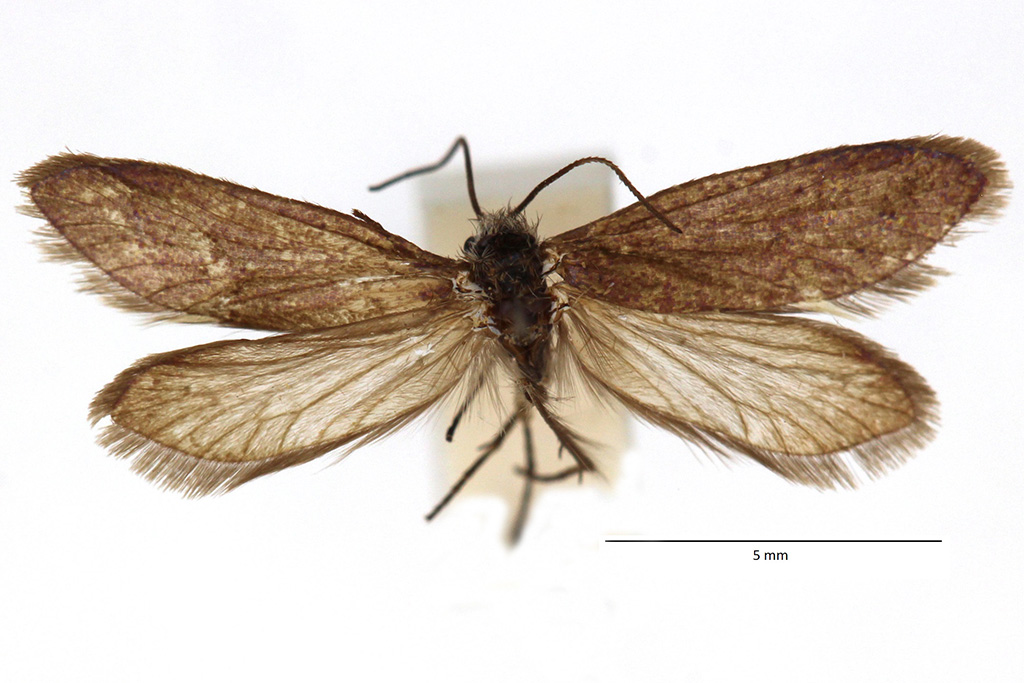
Eriocrania semipurpurella
species of insect

Wormwood Pug
species of insect

Eacles imperialis
species of insect

Marbled Minor
species of insect