Category
page 1Papaveraceae genera

Papaver
Papaver is a genus of 70–100 species of frost-tolerant annuals, biennials, and perennials native to temperate and cold regions of Eurasia, Africa and North America. It is the type genus of the poppy family, Papaveraceae.
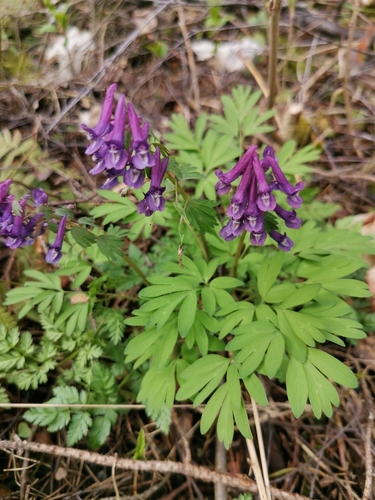
Corydalis
Corydalis (from Greek korydalís "crested lark") is a genus of about 540 species of annual and perennial herbaceous plants in the family Papaveraceae, native to the temperate Northern Hemisphere and the high mountains of tropical eastern Africa. They are most diverse in China and the Himalayas, with at least 357 species in China. Corydalis species are the only dicots having only a single cotyledon (seed leaf).
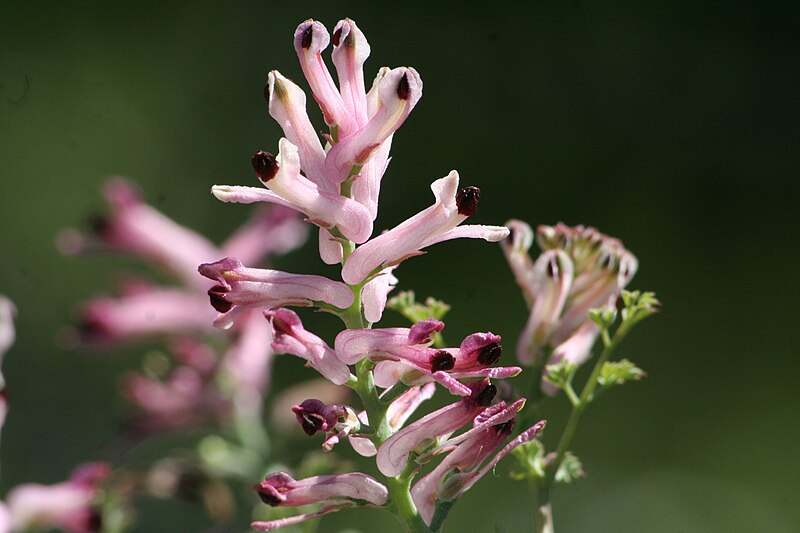
Fumaria
Fumaria (fumitory or fumewort, from Latin '', "smoke of the earth") is a genus of about 60 species of annual flowering plants in the family Papaveraceae. The genus is native to Europe, Africa and Asia, most diverse in the Mediterranean region, and introduced to North, South America and Australia. Fumaria species are sometimes used in herbal medicine. Fumaria indica contains an unusual mix of alkaloids such as fuyuziphine and alpha-hydrastine. Fumaria indica'' extracts may have anti-inflammatory and analgesic potential.

Dicentra
Dicentra (Greek dís "twice", kéntron "spur"), known collectively as the bleeding-hearts, is a genus containing eight species of herbaceous flowering perennial plants with unique, "heart"-shaped flowers and finely divided foliage. The species are, primarily, native to North America, although several are found in temperate East Asia.

Chelidonium
Chelidonium, commonly known as celandines, is a small genus of flowering plants in the poppy family, This genus is native to northern Africa and Eurasia, where they are widespread, ranging from western Europe to east Asia.

Glaucium
alt=A Glaucium vitellinum in Fars province of iran|thumb|Glaucium sp. Fars province of [[Iran]]
Glaucium (horned poppy) is a genus of about 25 species of annual, biennial or perennial herbaceous flowering plants in the family Papaveraceae, native to Europe, north Africa, and southwest and central Asia. The species commonly occur in saline habitats, including coasts and salt pans.
alt=Glaucium vitellinum|thumb|Glaucium vitellinum
Meconopsis
Meconopsis is a genus of flowering plants in the poppy family Papaveraceae. It was created by French botanist Viguier in 1814 for the species known by the common name Welsh poppy, which Carl Linnaeus had described as Papaver cambricum. The genus name means "poppy-like" (from Greek mekon poppy, opsis alike). Himalayan species discovered later were also placed in Meconopsis. In the 21st century, it was discovered that the Himalayan species were less closely related to the Welsh poppy, which has been restored to Papaver. All species now placed in Meconopsis are native to the Himalayas and surroun
%20(16750830288).jpg)
Eschscholzia
Eschscholzia is a genus of 12 annual or perennial plants in the Papaveraceae (poppy) family. The genus was named after the Baltic German/Imperial Russian botanist Johann Friedrich von Eschscholtz (1793–1831). All species are native to Mexico or the southern United States.

Roemeria
Roemeria is a genus of flowering plants in the family Papaveraceae, native to Macaronesia, Europe, the Mediterranean, North Africa, the Caucasus, the Middle East, the Arabian Peninsula, Central Asia, the western Himalayas, Pakistan, Xinjiang, and Mongolia. A 2006 molecular analysis revised the taxonomy of Papaver, elevating Roemeria to the genus level, and including the species formerly in Papaver sect. Argemonidium.
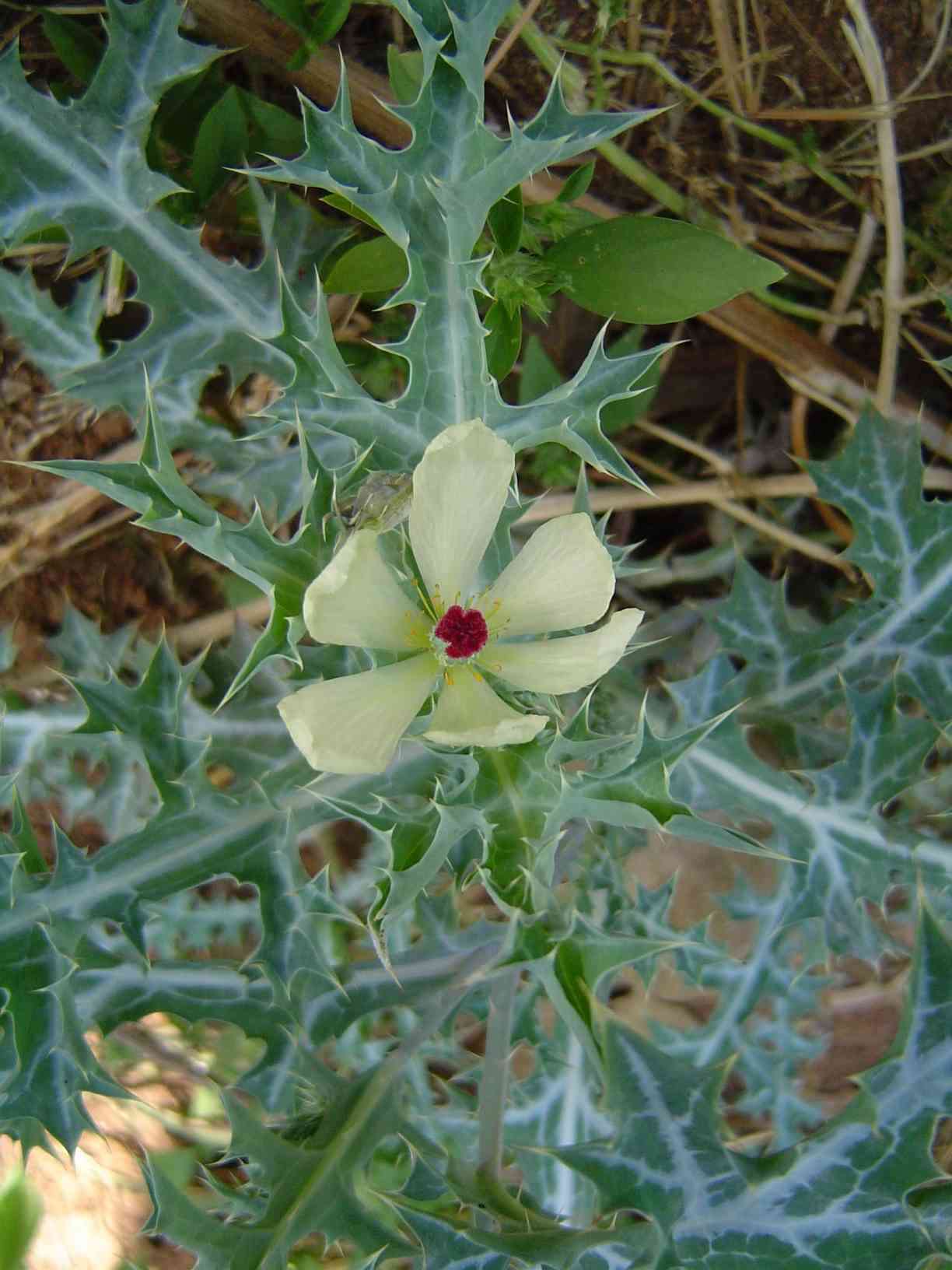
Argemone
Argemone is a genus of flowering plants in the family Papaveraceae commonly known as prickly poppies. There are about 32 species native to the Americas and Hawaii. The generic name originated as ἀργεμώνη in Greek and was applied by Dioscorides to a poppy-like plant used to treat cataracts.
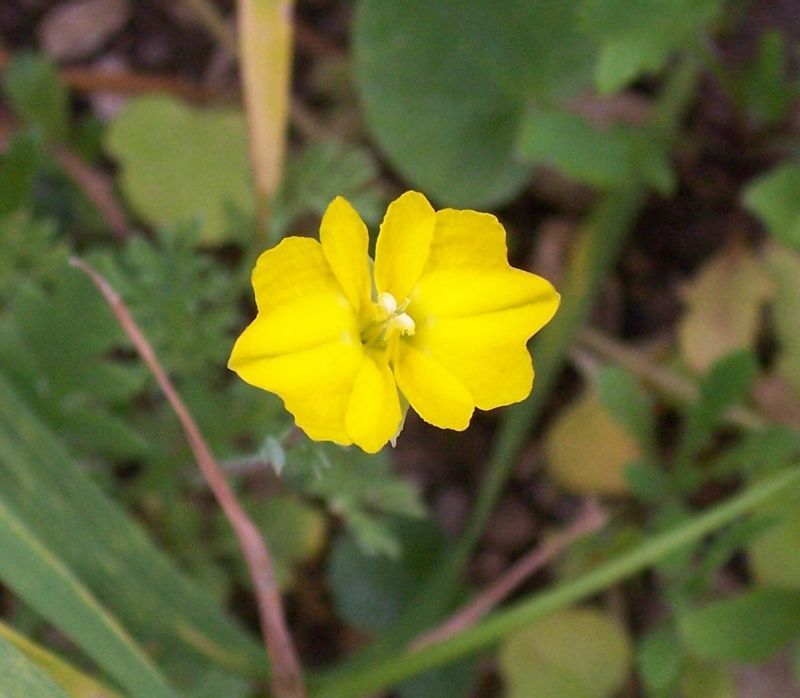
Hypecoum
Hypecoum is a genus of flowering plants in the family Papaveraceae, found in temperate areas of northern Africa, Europe and Asia. The lectotype is Hypecoum procumbens.

Adlumia
Adlumia is a genus of two species in the family Papaveraceae. The genus name derives from John Adlum (1759–1836), a surveyor, associate judge, plantsman and agriculturist who ran an experimental farm in Georgetown, Washington, D.C. The genus was first described and published in Syst. Nat. Vol.2 on page 111 in 1821.

Macleaya
Macleaya, or plume poppy, is a genus of two or three species of flowering plants in the poppy family Papaveraceae, native to Japan (Macleaya cordata) and China (M. cordata and Macleaya microcarpa). They are large rhizomatous herbaceous perennials with palmately lobed, frilly leaves of olive green or grey colour, long, and tall stems with airy plumes of petal-less, tubular, off-white or cream flowers.
Pseudofumaria
Pseudofumaria is a genus of herbaceous perennial plants native to Europe, formerly included in the genus Corydalis.
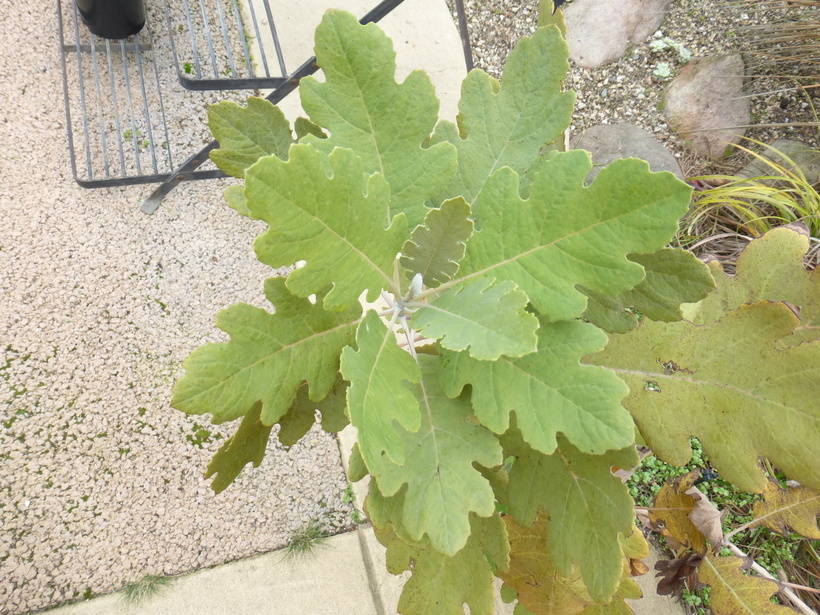
Bocconia
genus of plants

Arctomecon
Arctomecon is a genus of the poppy family Papaveraceae commonly called the bear poppies or bear-paw poppies, after the distinctive appearance of the leaves. The three species occur only in the northeastern part of the Mojave Desert of North America, and are all uncommon.

Stylophorum
Stylophorum (celandine-poppy) is a genus of three species of herbaceous perennial plants native to woodland in eastern North America and China.

Romneya
Romneya () is a genus of flowering plants belonging to the poppy family (Papaveraceae). There are two species in the genus Romneya, which was named for Irish astronomer John Thomas Romney Robinson. They are known commonly as Matilija poppies ( ), bush poppies, California poppies, or tree poppies. The common name "Matilija" is said to come from the Chumash leader, Chief Matilija. They are also known as the "fried egg flower" or the "fried egg plant" due to their bright yellow stamen, which creates the image of a sunny-side-up egg. They are native to chaparral and coastal scrub habitats in South

Ceratocapnos
Ceratocapnos is a genus of flowering plants belonging to the family Papaveraceae.

Dendromecon
Dendromecon, the tree poppy, is a genus of one or two species of shrubs to small trees, native to California and northern Baja California.

Canbya
Canbya, also known as the pygmy poppies, is a genus of the poppy family Papaveraceae consisting of two species found in the dry parts of western North America. Both species are small, no more than a few centimeters tall, with flowers less than 10 mm across.
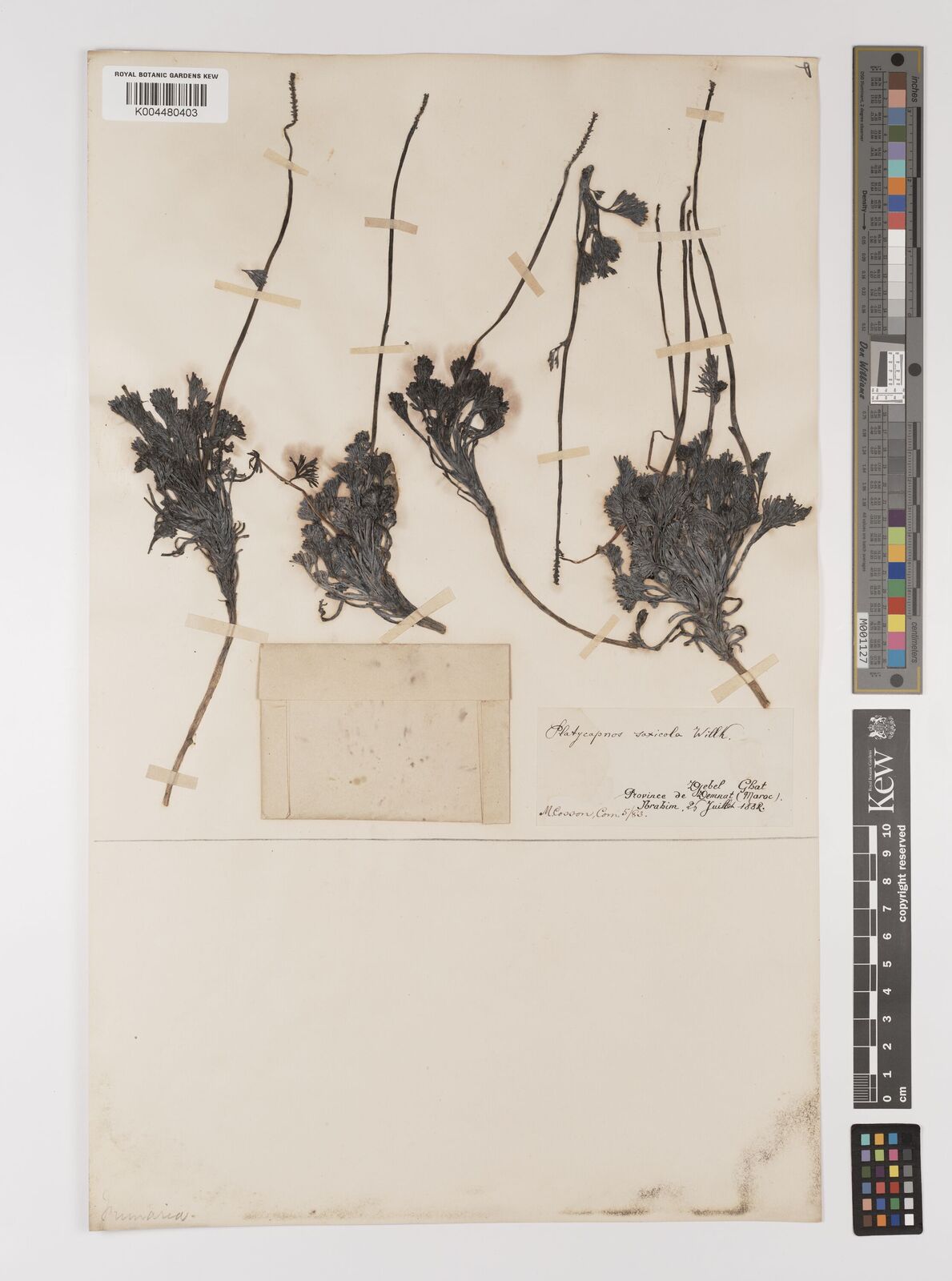
Platycapnos
Platycapnos is a genus of flowering plants belonging to the family Papaveraceae.

Dicranostigma
Dicranostigma, also known as the eastern horned poppies, is a genus in the poppy family Papaveraceae, the species of which are native to the Himalaya and western China. Although resembling the true horned poppies of Glaucium, they have stigmas with two lobes and fruit with only traces of the "horns".

Sarcocapnos
Sarcocapnos (Greek sárx "flesh", kapnós "smoke") is a genus of at least 6 species of somewhat fleshy, cushion-forming annual to perennial plants, native to cliffs in the French Pyrenees, Spain, and north Africa.
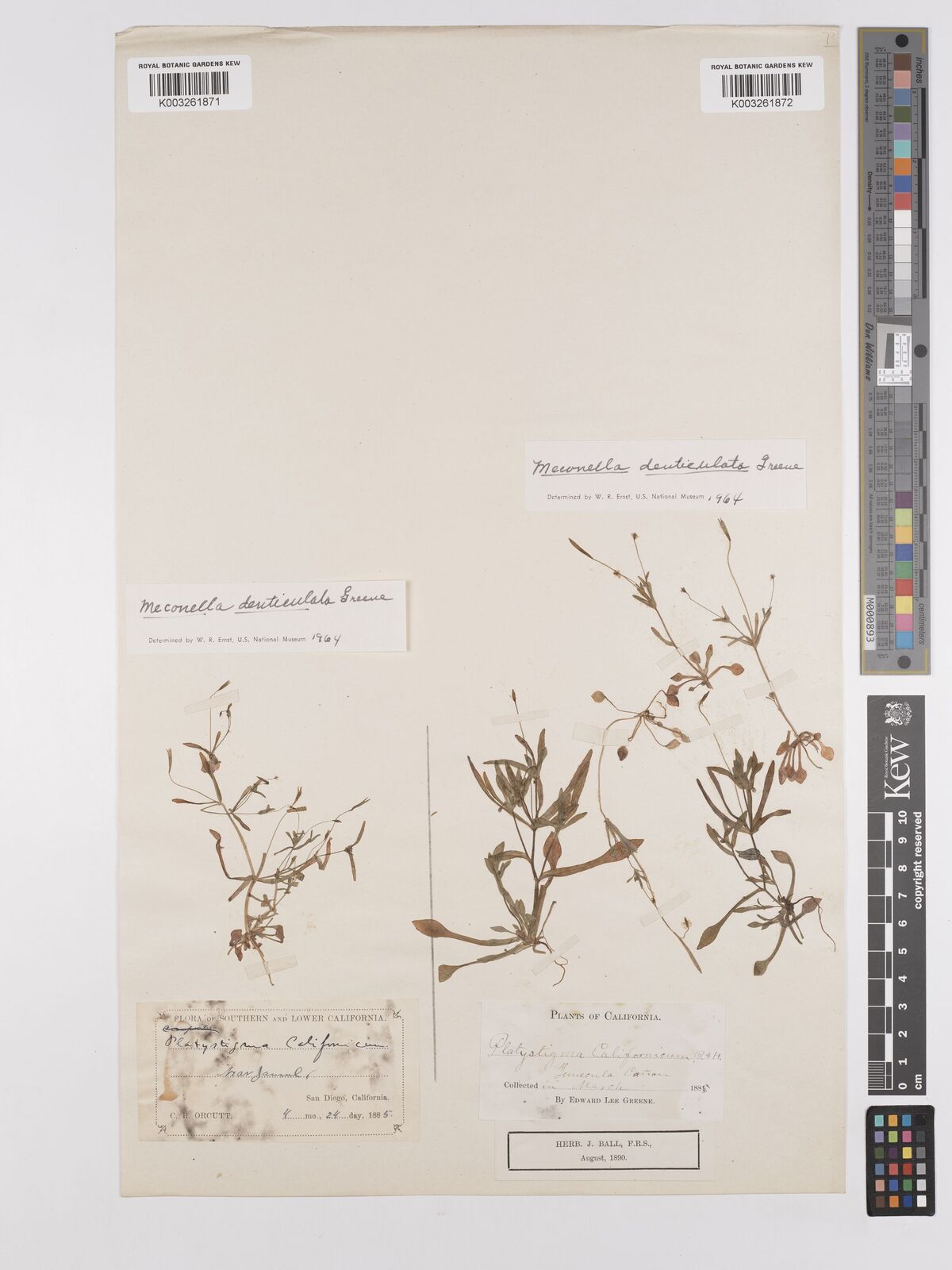
Meconella
Meconella is a small genus of flowering plants in the poppy family. They are known generally as fairypoppies.
==Species==
There are about 3 species:
{| class="wikitable"
|-
! Image !! Name!! Distribution
|-
| ||Meconella californica – California fairypoppy||around the San Francisco Bay Area and the Sierra foothills
|-
|120px ||Meconella denticulata – smallflower fairypoppy|| from around the San Francisco Bay Area to the Peninsular Ranges
|-
| ||Meconella oregana – white fairypoppy|| Oregon, California, Washington and British Columbia.
|-
|}
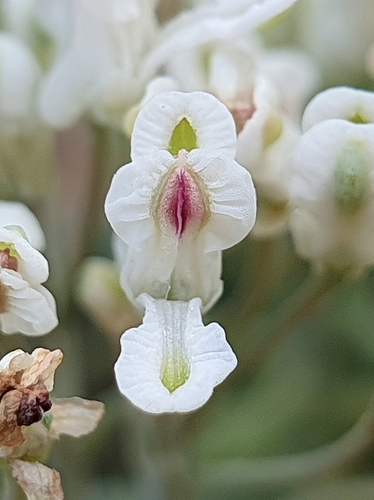
Rupicapnos
Rupicapnos is a genus of flowering plants belonging to the family Papaveraceae.
Dactylicapnos
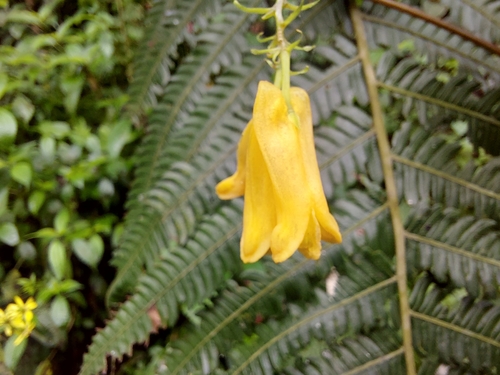
Dactylicapnos (climbing dicentra; formerly included in Dicentra) is a genus of frost-tender perennial or annual climbers native to the Himalayas, northern Burma, central southern China, and northern Vietnam.

Ehrendorferia
Ehrendorferia (eardrops) is a genus of two species of biennial or perennial herbaceous plants native to wildfire-prone areas of California and the Baja California peninsula. It was named after the Austrian botanist Friedrich Ehrendorfer on the occasion of his 70th birthday.

Cysticapnos
Cysticapnos is a genus of flowering plants belonging to the family Papaveraceae.

Discocapnos
Discocapnos is a monotypic genus of flowering plants belonging to the family Papaveraceae. The only species in the genus is Discocapnos mundii Cham. & Schltdl. It is endemic to the Cape Provinces in South Africa.