Category
page 1Plants used in traditional Chinese medicine

Rosa
A rose is either a woody perennial flowering plant of the genus Rosa (), in the family Rosaceae (), or the flower it bears. There are over three hundred species and tens of thousands of cultivars. They form a group of plants that can be erect shrubs, climbing, or trailing, with stems that are often armed with sharp prickles. Their flowers vary in size and shape and are usually large and showy, in colours ranging from white through pinks, reds, oranges and yellows. Most species are native to Asia, with smaller numbers native to Europe, North America, and Northwest Africa. Species, cultivars and

clove
Cloves are the aromatic flower buds of a tree in the family Myrtaceae, Syzygium aromaticum (). They are native to the Maluku Islands, or Moluccas, in Indonesia, and are commonly used as a spice, flavoring, or fragrance in consumer products, such as toothpaste, soaps, or cosmetics. Cloves are available throughout the year owing to different harvest seasons across various countries.

Colocasia esculenta
Taro (; Colocasia esculenta) is a root vegetable. It is the most widely cultivated species of several plants in the family Araceae that are used as vegetables for their corms, leaves, stems and petioles. Taro corms are a food staple in African, Caribbean, Oceanian, East Asian, Southeast Asian and South Asian cultures (similar to yams).
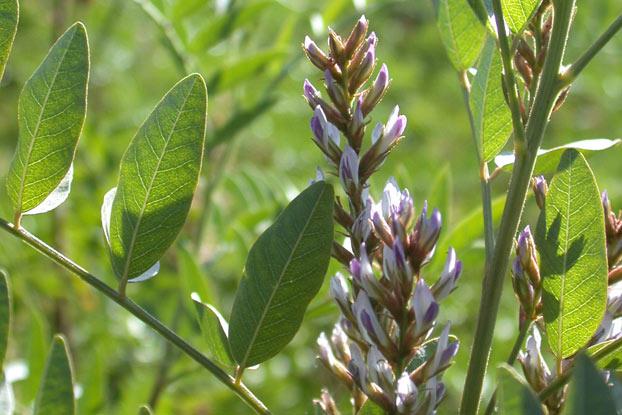
liquorice
Liquorice (Commonwealth English) or licorice (American English; see spelling differences; ) is the common name of Glycyrrhiza glabra, a flowering plant of the bean family Fabaceae, from the root of which a sweet, aromatic flavouring is extracted.
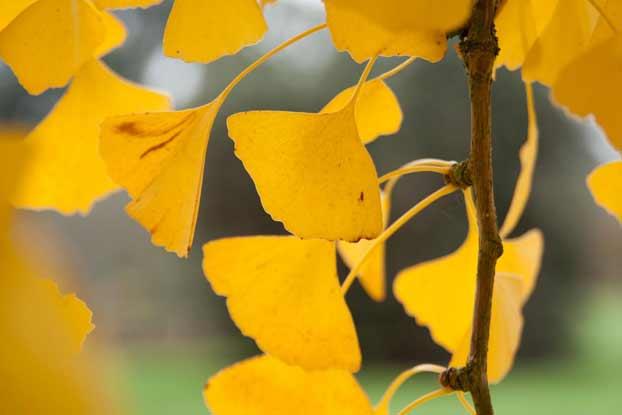
Ginkgo biloba
species of ginkgo tree

Trigonella foenum-graecum
thumb|Fenugreek greens
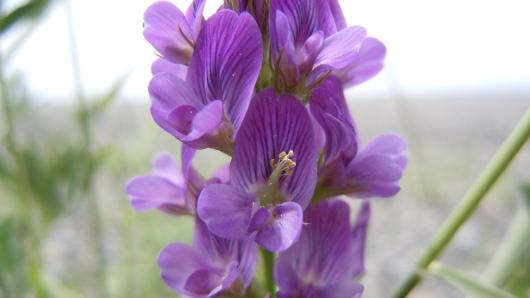
Medicago sativa
Alfalfa (; in North America), lucerne (in the United Kingdom, South Africa, Australia, and New Zealand), Medicago sativa is a perennial flowering plant in the legume family Fabaceae. It is cultivated as an important forage crop in many countries around the world and is used for grazing, hay, and silage, as well as a green manure and cover crop. It has also been cultivated as livestock fodder since at least the era of the ancient Greeks and Romans. Alfalfa has clusters of small purple flowers followed by fruits spiraled in two to three turns containing 10–20 seeds. It is native to warmer temper
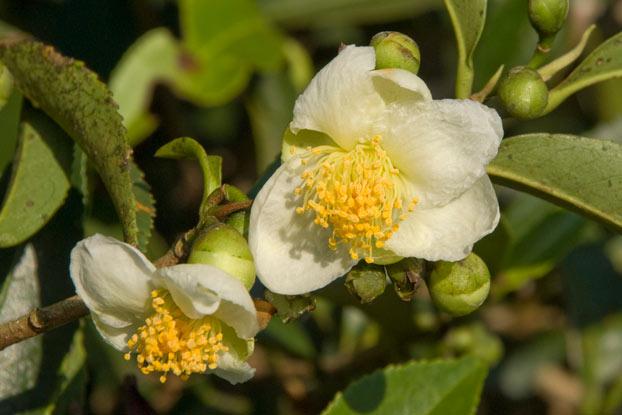
Camellia sinensis
species of plant

Magnolia
Magnolia is a large genus of about 210 to 340 flowering plant species in the subfamily Magnolioideae of the family Magnoliaceae. The natural range of Magnolia species is disjunct, with a main center in east, south and southeast Asia and a secondary center in South America, Central America, the West Indies, and some species in eastern North America.

Portulaca oleracea
species of flowering plant
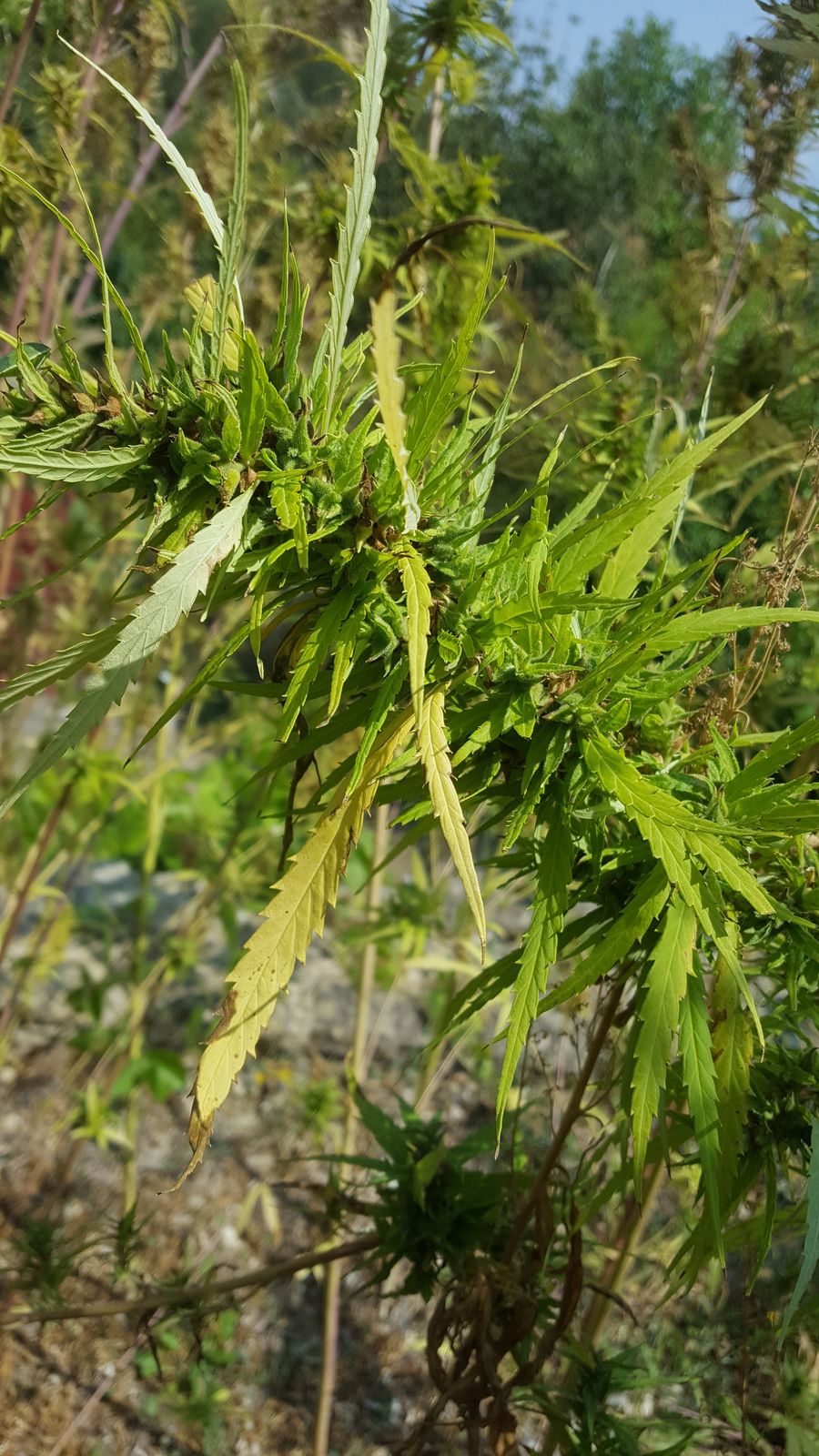
Cannabis sativa
species of plant

Datura stramonium
species of plant

Eriobotrya japonica
The loquat (Eriobotrya japonica, Chinese: 枇杷; Pinyin: pípá) is a large evergreen shrub or tree grown commercially for its orange coloured fruits. It is also cultivated as an ornamental plant.

Rhododendron
Rhododendron (; : rhododendra), from Ancient Greek ῥόδον (rhódon), meaning "rose", and δένδρον (déndron), meaning "tree", is a very large genus of about 1,024 species of woody plants in the heath family (Ericaceae). They can be either evergreen or deciduous. Most species are native to eastern Asia and the Himalayan region, but smaller numbers occur elsewhere in Asia, and in North America, Europe and Australia.

Ziziphus jujuba
Jujube (UK ; US or ), sometimes jujuba, scientific name Ziziphus jujuba, and also called red date, Chinese date, and Chinese jujube, is a species in the genus Ziziphus in the buckthorn family Rhamnaceae. It is often confused with the closely related Indian jujube, Z.mauritiana. The jujube tolerates a diverse range of climates, from temperate to tropical. Its origin is thought to be in eastern Asia, but it has been widely dispersed through cultivation, and is today cultivated in gardens as a shrub as well as in agriculture as a food crop. Its fruit is eaten freshly harvested as well as dried an

Tussilago farfara
Tussilago farfara, commonly known as coltsfoot, is a plant in the tribe Senecioneae in the family Asteraceae, native to Europe and parts of western and central Asia. The name "tussilago" is derived from the Latin tussis, meaning cough, and ago, meaning to cast or to act on. It has had uses in traditional medicine, but the discovery of toxic pyrrolizidine alkaloids in the plant has resulted in liver health concerns.
.jpg)
Juglans
Walnut trees are any species of tree in the plant genus Juglans, the type genus of the family Juglandaceae, the seeds of which are referred to as walnuts. All species are deciduous trees, tall, with pinnate leaves , with 5–25 leaflets; the shoots have chambered pith, a character shared with the wingnuts (Pterocarya), but not the hickories (Carya) in the same family.

Carthamus tinctorius
thumb|right|250px|Carthamus tinctoriusthumb|300px|right|Worldwide safflower production
thumb|Carthamus tinctorius - MHNT

Arctium lappa
species of plant

Ficus religiosa
species of fig

Panax
The Panax (ginseng) genus belongs to the Araliaceae (ivy) family. Panax species are characterized by the presence of ginsenosides and gintonin. Panax is one of approximately 60 plant genera with a classical disjunct east Asian and east North American distribution. Furthermore, this disjunct distribution is asymmetric as only two of the ~18 species in genus are native to North America.

Althaea officinalis
species of plant
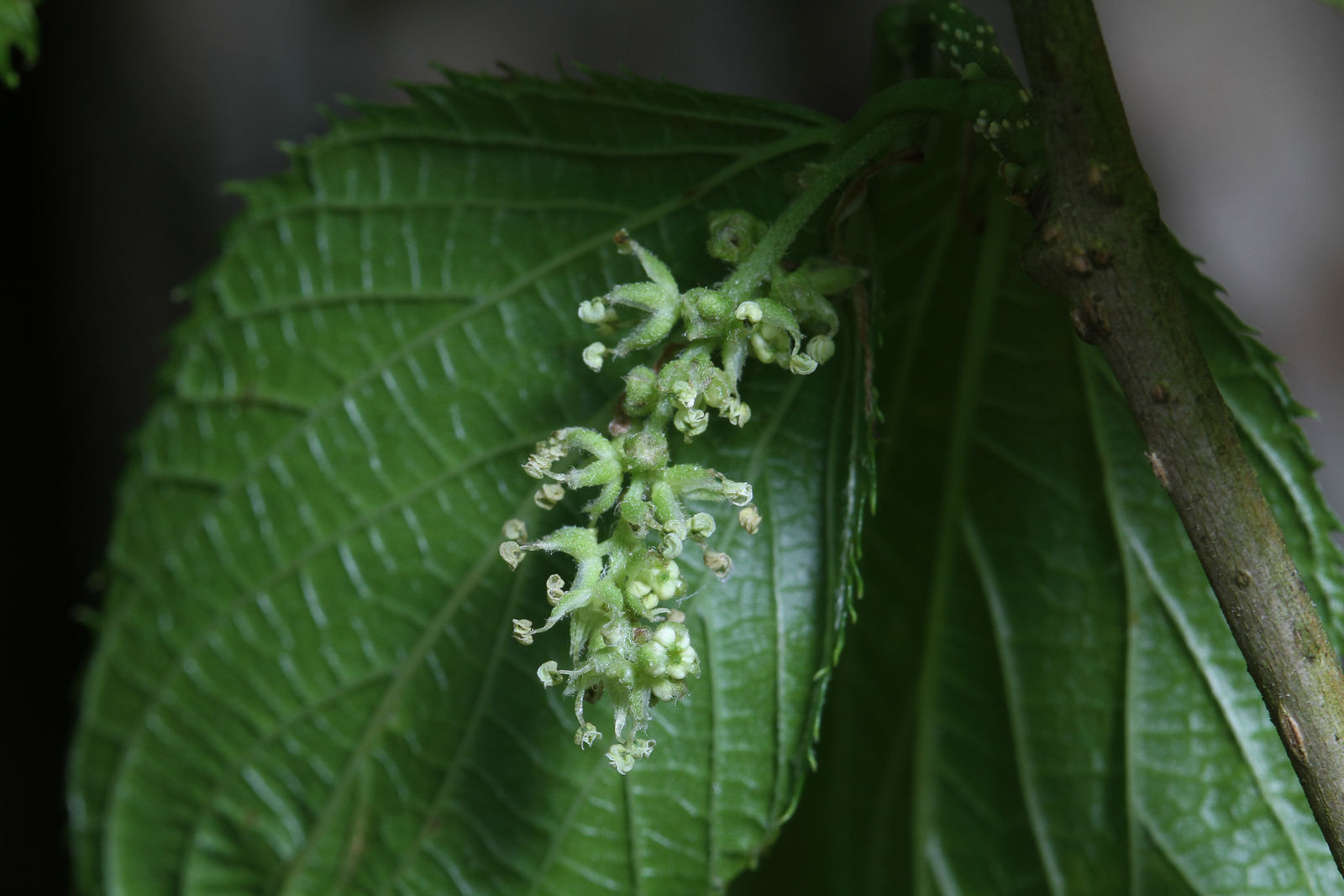
Morus alba
species of plant

Astragalus
genus of plants

Catharanthus roseus
species of flowering plant in the family Apocynaceae
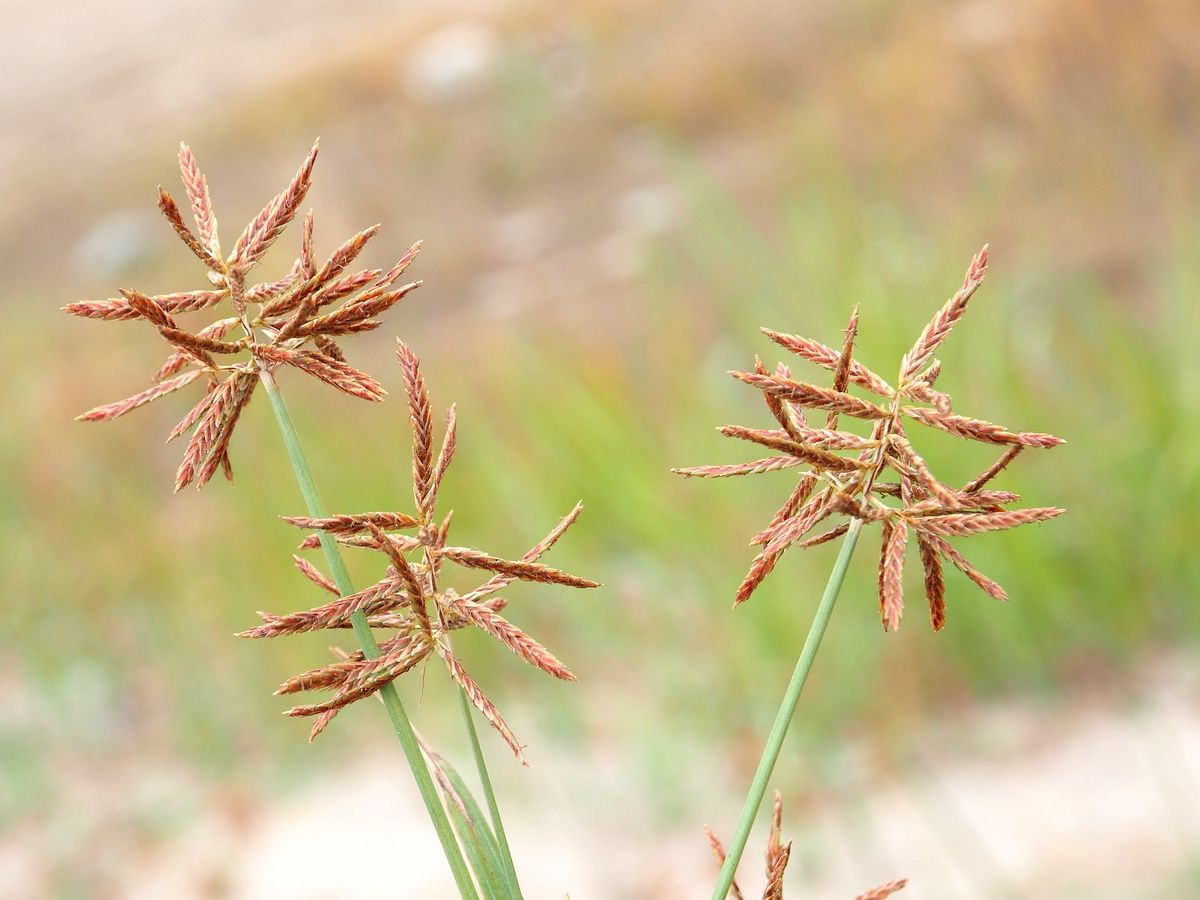
Cyperus rotundus
species of plant

myrrh
thumb|right|alt=Small lumps of myrrh resin|Myrrh resin

Menyanthes trifoliata
thumb|200px|A bog-bean dominated habitat in Ayrshire, Scotland
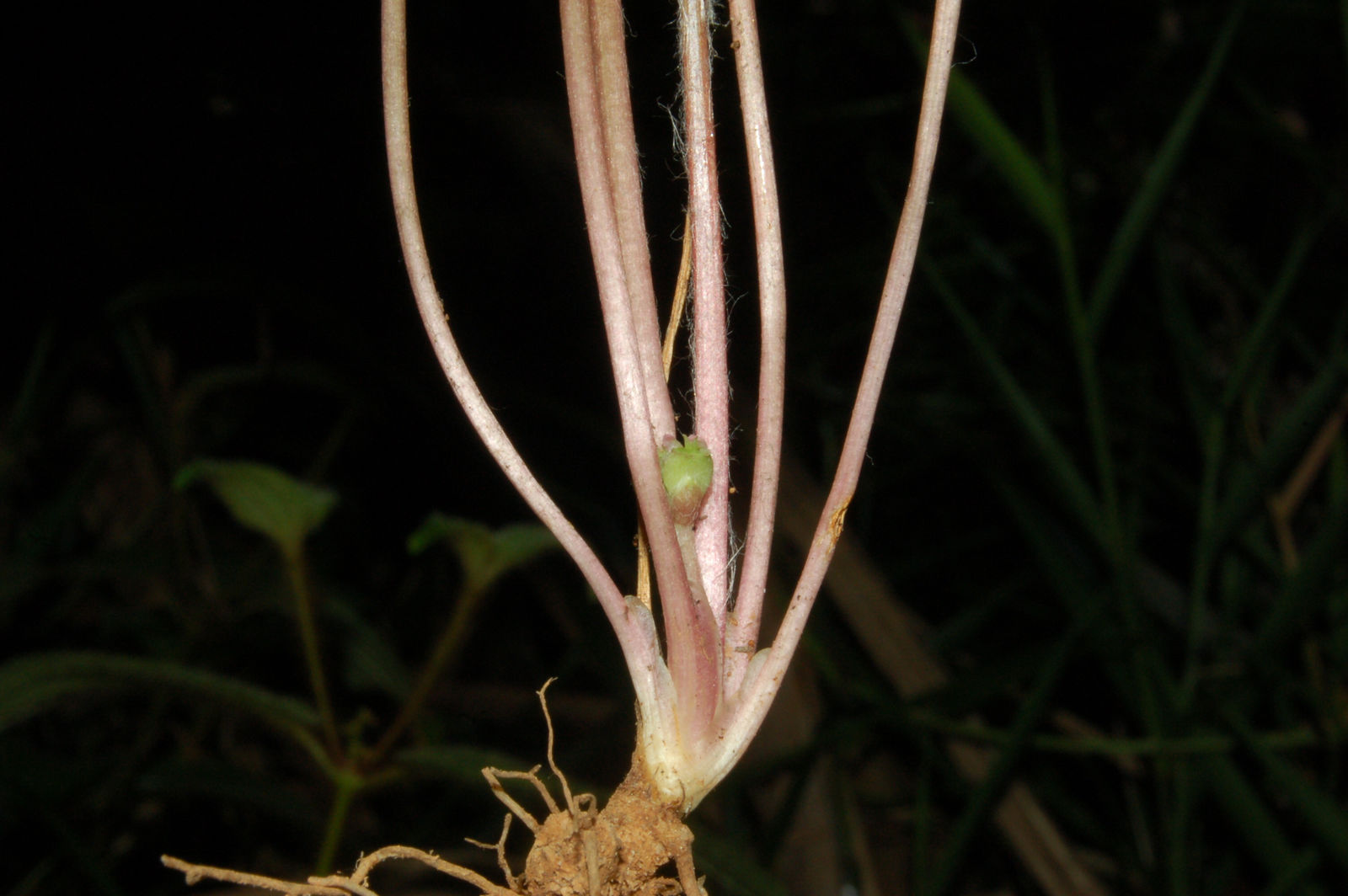
Centella asiatica
species of plant

Lavandula angustifolia
species of plant

Ephedra
genus of plants

Trachyspermum ammi
Ajwain or ajowan (Trachyspermum ammi) () —also known as ajowancaraway,
thymol seeds, '''bishop's weed, or carom'''—is an annual herb in the family Apiaceae. Both the leaves and the seed‑like fruit (often mistakenly called seeds) of the plant are consumed by humans. The name "bishop's weed" also is a common name for other plants. The "seed" (i.e., the fruit) is often confused with lovage seed.

Platycladus orientalis
species of plant
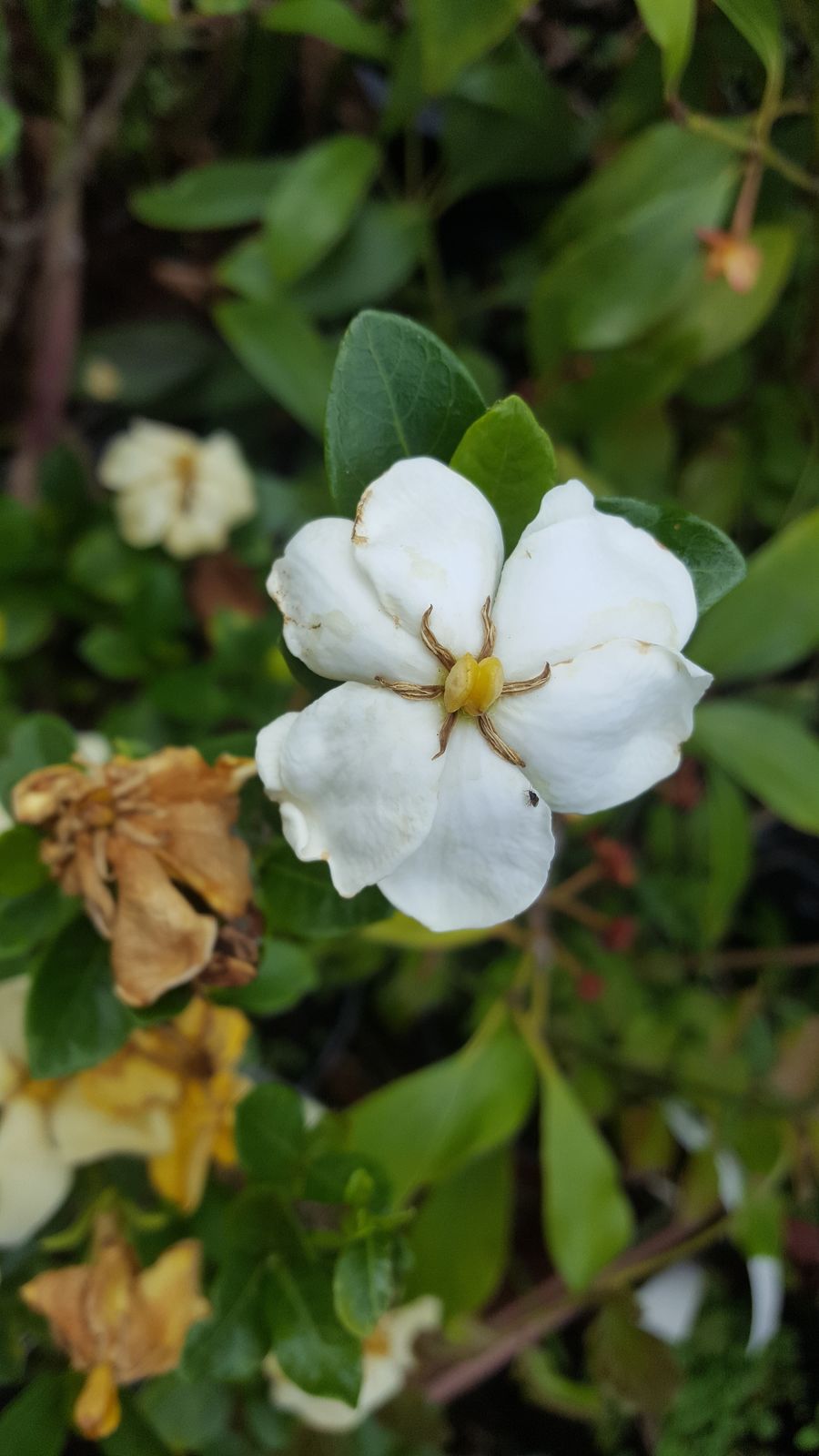
Gardenia jasminoides
species of evergreen flowering plant
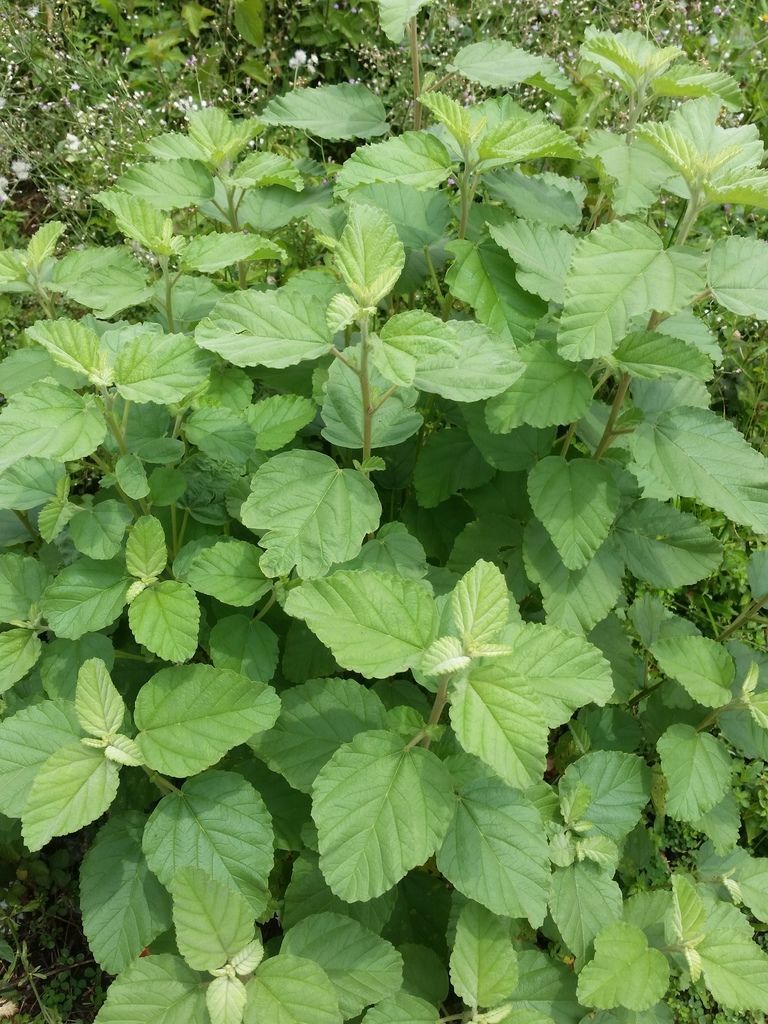
Pogostemon cablin
Patchouli (also spelled patchouly or pachouli; ; Pogostemon cablin) is a species of flowering plant in the family Lamiaceae, commonly called the mint or deadnettle family. The plant grows as a bushy perennial herb, with erect stems reaching up to in height and bearing small, pale, pink-white flowers.

Isatis tinctoria
species of plant

Lycium barbarum
species of plant

Alisma plantago-aquatica
species of plant
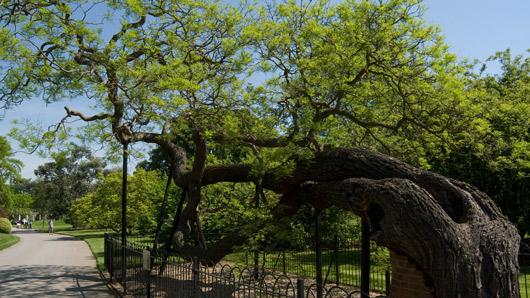
Styphnolobium japonicum
species of plant

Xanthium strumarium
species of plant
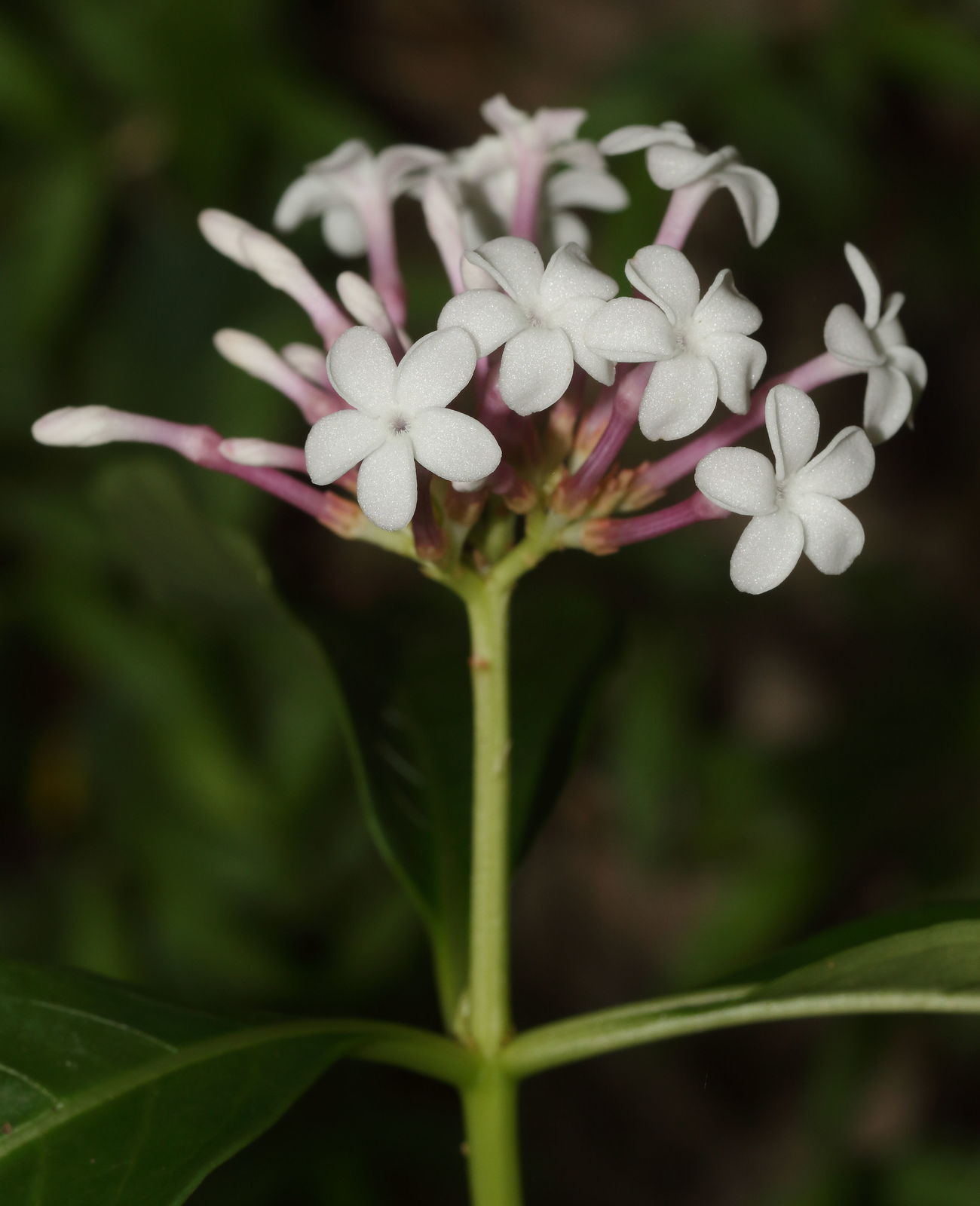
Rauvolfia serpentina
species of plant

Cinnamomum cassia
species of plant

Albizia julibrissin
species of plant

Glycyrrhiza
thumb|Glycyrrhiza echinata Fruits and Seeds - [[MHNT]]
thumb|180px|right|Plant as used in Chinese herbology (crude medicine)

Prunella
genus of plants

Lobelia
thumb|Lobelia erinus in an alpine border
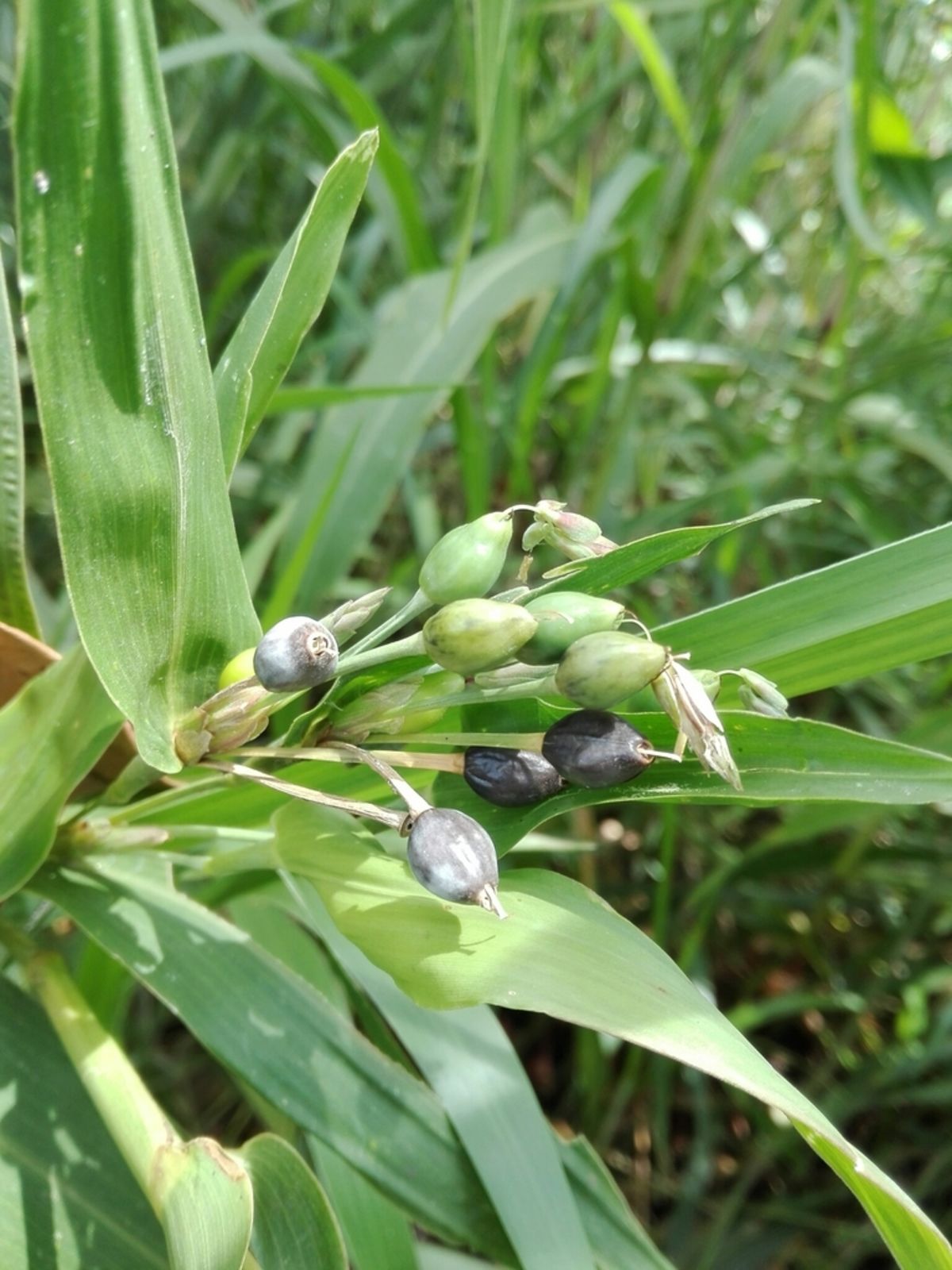
Coix lacryma-jobi
species of plant

Lonicera japonica
species of plant
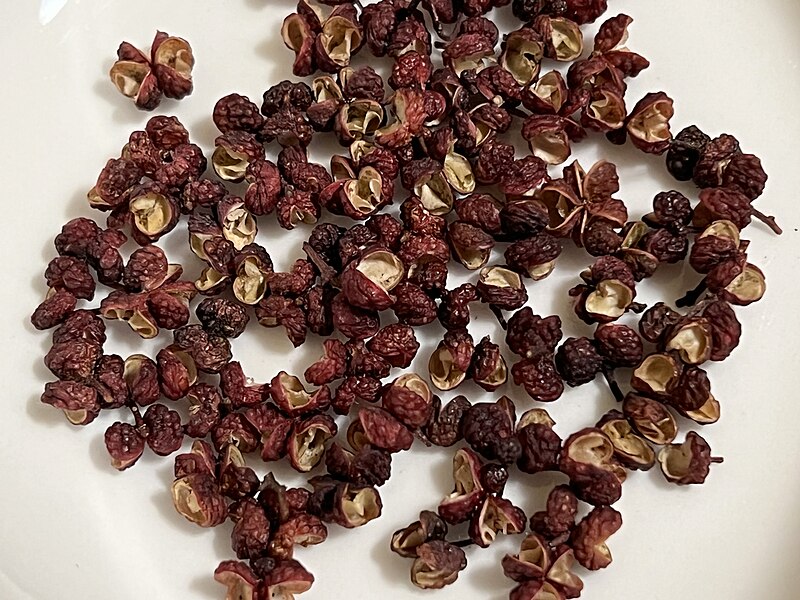
Sichuan pepper
spice, crude drug

Euryale ferox
species of plant
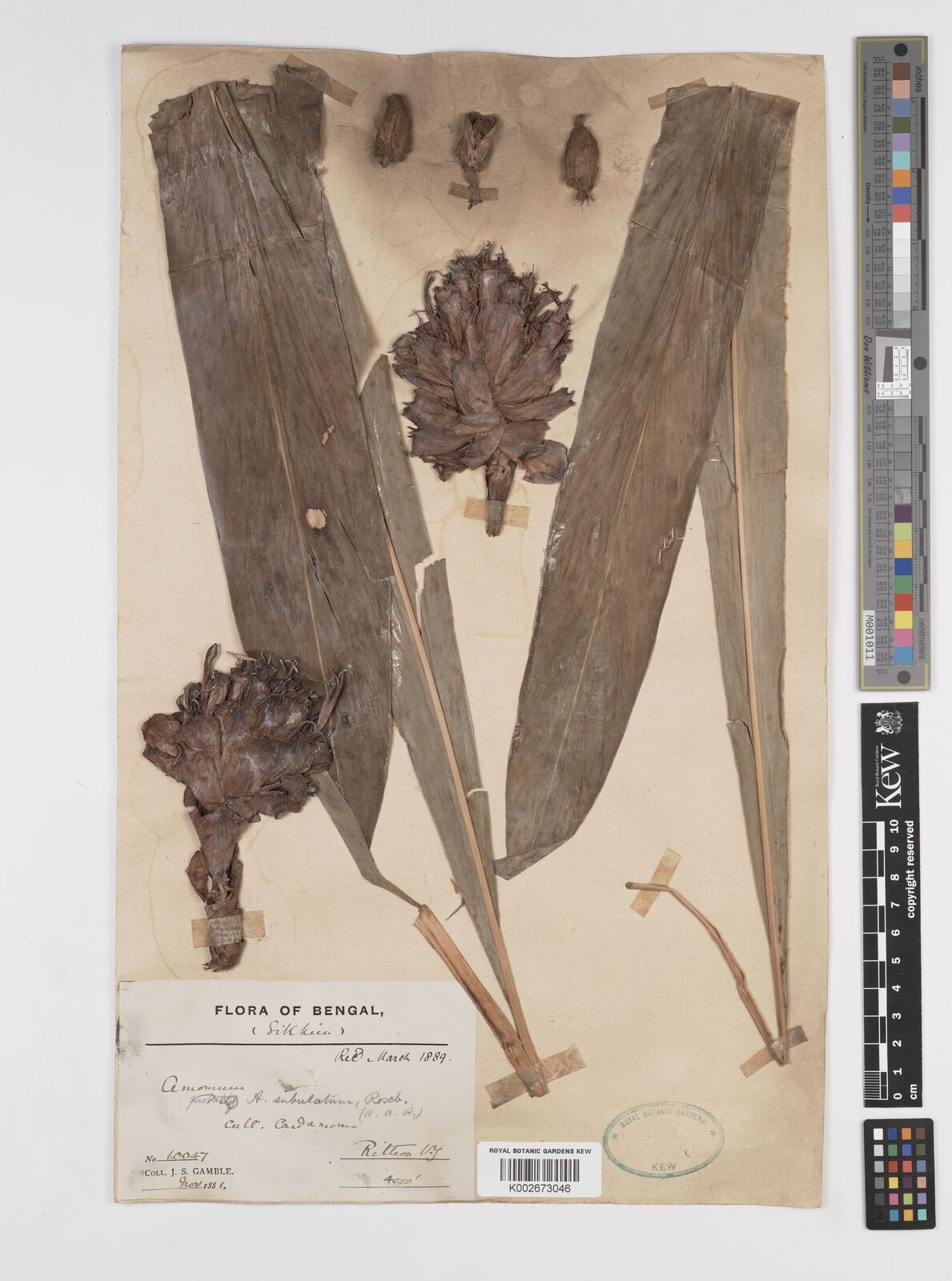
black cardamom
species of plant

Datura metel
species of plant, commonly known as devil's trumpet and metel

Schisandra chinensis
species of plant

Amaranthus spinosus
species of plant

Salvia splendens
species of plant

Momordica cochinchinensis
Gac, from the Vietnamese (), scientific name Momordica cochinchinensis, is a species of plant in the melon and cucumber family Cucurbitaceae native to countries throughout Southeast Asia and to Queensland, Australia. It is notable for its vivid orange-reddish color resulting from a mix of beta-carotene and lycopene.

Osmanthus fragrans
species of plant
Q481711
species of plant

Hemerocallis fulva
species of plant

Croton tiglium
species of plant