Category
page 1Politics of China

People’s Liberation Army
principal military force of the People's Republic of China

mainland China
geopolitical area under the jurisdiction of the People's Republic of China, excluding Special Administrative Regions
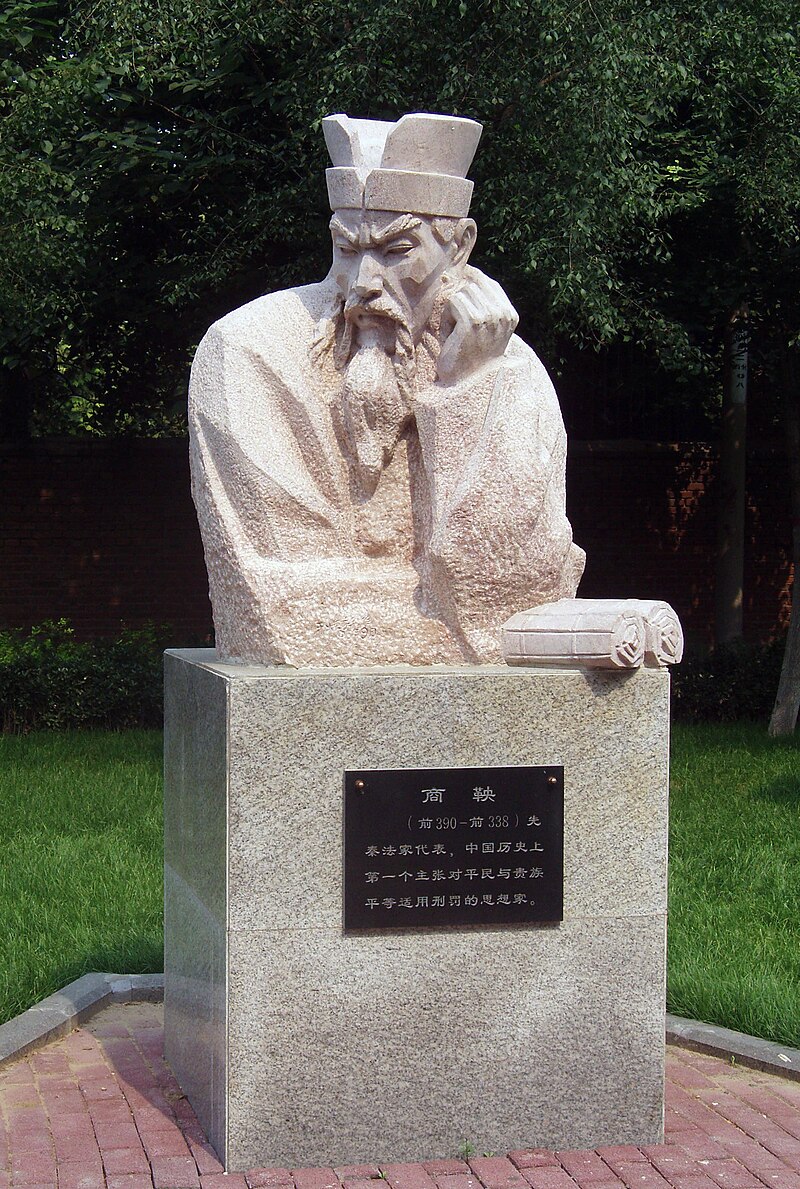
Legalism
one of the six classical schools of thought in Chinese philosophy
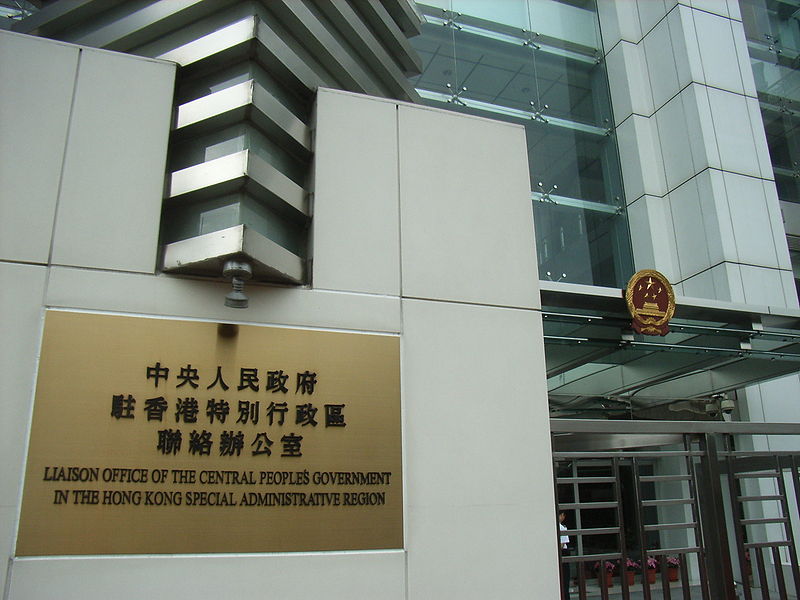
One country, two systems
constitutional principle of the People's Republic of China

Constitution of the People's Republic of China
constitution of China
social credit system
national reputation system being developed by the Chinese government
politics of the People's Republic of China
national political overview of the People's Republic of China
Chinese Dream
Chinese ideology associated with China's dictator Xi Jinping
religion in China
religion in the country
cross-strait relations
relations between the People's Republic of China (mainland China) and Republic of China (Taiwan)
paramount leader of the People's Republic of China
an unofficial title of the de facto head of state in China, usually the General Secretary or Chairman of the Chinese Communist Party
Deng Xiaoping Theory
ideology of Deng Xiaoping
Five Principles of Peaceful Coexistence
1954 treaty of cooperation between China and India
Chinese unification
potential union of the People's Republic of China and Taiwan
presidium
A presidium or praesidium is a council of executive officers in some countries' political assemblies that collectively administers its business, either alongside an individual president or in place of one. In Romance-speaking countries such as Spain, France, and Italy, this council is typically called the bureau. The term is also sometimes used for the governing body of European non-state organisations.
Scientific Outlook on Development
socio-economic principle of the Chinese Communist Party
Chairman of the Chinese Communist Party
Leader of the Chinese Communist Party between 1945 and 1982
generations of Chinese leadership
Historical periods for the Chinese Communist Party and military officials
Socialist Harmonious Society
Chinese Communist Party philosophy
Sick man of Asia
geopolitical designation
Five Black Categories
five groups considered enemies of the Cultural Revolution
Chinese New Left
Chinese political faction

Princeling
The Princelings (), also translated as the '''Party's Crown Princes''', are the descendants of prominent and influential senior communist officials in the People's Republic of China. It is an informal, and often derogatory, categorization to signify those believed to be benefiting from nepotism and cronyism, by analogy with the crown prince (Chinese: taizi) in hereditary monarchies. Many of its members have held high-level political and business positions in the upper echelons of power.
Grass Mud Horse
Chinese slang and Internet meme
corruption in China
corruption in the People's Republic
secession in China

Xi Jinping's cult of personality
cult of personality developing around Chinese Communist Party leader Xi Jinping

Mao Zedong's cult of personality
state-sponsored veneration of Mao Zedong
Core Socialist Values
set of official interpretations of socialism in the Chinese Communist Party, promoted in 2012: prosperity, democracy, civility, harmony; freedom, equality, justice, rule of law; patriotism, dedication, integrity, friendship
Moderately prosperous society
Deng Xiaoping’s concept of a society in which most people are moderately well off and middle class
Mango worship
veneration of mangoes in Mainland China during the Cultural Revolution period
Naked official
official of the Chinese Communist Party whose family and assets are abroad
Promotion of Putonghua
campaigns to shift Chinese dialects to Standard Mandarin
Hu–Wen Administration
2002–2013 Chinese administration of Hu Jintao and Wen Jiabao
Cake theory
Chinese political metaphor
federalism in China
political philosophy
United States of China
political concept first devised in the early 1920s of a federalized China modeled closely after the United States of America
Union of Chinese Nationalists
political party
great rejuvenation of the Chinese nation
political principle of the Chinese Communist Party
All-China Federation of Industry and Commerce
non-governmental chamber of commerce in China
American espionage in China
espionage against the People's Republic of China committed by the United States of America
Taiwan, China
controversial term that describes Taiwan and its related territories as part of the People's Republic of China
Han nationalism
Chinese nationalism applied exclusively to the Han Chinese ethnicities
Han chauvinism
ethnocentric attitudes among ethnic Han within China

Patriotic Education Campaign
1990s political campaign in China
petitioning in China
administrative process in China
Guangdong model
democracy in China
overview of political concepts
orders of precedence in the People's Republic in China
overview about the orders of precedence in the People's Republic in China
Two Sessions
collective term for the annual plenary sessions of the National People's Congress and of the National Committee of the Chinese People's Political Consultative Conference
whole-process people’s democracy
Chinese Communist Party concept
one institution with two names
nomenclature arrangement for Chinese government bodies