Category
page 1Prehistoric insects of North America
.jpg)
Sphecomyrma
Sphecomyrma is an extinct genus of ants which existed in the Cretaceous approximately 79 to 92 million years ago. The first specimens were collected in 1966, found embedded in amber which had been exposed in the cliffs of Cliffwood, New Jersey, by Edmund Frey and his wife. In 1967, zoologists E. O. Wilson, Frank Carpenter and William L. Brown, Jr. published a paper describing and naming Sphecomyrma freyi. They described an ant with a mosaic of features—a mix of characteristics from modern ants and aculeate wasps. It possessed a metapleural gland, a feature unique to ants. Furthermore, it was w
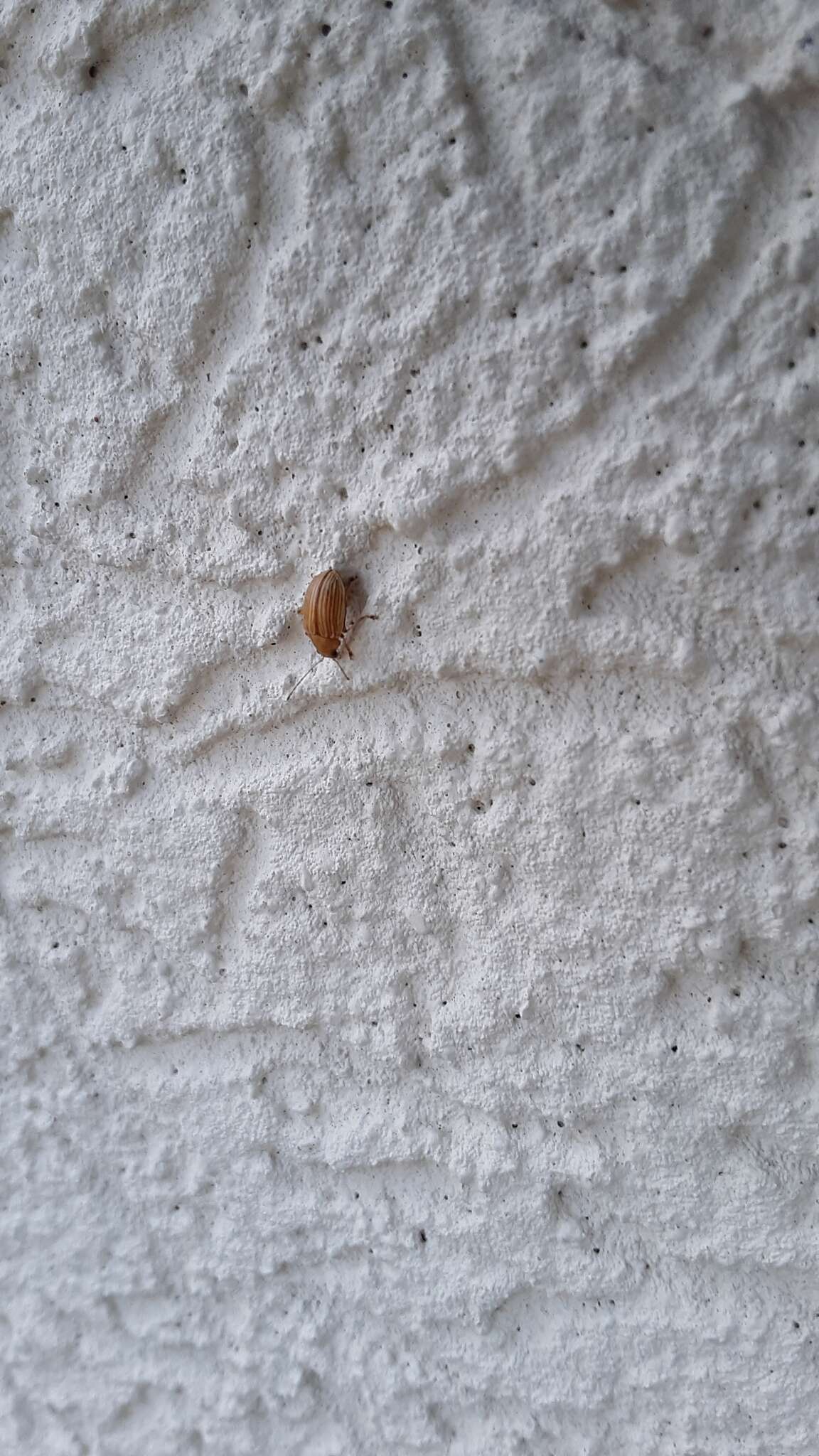
Colaspis
Colaspis is a genus of leaf beetles in the subfamily Eumolpinae. It is one of the largest genera in the subfamily, containing over 200 species, and it is known from both North and South America. A number of species from this genus are considered to be pests, such as the grape colaspis (Colaspis brunnea). Some species are known from the fossil record from the Eocene of Colorado in the United States.

Palaeovespa
Palaeovespa is an extinct genus of wasp in the Vespidae subfamily Vespinae. The genus currently contains eight species: five from the Priabonian stage Florissant Formation in Colorado, United States, two from the middle Eocene Baltic amber deposits of Europe, and one species from the late Paleocene of France.

Eulithomyrmex
Eulithomyrmex is an extinct genus of ant in the formicid subfamily Agroecomyrmecinae. The genus contains two described species, Eulithomyrmex rugosus and Eulithomyrmex striatus. Eulithomyrmex is known from a group of Late Eocene fossils which were found in North America.
Aphaenogaster mayri
species of insect (fossil)
Praepapilio
Praepapilio is an extinct genus of swallowtail butterfly from the middle Eocene deposits of Colorado, United States, comparable to the Lutetian epoch in age. The genus is considered to be the only representative of the fossil subfamily Praepapilioninae.
Aphaenogaster donisthorpei
species of insect (fossil)
Prodryas
Prodryas persephone is an extinct species of brush-footed butterfly, known from a single specimen from the Chadronian-aged Florissant Shale Lagerstätte of Late Eocene Colorado. P. persephone is the first fossil butterfly to be found in North America, and is exquisitely well preserved. Its closest extant relatives are the mapwings and African admirals of the genera Hypanartia and Antanartia, respectively.
Adelopsyche
Adelopsyche is an extinct genus of moths in the family Psychidae. The single species, Adelopsyche frustans, was found in the Florissant Fossil Beds National Monument in Colorado, United States. The fossil is dated to the Late Eocene.
Megatypus
Megatypus is an extinct genus of insect of the order Meganisoptera. Species in this genus were much larger than their modern relatives, dragonflies and damselflies, its single wing length is .
Protohepialus comstocki
Protohepialus is an extinct genus of moth in the family Hepialidae. It contains only one species, Protohepialus comstocki, which was described from a Tortonian marine shale (Upper Miocene) in the Puente Formation of California.