Category
page 1Science and technology articles needing translation from Japanese Wikipedia

Macaca fuscata
species of mammal
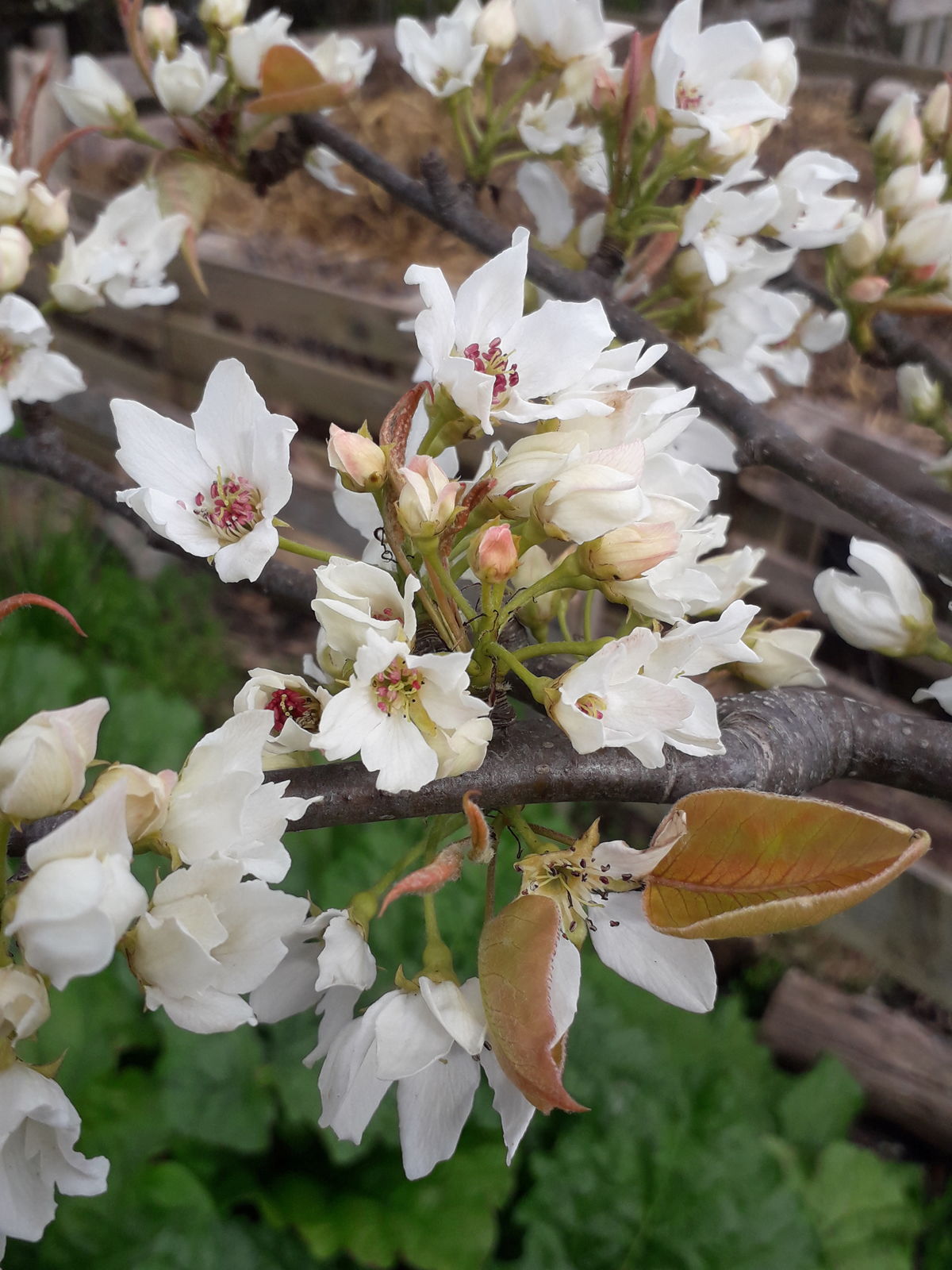
Pyrus pyrifolia
species of pear

Motacilla grandis
species of bird

Vespinae
The subfamily Vespinae contains the largest and best-known groups of eusocial wasps, including true hornets (the genus Vespa), and the "yellowjackets" (genera Dolichovespula and Vespula). The remaining genus, Provespa, is a small, poorly known group of nocturnal wasps from Southeast Asia. One genus, Palaeovespa, has been described in the Paleocene to Eocene fossil records of North America and Europe. Collectively, the group can be found on all continents except Antarctica, and several of these wasps are invasive species, introduced beyond their native ranges, and can be major pests.
thumb|left
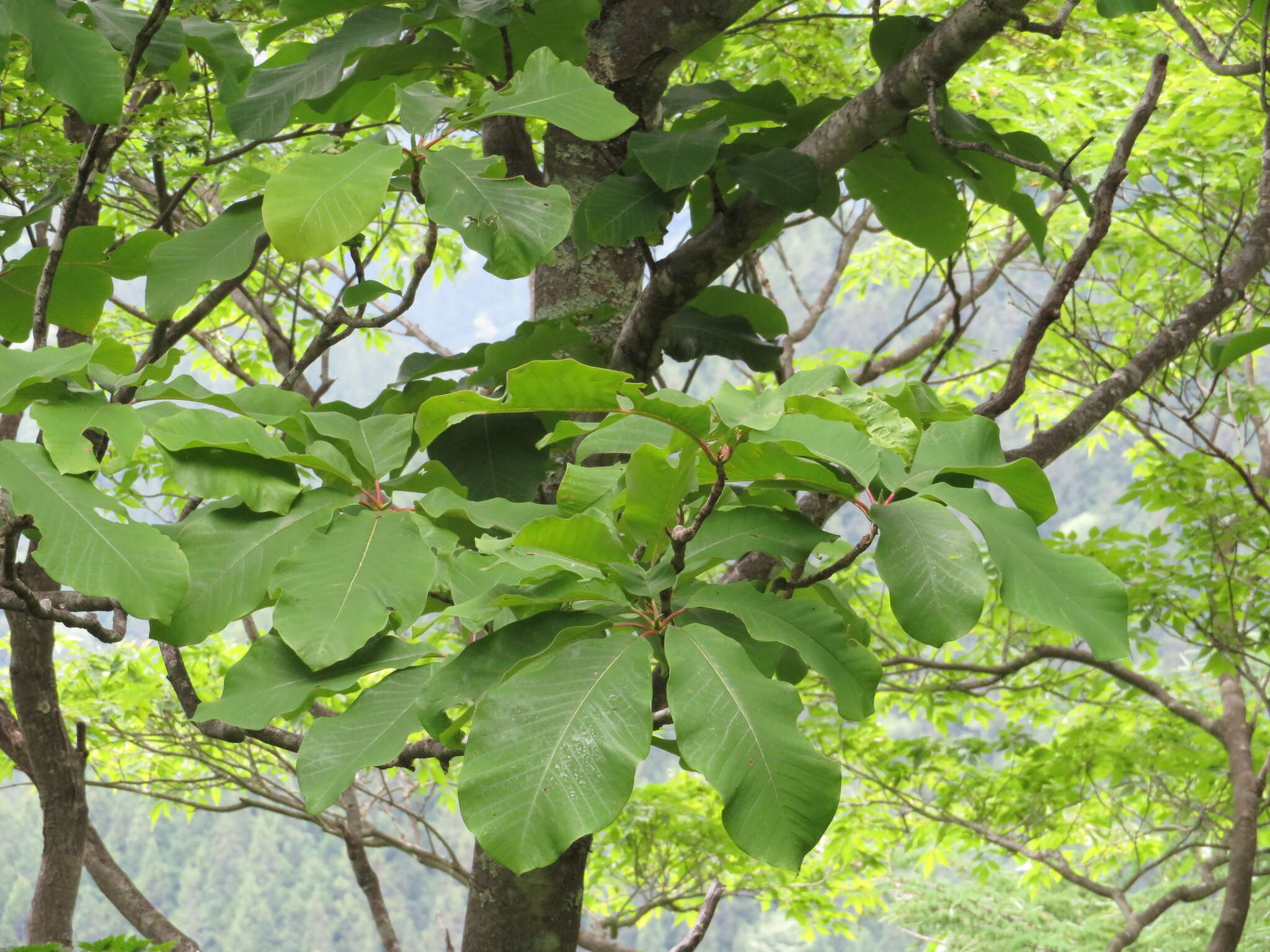
Magnolia obovata
species of plant
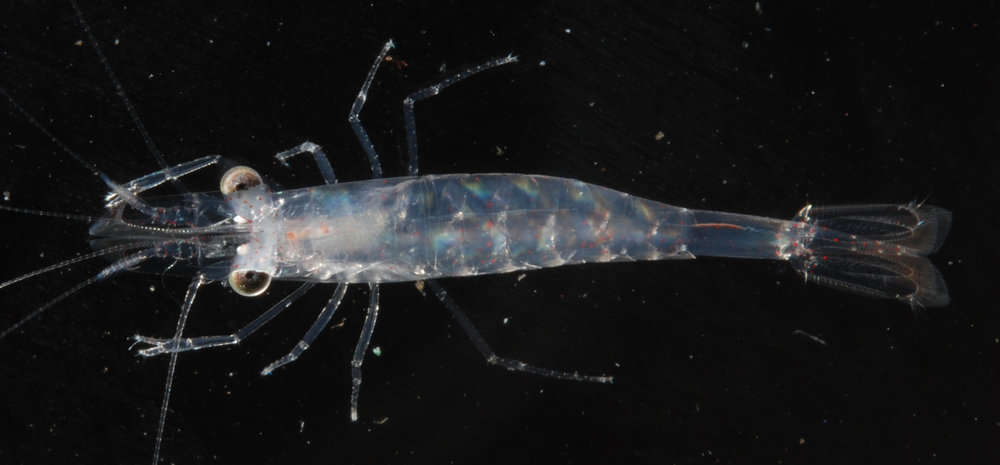
Penaeidae
Penaeidae is a family of marine crustaceans in the suborder Dendrobranchiata, which are often referred to as penaeid shrimp or penaeid prawns. The Penaeidae contain many species of economic importance, such as the tiger prawn, whiteleg shrimp, Atlantic white shrimp, and Indian prawn. Many prawns are the subject of commercial fishery, and farming, both in marine settings, and in freshwater farms. Lateral line–like sense organs on the antennae have been reported in some species of Penaeidae. At , the myelinated giant interneurons of pelagic penaeid shrimp have the world record for impulse conduc
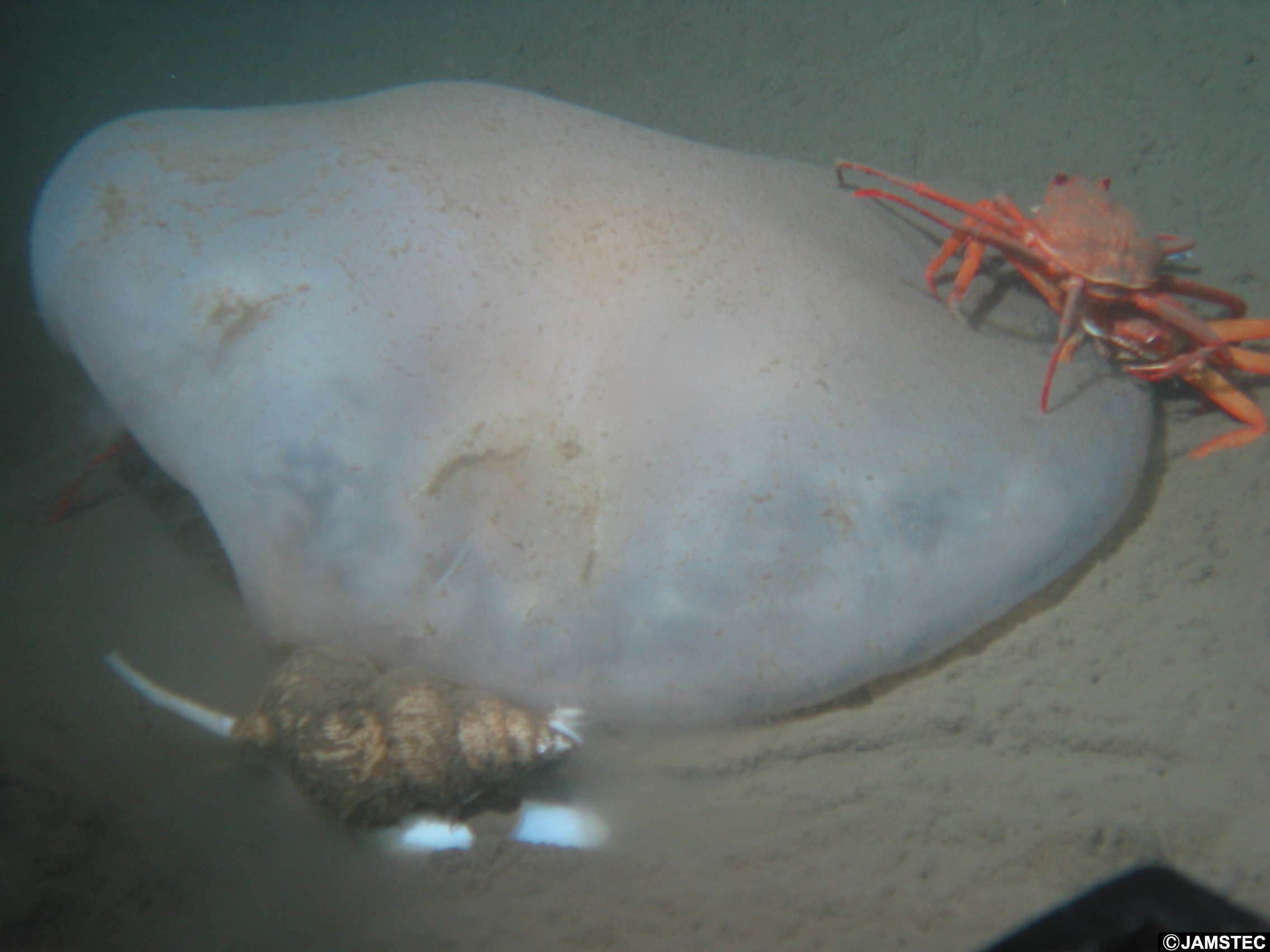
Nemopilema nomurai
species of cnidarian
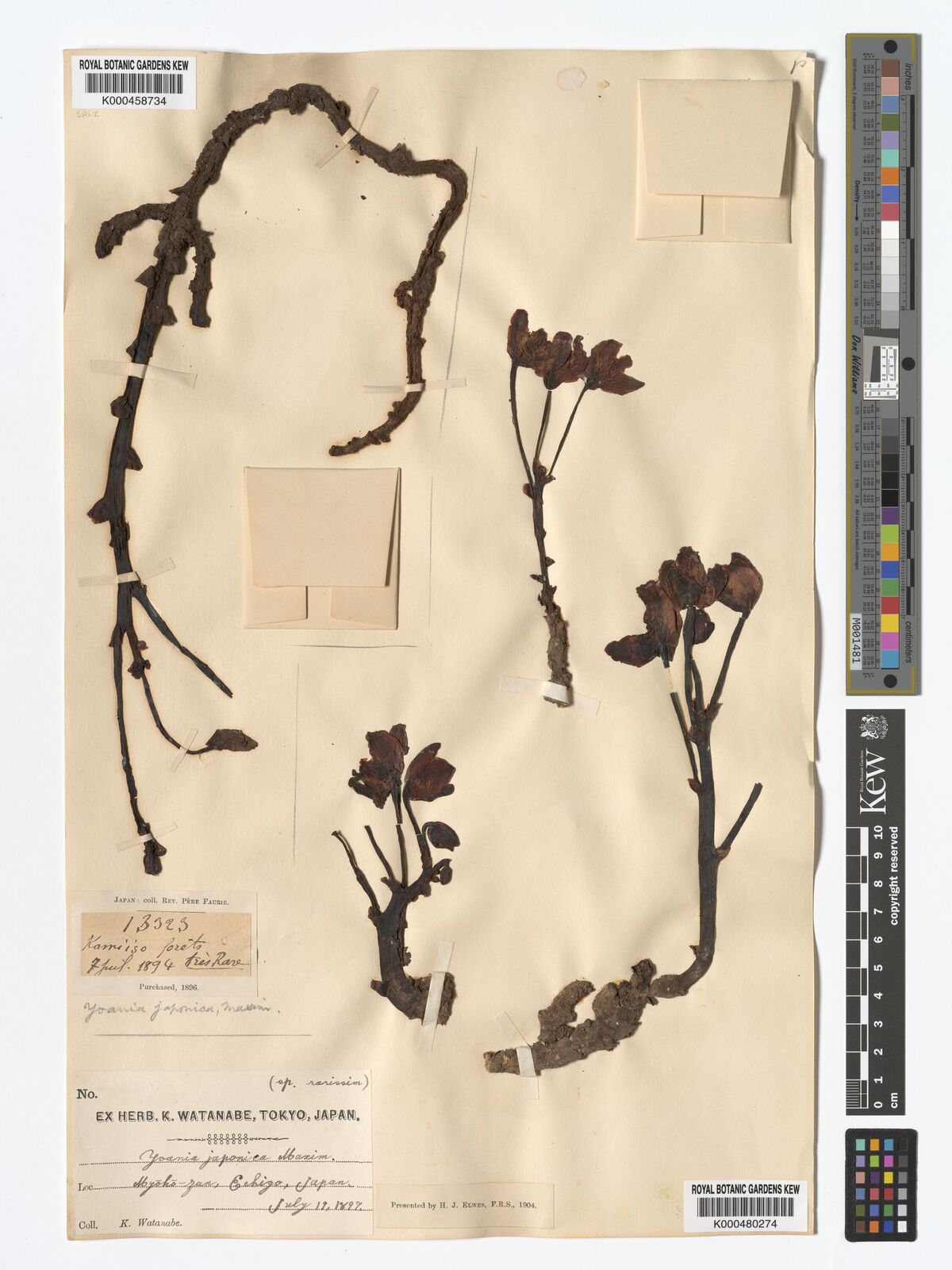
Yoania
Yoania is a genus of flowering plants from the orchid family, Orchidaceae. It described in 1872 by Russian botanist Karl Maximovich and was named after Japanese polymath and botanist Udagawa Yōan.
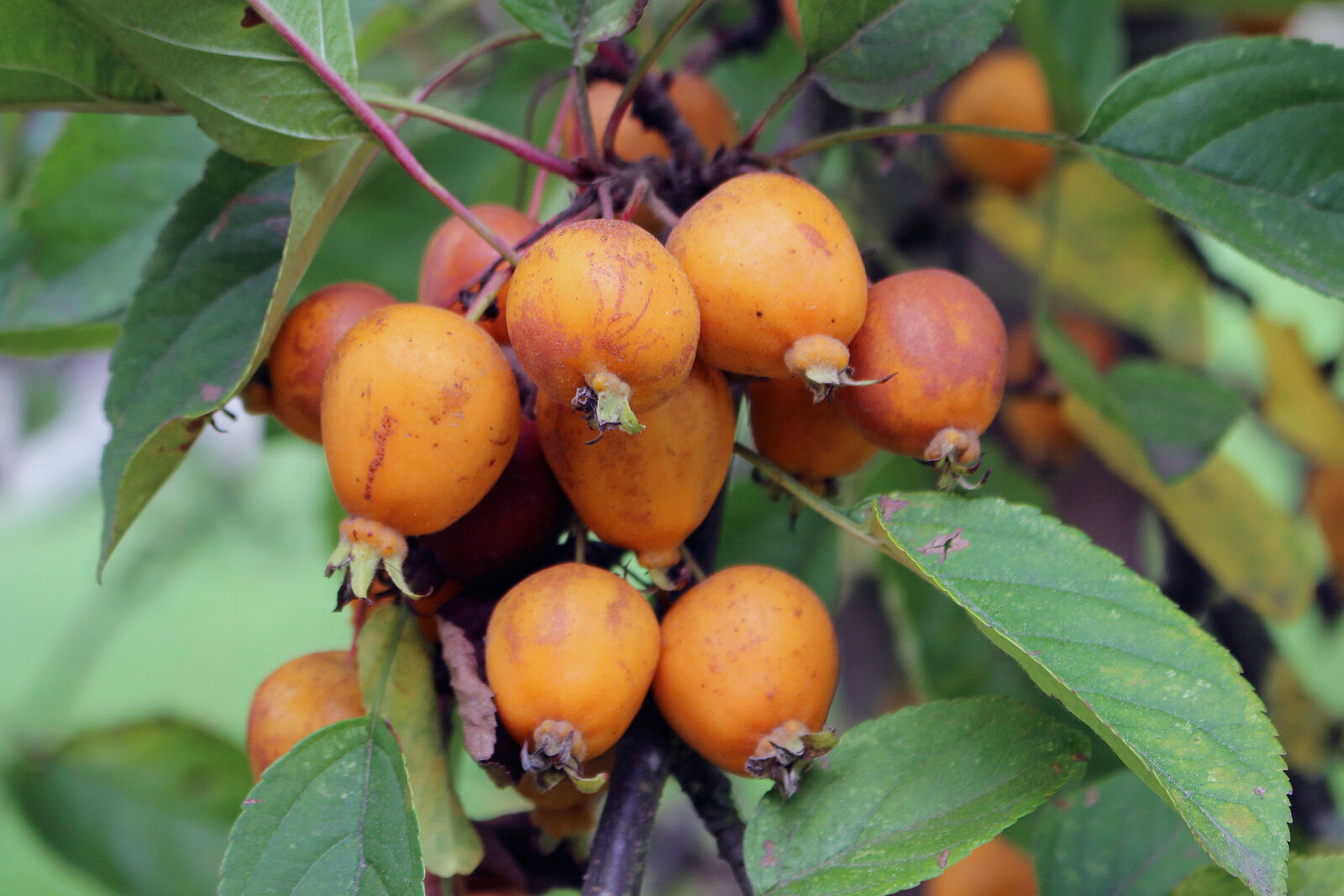
Malus asiatica
species of plant
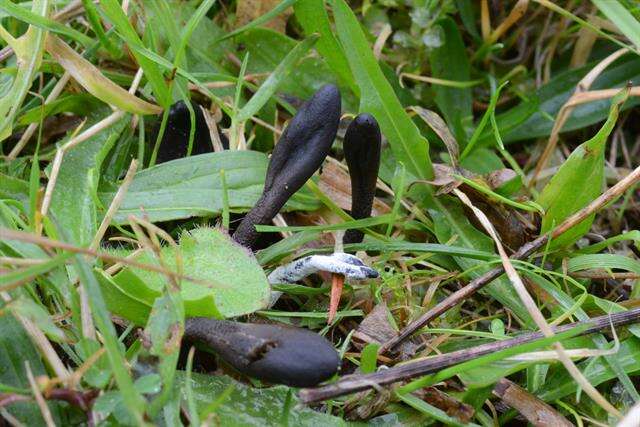
Hypomyces
Hypomyces is a genus of parasitic ascomycete fungi found in Europe, North America, Australia, and parts of China. The genus contains 53 species. Better known species include the lobster mushroom (Hypomyces lactifluorum) and the bolete eater (Hypomyces chrysospermus).
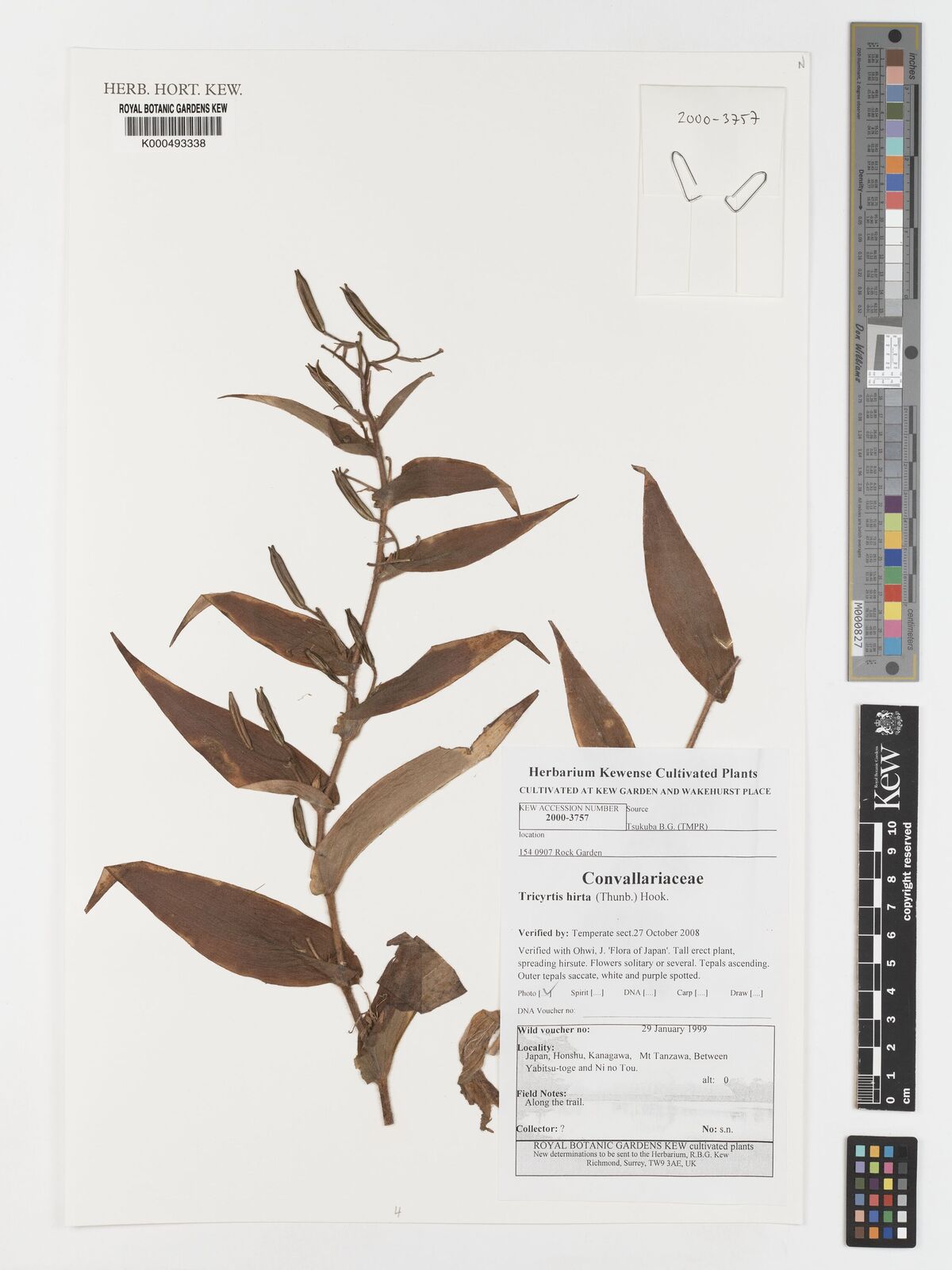
Tricyrtis hirta
species of plant
TRON project
real-time operating system
Earthquake Early Warning
Japanese system to alert of impending earthquakes
Watanabe Kazan
samurai of the late Edo period, painter, scholar and statesman (1793-1841)

Doraemon
1986 video game
Himawari
series of Japanese meteorological satellites

Ninja Hattori-kun
1986 video game
Cladosiphon okamuranus
species of alga
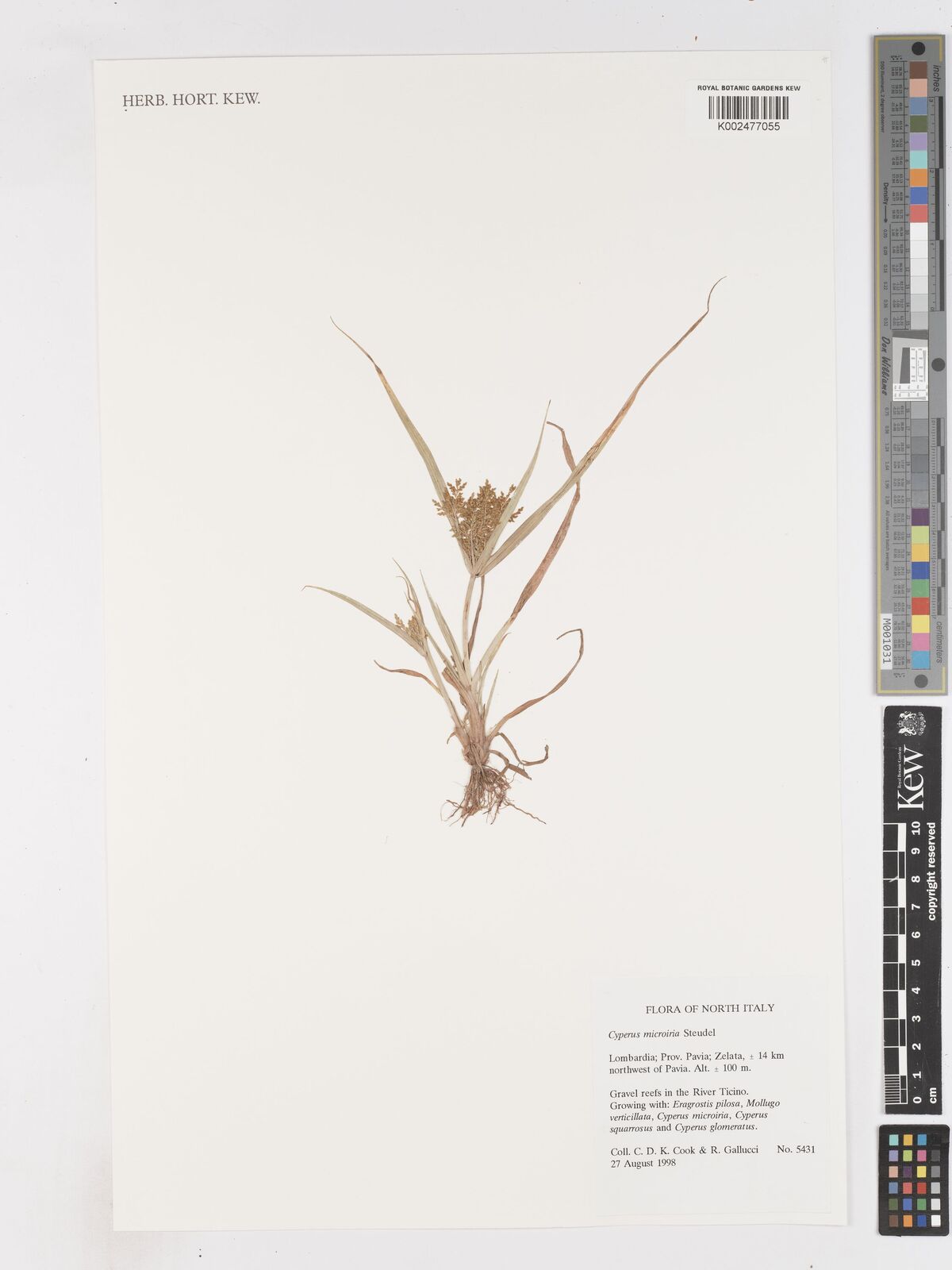
Cyperus microiria
species of plant

Star Force
1984 arcade game
D-Terminal
The D-Terminal or D-tanshi () is a type of analog video connector found on Japanese consumer electronics, typically HDTV, DVD, Blu-ray, D-VHS and HD DVD devices. It was developed by the EIAJ (Electronic Industry Association of Japan) in its standard, RC-5237, for use in digital satellite broadcast tuners. In appearance it is a small flat trapezoidal connector, the same connector as the AAUI connector used by Apple Computer for some time to connect to Ethernet.
Yahagi Dam
dam in Gifu and Aichi Prefectures, Japan
Miboro Dam
Japanese dam
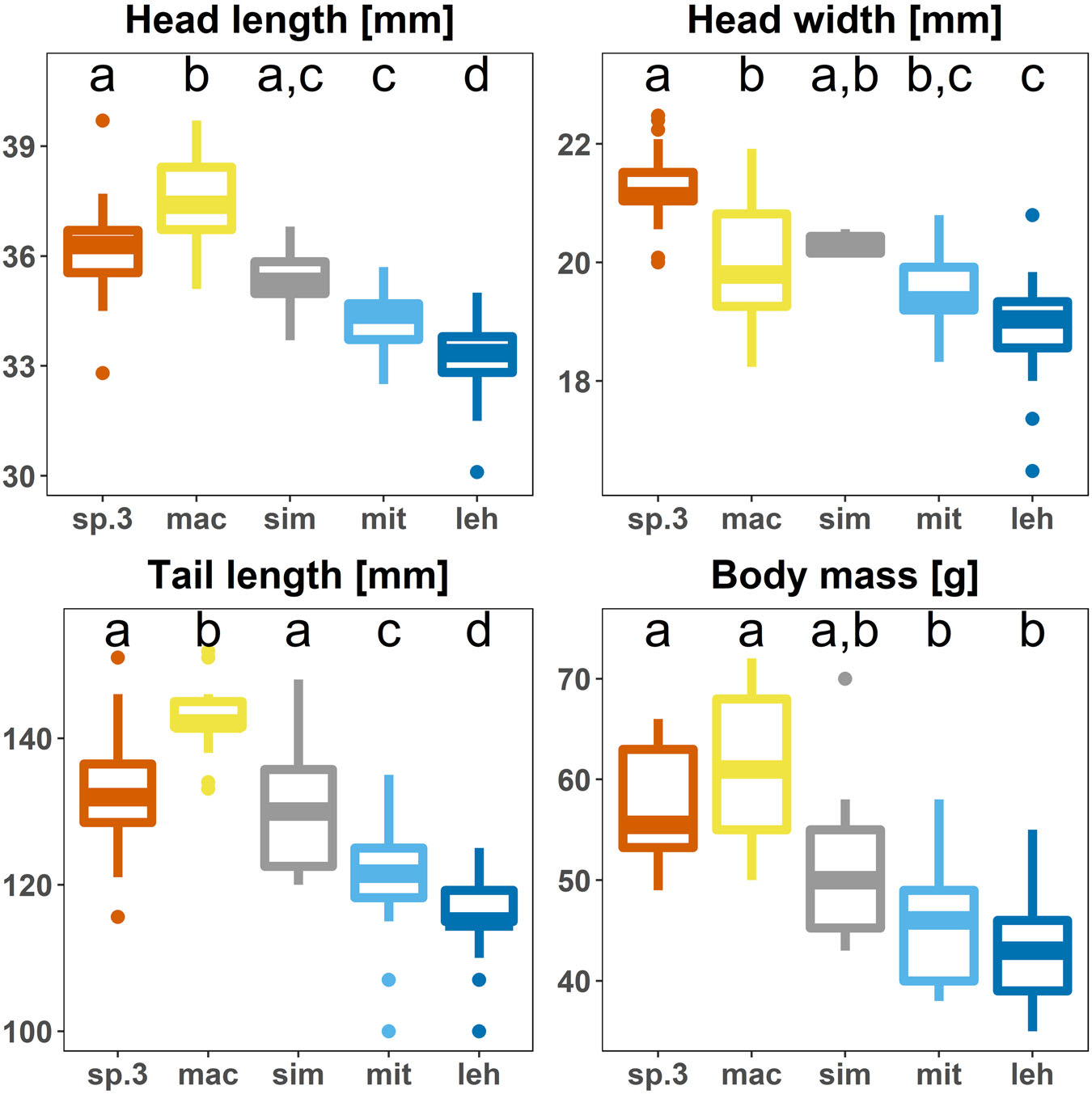
Microcebus jonahi
species of primate
Idiosepius paradoxus
species of mollusc
Tamaki Saitō
Japanese psychiatrist
Maruyama Dam
bridge in Gifu, Japan
Yokoyama Dam
Dam in Ibigawa, Japan

Ure Dam
dam in Aichi Prefecture, Japan
Yokohama Pidgin Japanese
Japanese-based pidgin spoken in the Yokohama area during the late 19th century for communication between Japanese and foreigners
Naramata Dam
dam in Japan
Space One KAIROS
Japanese private small-lift orbital rocket
DMM.com
is a Japan-based electronic commerce and Internet company with a diversified group of businesses that includes online shopping, eikaiwa, and video on demand service. The company manages DMM.com, an online entertainment site that allows users to purchase goods and services like e-books, games, mainstream DVD releases, and 3D printing. As of February 2024, DMM.com had over 45 million registered users.
Kaneyama Dam
Japanese dam
Haizuka Dam
dam in Hiroshima Prefecture, Japan
Kamiosu Dam
dam in Gifu Prefecture, Japan
Hatori Dam
dam in Fukushima Prefecture, Japan
Kusaki Dam
dam in Japan
Hyugami Dam
dam in Fukuoka Prefecture, Japan
Abukuma-do
Abukuma-dō (あぶくま洞 - Abukuma Cave) is a limestone cave located in Fukushima Prefecture, Japan. The cave was discovered on August 15, 1969, northeast of the city of Tamura and was originally named Kamayama Shonyu-do (釜山鍾乳洞). It was designated a natural heritage of the town on February 7, 1971, and renamed Abukuma-dō on June 1,1973. Visitors can traverse a 600-metre-long path inside the cave as well as a 120-metre-long exploration course to view the stalactites and stalagmites. Each stalactite has taken more than eighty million years to form. Beyond the public areas lie about 2,500 metres of cave
Terauchi Dam
dam in Fukuoka Prefecture, Japan
Mazegawa Dam
Japanese dam
Inunaki Dam
dam in Japan
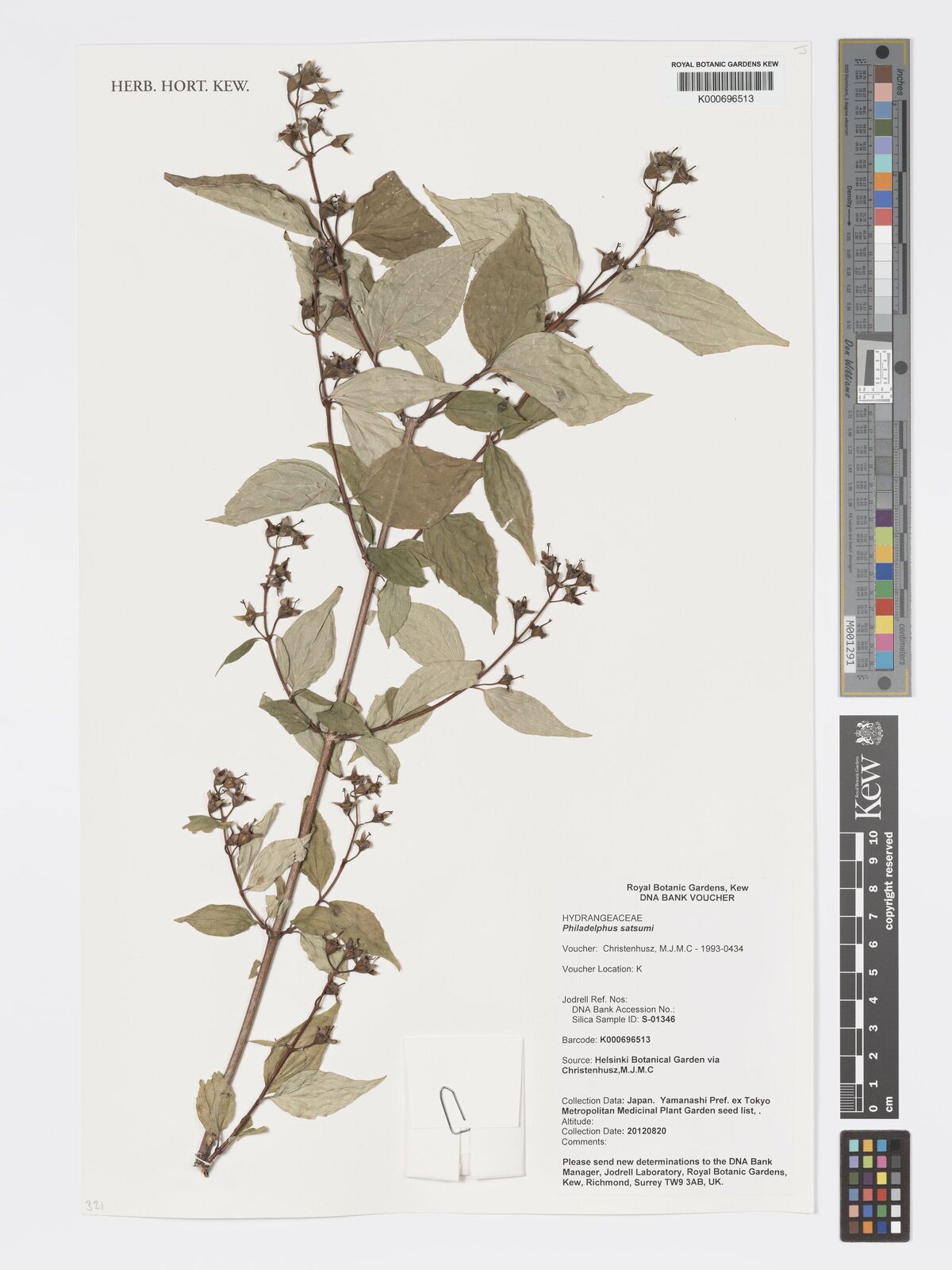
Philadelphus satsumi
species of plant
Iwaya Dam
Japanese dam
Takane No.1 Dam
dam in Gifu Prefecture, Japan
Nukui Dam
dam in Hiroshima Prefecture, Japan
Masutani Dam
dam in Fukui Prefecture, Japan
Hoheikyo Dam
dam in Hokkaidō Prefecture, Japan
Kasagi Dam
Japanese dam
Spaceport Kii
spaceport in Japan
Tedorigawa Dam
dam in Ishikawa Prefecture, Japan
Hattabara Dam
dam in Hiroshima Prefecture, Japan

Shimagawa Dam
dam in Japan
Nerita japonica
species of mollusc
Ikuno Dam
dam in Hyōgo Prefecture, Japan
Tominaga Dam
dam in Toyone, Aichi Prefecture, Japan
Kuzuryu Dam
dam in Japan

Sasogawa Dam
dam in Fukui Prefecture, Japan
Tateiwa Dam
dam in Hiroshima Prefecture, Japan