Category
page 1Spiders of North America

black widow spider
species of arachnid
Zebra spider
species of arachnid

Misumena vatia
species of arachnid

giant house spider
species of arachnid
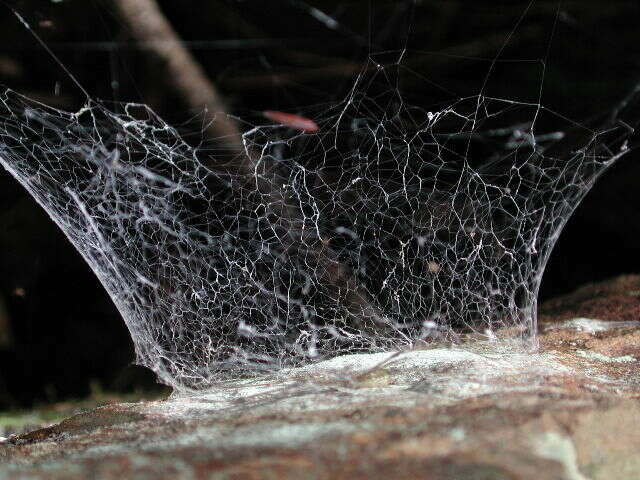
Hypochilidae
family of arachnids

Phidippus audax
species of arachnid

Eratigena agrestis
species of Arachnida

Brachypelma
Brachypelma is a genus of spiders in the family Theraphosidae (tarantulas). They may have bodies up to long with legs of similar or greater lengths. Some species have brightly colored legs, with red or orange marks and rings.
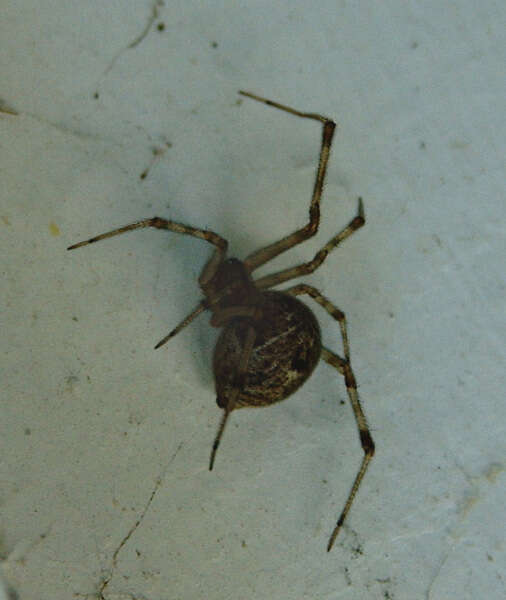
Parasteatoda tepidariorum
species of arachnid

Tetragnatha extensa
species of arachnid
Phidippus
Phidippus is a genus in the family Salticidae (jumping spiders). Some of the largest jumping spiders inhabit this genus, and many species are characterized by their brilliant, iridescent green chelicerae. Phidippus is distributed almost exclusively in North America, with the exception of two exported species (Phidippus audax and Phidippus regius). , there were about 80 described species in the genus. Species previously described in Phidippus which are found in India and Bangladesh do not belong in this genus.

Loxosceles
genus of arachnids
Marpissa
Marpissa is a genus of jumping spiders that was first described by Carl Ludwig Koch in 1846.
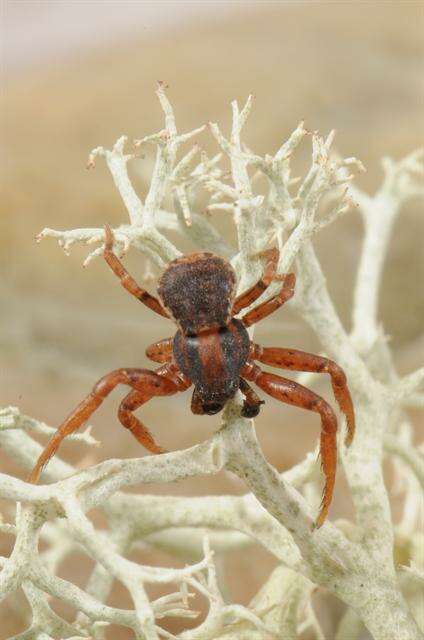
Ozyptila
Ozyptila is a genus of crab spiders that was first described by Eugène Louis Simon in 1864. It has been misspelled as "Oxyptila" in multiple accounts.

Latrodectus hesperus
species of arachnid
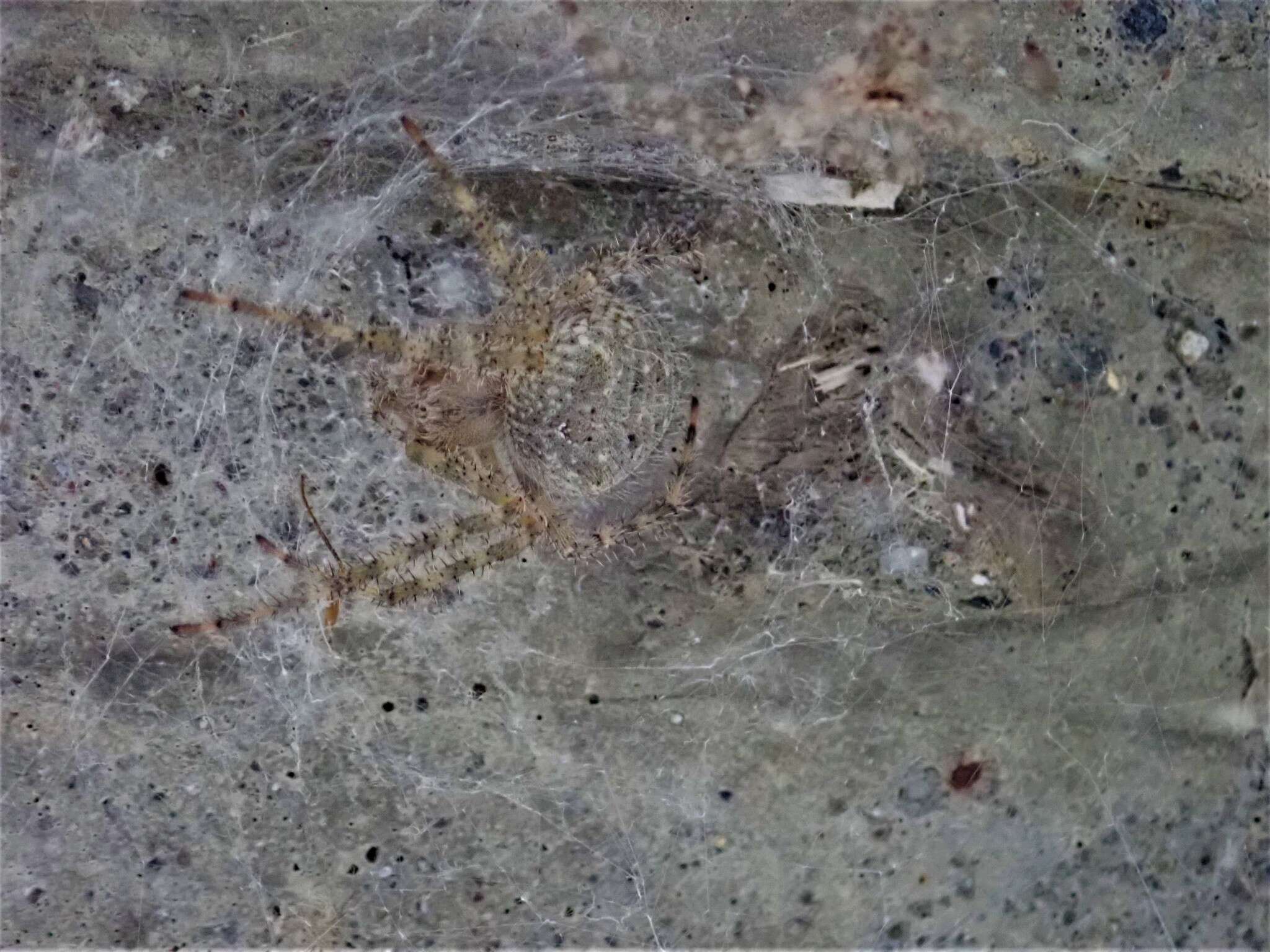
Barn spider
species of arachnid
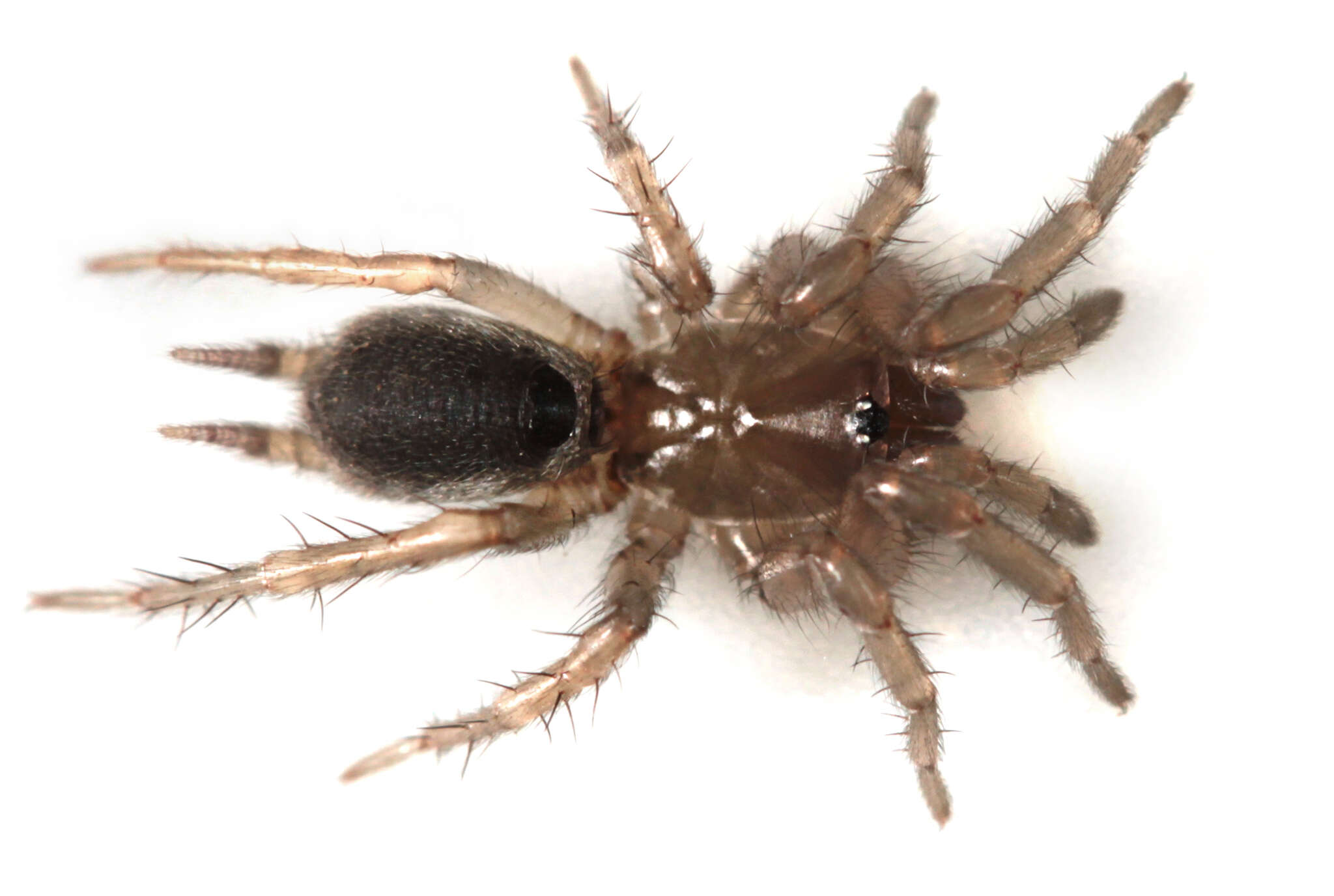
dwarf tarantula
type of spider

Gasteracantha cancriformis
species of arachnid

Cyclocosmia
Cyclocosmia is a genus of mygalomorph trapdoor spiders in the family Halonoproctidae, first described by Anton Ausserer in 1871. Originally placed with the Ctenizidae, when the family split in 2018, this genus was placed with the Halonoproctidae as the type genus. The name is derived from the Greek "kyklos" (), meaning "circle", and "kosmeo" (), meaning "to adorn".
Zygiella
Zygiella is a genus of orb-weaver spiders that can be found globally. They are notable for their webs having a missing sector with it having only a single tread.
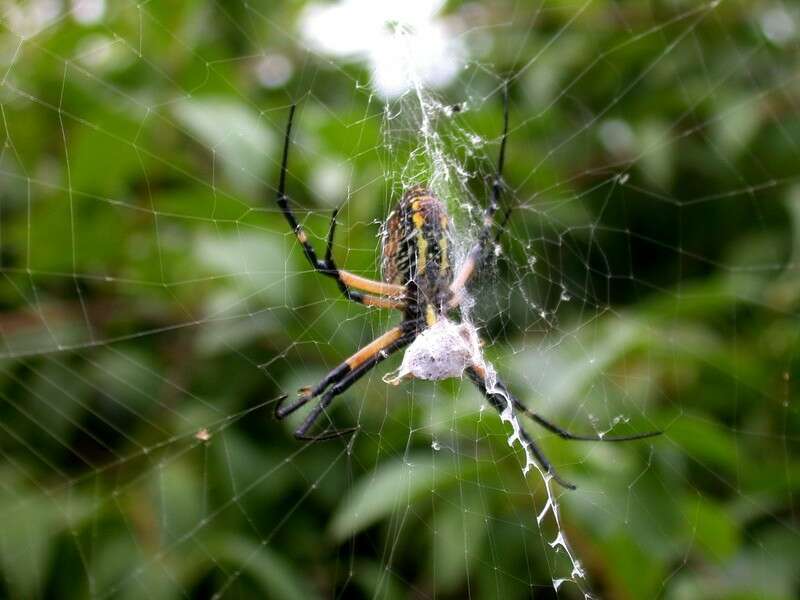
Argiope aurantia
species of spider
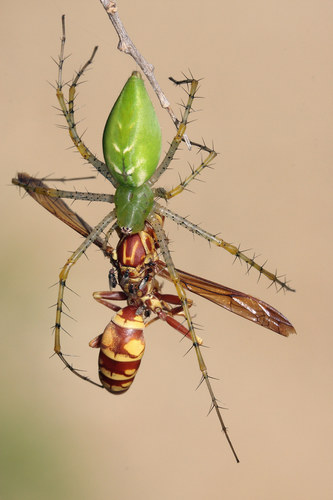
Peucetia
Peucetia is a genus of lynx spiders that is found worldwide.
Acantholycosa
Acantholycosa is a genus of wolf spiders. Members of this genus can be distinguished from closely related genera by the presence of more than three pairs of ventral tibial spines on each front leg. All are found in Asia and Europe with the exception of Acantholycosa solituda, found in North America.

Aphonopelma
Aphonopelma is a genus of tarantulas native to the Americas. It includes nearly all the North American tarantula species north of Mexico and a considerable percentage of the tarantula species that range into Central America. Most are fairly large tarantulas with leg spans of 6 in (16 cm) or more. Like most New World tarantulas, all species of Aphonopelma have urticating hairs. Despite their fearsome appearance, these tarantulas are not harmful to humans and some species are popular in the pet trade. With about 90 species described so far, Aphonopelma comprises about 10% of the total numbe
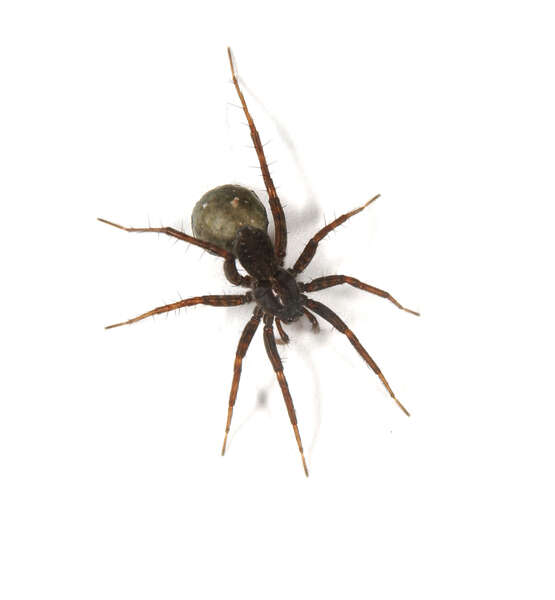
Pirata
genus of arachnids

Trochosa ruricola
species of arachnid

Trichonephila clavipes
species of spider native to the Americas
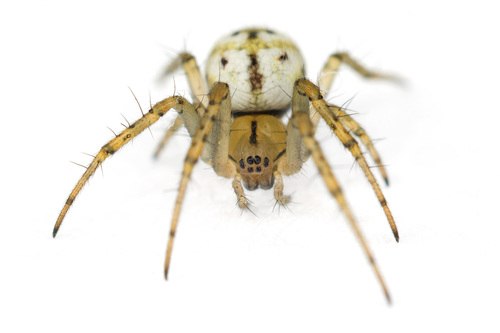
Mangora
genus of arachnids
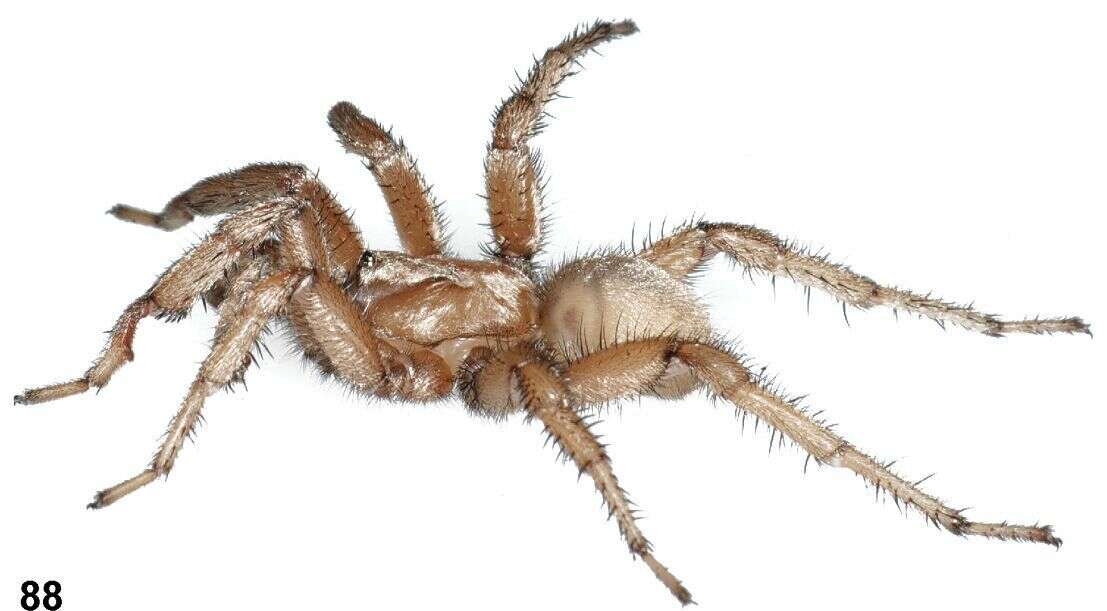
Aptostichus
Aptostichus is a genus of North American mygalomorph spiders in the family Euctenizidae, and was first described by Eugène Simon in 1891. They are found predominantly in southern California, United States.

Argiope argentata
species of arachnid

Amaurobius ferox
species of arachnid
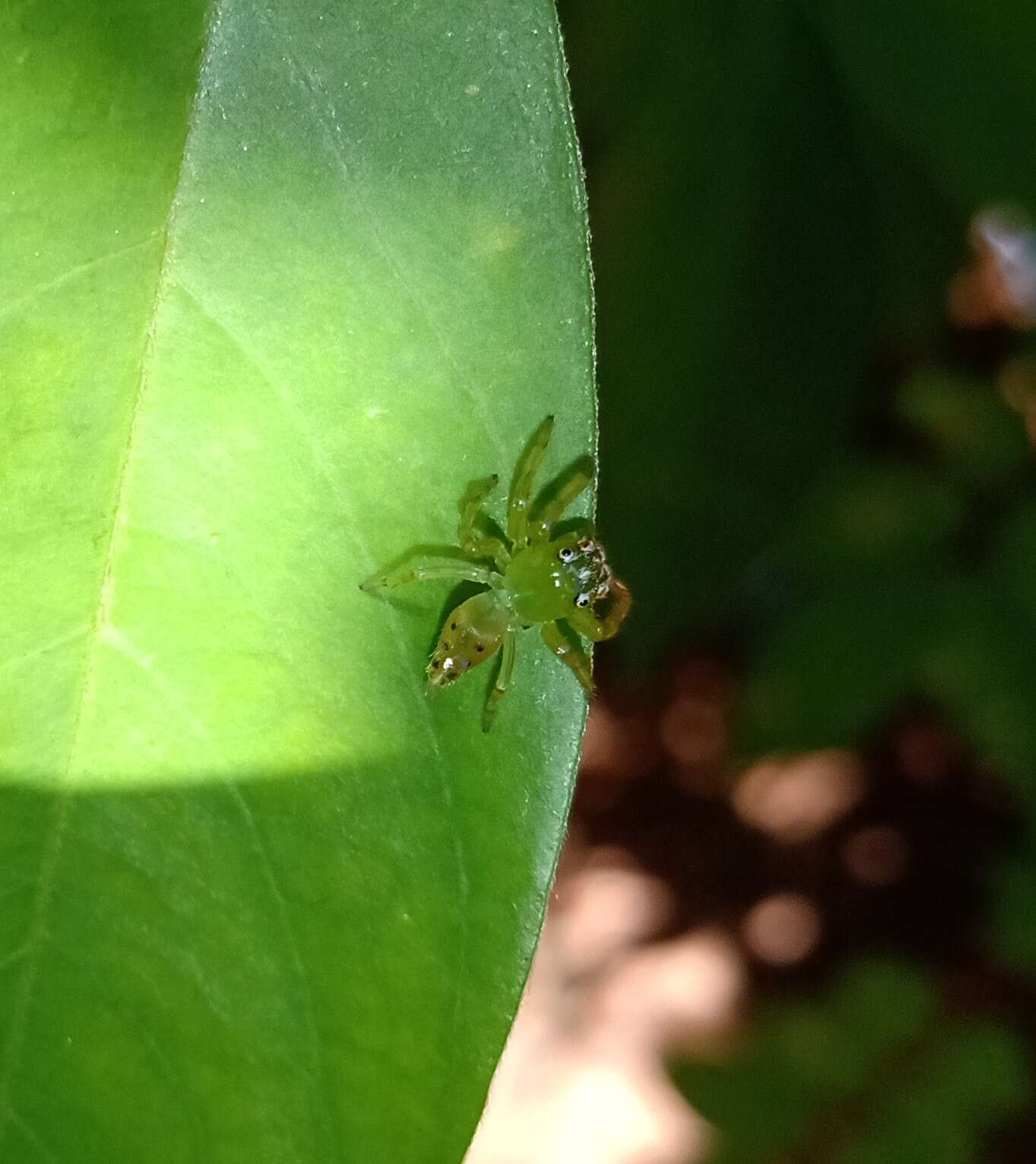
Acragas
genus of arachnids

Metellina segmentata
species of arachnid

Bagheera
genus of arachnids

Peucetia viridans
species of arachnid
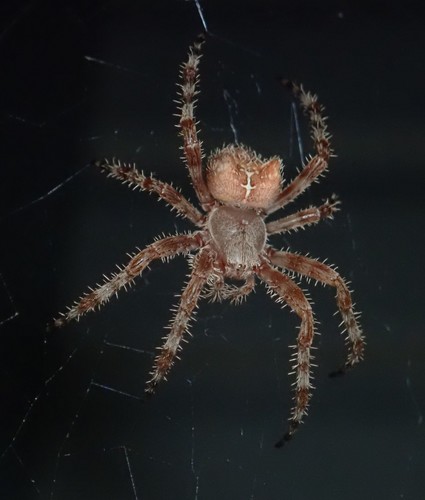
Araneus gemmoides
species of arachnid

Latrodectus variolus
species of arachnid

Phidippus johnsoni
species of arachnid

Metellina
Metellina is a genus of tetragnathid spiders that occurs mostly in Eurasia, with two species found in North America. M. segmentata was introduced to Canada.

Phidippus mystaceus
North American jumping spider

Araneus gemma
species of arachnid
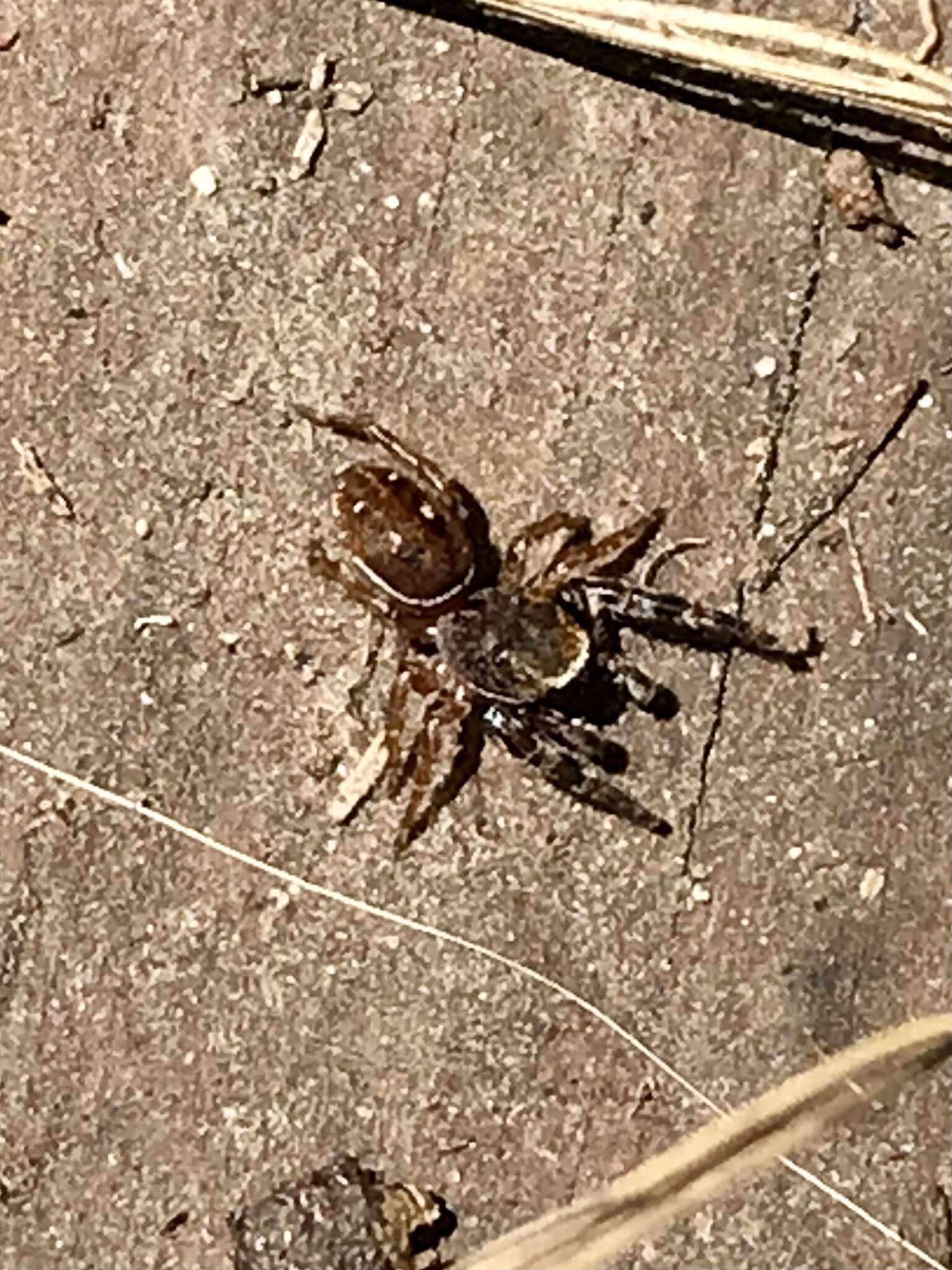
Ghelna
Ghelna is a genus of North American jumping spiders that was first described by Wayne Paul Maddison in 1996.

Eris
genus of arachnids
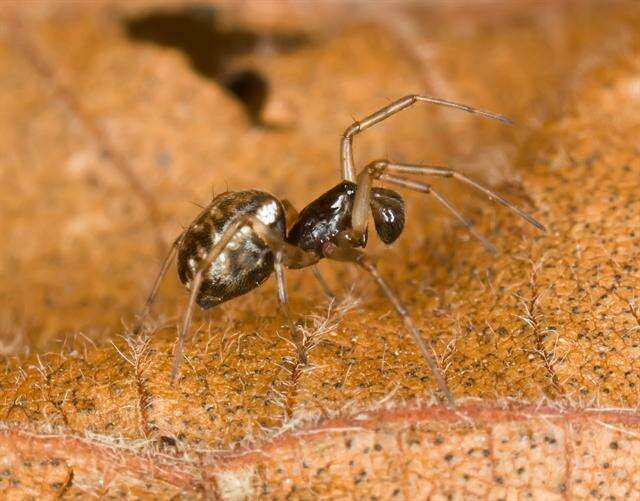
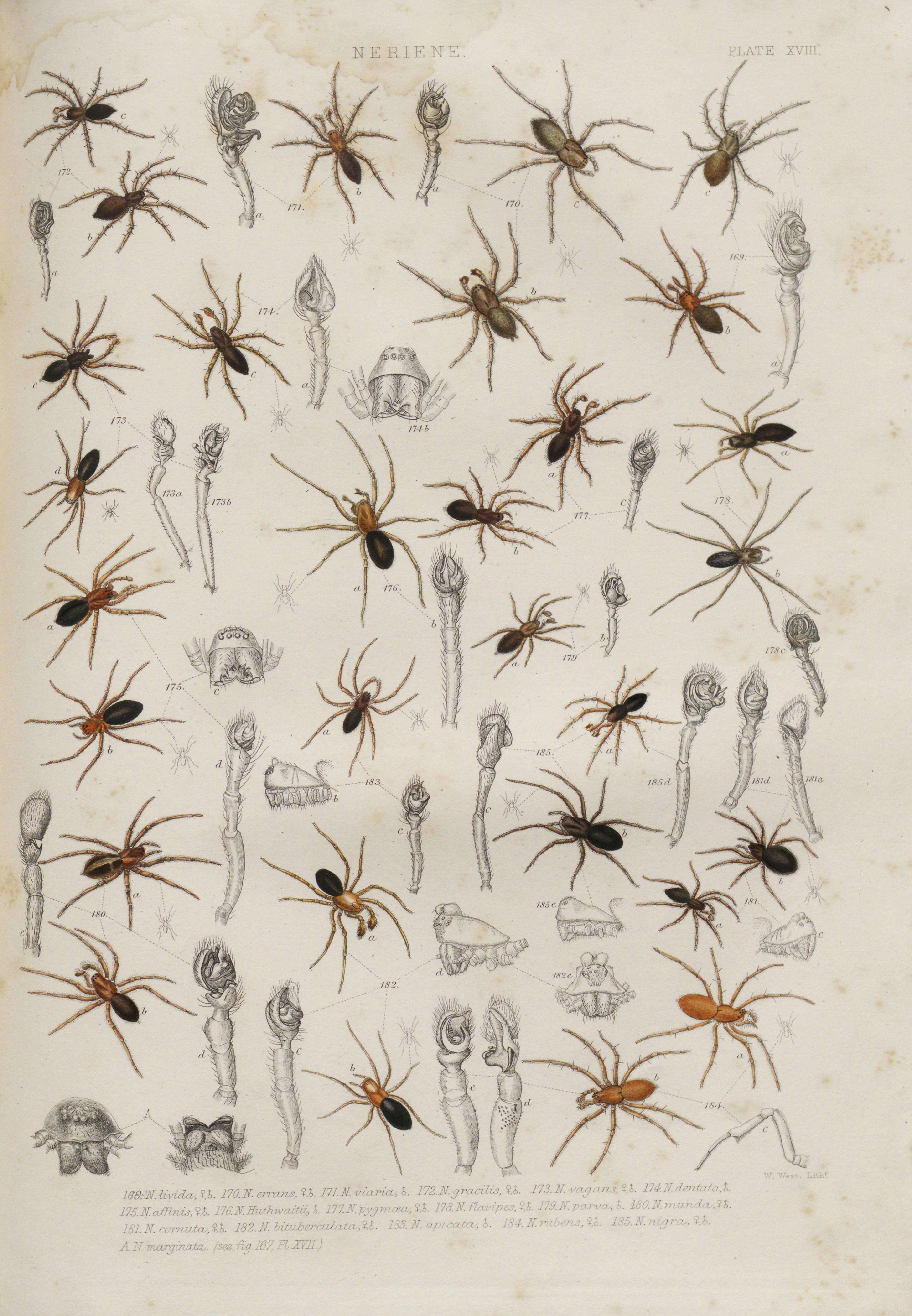
Neriene
Neriene is a genus of sheet weavers that was first described by John Blackwall in 1833.

Blacktailed red sheetweaver
species of arachnid
Dismodicus
Dismodicus is a genus of dwarf spiders that was first described by Eugène Louis Simon in 1884.

Habronattus
Habronattus is a genus in the family Salticidae (jumping spiders). Most species are native to North America. They are commonly referred to as paradise spiders due to their colorful courtship ornaments and complex dances, similar to birds-of-paradise. Males display intricate coloration, while females are cryptic.

Oxyopes salticus
species of arachnid
.jpg)
Sphodros
Sphodros is a genus of North American purseweb spiders first described by Charles Athanase Walckenaer in 1835. It was considered a synonym of Atypus until 1980.

Disembolus
Disembolus is a genus of North American dwarf spiders that was first described by Ralph Vary Chamberlin & Vaine Wilton Ivie in 1933.
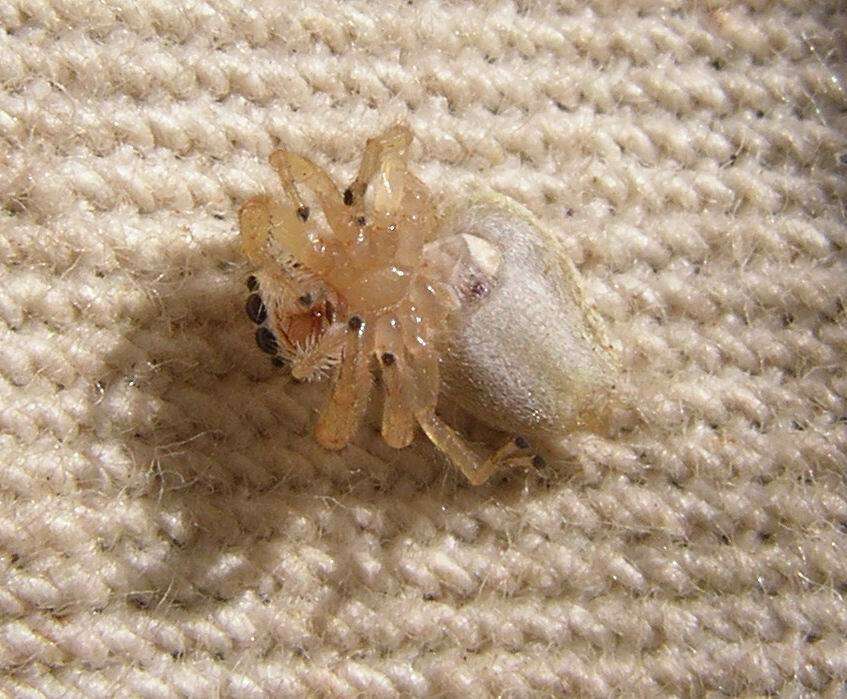
Phanias (spider)
genus of arachnids
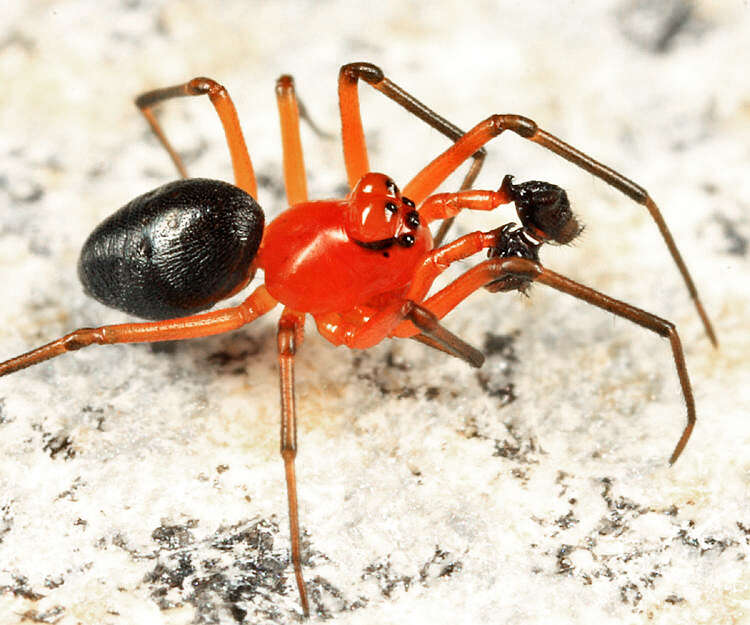
Hypselistes
Hypselistes is a genus of dwarf spiders that was first described by Eugène Louis Simon in 1894.
Cicurina
Cicurina, also called the cave meshweaver, is a genus in the spider family Cicurinidae. It was first described by Anton Menge in 1871. The name is from the Latin root "cucur-", meaning "to tame".

Phlegra
genus of arachnids
Cheniseo
Cheniseo is a genus of North American dwarf spiders that was first described by S. C. Bishop & C. R. Crosby in 1935.
Glyphesis
Glyphesis is a genus of dwarf spiders that was first described by Eugène Louis Simon in 1926.
Dicymbium
Dicymbium is a genus of dwarf spiders that was first described by Anton Menge in 1868.
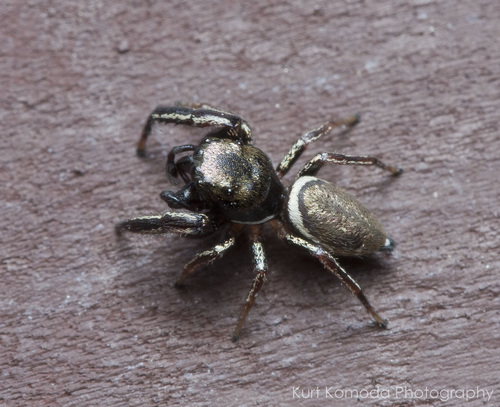
Sassacus
genus of arachnids
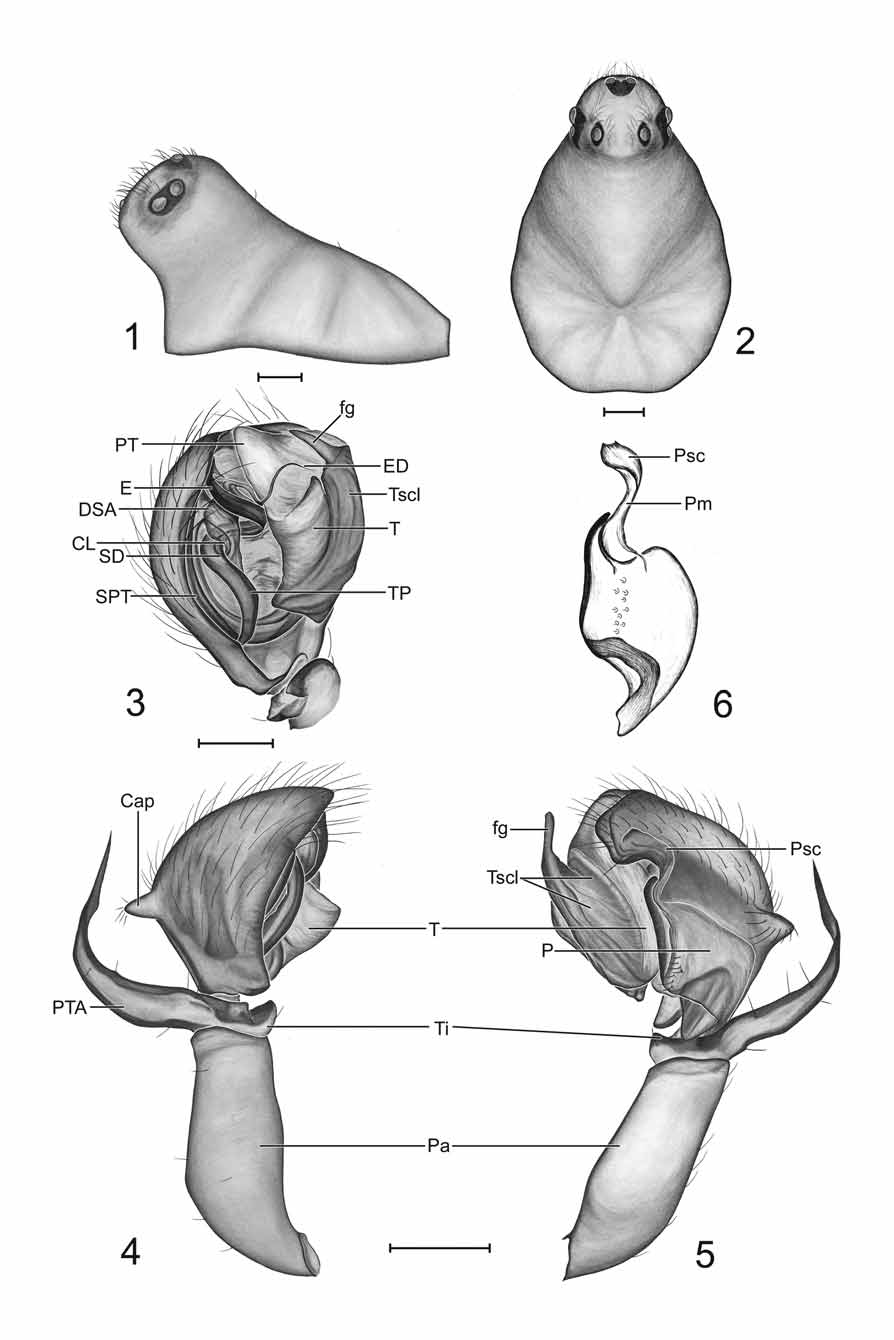
Ceraticelus
Ceraticelus is a genus of dwarf spiders that was first described by Eugène Louis Simon in 1884.

Pelegrina
Pelegrina is a genus of spiders in the jumping spider family Salticidae. They are found throughout North America. Many of the species in the genus Pelegrina were previously placed in the genus Metaphidippus, and before that, in Dendryphantes. The genus was erected in 1930 by the Spanish arachnologist Pelegrín Franganillo Balboa, who named it after himself.