Category
page 1Tairō
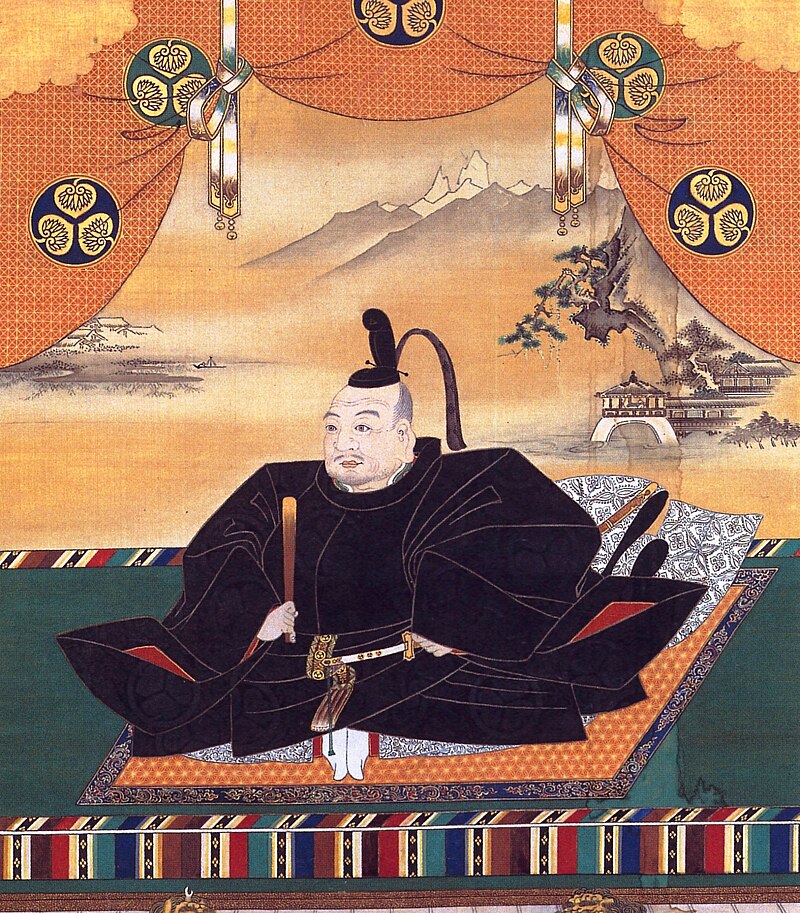
Tokugawa Ieyasu
founder and first shogun of the Tokugawa shogunate of Japan (1543–1616)
Maeda Toshiie
general of Oda Nobunaga following the Sengoku period
Mōri Terumoto
daimyo
Ii Naosuke
daimyo (1815-1860)
Council of Five Elders
form of government in feudal Japan
Ukita Hideie
Daimyo of Bizen and Mimasaka provinces
Tairō
Tairō (, "great elder") was a high-ranking official position in the Tokugawa shogunate government of Japan, roughly comparable to the office of prime minister. The tairō presided over the governing rōjū council in the event of an emergency. A tairō was nominated from among the fudai daimyōs, who worked closely with the Tokugawa traditionally. Generally, the office holder was the shogunate's chief policymaker, and provided Japan with a capable temporary leader in the absence of a shōgun, or in the event that the shōgun was incapacitated.
Uesugi Kagekatsu
daimyo during the Sengoku and Edo periods
Doi Toshikatsu
daimyo
Kobayakawa Takakage
samurai
Yanagisawa Yoshiyasu
daimyo (1658-1714)
Sakai Tadakatsu
daimyo of the early Edo period, Tairō of the Tokugawa shogunate; 1st lord of Obama
Sakai Tadayo
daimyo
Sakai Tadakiyo
daimyo
Hotta Masatoshi
rōjū to Shogun Tokugawa Ietsuna