Category
page 1Taxa named by Abramo Bartolommeo Massalongo

Ochrolechia
Ochrolechia is the sole genus in the fungal family Ochrolechiaceae. It comprises about 40 species of crustose lichens. These lichens typically form uneven, often thick, crust-like growths on various surfaces and are characterised by their white to pale grey thalli, which may have a greenish tint. The genus has a long evolutionary history, with fossils dating back to the Paleogene period, about 34 million years ago. Ochrolechia species have disc-like apothecia (fruiting bodies), which are usually yellowish or brownish-pink and often covered with a fine white powdery coating. The genus is widely
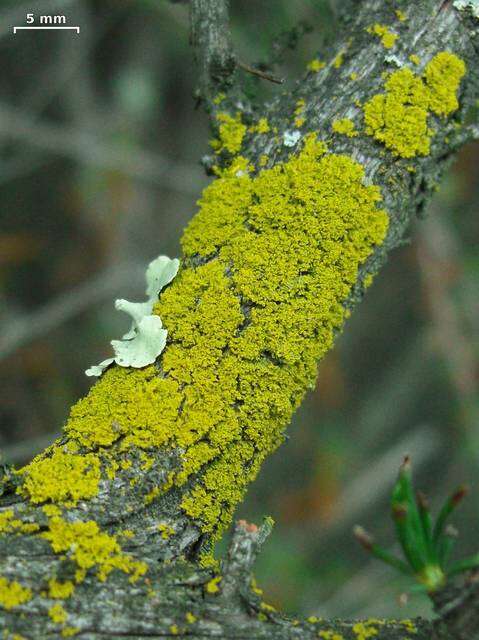
Candelaria
genus of fungi
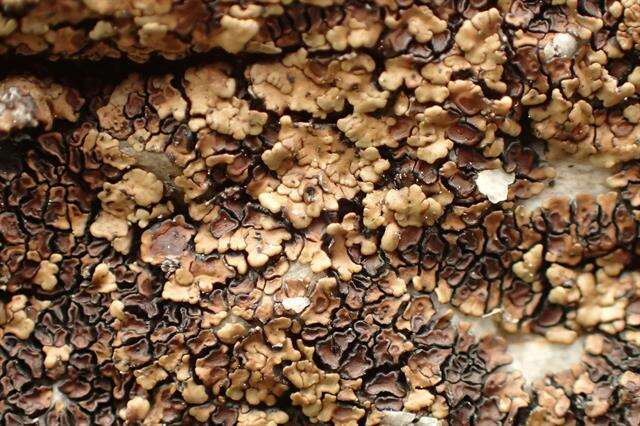
Acarospora
Acarospora is a genus of mostly lichen-forming fungi in the family Acarosporaceae. Most species in the genus are crustose lichens that grow on rocks in open and arid places all over the world. They may look like a cobblestone road or cracked up old paint, and are commonly called cobblestone lichens or cracked lichens. They usually grow on rock (are "saxicolous"), but some grow on soil (terricolous) or on other lichens. Some species in the genus are fungi that live as parasites on other lichens (lichenicolous fungi). Acarospora is a widely distributed genus, with about 128 species according to
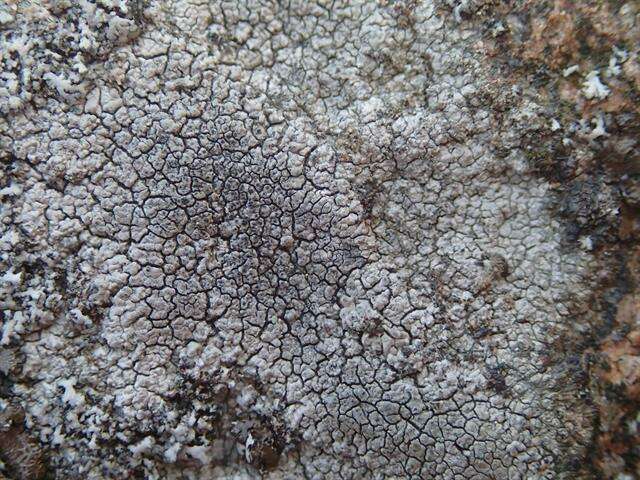
Aspicilia
Aspicilia (sunken disk lichen) is a genus of mostly crustose areolate lichens that grow on rock. Most members have black apothecia discs that are slightly immersed in the areolas, hence the common name"''Given the same reason, the naming of Aspicilia'' is derived from the Greek word for "shield concave".
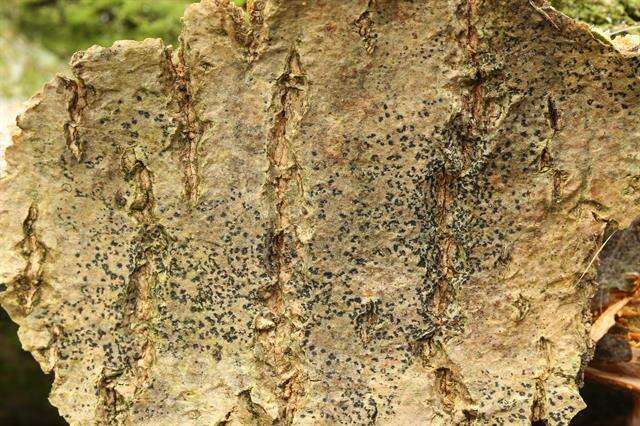
Arthothelium
Arthothelium is a genus of lichen-forming fungi in the family Arthoniaceae. Species in the genus typically form crusts on smooth bark in humid, undisturbed habitats. They are distinguished from the related genus Arthonia by their spores, which are divided by both transverse and longitudinal walls into a brick-like pattern. The genus has a cosmopolitan distribution, with most species occurring in tropical regions.
Haematomma
Haematomma is a genus of crustose lichens established by Abramo Bartolommeo Massalongo in 1852. It is the sole genus in the Haematommataceae, a family circumscribed by Josef Hafellner in 1984. Commonly called bloodstain lichens, the species assigned to this genus are widely distributed in tropical and temperate areas.

Acarosporaceae
The Acarosporaceae are a family of fungi in the order Acarosporales. Members of this family have a widespread distribution, and are mostly lichenized with green algae. According to a 2021 estimate, the family contains 11 genera and about 260 species. The family is characterised by a formed of paraphysoids (hyphal structures similar in function to true paraphyses, but often branched and forming a network).
Fulgensia
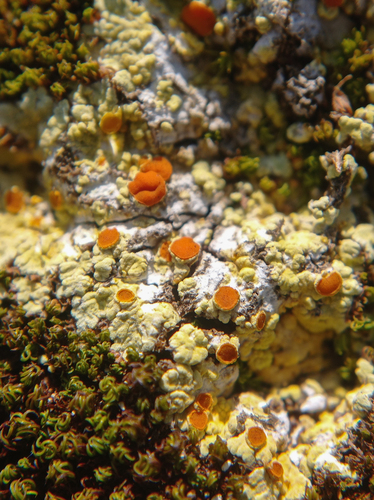
Fulgensia is a fungal genus in the family Teloschistaceae. The genus was circumscribed by Abramo Bartolommeo Massalongo and Giuseppe De Notaris in 1853, with Fulgensia vulgaris assigned as the type species. Although the genus has had several species in it at times in its taxonomic history, it is now monotypic, as most of its former species have been transferred to Gyalolechia or other Teloschistaceae genera.
Menegazzia
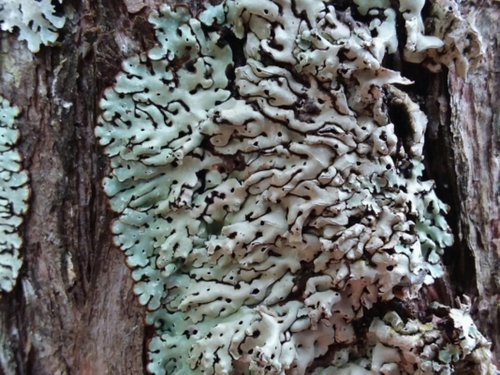
Menegazzia is a genus of lichenized fungi containing roughly 70 accepted species. The group is sometimes referred to as the tree flutes, honeycombed lichens, or hole-punch lichens. The most obvious morphological feature of the genus is the distinctive perforations spread across the upper side of the thallus. This makes the group easy to recognise, even for those not particularly familiar with lichen identification.

Bactrospora
Bactrospora is a genus of lichen-forming fungi of uncertain familial placement in the order Arthoniales. These lichens grow as thin crusts on tree bark in shaded, humid environments and are distinguished by their unusually long, needle-like spores that often break apart into smaller pieces. Species in the genus are found worldwide, particularly in tropical and temperate forests where they help form part of the diverse bark-dwelling lichen community.

Parmotrema
Parmotrema is a genus of lichen belonging to the family Parmeliaceae. It is a large genus, containing an estimated 300 species, with a centre of diversity in subtropical regions of South America and the Pacific Islands.
.jpg)
Toninia
Toninia is a genus of lichen-forming fungi in the family Ramalinaceae. The genus contains about 70 recognised species that are distributed worldwide, with many found in arctic and alpine environments as well as arid regions. These lichens are characterised by their often reduced or scale-like thalli and distinctive black apothecia (fruiting bodies) that typically become convex with age and contain needle-shaped ascospores. Toninia species primarily grow on soil, rocks, and other mineral substrates, and are distinguished from related genera by their spore-producing structures and chemical react
Bunodophoron
Bunodophoron is a genus of lichen-forming fungi in the family Sphaerophoraceae. The genus has a broad distribution in the Southern Hemisphere, with several species also present in oceanic regions of the Northern Hemisphere. Established in 1861 by the Italian botanist Abramo Bartolommeo Massalongo, the genus comprises about 20 accepted species that form shrubby, often tufted growths with flattened, strap-like branches. These lichens are characterised by their distinctive black, powdery spore masses that develop at the tips of fertile branches and their production of various lichen products incl
Lecania
Lecania is a genus of lichen-forming fungi in the family Ramalinaceae. Lecania is widely distributed, especially in temperate regions, and contains about 65 species. These lichens form thin, crusty growths on various surfaces and produce small disc-shaped fruiting bodies that are typically brown to black in colour. Most species reproduce both sexually through spores and asexually through tiny reproductive structures, allowing them to spread effectively in their environments.
Arthopyrenia
Arthopyrenia is a genus of fungi in the family Trypetheliaceae. It was formerly classified in the eponymic family Arthopyreniaceae, but molecular phylogenetics studies showed that the type species, Arthopyrenia cerasi, was a member of the Trypetheliaceae. Arthopyrenia fungi typically form inconspicuous films embedded within tree bark and produce tiny, flask-shaped fruiting bodies covered by dark, shield-like caps. The genus includes both lichen-forming species (those that partner with algae) and non-lichenized species, with about 100 currently recognized species found primarily on bark and woo
Acrocordia
Acrocordia is a genus of lichen-forming fungi in the family Monoblastiaceae. These lichens form thin, whitish to pale grey crusts on tree bark and rocks, appearing as scattered black dots where their tiny flask-shaped reproductive structures emerge from the surface. The genus includes nine species found in various parts of the world, typically growing in mildly alkaline environments on broad-leaved trees or damp, mineral-rich rock faces.
Thelidium
Thelidium is a genus of lichen-forming fungi in the family Verrucariaceae. The genus was established in 1855 by the Italian lichenologist Abramo Bartolommeo Massalongo, who distinguished it from related genera by its point-like fruiting bodies with distinctive double walls and granular spores. These lichens form thin crusts on rock surfaces and reproduce through tiny, black, flask-shaped structures that contain spores. The genus includes about 27 species found worldwide, ranging from common European species to more recently discovered ones from Asia and Australia.
Catillaria
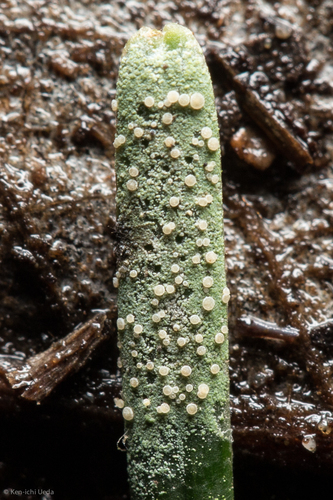
Catillaria is a genus of crustose lichens in the family Catillariaceae. The genus was circumscribed by Italian lichenologist Abramo Bartolommeo Massalongo in 1852. It is the type genus of Catillariaceae, which was circumscribed by Austrian lichenologist Josef Hafellner in 1984.
Schismatomma
Schismatomma is a genus of mostly lichen-forming fungi in the family Roccellaceae. These lichens form thin crusts on bark or rock surfaces and reproduce through disc-shaped fruiting bodies that release spores, as well as through powdery patches that help them spread. At least one species is critically endangered due to habitat loss from deforestation in Colombia.
Polyblastia
Polyblastia is a genus of lichenized fungi in the family Verrucariaceae. As of 2020, it consists of about 40 species combined with about 50 orphaned species.
The main difference with the genus Verrucaria is related to spores, which are muriform in Polyblastia.
Sporastatia
Sporastatia is a genus of crustose lichens in the family Sporastatiaceae. It has four species. Sporastatia lichens are long-lived species that grow on siliceous or weakly calcareous rocks in arctic and alpine locales.
Thelomma
Thelomma is a genus of lichenized fungi in the family Caliciaceae. The genus is widely distributed and contains seven species. Thelomma was circumscribed by Italian lichenologist Abramo Bartolommeo Massalongo in 1860.
Diploicia
Diploicia is a genus of lichen-forming fungi in the family Caliciaceae. The genus has a widespread distribution, especially in temperate regions, and contains seven species. These lichens form small, tightly attached rosettes with a distinctive pale grey-green colour and a fine, powdery coating that becomes more noticeable when dry. They reproduce through tiny black, pin-prick fruiting bodies that emerge from the crust surface and through powdery outgrowths that can break off and spread the lichen to new locations.
Sagiolechia
Sagiolechia is a genus of lichen-forming fungi in the family Sagiolechiaceae. These lichens form either extremely thin crusts within their substrate or live parasitically on other lichens without forming their own thallus. The genus is characterised by distinctive black, glossy fruiting bodies that begin embedded within the host material and later erupt to the surface, often developing elaborate folded or star-like forms. Sagiolechia contains six species found in diverse locations including Alaska, Greenland, Norway, and Madeira, with most species being quite rare and relatively recently disco
Psilolechia
Psilolechia is a genus of four species of crustose lichens. It is the only member of Psilolechiaceae, a family that was created in 2014 to contain this genus.
Psorotichia
Psorotichia is a genus of saxicolous (rock-dwelling) lichens in the family Lichinaceae. The genus can be distinguished from other rock-dwelling lichens by its distinctive dark colouration and granular texture. Unlike many lichens that form leafy or branched structures, Psorotichia species create only thin, crusty patches that blend closely with the rock surface. Their small fruiting bodies are often difficult to spot without magnification, appearing as tiny dark dots embedded in the crust.
Anthracothecium
Anthracothecium is a genus of lichen-forming fungi in the family Pyrenulaceae. It comprises five species of crustose, bark-dwelling, lichens in the tropics and subtropics, and that in the current sense the genus is diagnosed by young ascospores that are euseptate (true septa) and remain mostly euseptate when mature, contrasting with Pyrenula, where and thickened is the norm. The ascomata (fruiting bodies) are (blackened and charcoal-like), usually simple or aggregated in predictable ways, and ostioles may be apical or lateral depending on species.

Buellia dispersa
species of fungus
Peccania
Peccania is a genus of lichen-forming fungi in the family Phylliscaceae. These lichens are small and form thin, crusty patches or tiny scale-like structures that are tightly attached to rock surfaces. They partner with blue-green bacteria instead of the green algae found in most other lichens, which helps them survive in harsh, drought-prone environments and quickly resume photosynthesis after wetting. Peccania species grow exclusively on rocks, favouring well-lit locations on both limestone and acidic substrates in arid and semi-arid regions, though they can also occupy locally dry spots in o
Coccodinium
Coccodinium is a genus of five species of fungi within the Coccodiniaceae family.
Bagliettoa
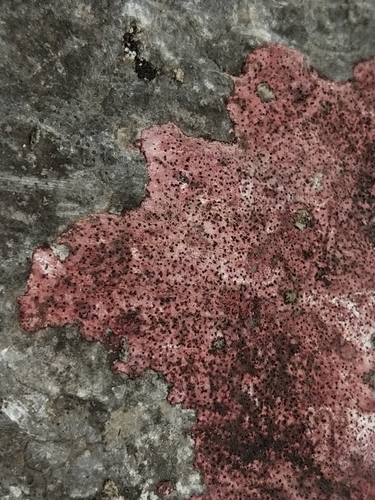
Bagliettoa is a genus of lichen-forming fungi in the family Verrucariaceae. Bagliettoa species are endolithic, growing between the grains of solid rock. These lichens are almost invisible to the naked eye, living mostly hidden within limestone and other calcium-rich rocks with only a thin polished rim visible on the surface. They reproduce through tiny flask-shaped fruiting bodies that bore neat pits into the rock as they develop.
Thyrea
genus of fungi
Placidium
Placidium is a genus of crustose to squamulose to almost foliose lichens. The genus is in the family Verrucariaceae. Most members grow on soil (are terricolous), but some grow on rock (saxicolous). The fruiting bodies are perithecia, flask-like structures immersed in the lichen body (thallus) with only the top opening visible, dotting the thallus. Lichen spot tests are all negative. Members of the genus lack rhizines, but otherwise resemble members of the genus Clavascidium.
Ropalospora
Ropalospora is a genus of lichen-forming fungi, and the sole member of the monogeneric family Ropalosporaceae. The genus was circumscribed by Italian lichenologist Abramo Bartolommeo Massalongo in 1860. The family was proposed by Josef Hafellner in 1984.
Scoliciosporum
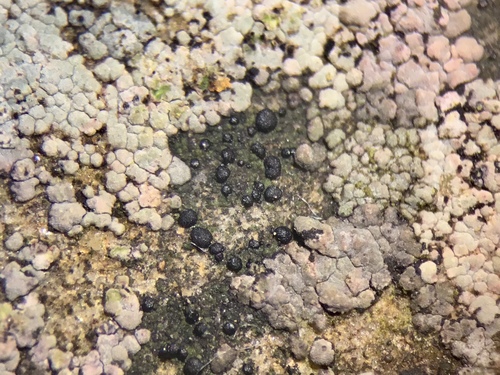
Scoliciosporum is a genus of lichens in the family Scoliciosporaceae.
Piccolia
Piccolia is a small genus of crustose lichens in the class Lecanoromycetes. First circumscribed by Italian lichenologist Abramo Bartolommeo Massalongo in 1864, it contains ten species. Due to a lack of molecular data, it has not been assigned to an order or family.
Heppia
Heppia is a genus of olive, brownish, grey, or blackish squamulose, crustose, or peltate like lichens. Heppia was once the type genus of the family Heppiaceae, but that family was folded into synonymy with Lichinaceae.
Tomasellia
Tomasellia is a genus of lichen-forming fungi in the family Naetrocymbaceae. It comprises seven species of corticolous (bark-dwelling), crustose lichens.
Dacampia
Dacampia is a genus of fungi in the family Dacampiaceae. It contains 15 species. The genus was circumscribed in 1853 by Italian lichenologist Abramo Bartolommeo Massalongo, with Dacampia hookeri assigned as the type species. The genus name honours Italian naturalist Benedetto de Dacampo (1787–1851).
Celothelium
Celothelium is a genus of lichen-forming fungi in the family Celotheliaceae. These lichens typically have a thin, crust-like thallus that often grows beneath the surface of tree bark or rocks in tropical rainforests and coastal areas. Celothelium species are characterised by small, black, shiny reproductive structures (perithecia), and thread-like spores. The genus has had an uncertain taxonomic history since its original description in 1860, but recent genetic studies have placed it in its own distinct group within the fungal class Eurotiomycetes. Celothelium species have been found in variou
Gyalolechia
Gyalolechia is a genus of lichen-forming fungi belonging to the family Teloschistaceae. It contains about 20 species of crustose lichens.
Physma
Physma is a genus of cyanolichens in the family Pannariaceae. It has five species. The genus was circumscribed by Italian lichenologist Abramo Bartolommeo Massalongo in 1854, with Physma boryanum assigned as the type species.
Buellia saxorum
species of fungus
Usnea intermedia
species of fungus
Dyplolabia
Dyplolabia is a genus of lichen-forming fungi in the family Graphidaceae. These lichens form smooth, rather thick grey-yellow to olive-buff crusts on tree bark and are characterized by narrow, elongate fruiting bodies that are commonly hidden beneath a conspicuous white powdery coating. The genus has a pantropical distribution, growing on the smooth bark of trees and shrubs in both shaded rainforest understories and moderately exposed coastal woodlands, where they serve as indicators of long-established woodland habitat.
Thelignya
Thelignya is a genus of fungi within the family Lichinaceae. It is monotypic, containing only the single species Thelignya fuliginea.
Mazosia
Mazosia is a genus of lichen-forming fungi in the family Roccellaceae.
Crocynia
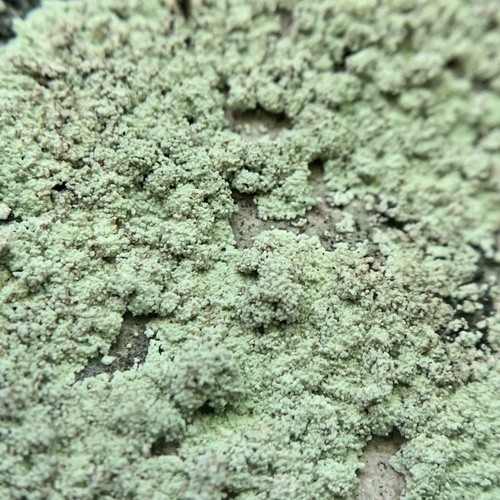
Crocynia is a genus of lichen-forming fungi in the family Ramalinaceae. It has five species. The genus is currently in taxonomic limbo because molecular studies have shown that Crocynia, which has nomenclatural priority over Phyllopsora, is phylogenetically nested within Phyllopsora. This has led to a proposal to conserve the name Phyllopsora over Crocynia to ensure nomenclatural stability and avoid taxonomic disarray.
Koerberia
Koerberia is a genus of lichen-forming fungi in the family Koerberiaceae.
Pyrenodesmia
Pyrenodesmia is a genus of lichen-forming fungi in the family Teloschistaceae. The genus currently includes 23 recognized species but is believed to contain many more unnamed taxa. The genus was circumscribed in 1852 by Italian lichenologist Abramo Bartolommeo Massalongo. It is characterised by the complete absence of anthraquinones and the presence of Sedifolia-gray pigments in both the thallus and apothecia. These lichens are typically found in calcareous outcrops in the Northern Hemisphere, with biodiversity centres in the Mediterranean basin, Central Asia, and arid regions of western North
Chapsa
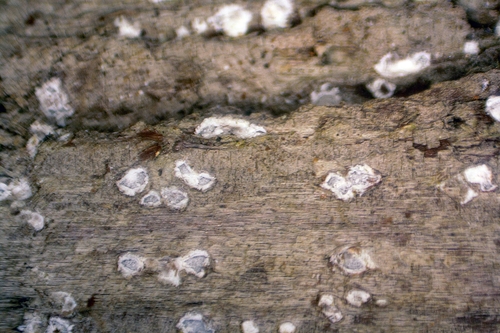
Chapsa is a genus of lichens in the family Graphidaceae. These lichens form thin, grey-whitish to pale olive crusts on tree bark and are characterized by fruiting bodies that start as slits but expand into round to angular discs level with the surface, each bordered by a pale rim. The genus has a pantropical to warm-temperate distribution, growing on shaded bark in humid lowland or foothill rainforests, with over 60 species that often serve as indicators of undisturbed forest habitats.
Loxospora
Loxospora is a genus of lichen-forming fungi in the family Sarrameanaceae. The genus was established in 1852 by the Italian lichenologist Abramo Bartolommeo Massalongo and originally included species now placed in other genera. Molecular phylogenetics studies have revealed that several species previously assigned to Loxospora actually belong to a separate lineage, leading to the creation of the new genus Chicitaea in 2024. These lichens form crusty growths on bark and rock surfaces, with some species producing powdery reproductive structures whilst others develop disc-shaped fruiting bodies.
Maronea
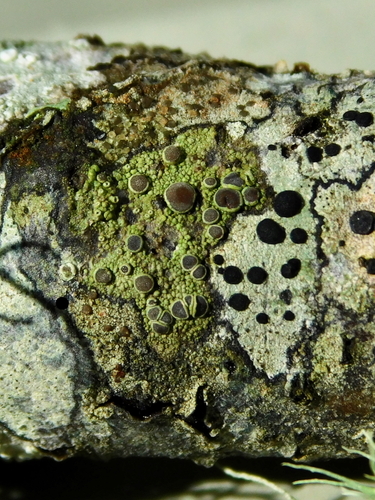
genus of fungi
Blastenia
Blastenia is a genus of lichen-forming fungi in the family Teloschistaceae. The genus was established in 1852 by the Italian botanist Abramo Massalongo, who brought together several species that had previously been scattered across different genera. These lichens are characterised by their rust-brown to orange-red fruiting bodies and a thin, crusty growth that often breaks into small plate-like sections. The genus includes around 40 recognised species found primarily in the Mediterranean region and Macaronesia, though some species have spread to other parts of the world.
Xanthocarpia
Xanthocarpia is a genus of mostly crustose lichens in the family Teloschistaceae. It has 12 species with a largely Northern Hemisphere distribution.
Leucodecton
Leucodecton is a genus of lichen-forming fungi in the family Graphidaceae. These lichens form thin, cream to pale brown crusts on bark or rock surfaces and reproduce through flask-shaped fruiting bodies that often appear in small, wart-like clusters. The genus currently includes more than 30 species found worldwide, with many recently described from tropical regions such as Sri Lanka and Costa Rica.
Solenopsora
Solenopsora is a genus of lichen-forming fungi in the family Catillariaceae. It has 15 species, with a mostly Northern Hemisphere distribution.
Sporodictyon
Sporodictyon is a genus of crustose lichens in the family Verrucariaceae. It has 10 species. Most species grow on rocks, although some have been recorded overgrowing soil and mosses.
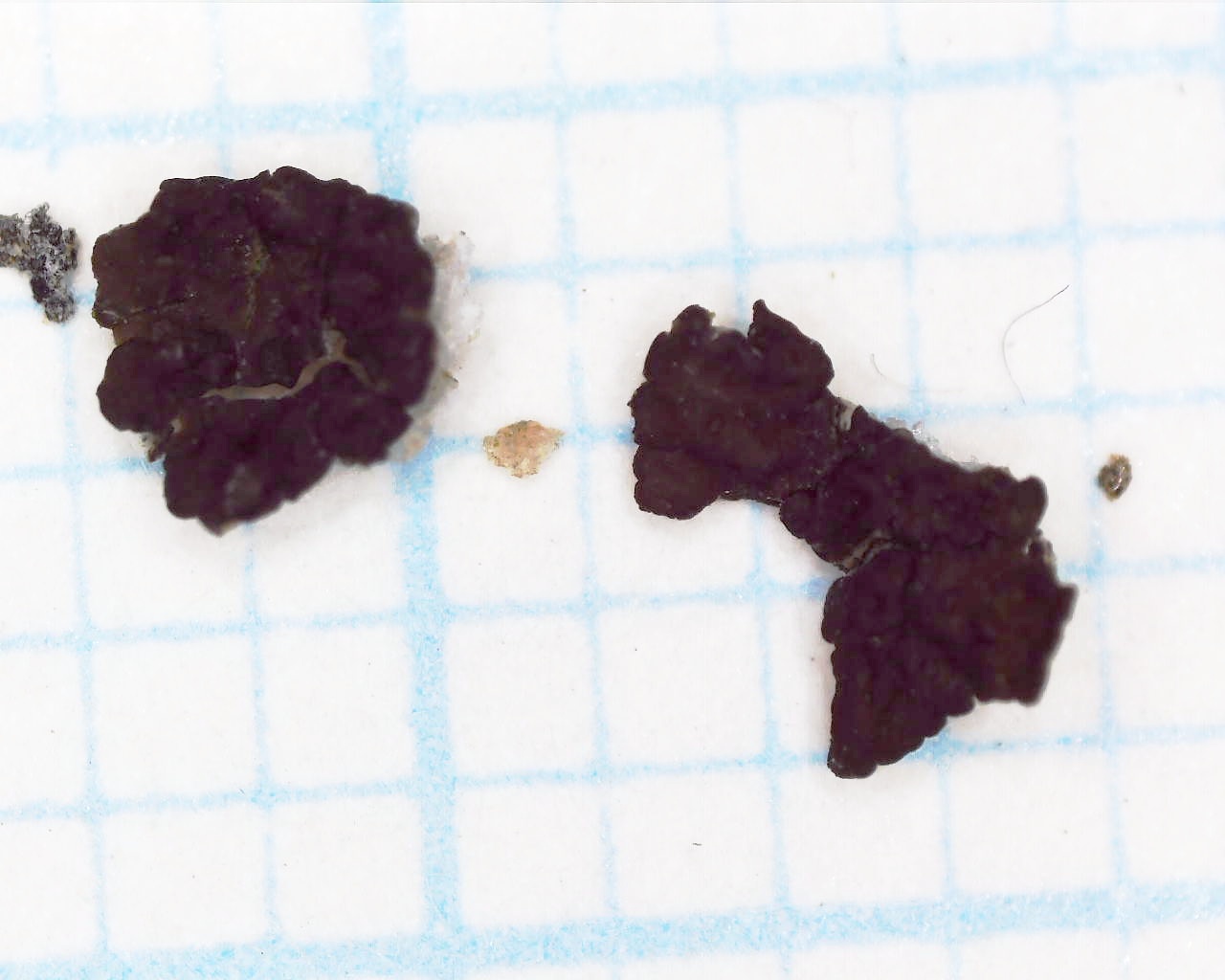
Acarospora veronensis
species of fungus