Category
page 1Taxa named by Christian Gottfried Ehrenberg

Anthozoa
Anthozoa is one of the three subphyla of Cnidaria, along with Medusozoa and Endocnidozoa. It includes sessile marine invertebrates and invertebrates of brackish water, such as sea anemones, stony corals, soft corals and sea pens. Almost all adult anthozoans are attached to the seabed, while their larvae exist as zooplankton. The basic unit of the adult is the polyp, an individual animal consisting of a cylindrical column topped by a disc with a central mouth surrounded by tentacles. Sea anemones are mostly solitary, but the majority of corals are colonial, being formed by the budding of new po

Bryozoa
Bryozoa (also known as the Polyzoa, Ectoprocta or commonly as moss animals) are a phylum of simple, aquatic invertebrate animals, nearly all living in sedentary colonies. Typically about long, they have a special feeding structure called a lophophore, a "crown" of tentacles used for filter feeding. The bryozoans are classified as the marine bryozoans (Stenolaemata), freshwater bryozoans (Phylactolaemata), and mostly-marine bryozoans (Gymnolaemata), a few members of which prefer brackish water. Most marine bryozoans live in tropical waters, but a few are found in oceanic trenches and polar wate

Turbellaria
The Turbellaria are one of the traditional sub-divisions of the phylum Platyhelminthes (flatworms), and include all the sub-groups that are not exclusively parasitic. There are about 4,500 species, which range from to large freshwater forms more than long or terrestrial species like Bipalium kewense which can reach in length. All the larger forms are flat with ribbon-like or leaf-like shapes, since their lack of respiratory and circulatory systems means that they have to rely on diffusion for internal transport of metabolites. However, many of the smaller forms are round in cross section. Most

Euglena
Euglena is a genus of single-celled, flagellate eukaryotes. It is the best-known and most widely studied member of the class Euglenoidea, a diverse group containing some 54 genera and at least 200 species. Species of Euglena are found in fresh water and salt water. They are often abundant in quiet inland waters where they may bloom in numbers sufficient to color the surface of ponds and ditches green (E. viridis) or red (E. sanguinea).

Syrian Woodpecker
species of bird

Isabelline Shrike
species of bird
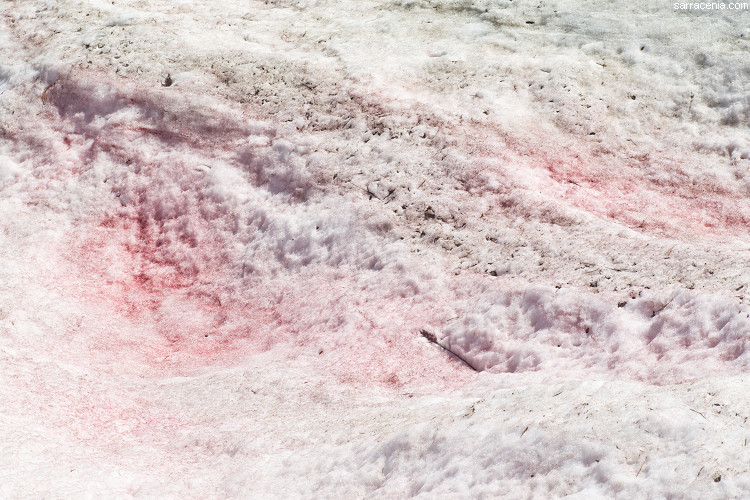
Chlamydomonas
thumb|Drawings of Chlamydomonas caudata Wille.
alt=|thumb|330px|Cross section of a Chlamydomonas reinhardtii cell
thumb|Light micrograph of Chlamydomonas with two flagella just visible at bottom left
thumb|Chlamydomonas globosa, again with two flagella just visible at bottom left

Eastern Olivaceous Warbler
species of bird

Arabian leopard
subspecies of mammal

Indo-Pacific bottlenose dolphin
species of mammal

Curruca nana
species of bird
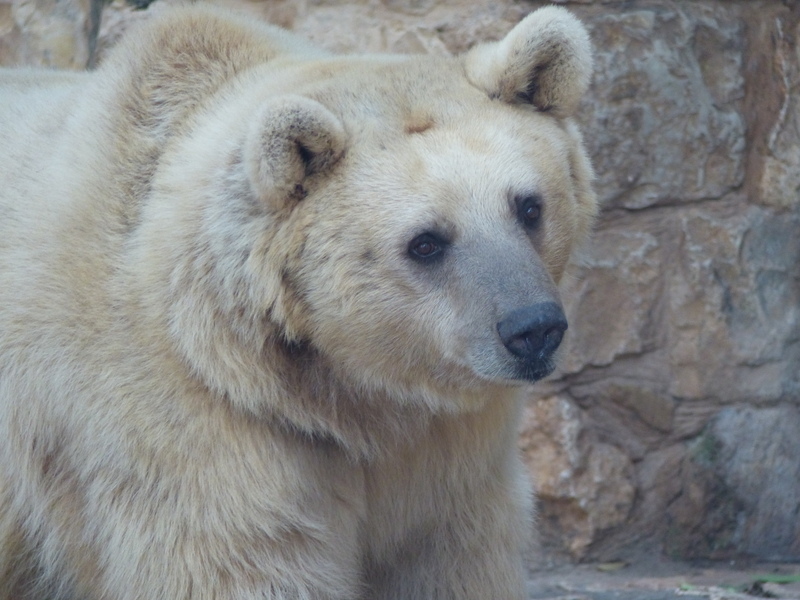
Ursus arctos syriacus
subspecies of mammal

Desert hedgehog
species of mammal

Abyssinian hare
species of lagomorphs (Lagomorpha)

Deathstalker scorpion
The deathstalker (Leiurus quinquestriatus) is a species of scorpion, a member of the family Buthidae. It is also known as the Palestine yellow scorpion, Omdurman scorpion, and Naqab desert scorpion, as well as by many other colloquial names, which generally originate from the commercial captive trade of the animal. To eliminate confusion, especially important with potentially dangerous species, the scientific name is normally used to refer to them. The name Leiurus quinquestriatus roughly translates into English as "five-striped smooth-tail". In 2014, the subspecies L. q. hebraeus was separate

Hippolais languida
species of bird

Clamorous Reed Warbler
species of bird

Vulpini
Vulpini is a tribe which represents the fox-like taxon of the subfamily Caninae (the canines), and is sister to the dog-like tribe Canini. It comprises the 15 extant and 21 extinct species found on all continents.
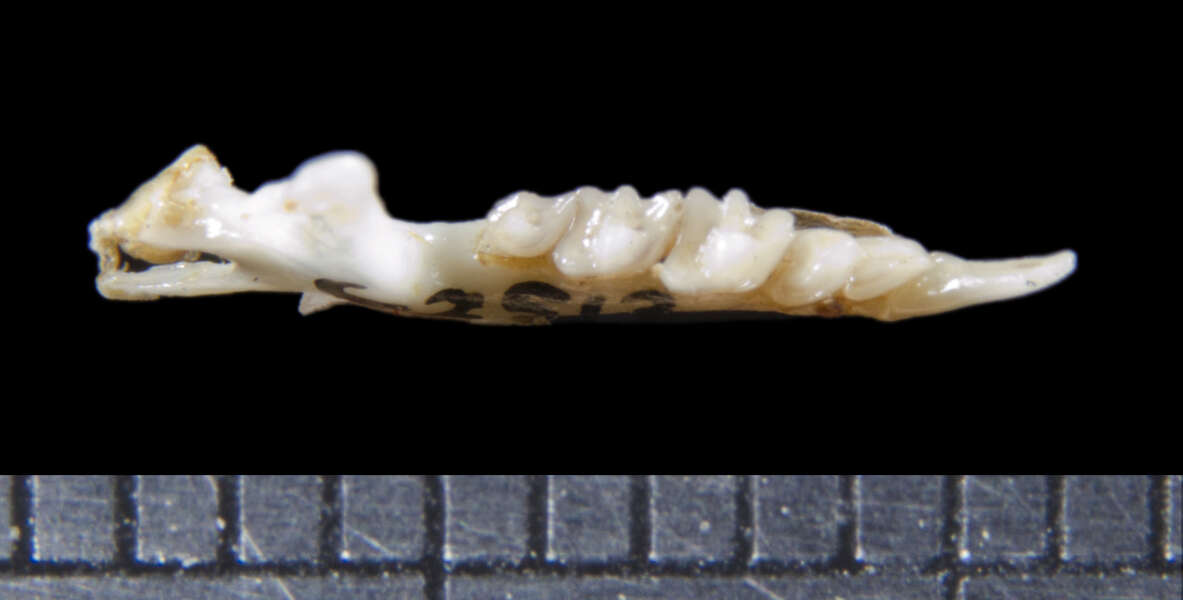
Suncus
Suncus is a genus of shrews in the family Soricidae.

Mustela subpalmata
population of the least weasel (Mustela nivalis)
Lophoceros hemprichii
species of bird

Saharan striped polecat
species of mammal
Spirillum
Spirillum is a genus
of Gram-negative bacteria in the family Spirillaceae of the Nitrosomonadales of the Betaproteobacteria. There are two species of Spirillum with validly or effectively published names - Spirillum winogradskyi and Spirillum volutans.

Kurdish Wheatear
species of bird

White-browed Coucal
species of bird

White-spectacled Bulbul
species of bird

Greater Blue-eared Starling
species of bird

Rhizopus
Rhizopus is a genus of common saprophytic fungi on plants and specialized parasites on animals. They are found in a wide variety of organic substances, including "mature fruits and vegetables", jellies, syrups, leather, bread, peanuts, and tobacco. They are multicellular. Some Rhizopus species are opportunistic human pathogens that often cause fatal disease called mucormycosis. This widespread genus includes at least eight species.
thumbnail|Rhizopus 400x magnification

Curruca leucomelaena
species of bird

Egyptian wolf
subspecies of mammal

Rosy-patched Bushshrike
species of bird

Heterometrus
Heterometrus, whose members are also known by the collective vernacular name Asian Forest Scorpion, is a genus of scorpions belonging to the family Scorpionidae. It is distributed widely across tropical and subtropical southeastern Asia, including Indonesia, Brunei, Malaysia, Myanmar, Philippines, Singapore, Cambodia, Laos, Thailand, Vietnam, India (Nicobar Islands, Andaman Islands), and China (Hainan). It is notable for containing some of the largest living species of scorpions.

Shining Sunbird
species of bird
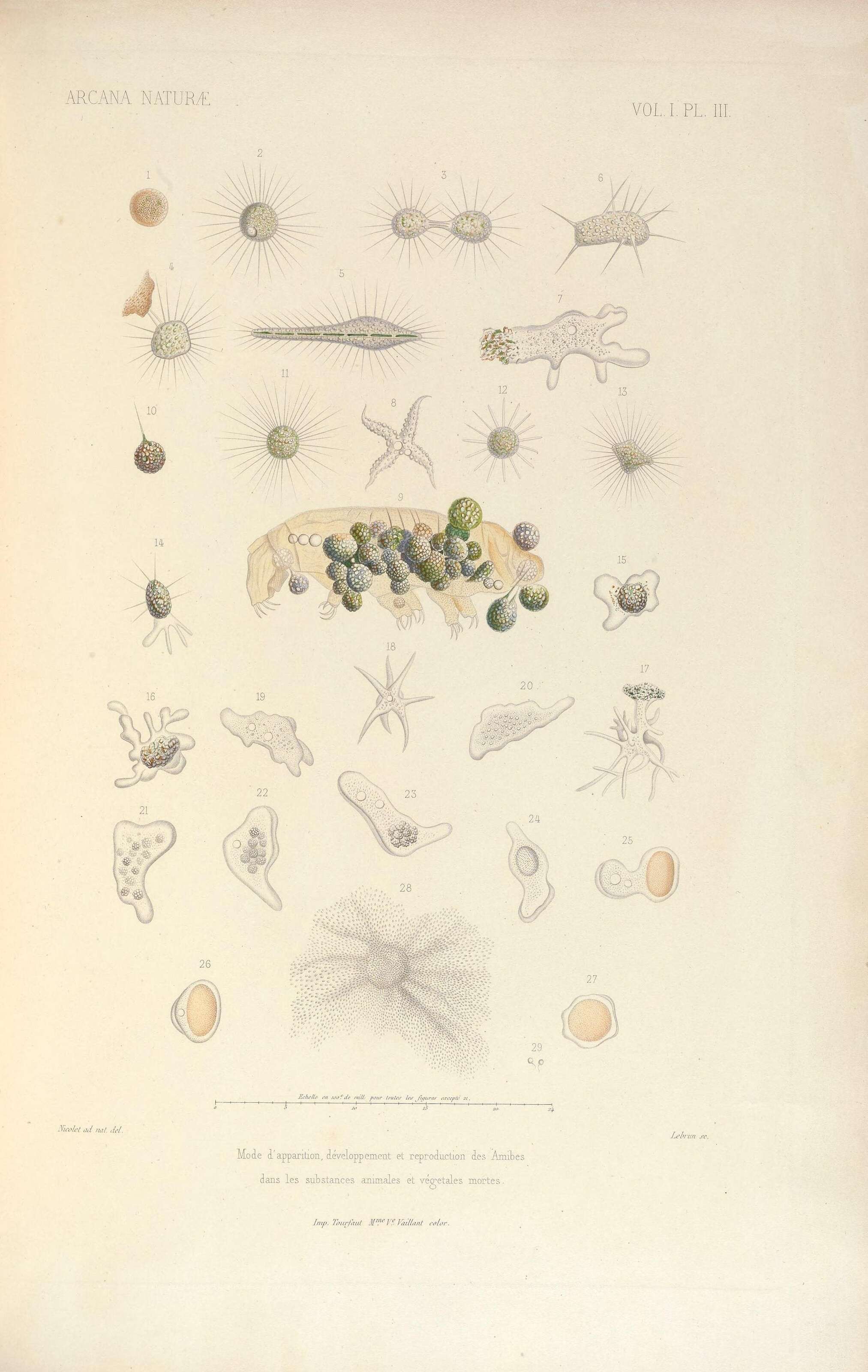
Amoebidae
The Amoebidae are a family of Amoebozoa, including naked amoebae that produce multiple pseudopodia of indeterminate length. These are roughly cylindrical with granular endoplasm and no subpseudopodia, as found in other members of the class Tubulinea. During locomotion one pseudopod typically becomes dominant and the others are retracted as the body flows into it. In some cases the cell moves by "walking", with relatively permanent pseudopodia serving as limbs.
Paramecium caudatum
species of unicellular ciliate

Androctonus
genus of arachnids

Euglena viridis
single cell, mixotroph microalgae

Arabian smooth-hound
species of fish

Naididae
thumbnail

Volvocaceae
Volvocaceae are a family of unicellular or colonial biflagellate algae, including the typical genus Volvox, and are collectively known as the volvocine algae. The family was named by Ehrenberg in 1834, and it is known in older classifications as the Volvocidae. All species are colonial and typically inhabit freshwater environments. They are particularly useful as model organisms for studying the evolution of multicellularity, the evolution of sex, and cellular motion and mechanics.

Arcella
Arcella is a genus of testate amoebae in the order Arcellinida, commonly found in ponds, wetlands, moss, and soil. It is distinguished by a radially symmetrical organic shell, which features a central aperture through which pseudopods are extended. Recognized for its broad ecological adaptability, Arcella has been described as "probably the most ecologically successful Arcellinid taxon", with several species exhibiting a cosmopolitan distribution across diverse environments.
thumb|Dorsal view of Arcella conica

Polycystine
The polycystines are a group of radiolarians. They include the vast majority of the fossil radiolaria, as their skeletons are abundant in marine sediments, making them one of the most common groups of microfossils. These skeletons are composed of opaline silica. In some it takes the form of relatively simple spicules, but in others it forms more elaborate lattices, such as concentric spheres with radial spines or sequences of conical chambers. Two of the orders belonging to this group are the radially-symmetrical Spumellaria, dating back to the late Cambrian period, and the bilaterally-symmetr
Pennatulidae
Pennatulidae is a family of sea pens, a member of the subclass Octocorallia in the phylum Cnidaria.

bacterioplankton
Bacterioplankton refers to the bacterial component of the plankton that drifts in the water column. The name comes from the Ancient Greek word (), meaning "wandering" or "drifting", and , a Latin term coined in the 19th century by Christian Gottfried Ehrenberg. They are found in both seawater and fresh water.

Heteractis crispa
species of cnidarian

Leiurus
thumb|Leiurus jordanensis adult female in captivity

Pharaoh Cuttlefish
species of mollusc

Acropora millepora
species of cnidarian
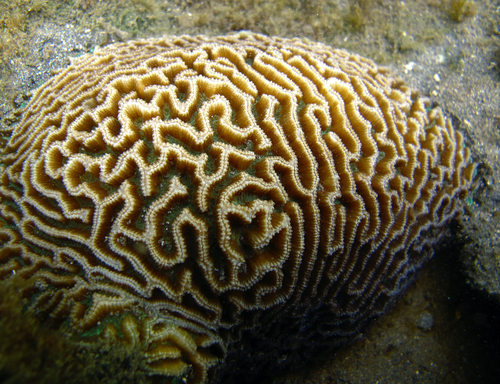
Platygyra
Platygyra is a genus of stony corals in the family Merulinidae.
Stachybotrys chartarum
species of fungus
Xeniidae
Xeniidae is a family of soft coral in the order Malacalcyonacea.
Cytospora
Cytospora is a genus of ascomycete fungi. The genus was first described in 1818 by Christian Gottfried Ehrenberg. Cytospora species are known as plant pathogens.
Dinobryon
Dinobryon is a type of microscopic algae. It is one of the 22 genera in the family Dinobryaceae. Dinobryon are mixotrophs, capable of obtaining energy and carbon through photosynthesis and phagotrophy of bacteria. The genus comprises at least 37 described species. The best-known species are D. cylindricum and D. divergens, which come to the attention of humans annually due to transient blooms in the photic zone of temperate lakes and ponds. Such blooms may produce volatile organic compounds (VOCs) that produce odors and affect water quality.

Stylonychia
Stylonychia is a genus of ciliates, in the subclass Hypotrichia. Species of Stylonychia are very common in fresh water and soil, and may be found on filamentous algae, surface films, and among particles of sediment. Like other Hypotrichs, Stylonychia has cilia grouped into membranelles alongside the mouth and cirri over the body. It is distinguished partly by long cirri at the posterior, usually a cluster of three. The largest can just be seen at a 25× magnification, and the smallest can just be seen at a 450× magnification.
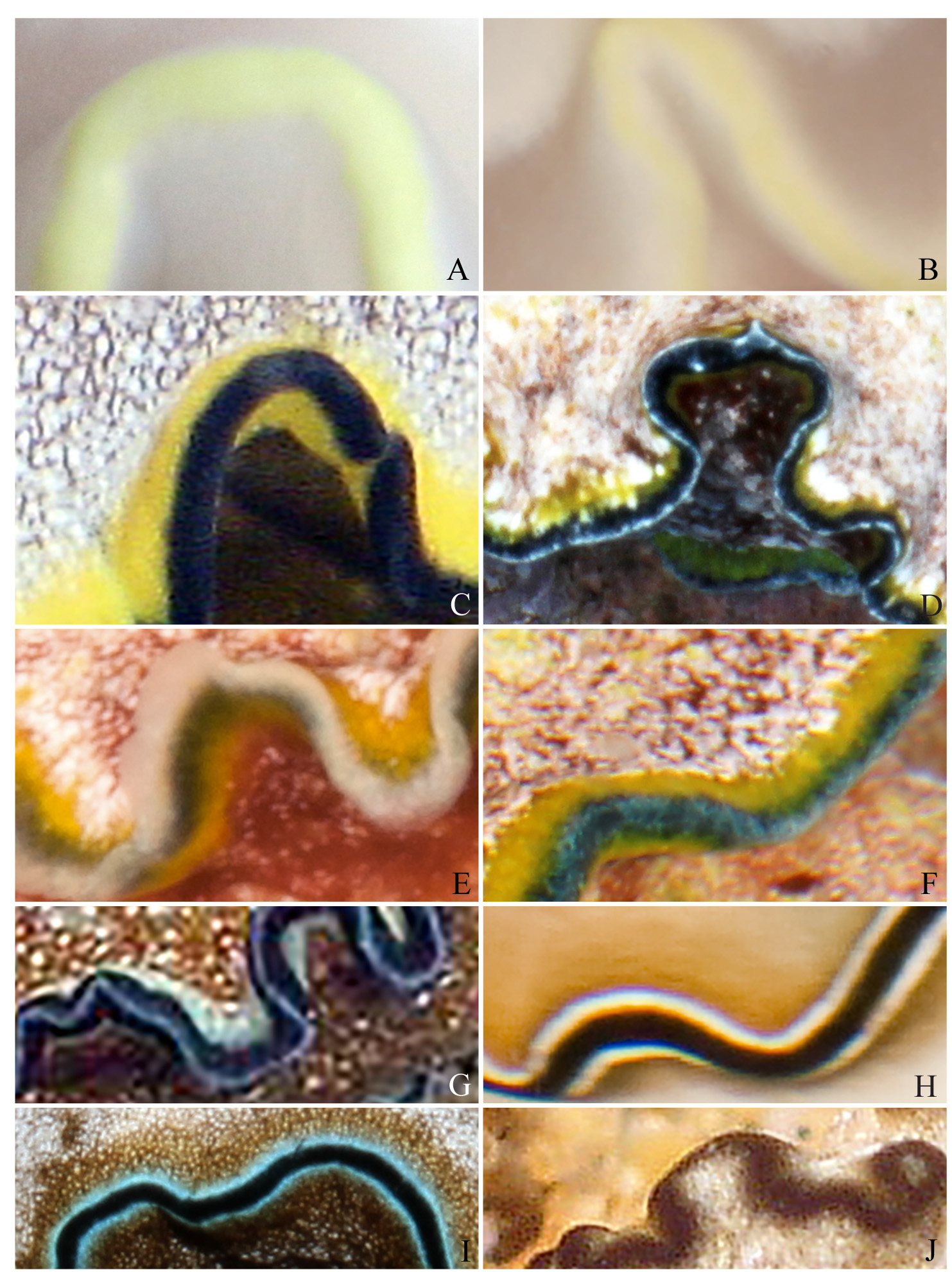
Glossodoris
Glossodoris is a genus of sea slugs, dorid nudibranchs, shell-less marine gastropod mollusks in the family Chromodorididae.
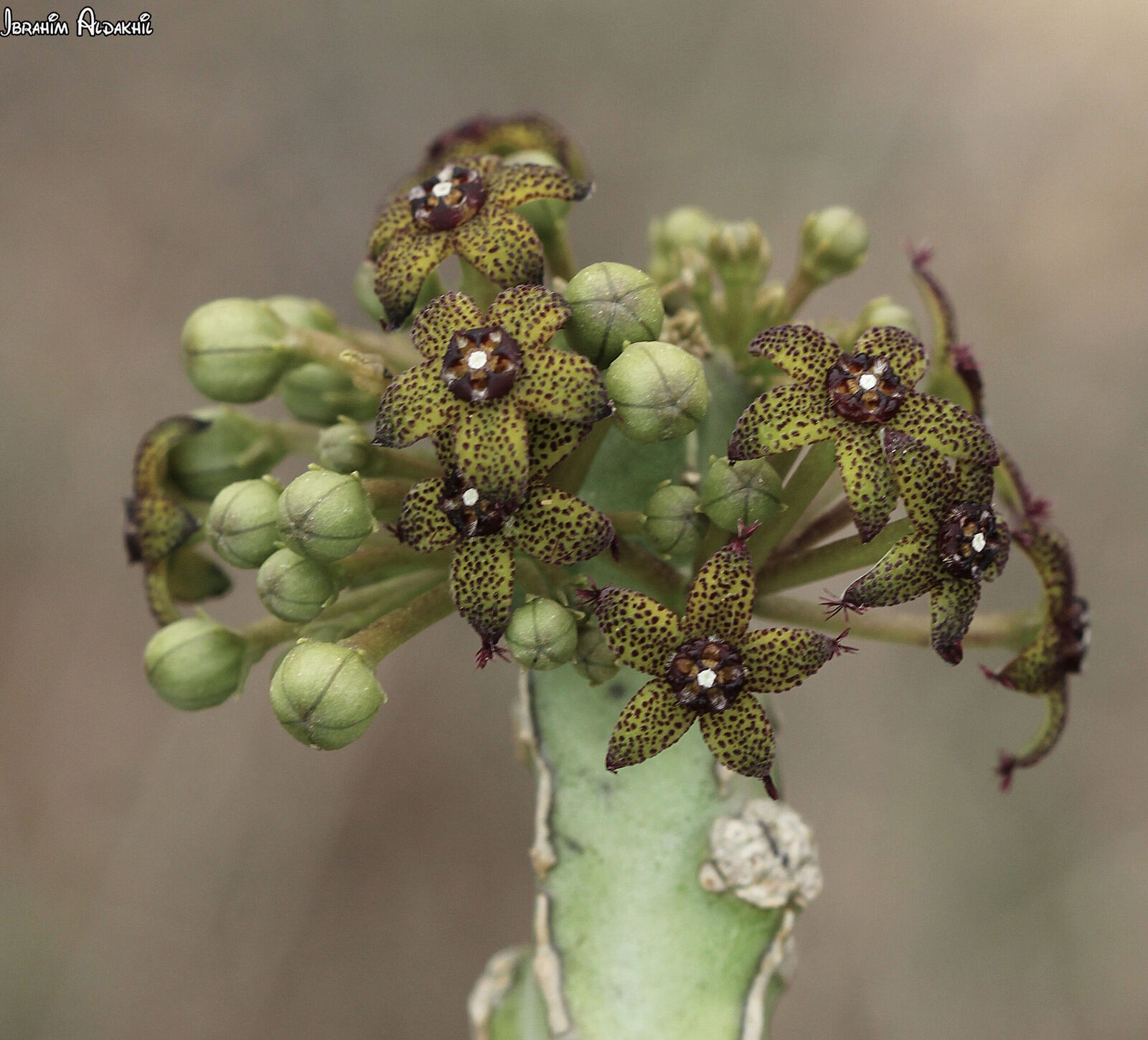
Desmidorchis
Desmidorchis is a genus of flowering plants belonging to the family Apocynaceae.
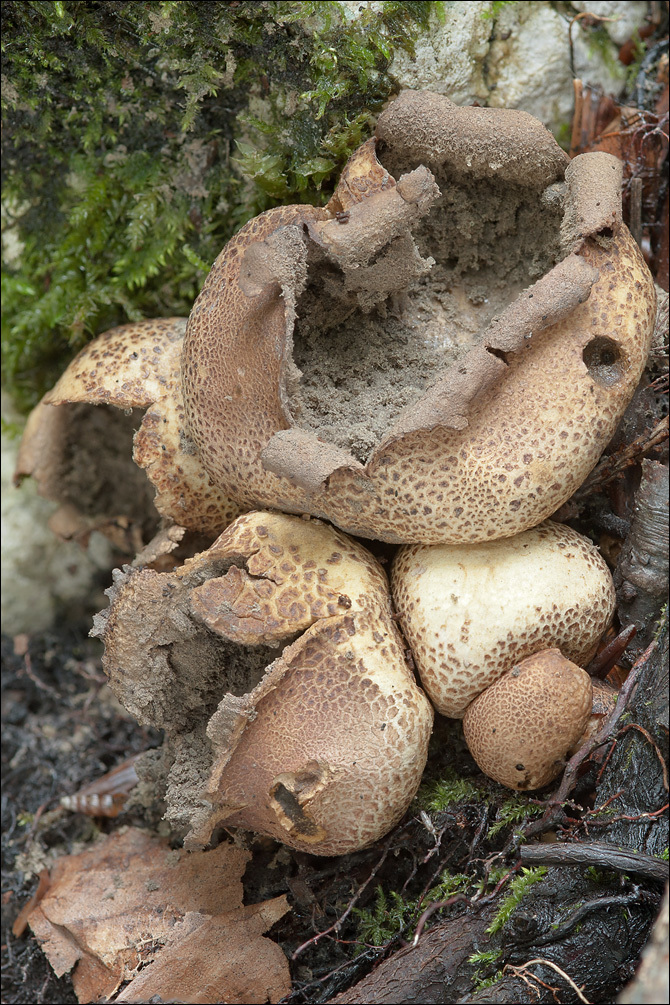
Scleroderma areolatum
species of fungus
Rhabdocoela
Rhabdocoela is an order of flatworms in the class Rhabditophora with about 1700 species described worldwide. The order was first described in 1831 by Christian Gottfried Ehrenberg. Most of rhabdocoels are free-living organisms, but some live symbiotically with other animals.

Androctonus bicolor
species of scorpion
Millepora platyphylla
species of cnidarian