Category
page 1Taxa named by Filippo Silvestri

Protura
The Protura, or proturans, and sometimes nicknamed coneheads, are very small (0.6–1.5mm long), soil-dwelling animals, so inconspicuous they were not noticed until the 20th century. The Protura constitute an order of hexapods that were previously regarded as insects, and sometimes treated as a class in their own right.
Zoraptera
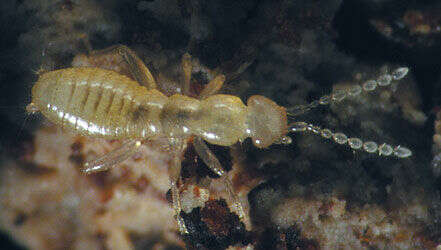
The insect order Zoraptera, commonly known as angel insects and sometimes ground lice, contains small and soft bodied insects with two forms: winged with wings sheddable as in termites, dark and with eyes (compound) and ocelli (simple); or wingless, pale and without eyes or ocelli. They have a characteristic nine-segmented beaded (moniliform) antenna. Their mouthparts are adapted for chewing and are mostly found under bark, in dry wood or in leaf litter. The order is found on most continents, but are absent in places like Canada, New Zealand, Australia and Europe.
left|thumb|Winged fossil of Z

Acerentomidae
The Acerentomidae are a family of hexapods in the order Protura. Acerentomids are not tracheated, and instead use cuticular gas exchange.

Zorotypus
Zorotypus is a genus of angel insects in the family Zorotypidae.
Micrococcidae
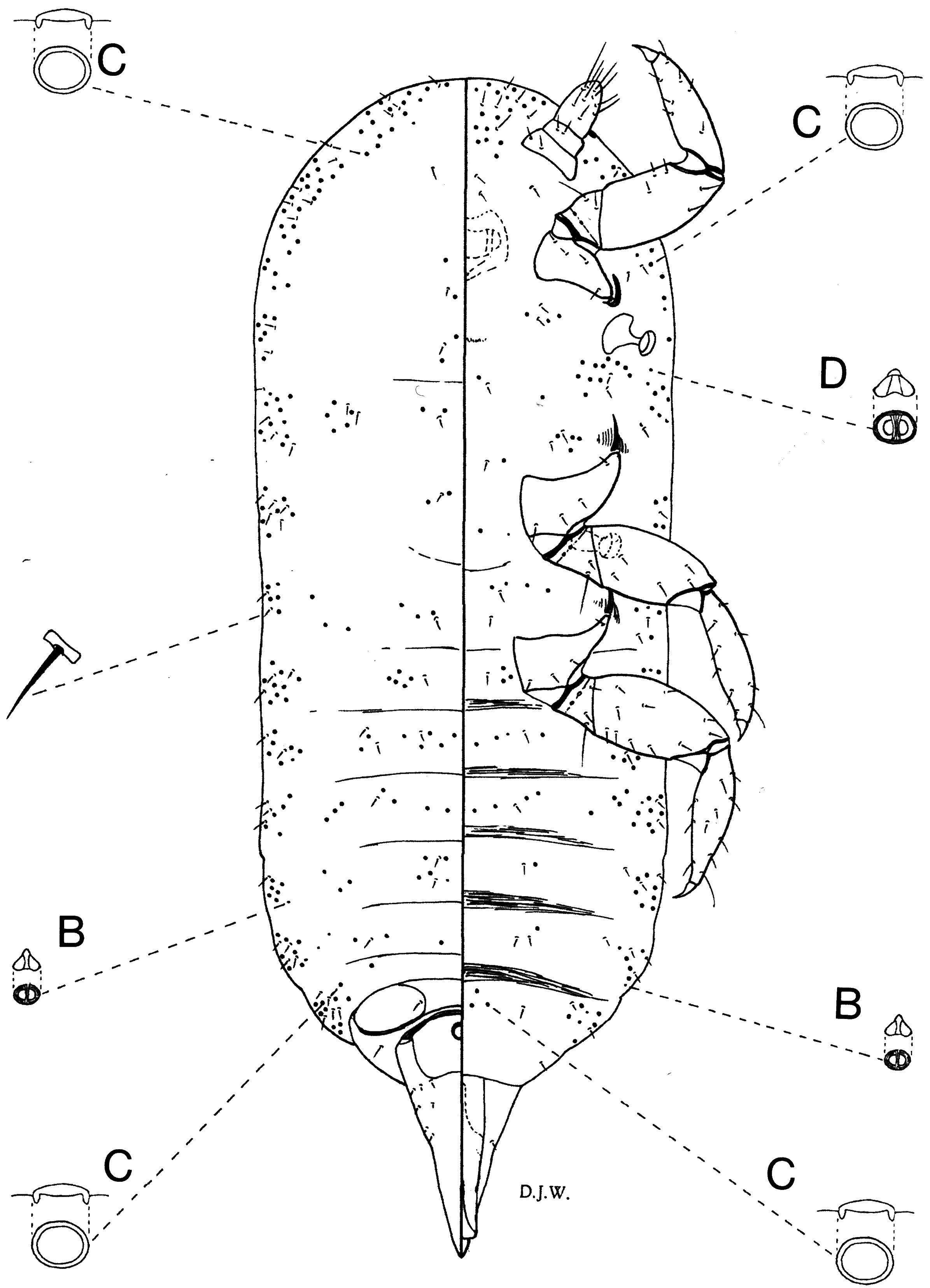
Micrococcidae is a family of scale insects commonly known as the Mediterranean scales. There are two genera and eight species. Members of this family are found in Cyprus, Italy and other Mediterranean countries including Egypt, France, Greece, Israel, Lebanon, Libya, Syria and Turkey.
Brachypauropodidae
Brachypauropodidae is a family of pauropods in the order Tetramerocerata. This family has a nearly worldwide distribution. Pauropods in this family are found on all continents except South America and Antarctica.
Lepidotrichidae
left|thumb|Photo of Tricholepidion, which possibly belongs to this family
Lepidotrichidae is a family of basal insects belonging to the order Zygentoma (silverfish and allies). The family contains the extinct Lepidotrix, known from specimens preserved in Eocene-aged European amber. The extant genus Tricholepidion, which contains a single species, Tricholepidion gertschi from western North America, has also been typically considered a member of the family. However, more recent research suggests that the two genera are not particularly closely related, and Tricholepidion should instead be assign
Acerentomon
Acerentomon is a genus of proturans in the family Acerentomidae.
Pyrgodesmidae
Pyrgodesmidae is a family of flat-backed millipedes in the order Polydesmida. This family is one of the largest families of millipedes, with more than 170 genera, including about 120 monotypic genera. These genera include almost 400 species.
Lophoproctidae
Lophoproctidae is a family of millipedes in the order Polyxenida containing approximately 43 species in 6 genera.
Synxenidae
Synxenidae is a family of bristle millipedes (Polyxenida). Three genera and around 10 species are known. Adult synxenids possess 15 or 17 pairs of legs, with the last two pair modified for small jumps. Adults in most species in this family have 17 pairs of legs, but in two species (Condexenus biramipalpus and Phryssonotus brevicapensis), they have only 15 pairs of legs.
Aphilodon
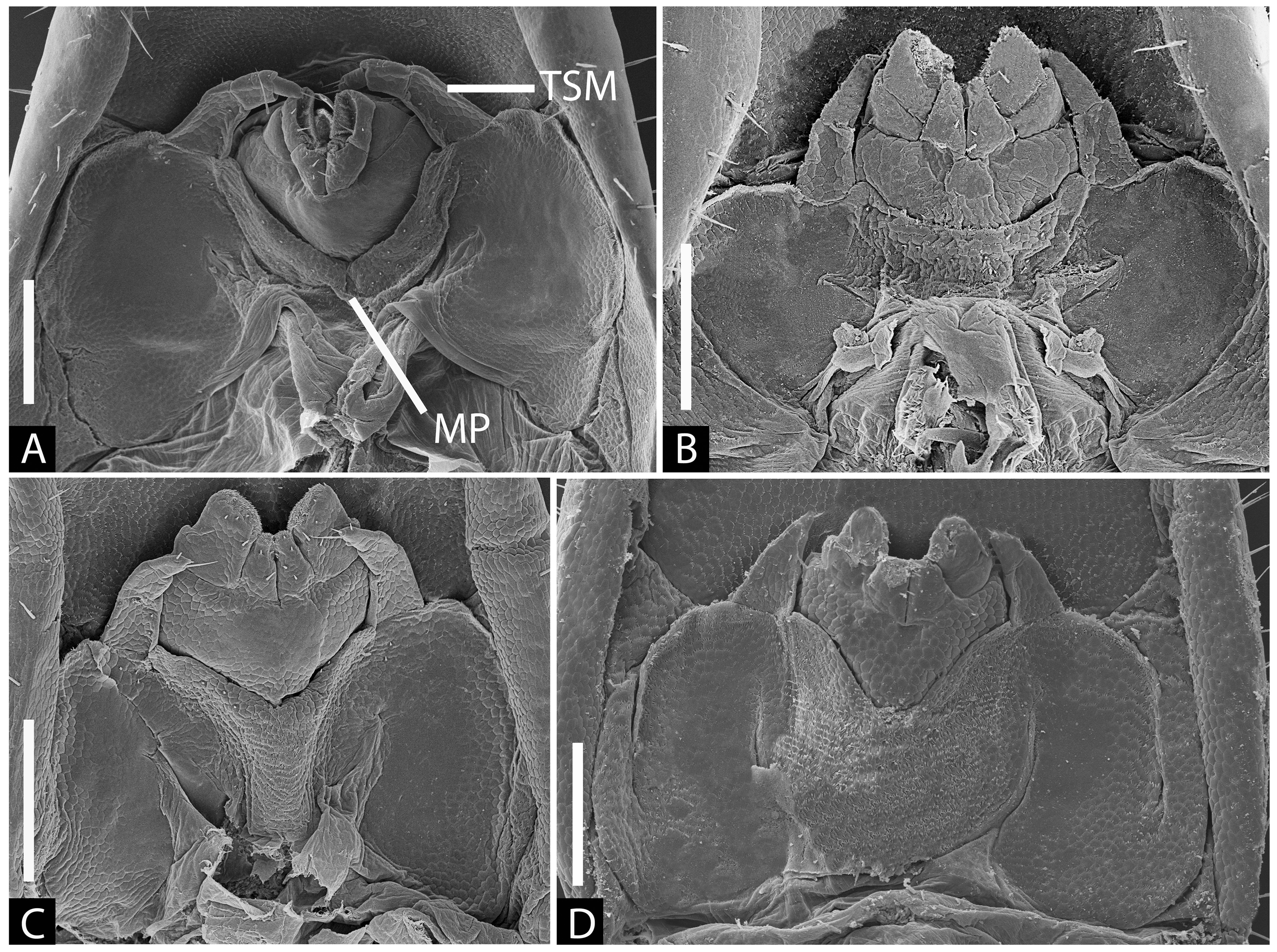
Aphilodon is a genus of soil centipedes in the subfamily Aphilodontinae, a clade formerly known as the family Aphilodontidae but now deemed a subfamily within the family Geophilidae. These centipedes are found in South America. This genus includes sixteen species and is the most diverse of the Neotropical genera in the subfamily Aphilodontinae.
Aphilodontidae
thumb | right
Aphilodontinae is a monophyletic group of soil centipedes previously known as the family Aphilodontidae in the order Geophilomorpha. This clade is now considered a subfamily in the family Geophilidae and has been renamed accordingly. This subfamily now includes more than 30 described species distributed among four genera.
Koeneniodes
Koeneniodes is a genus of Eukoeneniid microwhip scorpions, first described by Filippo Silvestri in 1913.
Procyliosoma
Procyliosoma is a genus of pill millipede found in Australia and New Zealand. Formerly classified in the family Sphaerotheriidae, in 2009 Procyliosoma was reclassified as the only genus in the family Procyliosomatidae.
Acerentomon doderoi
species of arthropods
Scutigerina
Scutigerina is a genus of centipedes in the family Scutigerinidae. It was described in 1904 by Italian myriapodologist Filippo Silvestri.

Hirudisomatidae
Hirudisomatidae is a family of colobognathan millipedes in the order Polyzoniida. The approximately 20 species occur from Spain to the Himalayas in Eurasia, Japan, and in North America from southwest Canada to central Mexico.
Anelpistina
Nicoletia is a genus of silverfish in the family Nicoletiidae. As of 2007, it contains the former members of two other genera.

Orthoporus
Orthoporus is a genus of spirostreptid millipedes, containing around 80 species, distributed from the southern United States to Brazil and Argentina.
Macronicophilus
Macronicophilus is a genus of soil centipedes in the family Geophilidae. This genus contains only four species. These centipedes exhibit traits so unusual that authorities once placed this genus in its own family, Macronicophilidae. In 2014, however, authorities deemed Macronicophilidae to be a junior synonym of Geophilidae, and references now place this genus in the family Geophilidae instead. These centipedes are found in the northern Andes and the Amazon basin in South America.
Pachymerinus
Pachymerinus is a genus of centipedes in the family Geophilidae. It was described by Italian entomologist Filippo Silvestri in 1905. Centipedes in this genus feature elongate heads, elongate forcipules with denticles, scattered coxal pores, and few sternal pores, if any; the intermediate part of the labrum is narrow and has no denticles. These centipedes range from about 3 cm to 8 cm in length, have 47 to 81 pairs of legs, and are found in Chile and southeast Australia. The Australian species Pachymerinus froggatti is notable for its relatively small size, measuring only 28 mm i
Urochordeuma
Urochordeuma is a genus of millipedes in the order Chordeumatida and the only genus in the family Urochordeumatidae. Adult millipedes in this family have 30 segments (counting the collum as the first segment and the telson as the last). The two species are known from the U.S. state of Washington, where U. bumpusi is known from Pierce County, and U. porona from King County.
Mecophilus
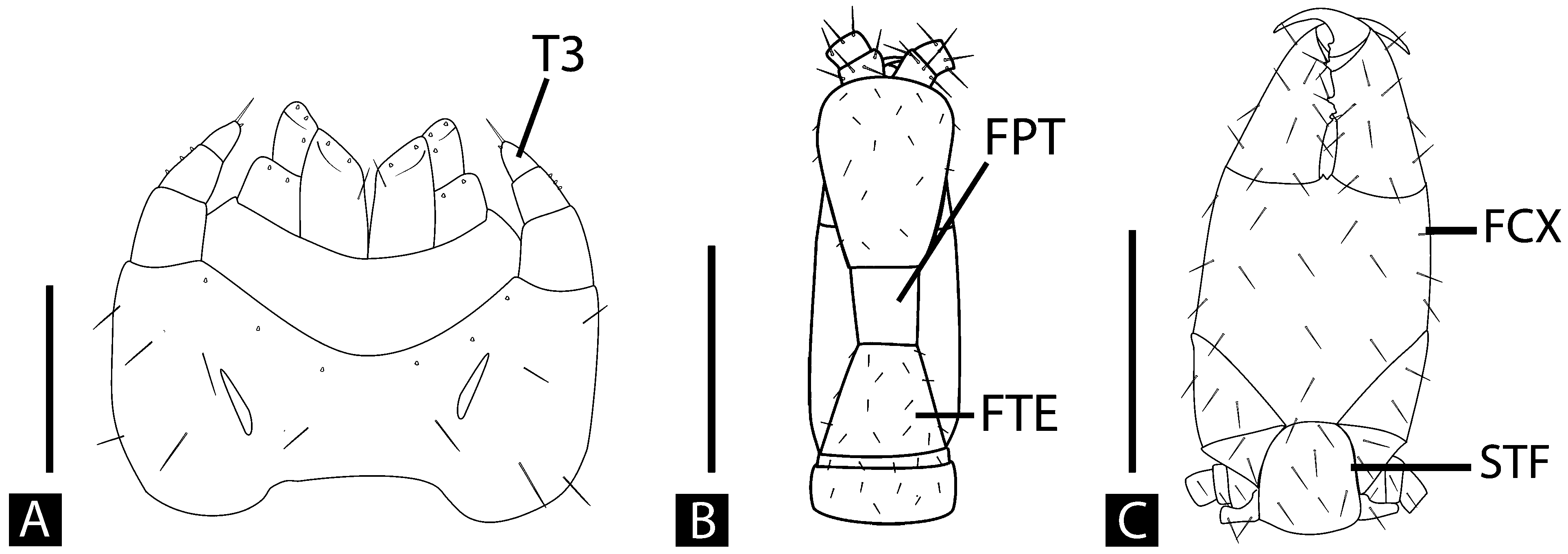
Mecophilus is a genus of soil centipedes in the subfamily Aphilodontinae, a clade formerly known as the family Aphilodontidae but now deemed a subfamily within the family Geophilidae. The species in this genus are among the smallest centipedes in the order Geophilomorpha, reaching only 8 mm in length. This genus is also notable for featuring the fewest legs (only 33 or 35 pairs) in the subfamily Aphilodontinae. The species in this genus are found in the Atlantic Forest in south and southeastern Brazil.
Zorotypidae
REDIRECT Zoraptera#Classification
Amitus hesperidum
species of insect
Xenococcus annandalei
species of insect
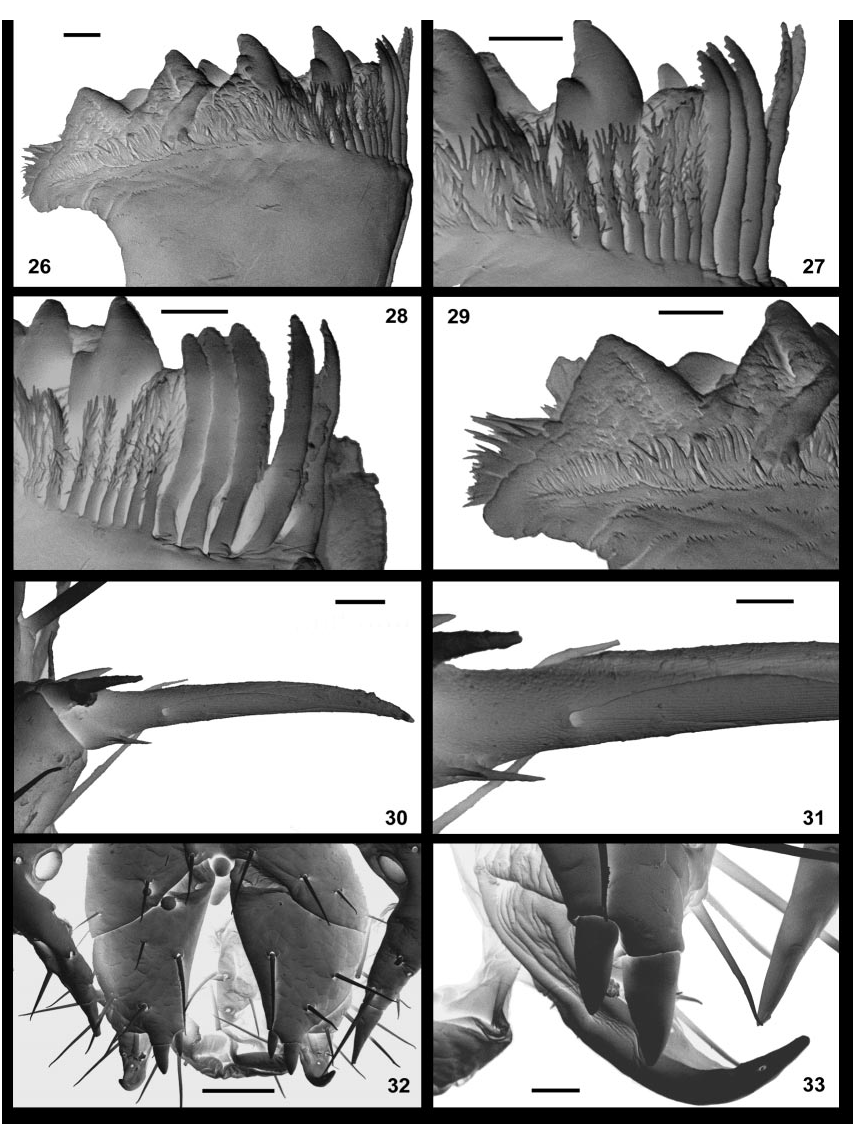
Anopsobius
Anopsobius is a genus of centipedes in the family Henicopidae. It was described by Italian entomologist Filippo Silvestri in 1899.
Prays chrysophyllae
species of insect
Proteroiulus
Proteroiulus is a genus of millipedes in the family Blaniulidae, containing the following species:
Proteroiulus broelemanni Lohmander, 1925
Proteroiulus fuscus (Am Stein, 1857)
Proteroiulus hispanus Schubart, 1959