Category
page 1Taxa named by Johann Friedrich Gmelin

Rock Dove
species of pigeon; the wild bird from which domesticated pigeons derive

Mute Swan
species of swan

Short-toed Snake Eagle
species of bird

Gharial
The gharial (Gavialis gangeticus), also known as gavial or fish-eating crocodile, is a crocodilian in the family Gavialidae and among the longest of all living crocodilians. Mature females are long, and males . Adult males have a distinct boss at the end of the snout, which resembles an earthenware pot known as a ghara, hence the name "gharial". The gharial is well adapted to catching fish because of its long, narrow snout and 110 sharp, interlocking teeth.

Booted Eagle
species of bird
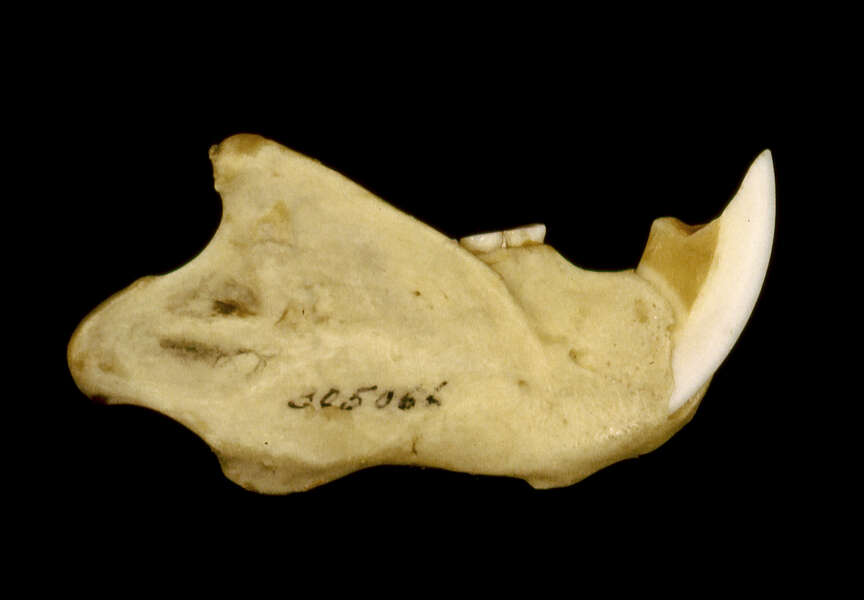
aye-aye
The aye-aye (, Daubentonia madagascariensis) is a long-fingered lemur, a strepsirrhine primate native to Madagascar with rodent-like teeth that perpetually grow and a special thin middle finger that they can use to catch grubs and larvae out of tree trunks.

common warthog
species of mammal

Gull-billed Tern
species of seabird
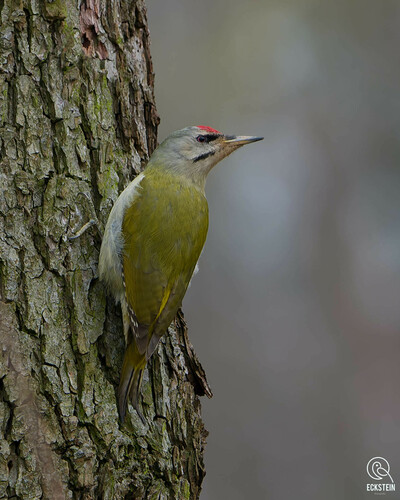
Grey-headed Woodpecker
species of bird

Spot-billed Pelican
species of bird
Accipiter badius
The shikra (Tachyspiza badia) is a small bird of prey in the family Accipitridae found widely distributed in Asia and Africa where it is also called the little banded goshawk. The African forms may represent a separate species but have usually been considered as subspecies of the shikra. The shikra is very similar in appearance, as well as behavior, at least to some degree, to other species including the Chinese sparrowhawk (Tachyspiza soloensis, formerly Accipiter soloensis), Eurasian goshawk (Astur gentilis) and Eurasian sparrowhawk (Accipiter nisus). They have a sharp two-note call and exhi

Pacific Golden Plover
species of bird

giant otter
species of mammal

Lesser Grey Shrike
species of bird

Eastern gray squirrel
species of rodent
.jpg)
Indri indri
The indri (; Indri indri), also called the babakoto, is one of the largest living lemurs, with a head-body length of about and a weight of between . It has a black and white coat and maintains an upright posture when climbing or clinging. It is monogamous and lives in small family groups, moving through the canopy, and is herbivorous, feeding mainly on leaves but also seeds, fruits, and flowers. The groups are quite vocal, communicating with other groups by singing, roaring and other vocalisations.

Baikal Seal
species of seal
.jpg)
Hamerkop
thumb|Queen Elizabeth National Park, Uganda
The hamerkop (Scopus umbretta), also called the umbrette, is a medium-sized bird. It is the only living species in the genus Scopus and the family Scopidae. The species and family was long thought to sit with the Ciconiiformes but is now placed with the Pelecaniformes, and its closest relatives are thought to be the pelicans and the shoebill. The shape of its head with a long bill and crest at the back is reminiscent of a hammer, which has given this species its name after the Afrikaans word for hammerhead. It is a medium-sized waterbird with brown p

White-rumped Vulture
species of bird

White-bellied Sea Eagle
species of bird

Pink-backed Pelican
species of bird

White-winged Crossbill
species of bird

Palm Cockatoo
Species of cockatoo

Ixobrychus cinnamomeus
species of bird

Greater Adjutant
species of bird

Ruddy Duck
species of bird
Kākā
The New Zealand kākā (Nestor meridionalis) is a large species of parrot of the family Strigopidae found in New Zealand's native forests across the three main Islands of New Zealand. The species is often known by the abbreviated name kākā, although it shares this name with the recently extinct Norfolk kākā and Chatham kākā. Two subspecies of New Zealand kākā are recognised. It is endangered and has disappeared from much of its former range, though the re-introduction of North Island kākā at Zealandia in Wellington has led to an increasing population of the birds across the city.

Pacific Reef Heron
species of bird
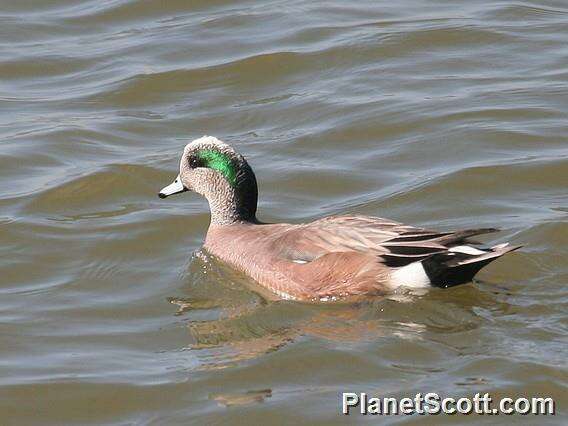
American wigeon
species of bird

African Jacana
species of bird

Great Horned Owl
species of bird

Caspian seal
species of mammal

Yellow Bittern
species of bird

Hermann's tortoise
species of reptile

Agami Heron
species of bird

banded mongoose
species of mongoose

Great Frigatebird
species of bird
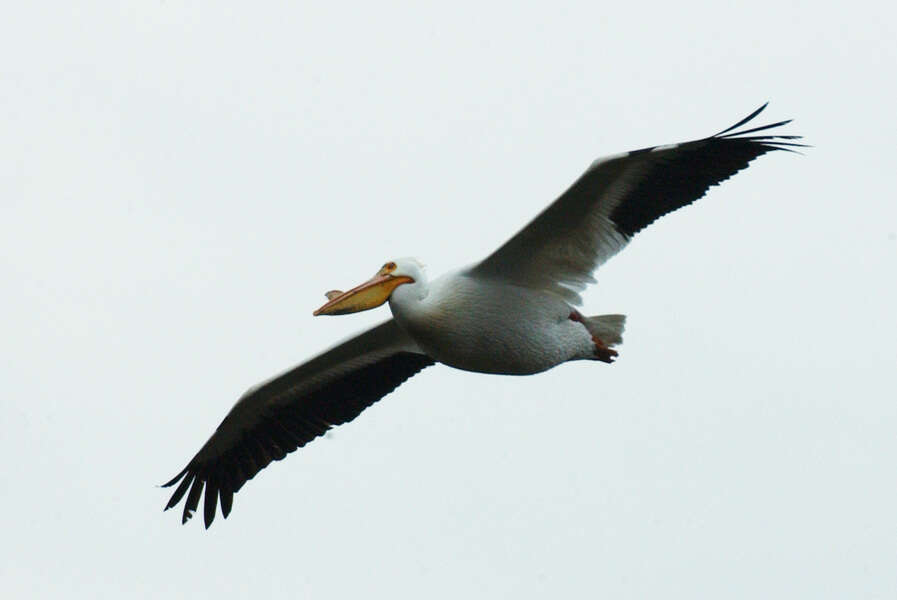
American White Pelican
species of bird

Yellow-crested Cockatoo
species of bird

Salmon-crested Cockatoo
species of bird

Lesser Yellowlegs
species of bird

Cotton Pygmy Goose
species of bird
.jpg)
Watercock
The watercock (Gallicrex cinerea) is a waterbird in the rail and crake family, Rallidae that is widely distributed across Southeast Asia. It is the only member of the genus Gallicrex.

Brown Fish Owl
species of bird

Sooty Shearwater
species of bird

kererū
The kererū (Hemiphaga novaeseelandiae), also known as kūkupa (northern Māori dialects), New Zealand pigeon or wood pigeon, is a species of pigeon native to New Zealand. Johann Friedrich Gmelin described the bird in 1789 as a large, conspicuous pigeon up to in length and in weight, with a white breast and iridescent green–blue plumage. Two subspecies have been recognised; the second—the Norfolk pigeon of Norfolk Island—became extinct in the early 20th century. Kererū pairs are monogamous, breeding over successive seasons and remaining together when not breeding. They construct nests with twigs

Python sebae
species of reptile

Dendronanthus indicus
species of bird

Blue Duck
species of bird

Palm-nut Vulture
species of bird

American Coot
species of bird

Greater Yellowlegs
species of bird

Caucasian squirrel
species of mammal

Southern Giant Petrel
species of bird
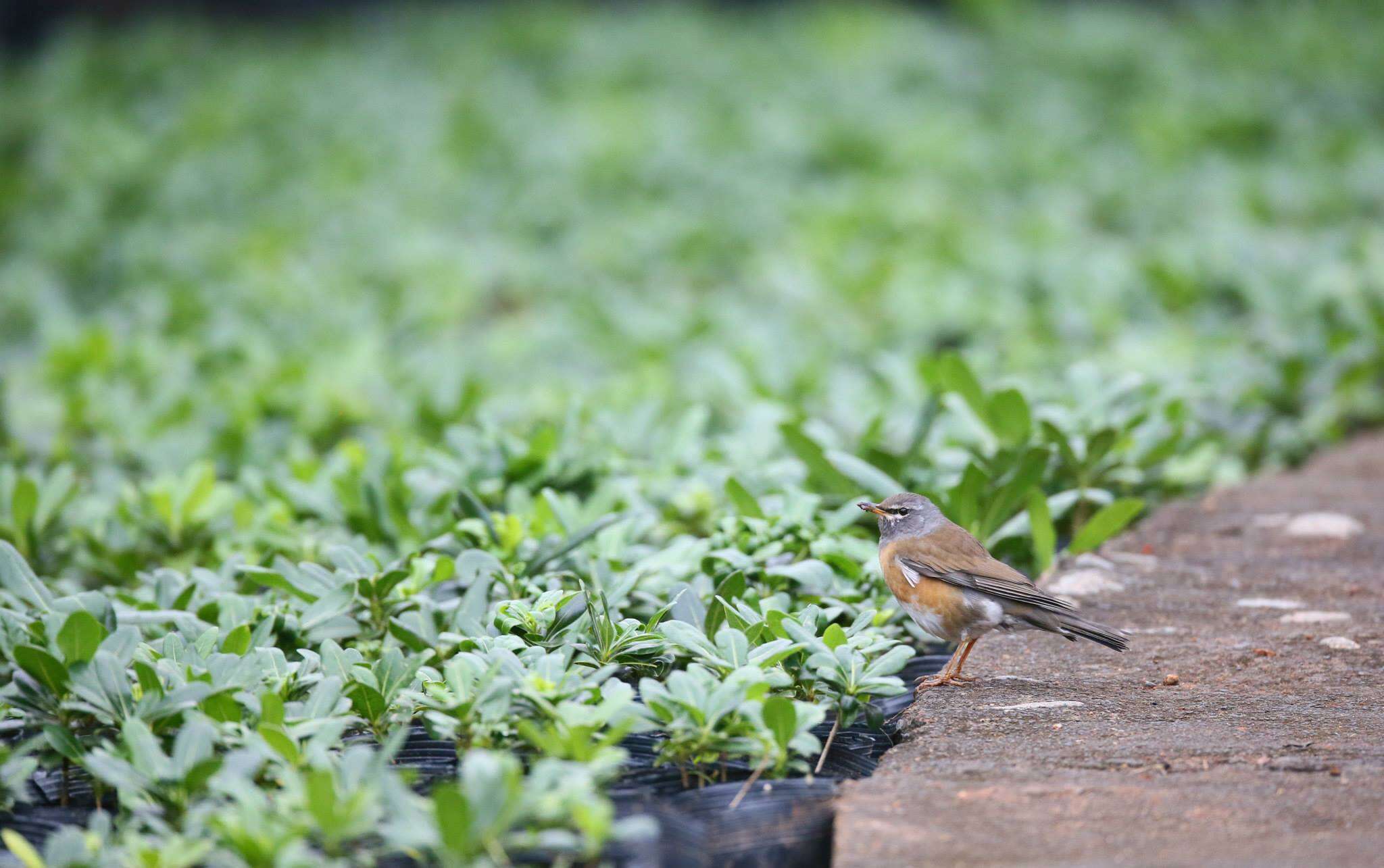
Eyebrowed Thrush
species of bird

Barrow's Goldeneye
species of bird in the duck family (Anatidae)

Maguari Stork
species of bird
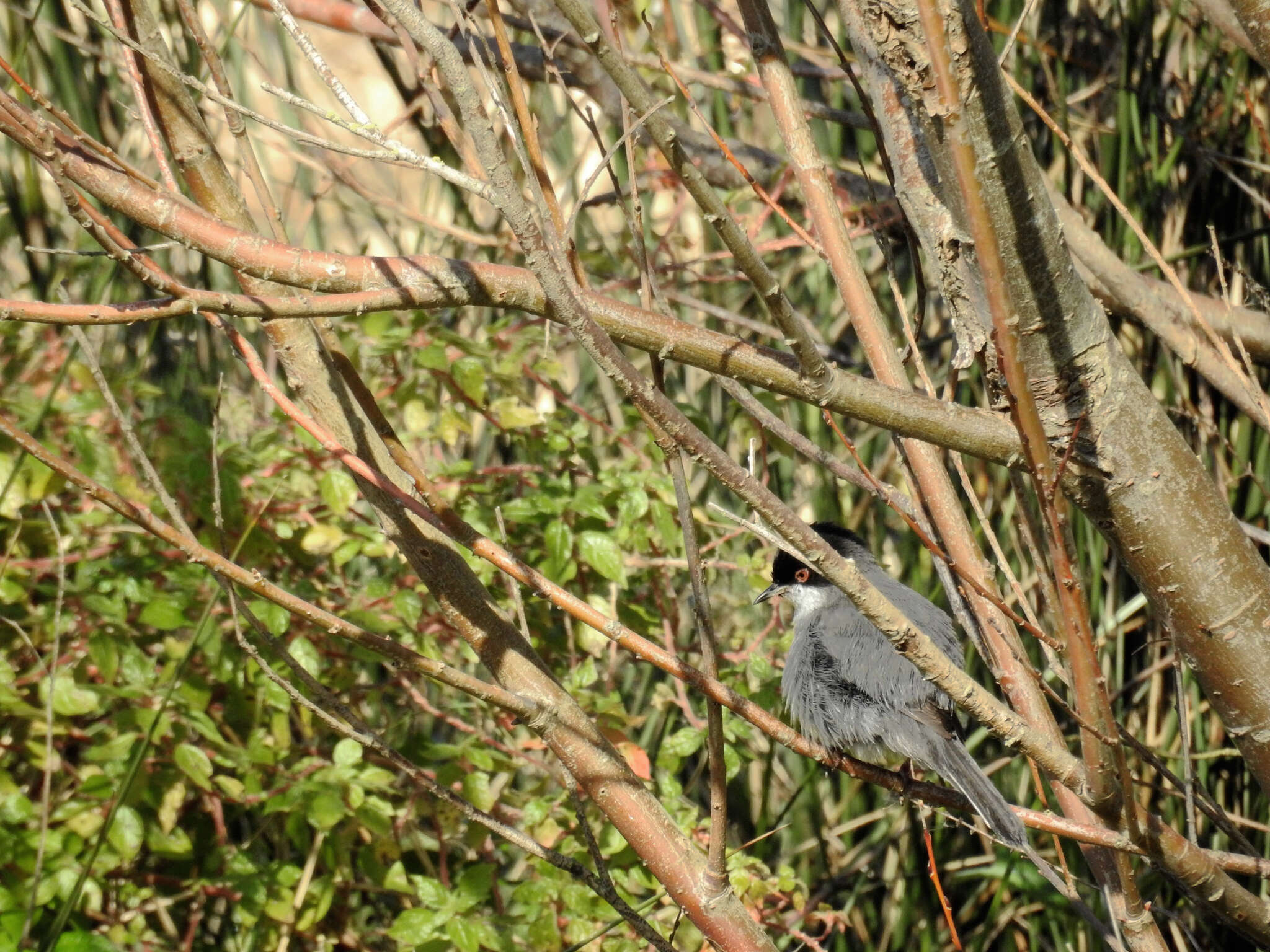
Curruca melanocephala
species of bird

Rodrigues solitaire
extinct species of bird
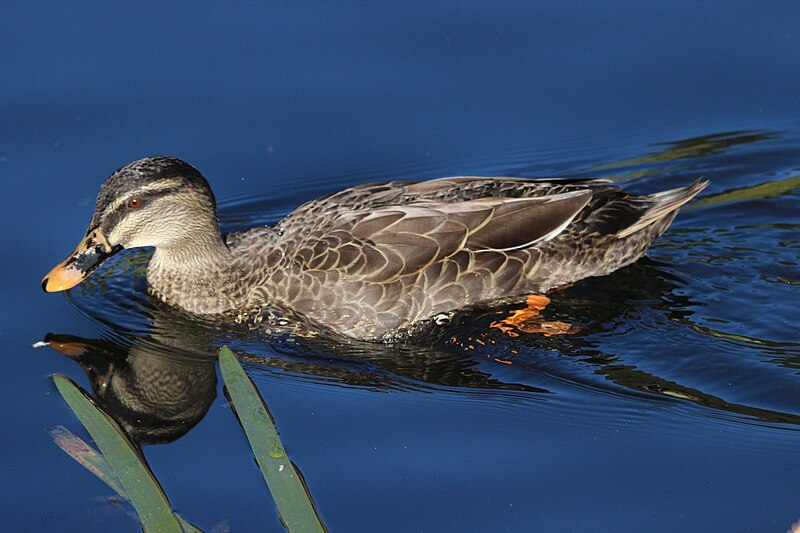
Pacific Black Duck
species of bird