Category
page 1Taxa named by Johann Karl Wilhelm Illiger

Muridae
The Muridae, or murids, are either the largest or second-largest family of rodents and of mammals, containing approximately 870 species, including many species of mice, rats, and gerbils found naturally throughout Eurasia, Africa, and Australia.

Sirenia
The Sirenia ( ), commonly referred to as sea cows or sirenians, are an order of fully aquatic, herbivorous mammals that inhabit swamps, rivers, estuaries, marine wetlands, and coastal marine waters. The extant Sirenia comprise two distinct families:
Dugongidae (the dugong and the now extinct Steller's sea cow) and
Trichechidae (manatees, namely the Amazonian manatee, West Indian manatee, and West African manatee) with a total of three species.
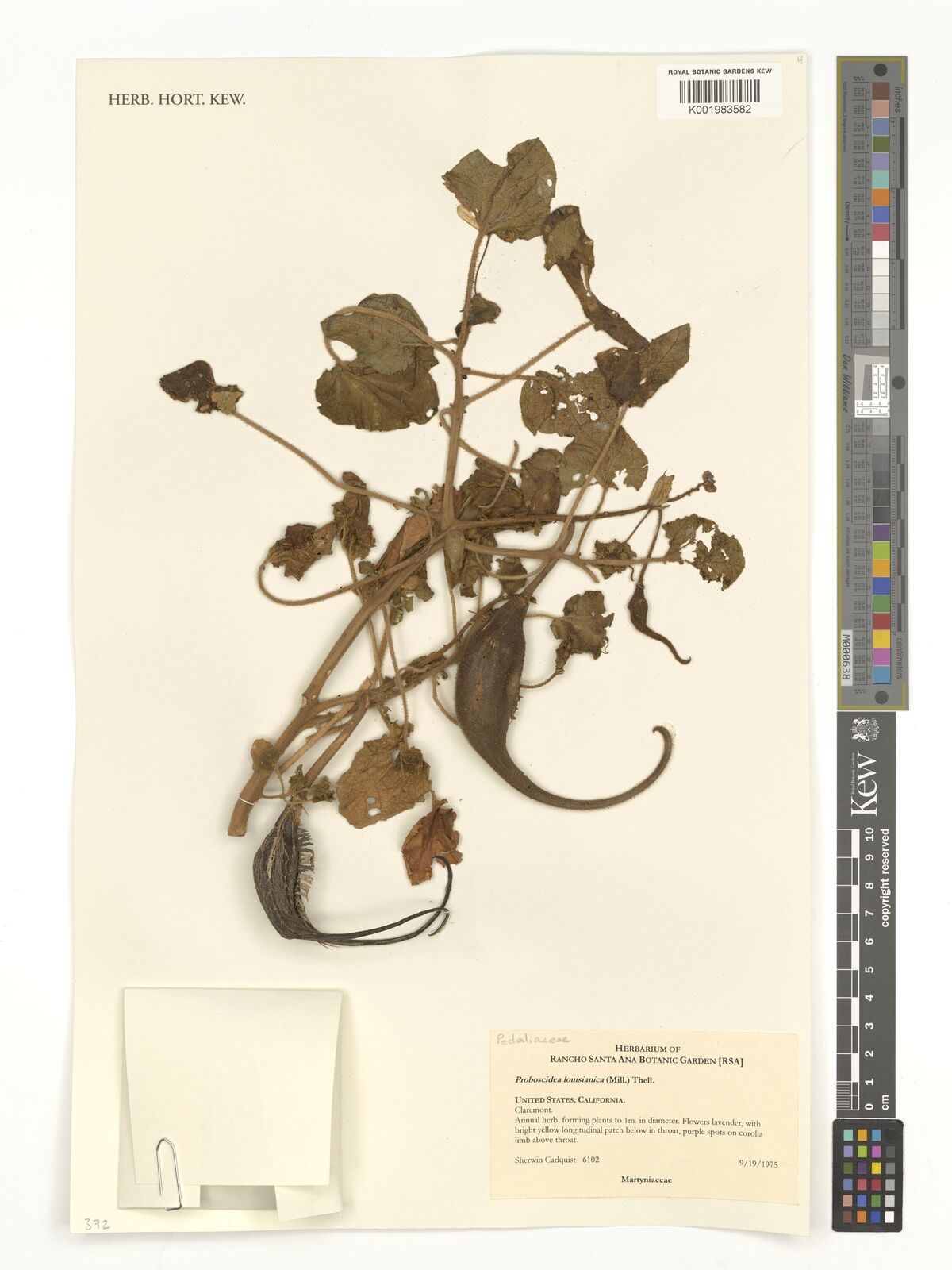
Proboscidea
Proboscidea (; , ) is a taxonomic order of Afrotheria paenungulate mammals described by J. Illiger in 1811. It encompasses the elephants (family Elephantidae) and their extinct relatives. Three living species of elephant are currently recognised: the African bush elephant, the African forest elephant, and the Asian elephant.

Caspian tiger
subspecies of mammal
.jpg)
Common agouti
The agouti (, ) or common agouti is any of several rodent species of the genus Dasyprocta, from Ancient Greek δασύς (dasús), meaning "hair", and πρωκτός (prōktós), meaning "anus". They are native to Central America, northern and central South America, and the southern Lesser Antilles. Some species have also been introduced elsewhere in the West Indiesand in west Africa (Bénin). They are related to guinea pigs and look quite similar, but they are larger and have longer legs. The species vary considerably in colour, being brown, reddish, dull orange, greyish, or blackish, but typically with ligh

oriental small-clawed otter
species of mammal
Tamias
Tamias is a genus of chipmunks in the tribe Marmotini of the squirrel family. The genus includes a single living species, the eastern chipmunk (Tamias striatus). The genus name Tamias () means "treasurer", "steward", or "housekeeper", which is a reference to the animals' role in plant dispersal through their habit of collecting and storing food for winter use.

Muroidea
The Muroidea are a large superfamily of rodents, including mice, rats, voles, hamsters, lemmings, gerbils, and many other relatives. Although the Muroidea originated in Eurasia, they occupy a vast variety of habitats on every continent except Antarctica. Some authorities have placed all members of this group into a single family, Muridae, due to difficulties in determining how the subfamilies are related to one another. Many of the families within the Muroidea superfamily have more variations between the families than between the different clades. A possible explanation for the variations in r
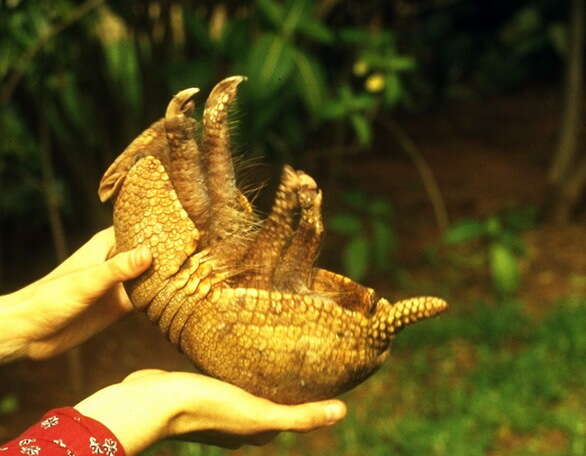
Cingulata
Cingulata, part of the superorder Xenarthra, is an order of armored New World placental mammals. The armadillos, whose species are split between the families Dasypodidae and Chlamyphoridae, are the only surviving members of the order. Two groups of cingulates much larger than extant armadillos (maximum body mass of 45 kg (100 lb) in the case of the giant armadillo) existed until recently: pampatheriids, which reached weights of up to 200 kg (440 lb) and chlamyphorid glyptodonts, which attained masses of 2,000 kg (4,400 lb) or more.

Marsh deer
species of mammal

Aotus
genus of mammals

Black-and-white colobus
genus of mammals

Herpestes
Herpestes is a genus within the mongoose family Herpestidae. It is the type genus of the family, and comprises five extant species, each with several subspecies. Several species in the family are known as slender mongooses.
Fossil remains of three prehistoric species were excavated in France, and described in 1853.

Murinae
The Old World rats and mice, part of the subfamily Murinae in the family Muridae, comprise at least 519 species. Members of this subfamily are called murines. In terms of species richness, this subfamily is larger than all mammal families except the Cricetidae and Muridae, and is larger than all mammal orders except the bats and the remainder of the rodents.

Hylobates
The genus Hylobates () is one of the four genera of gibbons. Its name means "forest walker", from the Greek (, "forest") and (, "one who treads").

Actitis
Actitis is a small genus of waders, comprising just two very similar bird species.

maned sloth
species of mammal
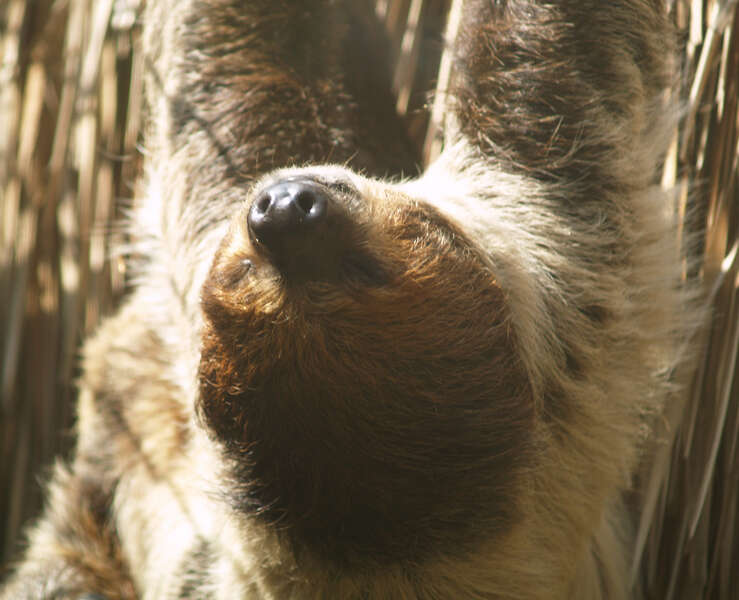
Choloepus
genus of sloths/mammals

Prosimian
Prosimians are a group of primates that includes all living and extinct strepsirrhines (lemurs, lorisoids, and adapiforms), as well as the haplorhine tarsiers and their extinct relatives, the omomyiforms, i.e. all primates excluding the simians. They are considered to have characteristics that are more "primitive" (ancestral or plesiomorphic) than those of simians (monkeys, apes, and humans).
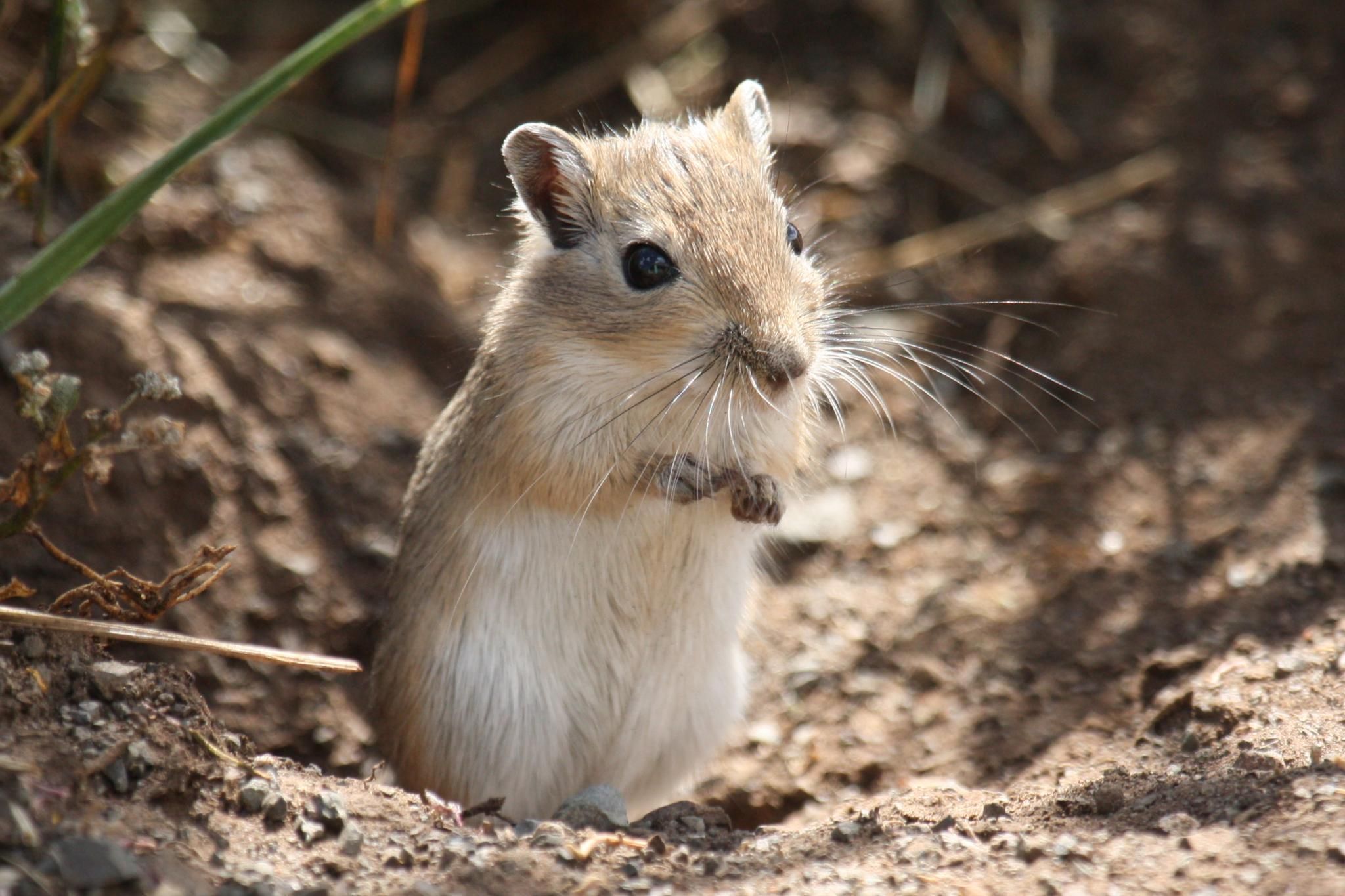
Meriones
genus of mammals
Tolypeutes
The genus Tolypeutes contains the two species of three-banded armadillos. They are restricted to open and semi-open habitats in South America.
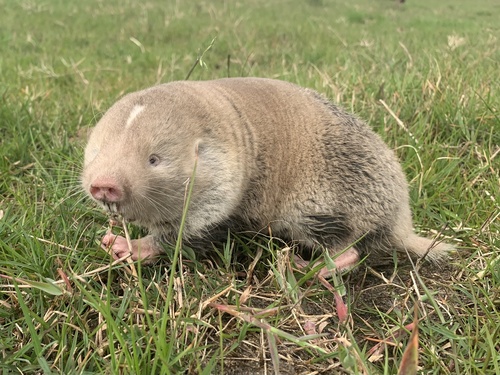
Bathyergus
Bathyergus is the genus of dune mole-rats endemic to South Africa. It contains two species :
Pedetes
Pedetes is a genus of rodent, the springhares, in the family Pedetidae. Members of the genus are distributed across southern and Eastern Africa.
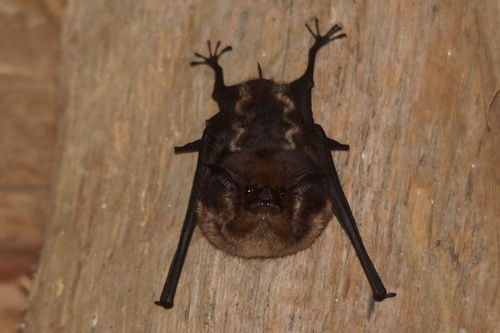
Saccopteryx
Saccopteryx is a genus of sac-winged bats from Central and South America. The species within this genus are:
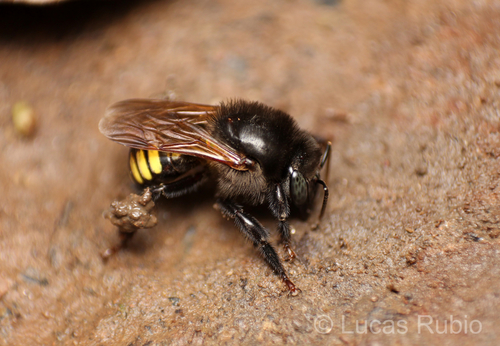
Melipona
Melipona is a genus of stingless bees, widespread in warm areas of the Neotropics, from Sinaloa and Tamaulipas (México) to Tucumán and Misiones (Argentina). About 70 species are known. The largest producer of honey from Melipona bees in Mexico is in the state of Yucatán where bees are studied at an interactive park called "Bee Planet" which is within the Cuxtal Ecological Reserve.

Empusa
genus of insects

Phyllium
Phyllium is the largest and most widespread genus of leaf insects in the family Phylliidae (Phasmatodea). They can be found in Sundaland, Philippine Islands, Wallacea, and Australasia.
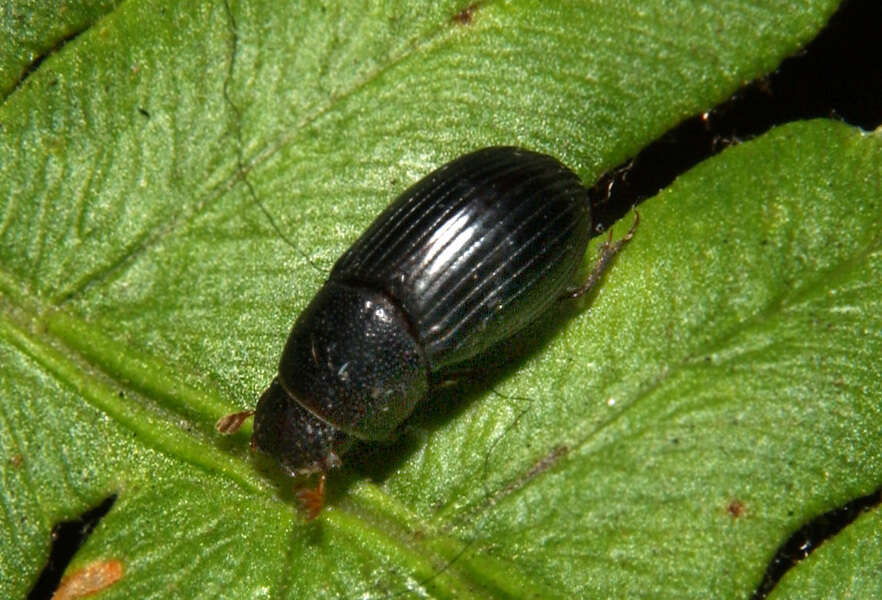
Aphodius
thumb|Aphodius fimetarius, Austria
thumb|Aphodius coniugatus, Ukraine

Azara's capuchin
species of mammal
.jpg)
Nemophora
thumb|250px|Nemophora magnifica
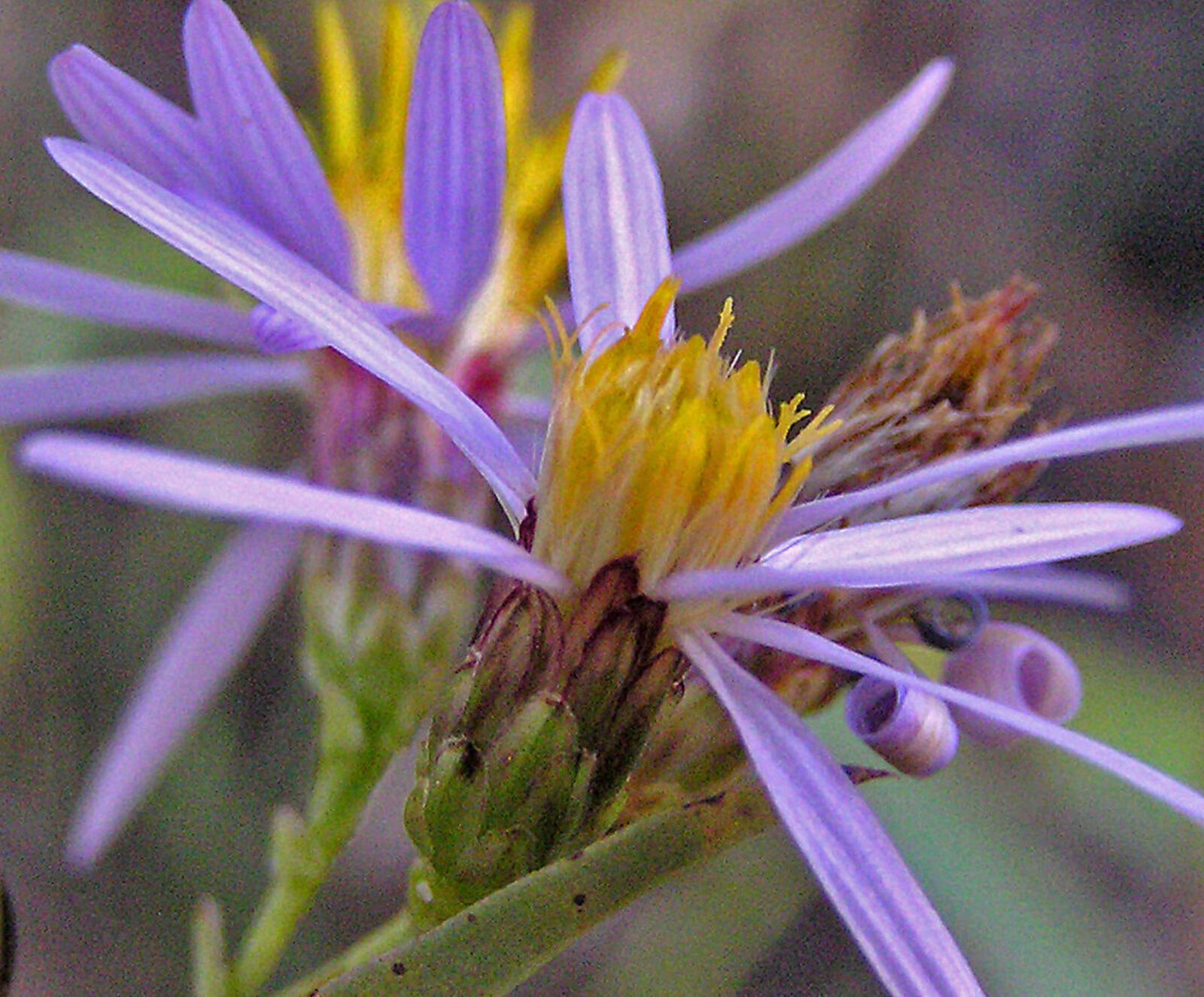
Eurybia
genus of insects
Cassida prasina
species of beetle
Caligo beltrao
species of insect
Cryptorhynchus
Cryptorhynchus, from Ancient Greek κρυπτός (kruptós), meaning "hidden", and ῥύγχος (rhúnkos), meaning "snout", is a genus of hidden snout weevils in the beetle family Curculionidae. There are at least 480 described species in Cryptorhynchus.
Smaragdina affinis
species of beetle
Tacua speciosa
species of insect
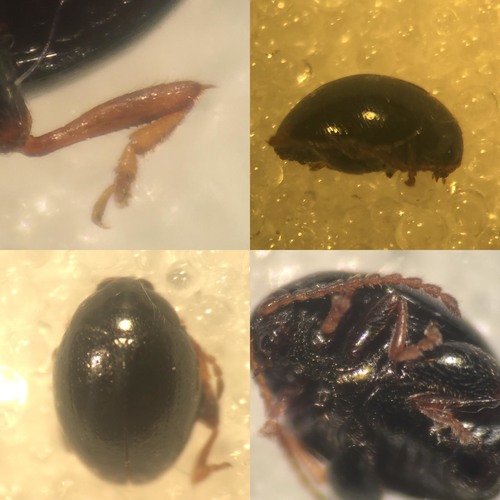
Apteropeda globosa
species of beetle
Orchestes
Orchestes is a genus of beetles either classified in the subfamily Rhynchaeninae or in the tribe Rhamphini of the subfamily Curculioninae, of the family Curculionidae. It encompasses six species in North America, including Orchestes steppensis, and more in Eurasia. It was previously regarded as a synonym of Rhynchaenus, which is now used with a much more restricted definition. The name Pedetes (normally used for the springhares) has been used as a manuscript name for this genus around 1799, but not published as a valid name.
Disonycha pensylvanica
species of insect
Tachyglossus
REDIRECT Short-beaked echidna
Altica chalybea
species of beetle
Ochrosis ventralis
species of insect
Hyptia
Hyptia is a genus of ensign wasps in the family Evaniidae. There are at least 50 described species in Hyptia. Most Hyptia can be differentiated from other genera by heavily reduced venation of the forewings, wherein only one closed cell is present.
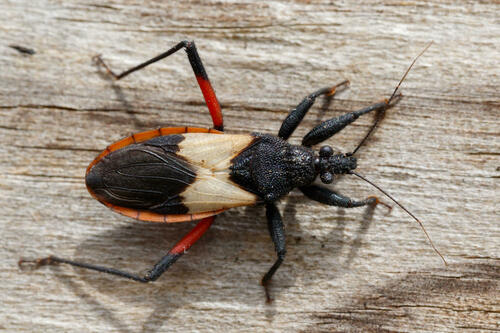
Microtomus
Microtomus is a genus of assassin bugs in the family Reduviidae. There are about 10 described species in Microtomus.
Eurhinus
Eurhinus is a genus of beetles. The genus was first described by Johann Karl Wilhelm Illiger in 1808
Lamprocyphus augustus
species of beetle
Cladius
genus of insects
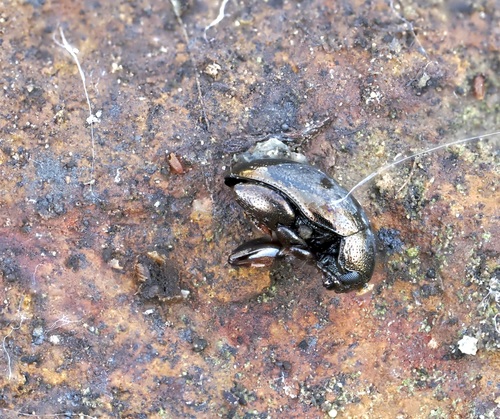
Apteropeda ovulum
species of beetle
Bolitophagus
Bolitophagus is a genus of beetles belonging to the family Tenebrionidae.
Capraita sexmaculata
species of insect